How Patient Expectations Shape Knee Replacement Recovery Outcomes
Your mindset before surgery matters more than you’d expect. Learn how knee replacement recovery expectations shape pain, satisfaction, and long-term outcomes.

If you are preparing for knee replacement surgery or already moving through knee replacement recovery, it is completely normal to ask this question. You want your strength back, your movement back, and your confidence back as soon as possible, without risking setbacks along the way.
As a physical therapist who helps people every day after total knee replacement surgery, I can tell you there is no single shortcut. The fastest way to recover from knee replacement surgery comes from doing the basics well, doing them consistently, and understanding why each step matters.
Everyone’s knee replacement recovery looks a little different. Your surgeon and care team may give you specific guidance based on your history, goals, and overall health, and that guidance should always be followed first.
At the same time, there are universal principles that support healing for nearly everyone. These principles do not rush your knee, but they help your knee adapt safely so progress continues week after week.
Trying to speed past early healing stages often leads to increased swelling and stiffness. A smart approach focuses on efficiency rather than urgency.

Swelling is one of the most common reasons knee replacement recovery feels slower than expected. When swelling builds up, bending feels harder, muscles respond less efficiently, and discomfort increases.
Keeping your knee elevated helps fluid move away from the joint rather than collect around it. Elevation works best when done consistently, especially after exercise or longer periods on your feet.
Diet also plays a role in managing inflammation. Choosing anti-inflammatory foods and limiting processed or inflammatory foods can support your recovery and help reduce swelling.
Swelling management is not about perfection. It is about repeating supportive habits throughout the day, elevation, movement, and mindful nutrition, so your knee has the best environment to heal.
Ice can be a useful tool in the early stages of knee replacement recovery, especially during the first 5–7 days, to help manage pain and initial inflammation. After this early phase, ice should be used primarily for pain relief rather than to control swelling.
Short, targeted icing sessions after activity can be beneficial, but the foundation of recovery remains consistent movement, strength-building, and circulation exercises.
One of the most important drivers of knee replacement recovery is strength. Muscles around your knee, hip, and thigh play a major role in how stable and comfortable your knee feels during daily movement.
Knee strengthening exercises help your joint feel supported instead of vulnerable. They also reduce the extra strain placed on the mechanical knee when surrounding muscles are weak or slow to activate.
Strength work should start gently and progress over time. Pushing too hard, too fast often increases swelling and stiffness rather than speeding improvement.
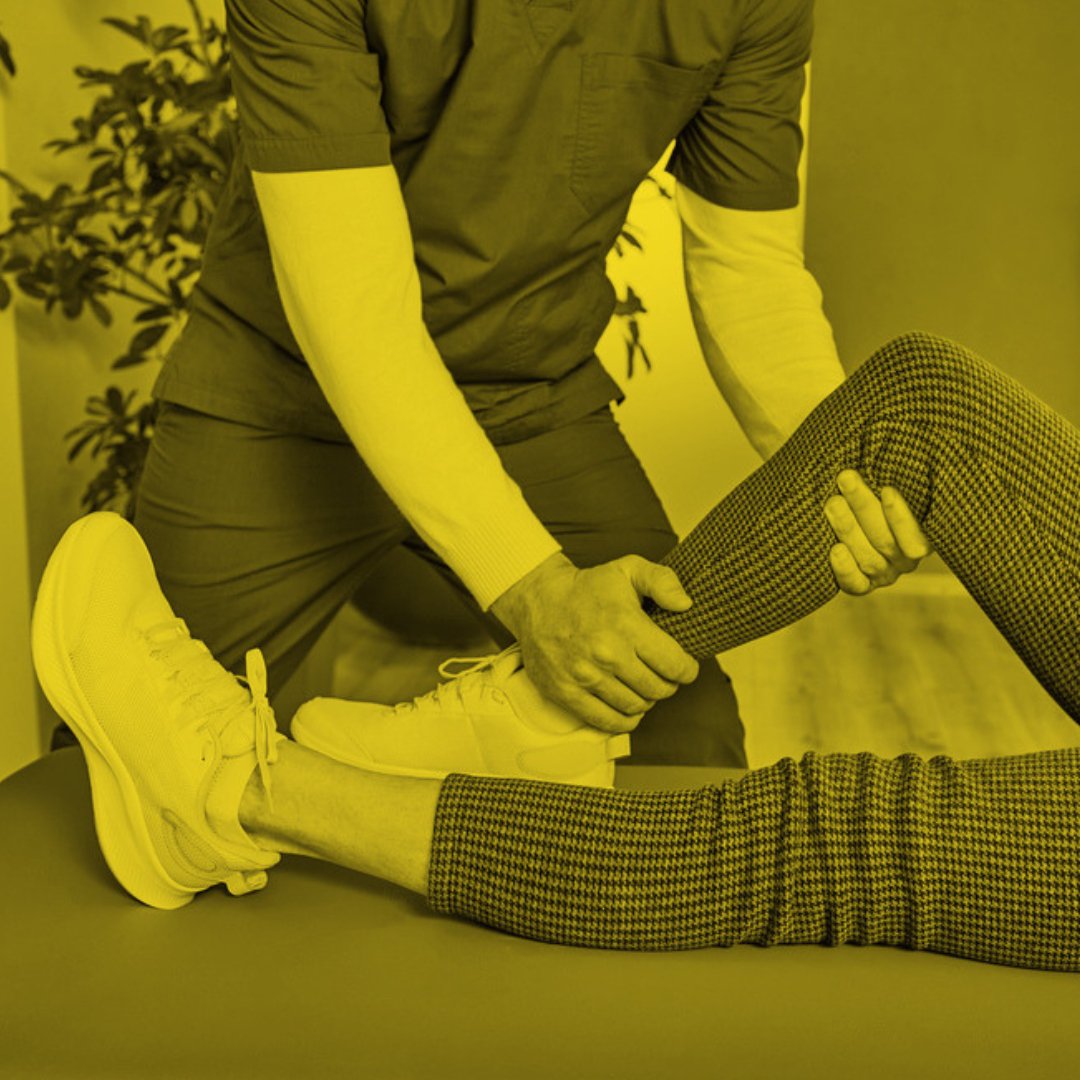
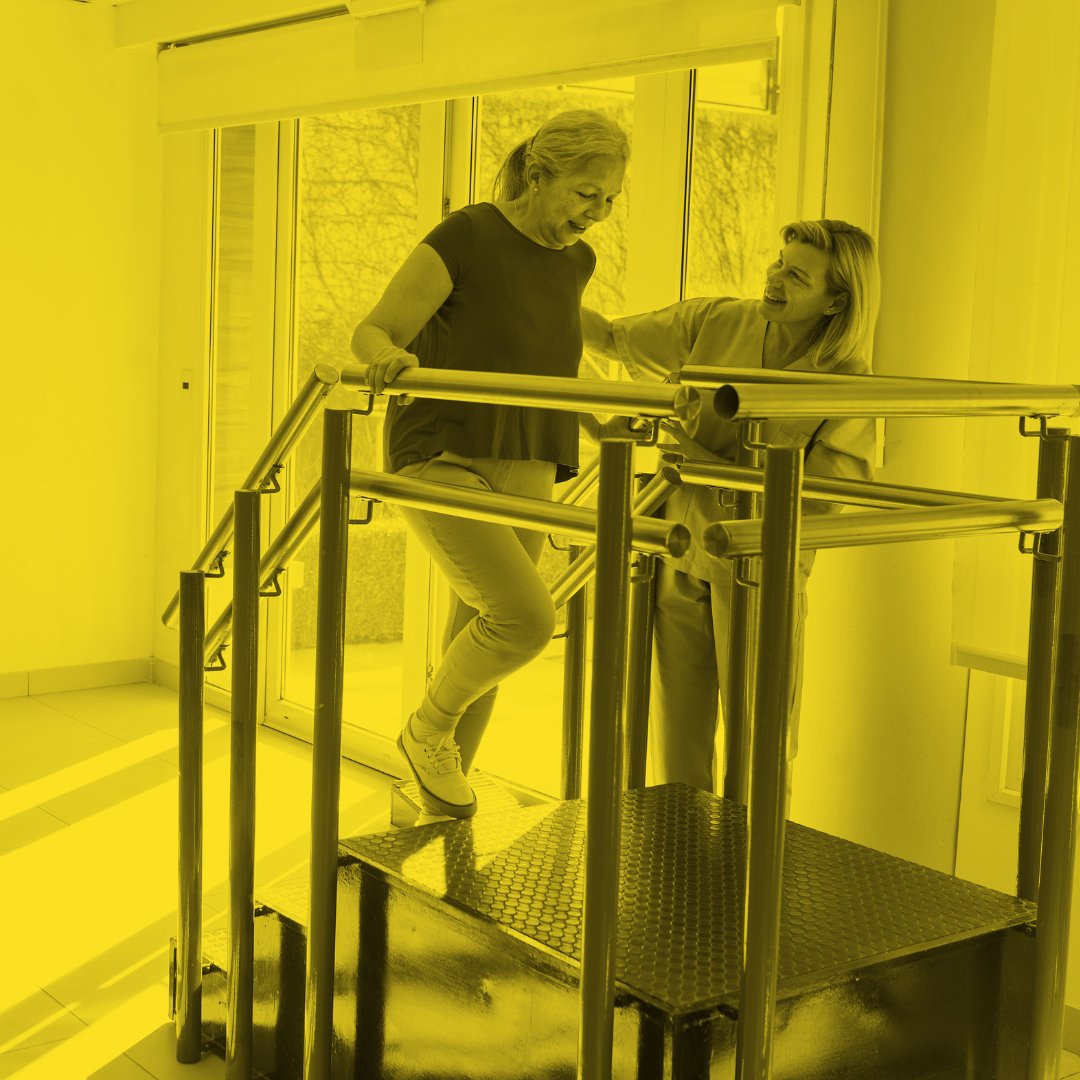
Guidance matters, especially when it is hard to tell how much activity is helpful versus excessive. A physical therapist helps ensure exercises are performed correctly and adjusted appropriately over time.
For example, patients often tell me they’ve started a walking program but still complain about pain and swelling. After knee replacement surgery, walking isn’t the priority, bending and straightening your knee and controlling swelling are. Walking too soon, when your knee’s range of motion isn’t sufficient, often leads to limping. Practicing walking while limping essentially reinforces the limp, which is exactly what we want to avoid.
Working with a physical therapist can help you avoid common mistakes that slow knee replacement recovery. It also provides reassurance on days when your knee feels different or less predictable. Understanding what your knee needs builds confidence. Confidence makes consistency easier.
One of the biggest misconceptions about knee replacement recovery is that harder always means faster. In reality, steady, consistent effort leads to more reliable progress.
Daily movement teaches your knee what to expect. Large swings between doing too much and doing nothing often lead to stiffness and frustration.
Small actions done regularly help your knee adapt smoothly. Over time, those actions add up to meaningful gains.
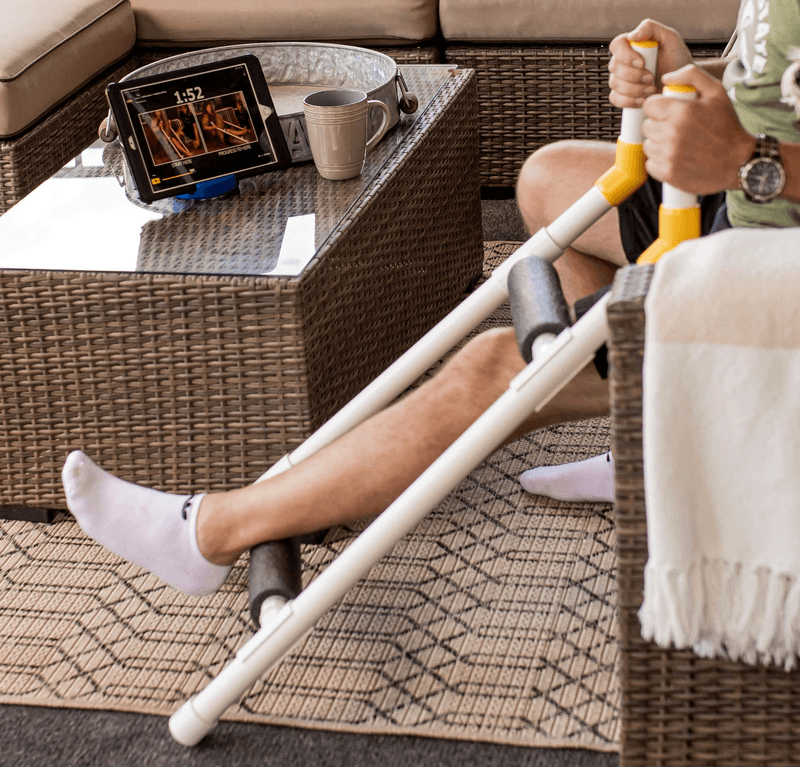
What you do between exercise sessions matters just as much as the exercises themselves. How you sit, stand, walk, and rest all influence how your knee feels.
Frequent gentle movement keeps stiffness from settling in. Short walks, position changes, and light motion throughout the day reinforce the progress made during structured exercise.
Knee replacement recovery does not happen in a single workout. It is shaped by how you move through your entire day.
Your knee communicates constantly during recovery. Some days it feels loose and cooperative, while other days it feels tight or fatigued.
Learning to respond to those signals is part of recovering efficiently. Mild soreness or stiffness is often a sign of adaptation, while sharp or escalating pain may mean it is time to modify activity.
Listening does not mean stopping. It means adjusting so progress continues without unnecessary setbacks.
The fastest way to recover from knee replacement surgery is not about rushing your knee. It is about giving your body the right inputs consistently so healing stays on track. Range of motion, swelling control, strengthening, and follow-through all work together. When one piece is missing, progress often feels slower than it needs to be.
If you want a structured approach that brings these elements together, GoKnee offers a proven home rehab program that is clinically shown to cut knee recovery time in half following knee replacement. The program combines prehab, post-operative exercises, and long-term maintenance to help you move forward with clarity and confidence. Doing the right exercises, at the right time with the right tool can make all the difference. Good luck on your knee journey!
Good knees start here. Don’t miss a step, subscribe to KneeMail for free tips from knee expert Shehla Rooney, PT!
Your mindset before surgery matters more than you’d expect. Learn how knee replacement recovery expectations shape pain, satisfaction, and long-term outcomes.
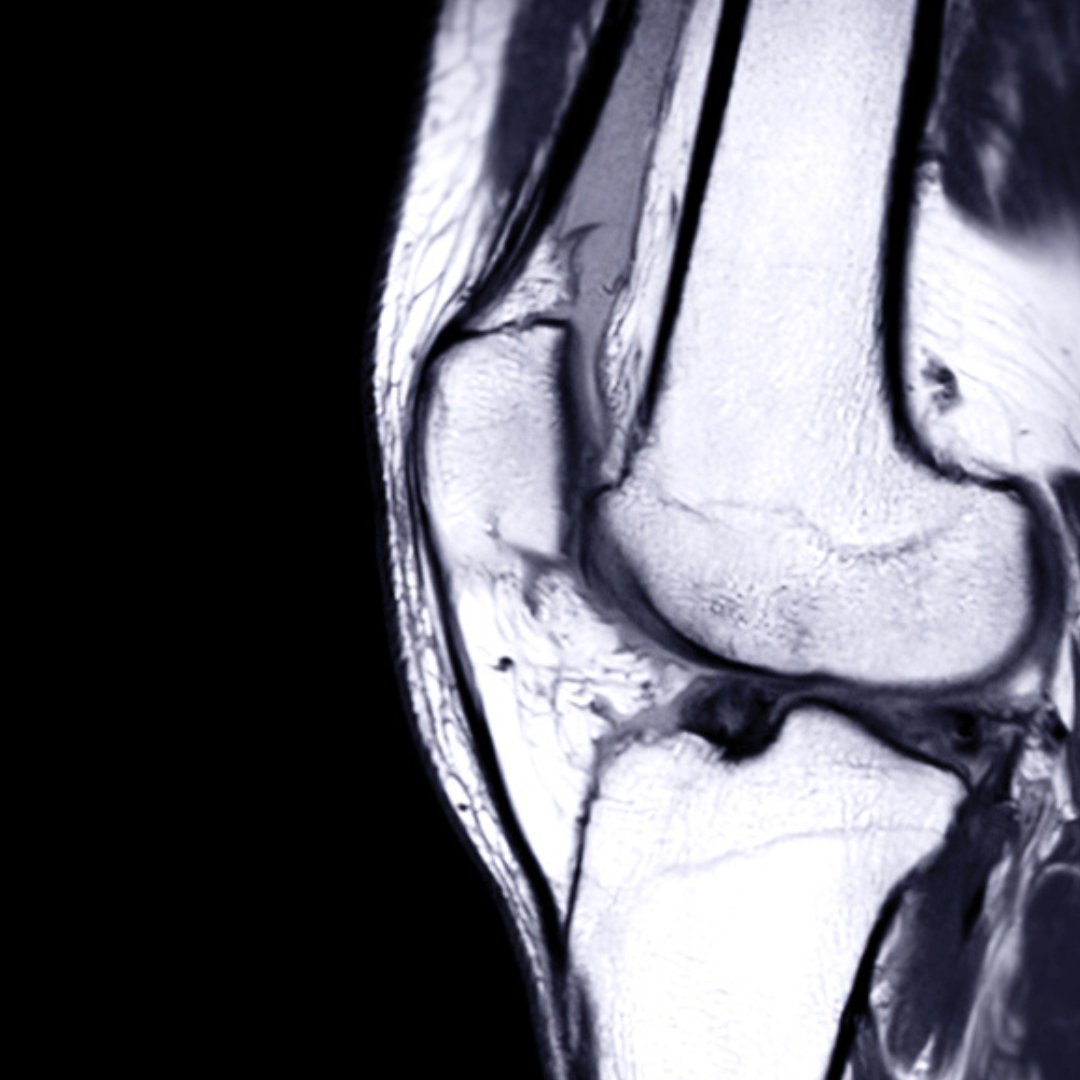
Wondering what happens to your ACL after knee replacement? Learn why it’s removed, how your implant compensates, and what it means for your recovery.
Discover the benefits of prehab before total knee replacement surgery and how a few weeks of preparation can set you up for a faster, smoother recovery.
Age shapes your knee replacement surgery recovery, but it doesn’t define it. Learn what younger and older adults can expect and how to recover faster.

The biggest mistake before knee replacement surgery? Skipping prehab. Learn how it impacts knee replacement recovery and what to do instead.