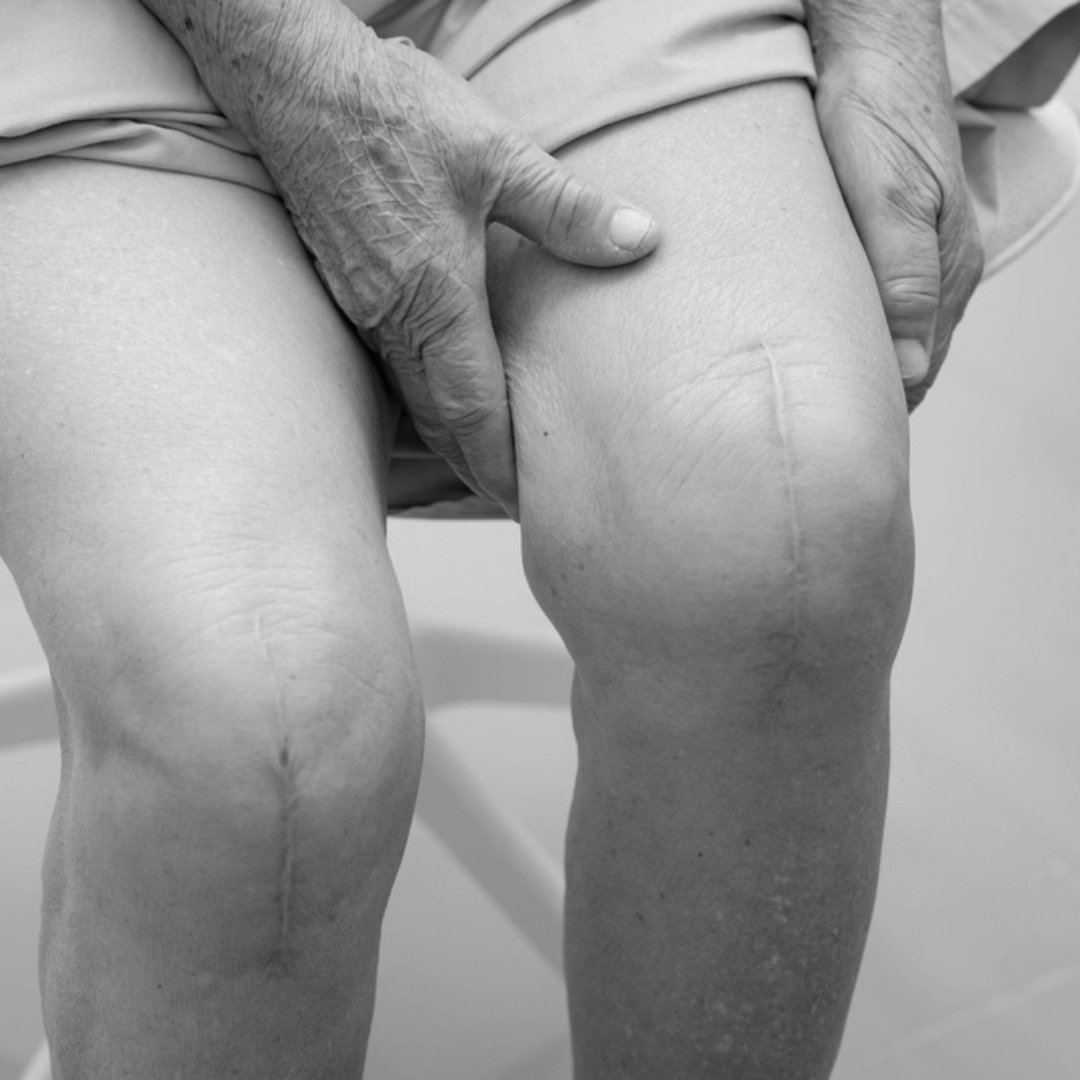
Prehabilitation Factors That Can Drive Knee Replacement Surgery Success
Prehabilitation can influence knee replacement recovery. Learn how strength, health, mindset, and planning before surgery can shape better outcomes.

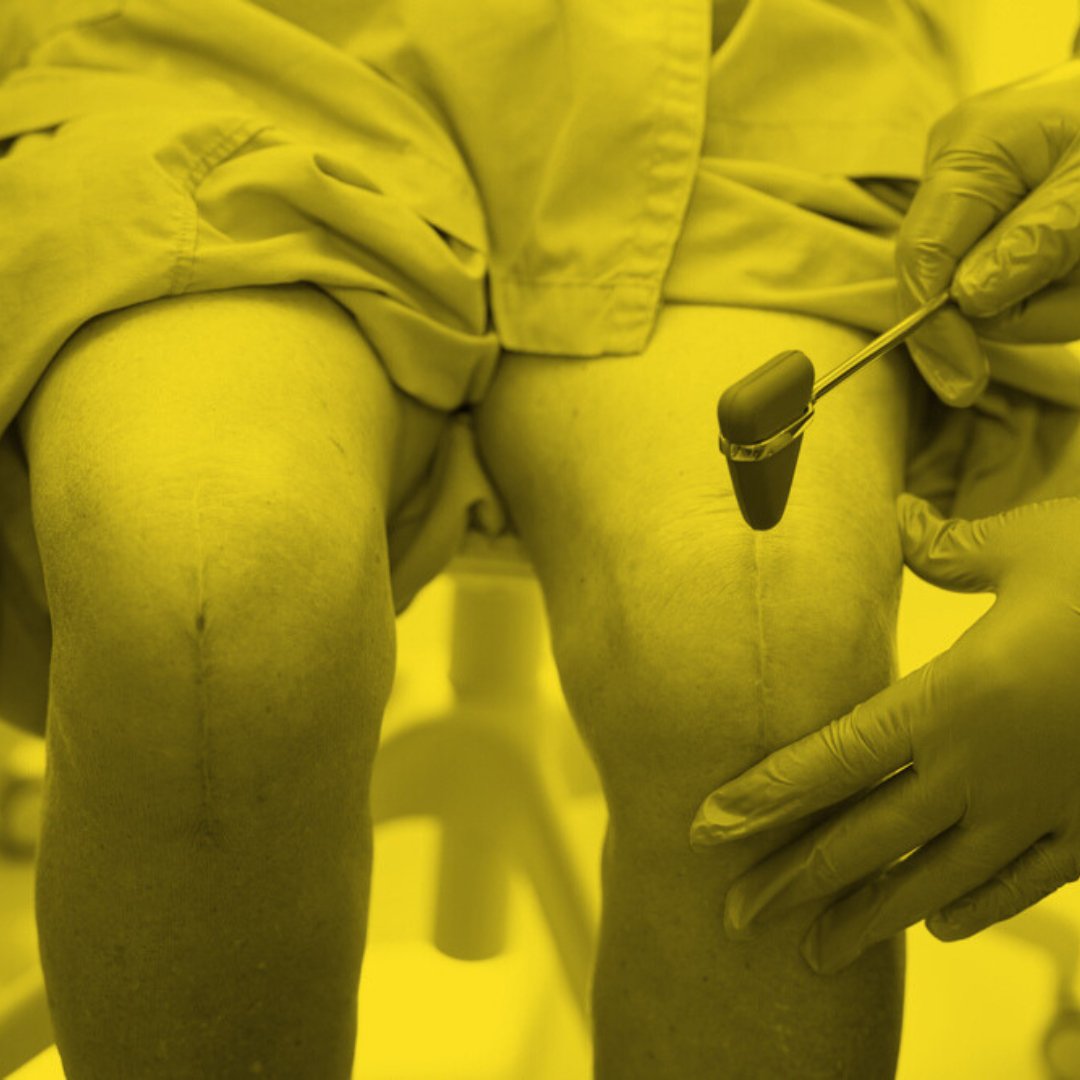
If you are preparing for total knee replacement surgery, you have probably had a conversation with your surgeon about what to expect. You might have heard things like walking the same day, returning to normal activities within a few months, or getting back to the things you love once the new joint settles in. These statements are often accurate, but they do not always capture the full experience of knee replacement recovery.
As a physical therapist who helps people through total knee replacement recovery, I have seen what the journey looks like after the surgery ends. Surgeons are focused on performing the procedure safely and successfully, and face-to-face time is often limited. The detailed day-to-day realities of knee replacement recovery sometimes do not make it into those conversations.
The truth is that the real work begins after the operation. The good news is that preparation and the right mindset can make the experience far more manageable. When you understand what is ahead, you are better equipped to move through the process with confidence and patience.
Many people believe the most difficult part of total knee replacement surgery is the operation itself. In reality, the first few weeks of knee replacement recovery can be the biggest adjustment. Your body is learning how to move with a new joint while also healing from a major procedure.
Swelling, stiffness, and limited knee motion are common during this early phase. Simple tasks like standing up from a chair or walking across the room can feel like a workout. You may notice that your knee feels different throughout the day depending on activity levels, swelling, and how much you have been moving.
Progress can feel unpredictable at first. One day your knee might bend a little farther, and the next day it may feel tight again. This is a normal part of knee replacement recovery because healing tissues and swelling can influence how your knee behaves from day to day.
Total knee replacement surgery replaces the damaged joint, but movement is what restores strength and function. Rehabilitation is the process that helps your body adapt to the new knee. This is where consistent effort begins to pay off over time.
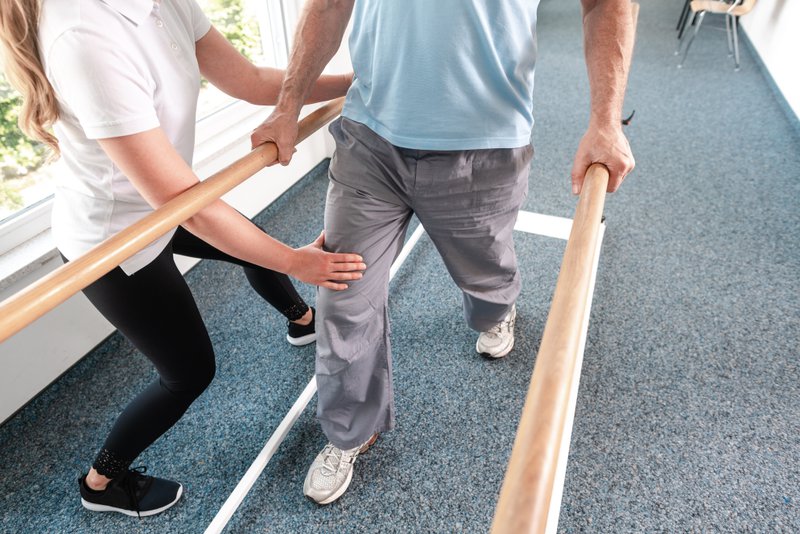
During knee replacement recovery, you will likely focus on several important rehabilitation goals:
Each of these areas helps your knee move more naturally and comfortably. While some exercises may feel challenging, they play an important role in helping the joint regain its full potential.
Many people who experience smoother knee replacement recovery share one common habit. They remain consistent with their exercises even on days when motivation is low. Think of your new knee as the foundation, while your rehabilitation work teaches the body how to use it effectively.
Sleep is something many people expect to return to normal quickly after total knee replacement surgery. However, knee replacement recovery can sometimes make nighttime rest more difficult during the early weeks. Swelling, stiffness, and finding comfortable positions in bed can interrupt your usual sleep routine.
It is common to wake up during the night because the knee feels tight or achy. Your body is still healing, and increased blood flow to the area can make sensations more noticeable when everything becomes quiet at night. Adjusting pillows, elevating the leg, or gently repositioning can help you get more comfortable.
Although this stage can feel frustrating, it usually improves as swelling decreases and your knee becomes more mobile. Most people gradually return to more normal sleep patterns as their knee replacement recovery continues.
Knee replacement recovery is not just a physical experience. The emotional side of healing is something many people do not expect. When you are working through discomfort, limited mobility, and daily rehabilitation exercises, it is natural to experience ups and downs.
Some days you may feel encouraged by progress. On other days, you may feel impatient or discouraged if things seem to move slowly. These feelings are very common because healing rarely follows a perfectly smooth path.
One helpful strategy is to celebrate small improvements along the way. These moments can include:
Recognizing these milestones helps maintain motivation and perspective. Each small gain contributes to the bigger picture of knee replacement recovery, even when progress feels gradual.
Another area that surgeons often do not have time to cover in detail is the practical side of life during knee replacement recovery. Once you return home, daily routines may require adjustments while your mobility improves. Preparing ahead of time can make this transition much smoother.
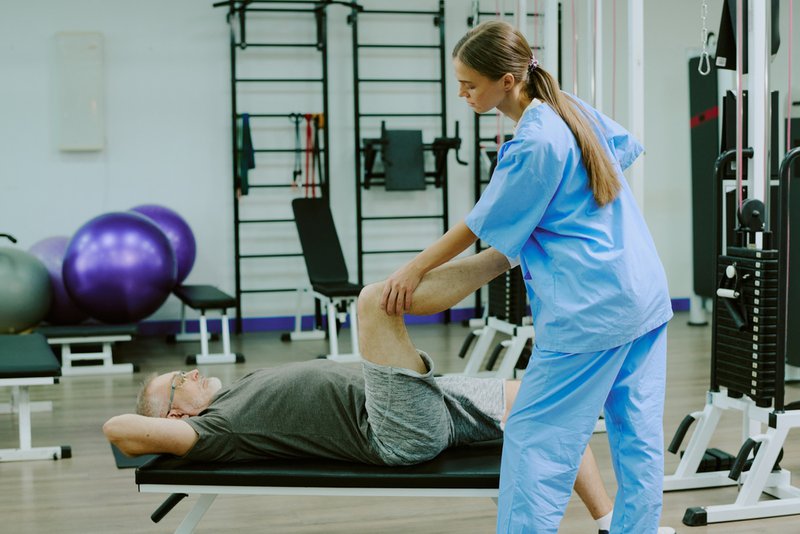
You may need to think about several logistical details before total knee replacement surgery:
These steps may seem small, but they can significantly reduce stress while you focus on healing. A little planning before surgery allows you to create an environment that supports your recovery process.
When your daily environment is organized and supportive, you can devote more energy to the rehabilitation activities that help your knee grow stronger.
One of the most powerful tools during knee replacement recovery is consistency. Rather than focusing on large leaps of progress, it helps to build simple daily habits that support healing. Over time, these small actions create meaningful improvement.
Some helpful habits may include gentle range of motion exercises, short walks throughout the day, swelling management through elevation, and strengthening work for the surrounding muscles. These activities help maintain movement while gradually rebuilding stability and confidence in your knee.
Knee replacement recovery is rarely about pushing as hard as possible. Instead, it is about showing up consistently and allowing steady progress to build over time.
Total knee replacement surgery can be a life-changing procedure, but the experience afterward depends heavily on how prepared you are for knee replacement recovery. Strengthening the body, learning about rehabilitation, and preparing mentally can make the entire journey feel more manageable.
Remember, your physical condition, mental state, emotional readiness, and daily habits all play an important role in shaping your experience. When you enter total knee replacement surgery prepared in these areas, you give yourself a stronger starting point for the work that follows. Good luck on your knee journey!
Good knees start here. Don’t miss a step, subscribe to KneeMail for free tips from knee expert Shehla Rooney, PT!
Prehabilitation can influence knee replacement recovery. Learn how strength, health, mindset, and planning before surgery can shape better outcomes.

Preparing for knee replacement surgery means strengthening the body, improving mobility, optimizing overall health, and preparing the home environment before surgery. This process, often called prehabilitation, helps make knee replacement recovery smoother and more efficient.
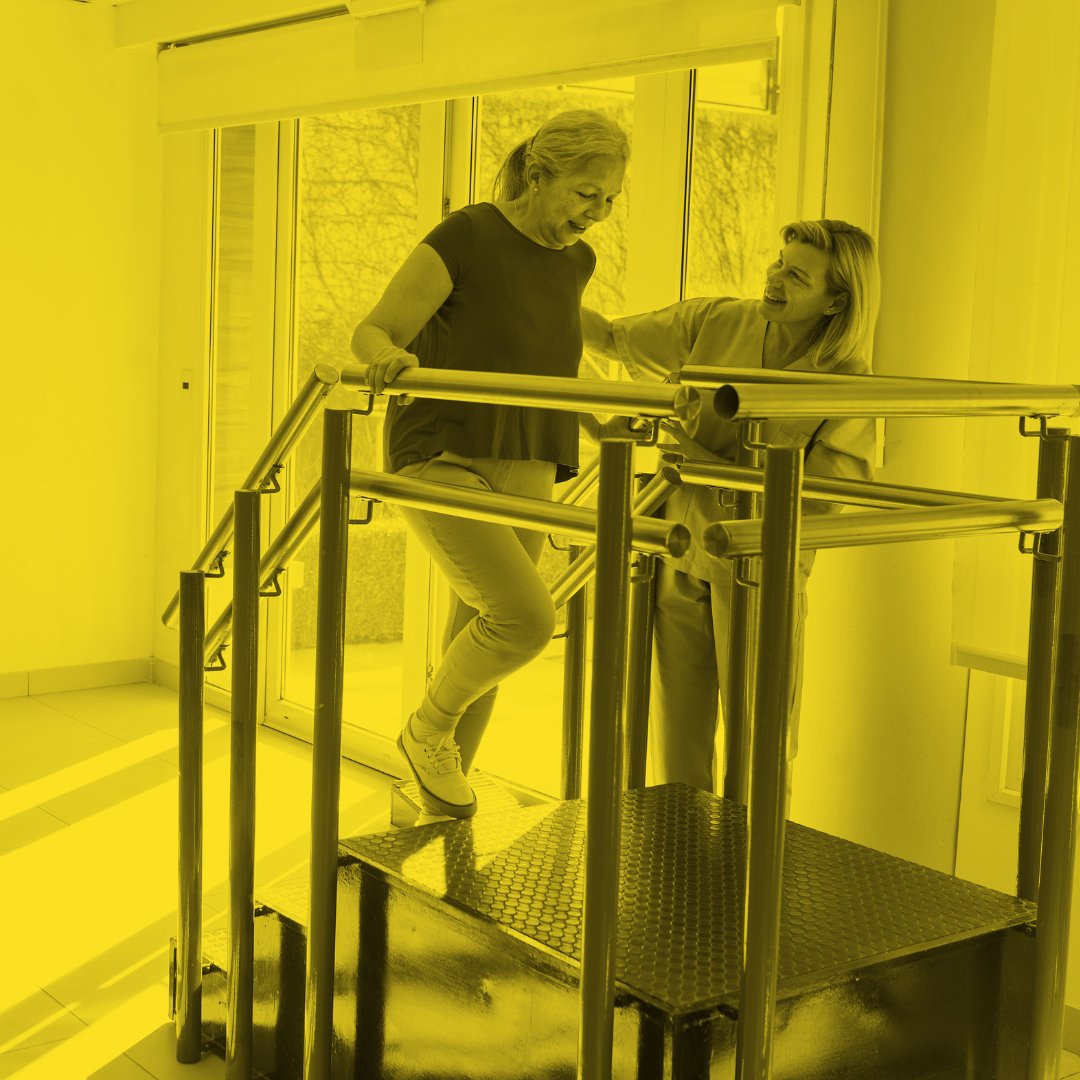
Knee replacement surgery recovery moves faster with the right plan. Learn how strength, consistency, and guidance support better healing.

Gardening after knee replacement is often possible with the right timing and movement strategies. Learn how yard work fits into recovery.
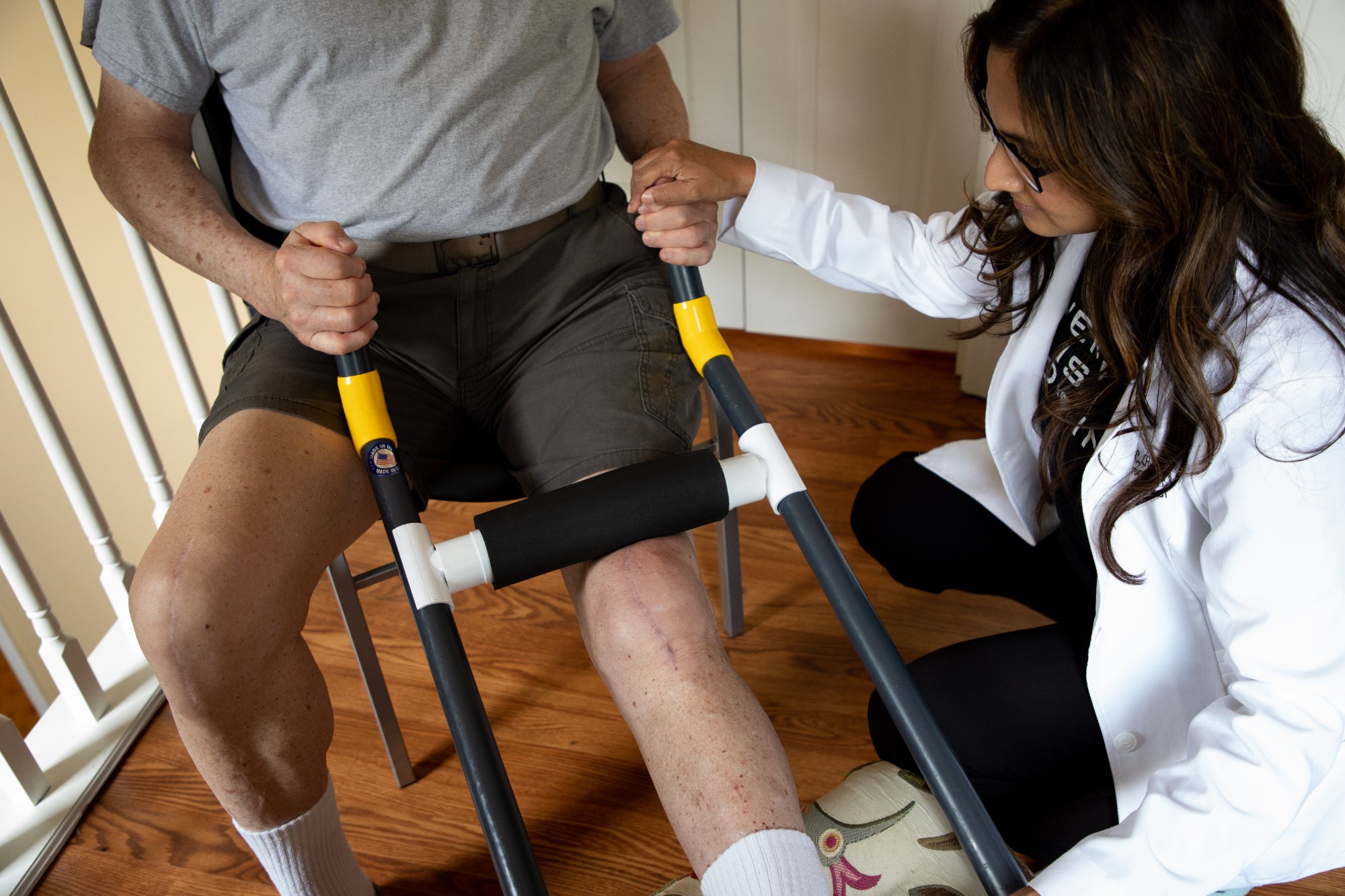
Exercises for stiff knee after knee replacement surgery can improve motion and reduce tightness. Learn simple movements that support daily progress.