What’s Missing in Many Knee Replacement Recovery Plans?
Physical therapy alone isn’t always enough. Discover what’s missing from knee replacement surgery rehab, from nutrition to prehab, for a fuller recovery.

If you love gardening or taking care of your yard, knee replacement surgery can bring up a very specific worry. You may wonder whether kneeling, squatting, lifting, and uneven ground will ever feel safe again. For many people, gardening is not just a chore. It is a source of joy, routine, and stress relief.
The reassuring news is that gardening after knee replacement is absolutely possible. It simply requires timing, awareness, and a few smart adjustments during knee replacement recovery. As a physical therapist who works closely with people returning to everyday activities, I want to help you understand what is safe, what to modify, and how to protect your knee while doing the work you enjoy.
Gardening combines several movements that can feel intimidating after knee replacement surgery. Getting up and down from the ground, twisting, lifting bags of soil, and working on uneven surfaces all place demands on your knees.
Early in knee replacement recovery, swelling, stiffness, and muscle weakness can make these movements feel awkward or tiring. Even if pain is improving, confidence often lags behind physical healing.
Understanding why gardening feels hard at first helps you approach it with patience rather than frustration. Your knee is learning how to move again in real-world situations.
There is no single calendar date when gardening suddenly becomes safe. Gardening after knee replacement depends on how well your knee tolerates daily activities such as walking, standing, and bending.
For many people, light yard work becomes more comfortable once swelling is better controlled and basic strength has returned. This often happens gradually rather than all at once.
Starting small and building tolerance is far more effective than jumping back into a full afternoon of yard work. Your knee responds best when activity is introduced in manageable doses.
When returning to gardening after knee replacement, upright tasks are usually the easiest place to begin. These activities keep your knee in a more neutral position and reduce stress on the joint.
Examples of upright gardening tasks include:
These tasks allow you to stay active without excessive bending or kneeling. They also help rebuild endurance in a controlled way.
Kneeling is one of the most common concerns with gardening after knee replacement. While kneeling is not harmful to the mechanical knee itself, it can feel uncomfortable or awkward, especially early on.
If you choose to kneel, using thick padding, a garden kneeler, or knee cushions can make a significant difference. Many people prefer kneeling on the non-operated side while keeping the replaced knee supported.
Squatting deeply may feel more challenging than kneeling. If squatting causes strain or instability, it is best to modify the task or use tools that bring the work closer to you.
One of the easiest ways to make gardening after knee replacement more comfortable is to let tools do more of the work. Long-handled tools reduce the need for bending and squatting.
Wheelbarrows, garden carts, and rolling stools help limit lifting and carrying. Raised planters and vertical gardens also reduce how often you need to get up and down from the ground.
These adaptations do not mean you are weak or limited. They are practical strategies that protect your knee and allow you to garden longer and more comfortably.
Your knee often gives feedback after activity rather than during it. Increased swelling, stiffness, or soreness later in the day or the next morning may signal that the workload was too much.
This does not mean gardening is off-limits. It simply means the activity needs to be adjusted. Shorter sessions, more frequent breaks, or alternating tasks can make a big difference.
Learning how your knee responds helps you find the right balance between staying active and allowing proper knee replacement recovery.
Big yard projects can be tempting, especially if you are eager to return to normal routines. However, tackling everything at once often leads to setbacks.
Breaking tasks into smaller chunks allows your knee to adapt gradually. Resting between activities gives swelling time to settle and muscles time to recover.
Consistency over time is more effective than occasional long days of yard work. Your knee benefits from steady exposure rather than sudden overload.
Let me use an analogy: If my goal were to run a marathon, I wouldn’t run 10 miles just once a week. Instead, I’d start with shorter distances more frequently, like 2 miles every other day. For the avid runners reading this, if the analogy isn’t perfect, it’s because I’ve never trained for a marathon, and honestly don’t plan to, but it still makes the point!
Gardening after knee replacement becomes easier as strength and mobility improve. Strong leg muscles help with lifting, standing, and balance, while good mobility allows smoother transitions from the ground.
Exercises that support knee replacement recovery also support gardening. The better your knee moves during everyday tasks, the more confident you will feel outside in the yard. Rehab is not separate from real life. It prepares you to return to the activities that matter most to you.
Gardening after knee replacement does not require choosing between protecting your knee and enjoying time outdoors. It requires learning how to reintroduce movement in a way that respects where your knee is right now, not where you wish it were.
Small adjustments in how you kneel, lift, and pace your work allow your knee to adapt without unnecessary strain. Over time, those adjustments become habits, and gardening begins to feel more natural again. Paying attention to how your knee responds, especially later in the day, helps you decide when to do more and when to ease back.
Yard work can be part of knee replacement recovery when it is approached with patience and intention. With gradual exposure and the right movement strategies, many people find they can return to gardening while continuing to protect the long-term health of their knees. Good luck on your knee journey!
Good knees start here. Don’t miss a step, subscribe to KneeMail for free tips from knee expert Shehla Rooney, PT!
Physical therapy alone isn’t always enough. Discover what’s missing from knee replacement surgery rehab, from nutrition to prehab, for a fuller recovery.
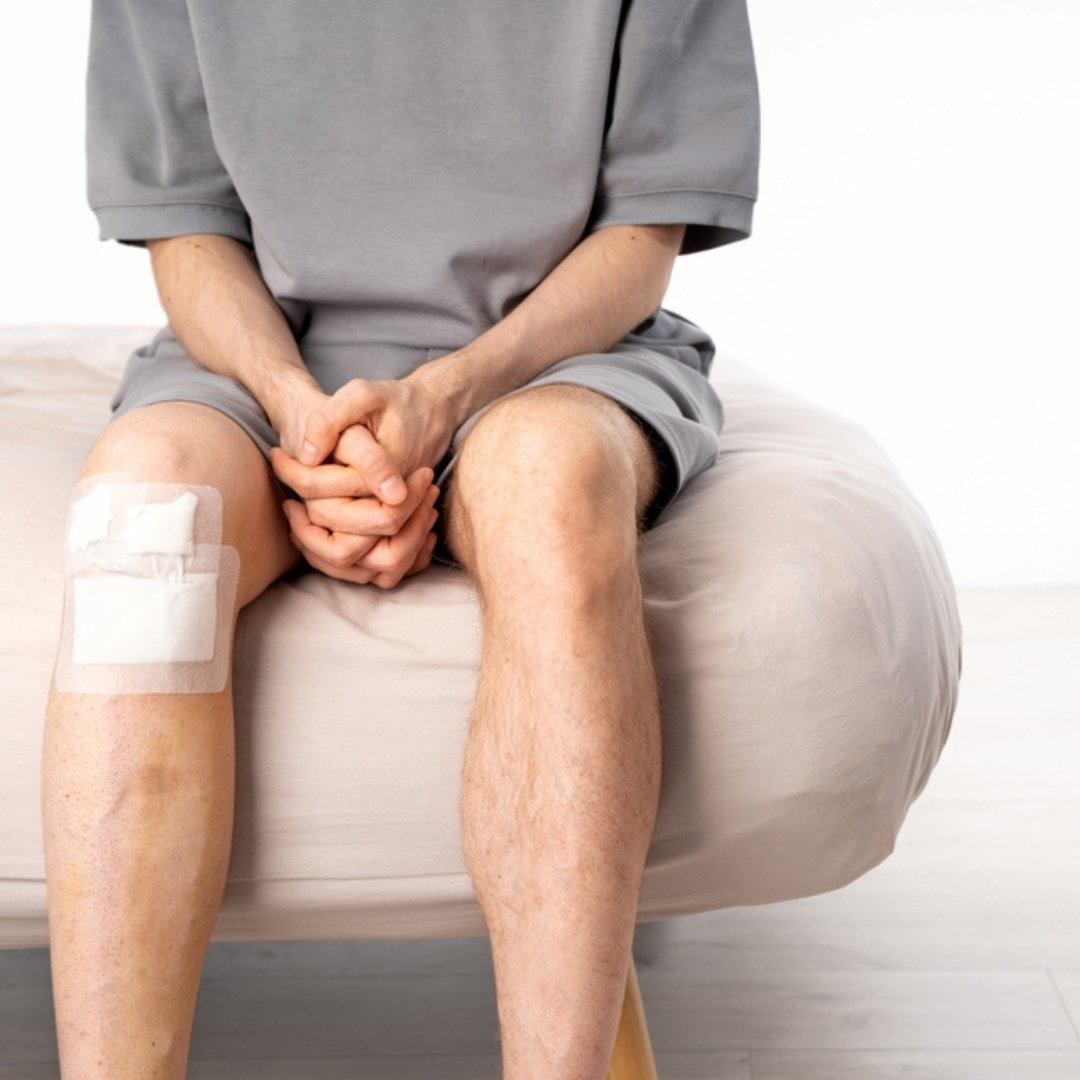
A successful knee replacement surgery doesn’t always feel like one. Here’s why regret happens and how strengthening prep changes the outcome.

Wondering if knee replacement surgery is worth it? Here’s what to weigh by age, from real benefits to recovery realities, before deciding.

Knee replacement surgery recovery doesn’t have to happen in a clinic. Discover why home-based prehab and posthab programs are changing outcomes for the better.
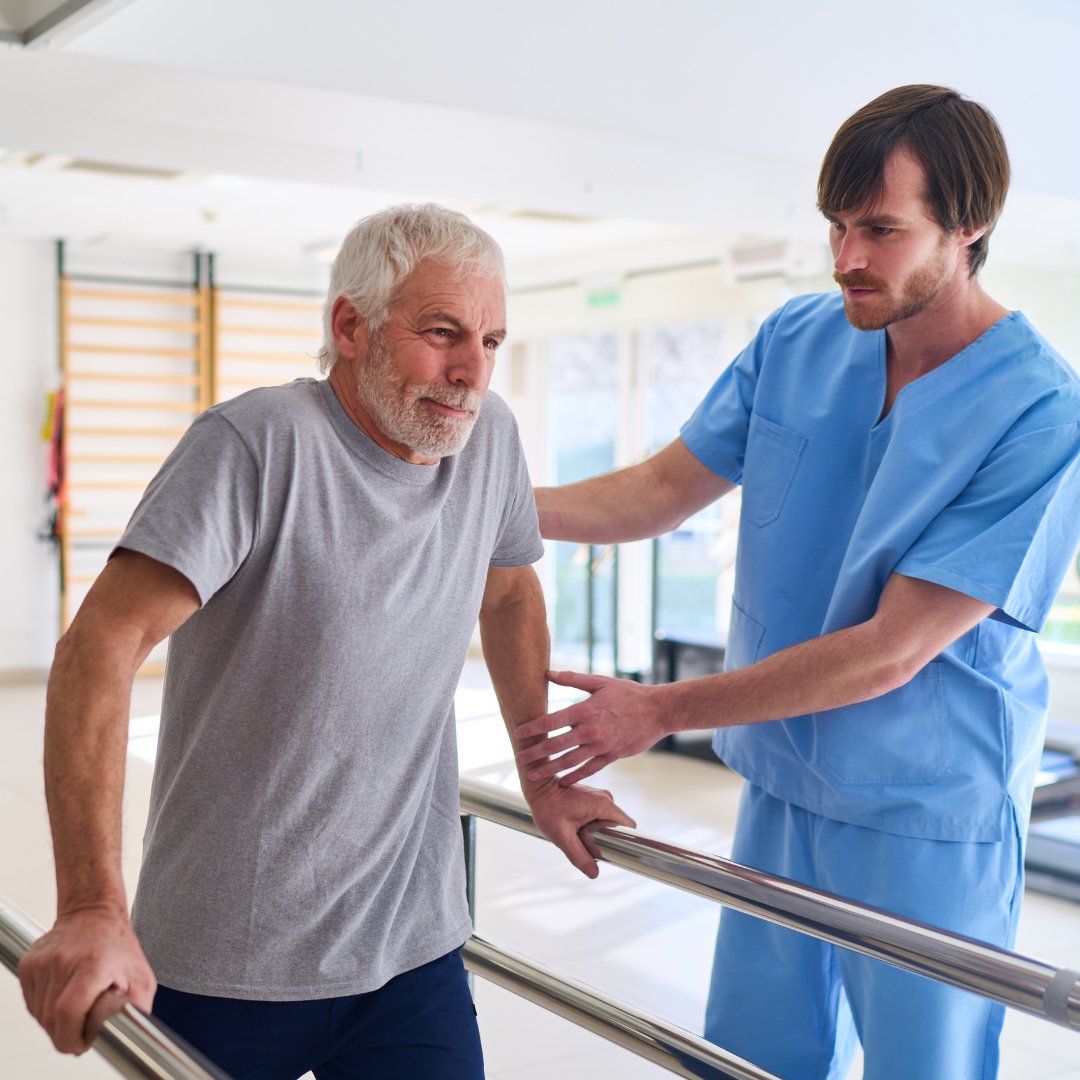
Physical therapy is essential after total knee replacement surgery, but it’s only one piece. Here’s what else drives a faster, fuller recovery at home.