How Muscle Strength Affects Your Recovery from Knee Replacement
Learn how muscle strength before surgery can improve recovery from knee replacement and help support mobility, stability, and easier rehabilitation afterward.

Are there permanent restrictions after knee replacement surgery? This is one of the most common questions I hear before and after total knee replacement surgery, and it’s a fair one. You want to know what life will look like on the other side and whether your new knee comes with a permanent rulebook.
Here’s the honest, science-backed answer. Most people do not have strict permanent restrictions after knee replacement surgery. Many return to active, fulfilling lives that feel far better than what they experienced before surgery, especially when pain limited movement before.
As a physical therapist who works with people every day through knee replacement recovery, my goal is to help you move forward with clarity instead of fear. Let’s break down what “restrictions” really mean, which activities may need to change, and why smart rehab plays such a big role in what you’re able to do long term.
Before knee replacement surgery, pain often forces you to stop doing the things you enjoy. Walking hurts, stairs feel intimidating, and hobbies disappear quietly over time.
It’s natural to worry that surgery simply replaces one set of limitations with another. Many people want reassurance that the effort of surgery and rehab leads to more freedom, not less.
One of the most important things to understand about restrictions after knee replacement surgery is that they are not one-size-fits-all. Your age, bone quality, activity history, body mechanics, implant design, and rehab consistency all influence what your knee can tolerate.
Some people hike, cycle, garden, and travel comfortably for years. Others prefer gentler movement and feel great doing so, and both outcomes can represent a successful result.
The key is matching your activities to how your knee responds. Forcing your body into someone else’s timeline or expectations often leads to frustration rather than progress.

While most daily activities are encouraged, high-impact movements place repeated stress on the mechanical components of the knee. Over time, that stress can accelerate wear of the joint surfaces.
Activities that involve jumping, hard landings, or rapid direction changes create forces that are very different from walking or cycling. Even if your knee feels strong, the materials inside the joint still experience cumulative load.
This does not mean one wrong step ruins your knee. It means repeated, high-impact stress over the years can shorten the lifespan of the replacement.
Most surgeons and therapists agree on a general list of activities that are usually limited after knee replacement surgery. These recommendations focus on long-term joint protection rather than fear or fragility.
High-impact activities often discouraged include:
Avoiding or limiting these activities reduces repetitive force through the joint. This approach helps lower the risk of loosening, early wear, or mechanical complications over time. I’m not saying you can’t perform these activities. However, they can reduce the lifespan of the implant, so I strongly encourage you to discuss your plans with your surgeon if you intend to continue them after surgery.
Low-impact movement supports joint health, muscle strength, and confidence. Many people are pleasantly surprised by how much they can do after knee replacement surgery when movement is introduced progressively.
Activities commonly encouraged include:
These activities load the knee in a controlled way. They help maintain long-term function without placing excessive stress on the mechanical components.

When people hear the word permanent, they often imagine a rigid list of rules that never change. In reality, restrictions after knee replacement surgery function more like guardrails than hard limits.
You may choose to avoid certain activities not because you can’t do them, but because you want your knee to last as long as possible. Many knee replacement implants are designed to function well for decades when cared for thoughtfully.
One of the biggest factors in whether you feel limited after knee replacement surgery is the quality and consistency of your rehab. Strength, mobility, balance, and confidence all develop through guided movement.
When rehab is rushed, skipped, too aggressive or inconsistent, everyday activities can feel harder than they should. When rehab is structured and progressive, your knee learns how to handle load safely and predictably. This is where many people realize that limits are not always imposed by the knee itself. Often, they are shaped by how prepared the body is to move.
If you want support that brings structure and clarity to knee replacement recovery, GoKnee offers a proven approach that is clinically shown to facilitate an efficient knee recovery following knee replacement. It combines prehab, post-operative exercises, and long-term maintenance to help you move forward safely and confidently.
Remember, understanding which activities protect your knee, and why, allows you to make informed choices instead of fearful ones. With the right guidance, you can stay active, strong, and confident for years to come. Good luck on your knee journey!
Good knees start here. Don’t miss a step, subscribe to KneeMail for free tips from knee expert Shehla Rooney, PT!
Learn how muscle strength before surgery can improve recovery from knee replacement and help support mobility, stability, and easier rehabilitation afterward.
Physical therapy after knee replacement can happen at home or in a clinic. Learn how both approaches compare for mobility, strength, and knee replacement recovery.
Prehabilitation can influence knee replacement recovery. Learn how strength, health, mindset, and planning before surgery can shape better outcomes.
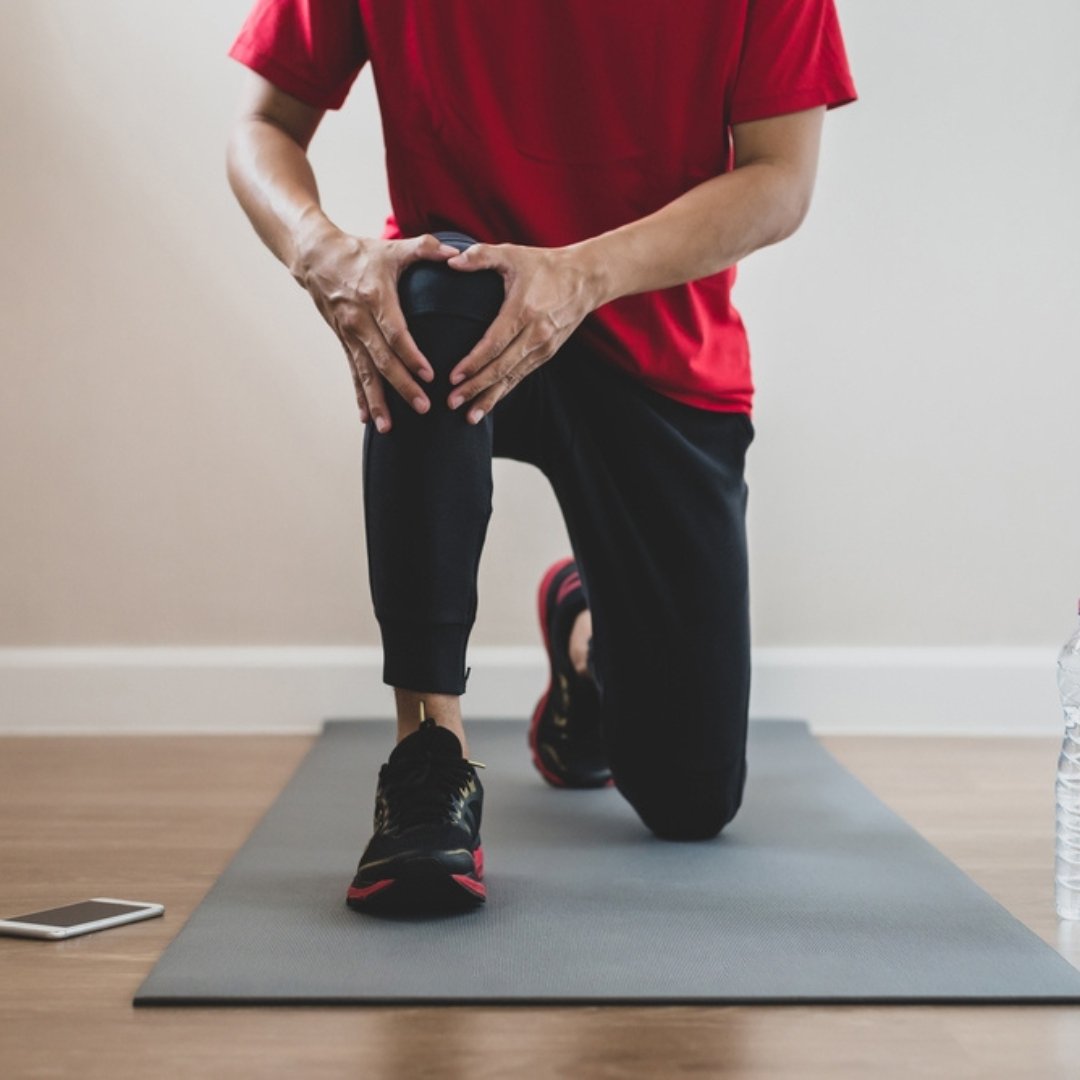
Preparing for knee replacement surgery means strengthening the body, improving mobility, optimizing overall health, and preparing the home environment before surgery. This process, often called prehabilitation, helps make knee replacement recovery smoother and more efficient.
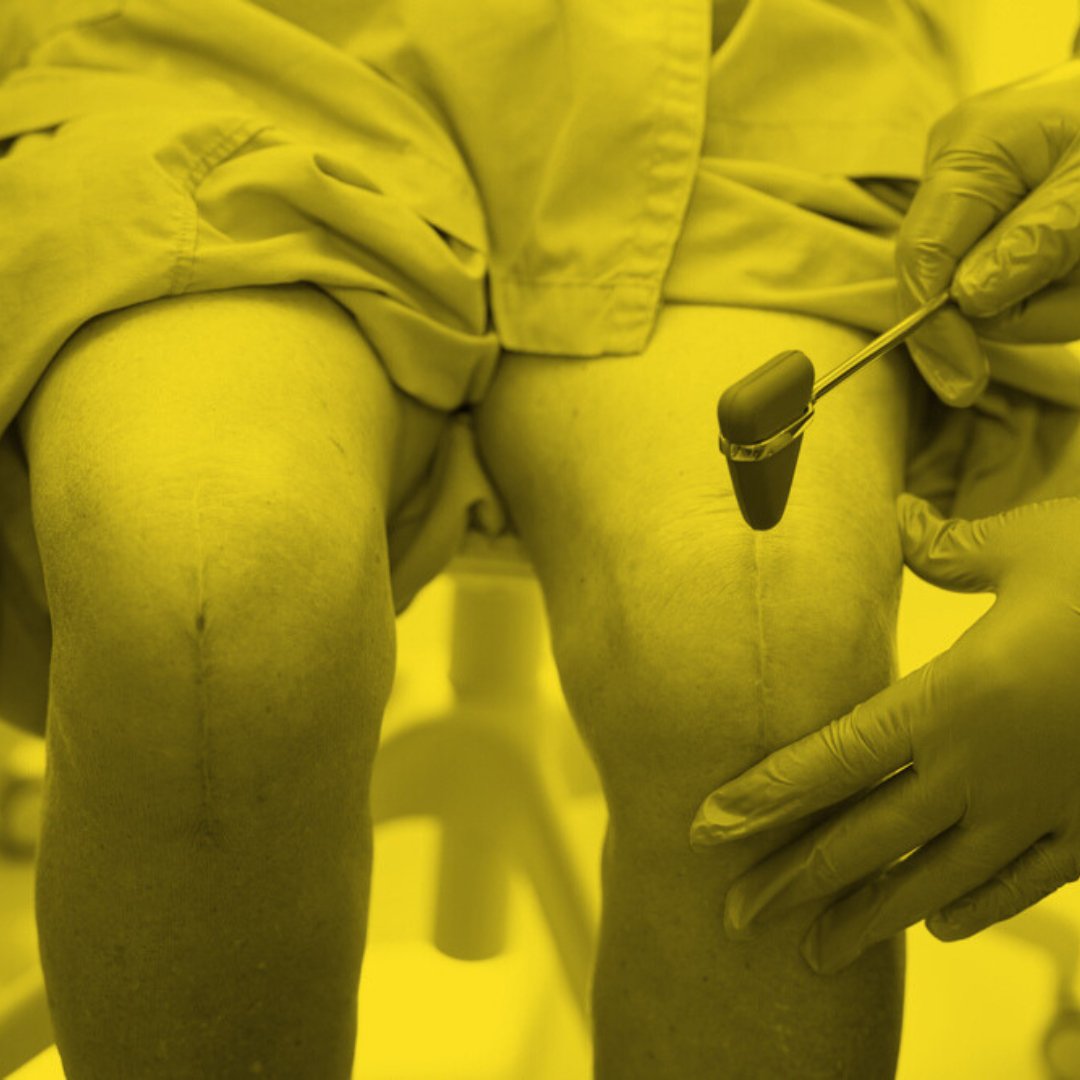
Knee replacement recovery involves more than surgery. Learn what surgeons often don’t have time to explain about rehab, challenges, and preparation.