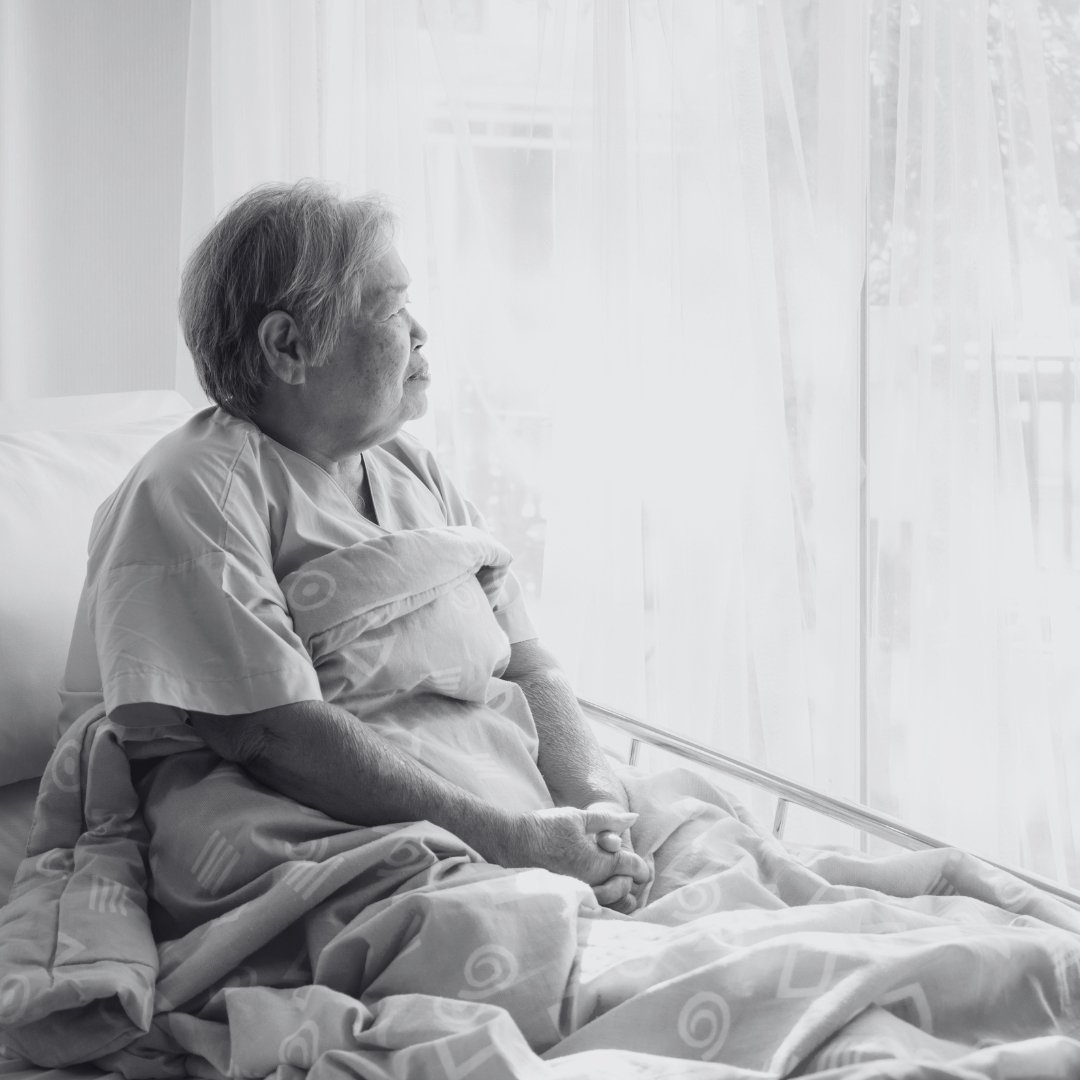
Knee Replacement Recovery Isn’t Just Physical: What to Expect Emotionally
Knee replacement recovery is not just physical. Learn what to expect emotionally and how to make the process easier from start to finish.

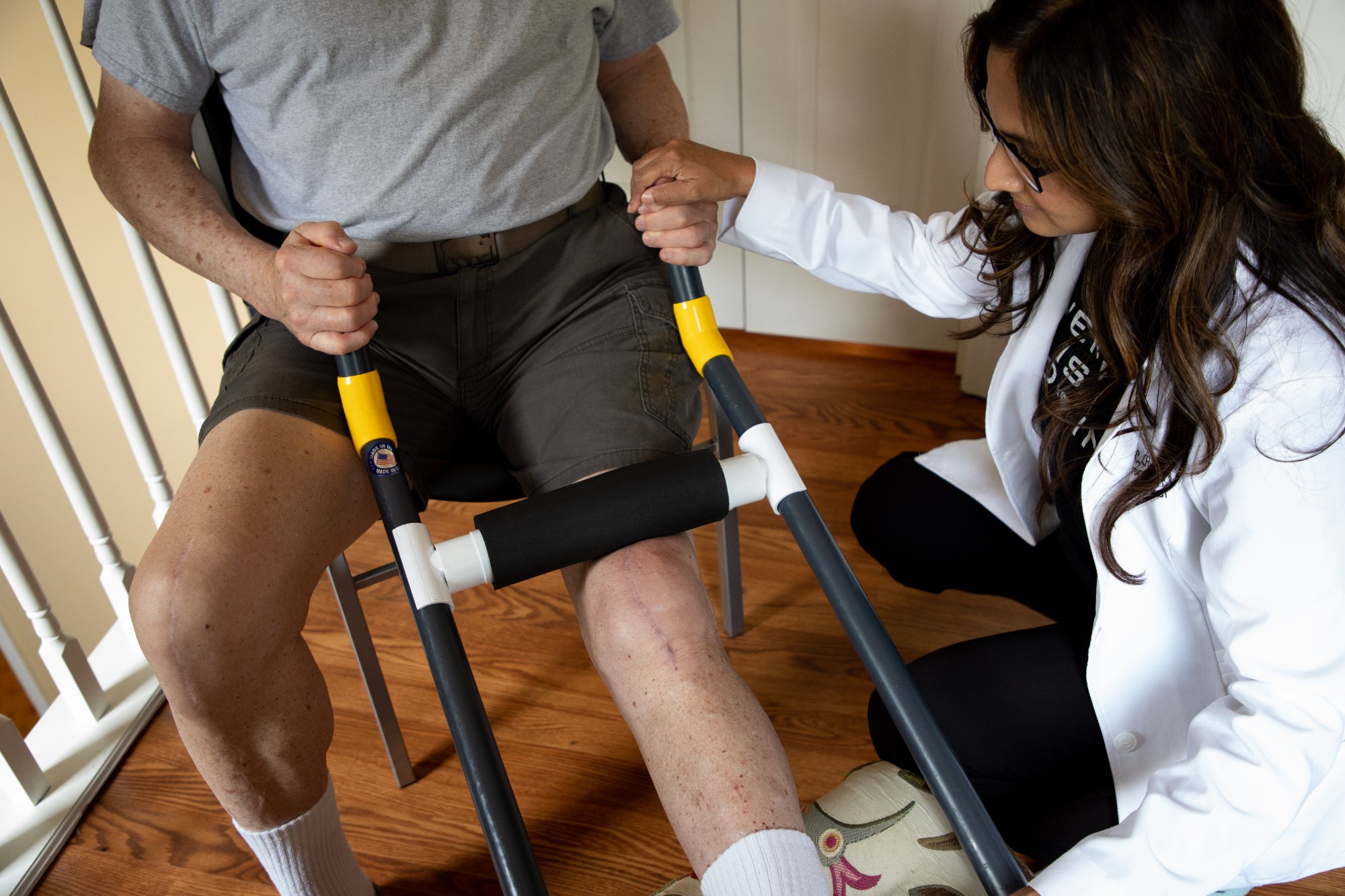
Stiffness after knee replacement surgery is one of the most common frustrations, even as pain improves. It does not mean your knee is failing; it usually reflects healing tissue, swelling, and your body learning to move again. The right exercises for a stiff knee help restore motion, improve circulation, and rebuild confidence without overloading the joint.
For those of you who don’t already know, I was one of the physical therapists who created GoKnee. It started with a simple device and evolved into a fully functional knee-recovery program used around the world. One of GoKnee’s claims to fame is its effective management of ‘stiff knees’.
This blog summarizes how GoKnee addresses stiffness after total knee replacement (TKR) surgery. The program focuses on restoring both bending (flexion) and straightening (extension), improving muscle activation, and helping your brain and joints work together more effectively. By emphasizing controlled, progressive movement, GoKnee helps reduce stiffness, decrease swelling, and rebuild confidence in your knee without placing unnecessary strain on healing tissues.
Consistent, guided movement is key. Gradually challenging your knee with controlled exercises reduces stiffness and supports long-term function.
Before targeted exercises, a gentle warm-up is essential. It increases circulation, prepares tissues for movement, and helps your brain trust your joint, reducing protective tension.
Your warm-up can be functional exercises, such as a few minutes of walking or weight shifts while standing, or it can be gentle bending and straightening of your knee in a seated or lying position within a comfortable range of motion.
Mild discomfort or tightness is expected during the warm-up, but the movement should not be painful. The goal is familiarity and fluid motion, preparing your knee for the exercises that follow.
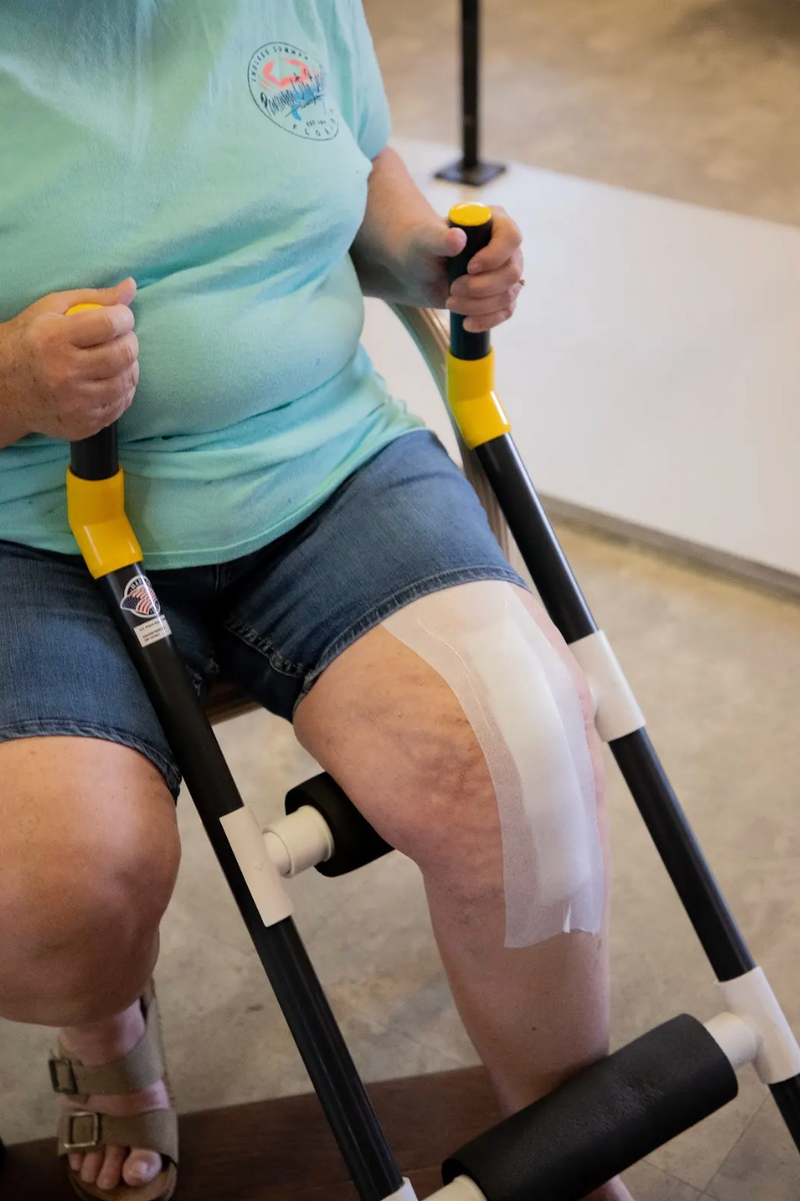
Flexion exercises target knee bending, which is often limited by swelling, pain, and/or tight muscles. Improving flexion is essential for daily activities like sitting, climbing stairs, and getting in and out of a car.
GoKnee’s Program starts with static stretching with the knee bent. The placement of the horizontal pads on our patented device creates torque at the knee that discourages compensatory or “cheating” motions, keeping the motion targeted and specific. Because your hands are on the handles, they control how intense the stretch is, giving you full control over how much discomfort you tolerate.
I find that patients tolerate stretching with our GoKnee device much better than they tolerate my hands on their post-surgical knee… probably because they trust their hands more than mine.
Gentle stretching encourages the tissues around the knee to lengthen without forcing motion. Movements are slow and controlled, with a gradual increase in bend over time. Stretching helps reduce tightness, lubricates the joint, and encourages the brain to accept a greater range of motion.
GoKnee’s Program is then followed by strengthening with the knee flexed. Our strengthening program uses isometrics, specifically progressive angular isometric loading exercises. This is simply a fancy way of saying we challenge your quadriceps to work through different degrees of knee bending. This simulates what our knee does during everyday tasks, such as getting up from a low chair or climbing stairs.
Isometric exercises are better tolerated because they require very little actual movement at the knee joint. Think of a ‘wall sit’, which requires your body to be held in a static position while working leg muscles. GoKnee’s strengthening exercises use these principles, which are not only effective for building strength but also help control edema through repeated muscle contraction and relaxation.
Stronger muscles reduce stiffness and improve functional use. These exercises gradually increase the knee’s ability to flex under controlled load, supporting both recovery and everyday movement.
Next, GoKnee’s program focuses on knee extension exercises. A straight knee is critical for walking without a limp, standing for longer periods, and ensuring your quadriceps work optimally.
Performing sustained static stretching into full extension gently encourages tissues to relax and regain proper length. Consistency is more important than intensity; repeated practice throughout the day promotes gradual improvement. Getting the knee fully straight as quickly as possible is key and should be a focus early on in your rehab.
Did you also know that sustained stretching helps with scar tissue management, so it is important to hold your stretches for extended periods of time. We recommend 2 minutes. Less scar tissue, less stiffness. Less chance of MUA.
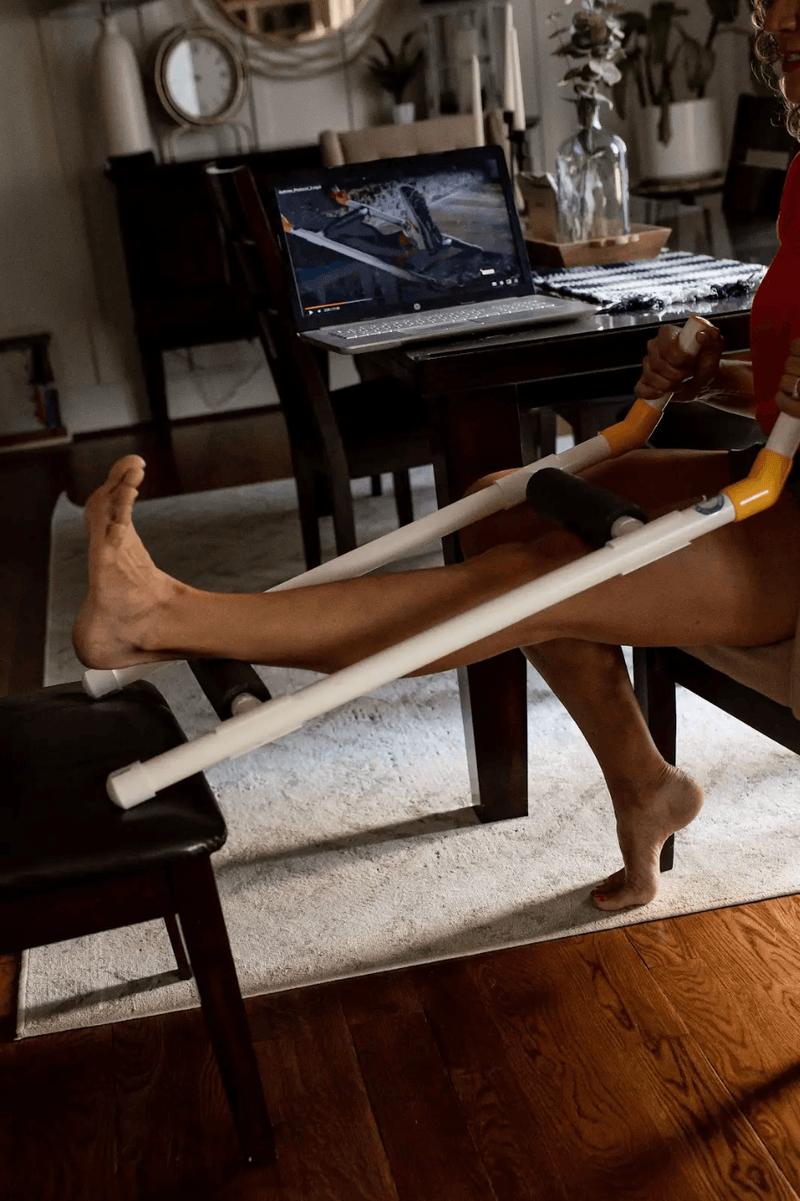
GoKnee’s extension strengthening program uses isometrics that incorporate the hamstrings while also encouraging terminal knee extension, both of which are very important for stabilizing the knee and achieving optimal functional outcomes. Controlled, repeated contractions followed by active movement reinforce stability, while helping to reduce swelling and stiffness.
GoKnee’s device was uniquely designed to mimic where your therapist would place their hands, minimizing compensatory movements or ‘cheating’ and ensuring that movements are isolated and effective. Meaning, the top pad of the device prevents the thigh from lifting during knee straightening exercises, which I have commonly seen in the clinic when patients perform straight-leg raises or short-arc quad exercises.
Patients never intend to ‘cheat’ during the exercises, but it is so common. But then, when we place our hands on their painful, swollen knee to reduce ‘cheating’ or compensation, their muscles tend to tighten and resist because they don’t trust our hands on their post-surgical joint, reducing the effectiveness of the exercises.
The most important factor in managing stiffness is consistency. Moving your knee regularly throughout the day, within a comfortable range, keeps tissues flexible and muscles active. Controlled repetition builds confidence in the joint and reduces the tendency to tighten muscles out of fear of discomfort.
Daily practice does not mean pushing through pain. Gradual, controlled movements are more effective than occasional, intense sessions, which also tend to increase swelling and stiffness (which is the opposite of what we want). Consistent stretching, strengthening, and muscle control provide the best outcomes.
By consistency, I mean, it is more important what you do at home every day than what you do in the PT clinic 2 or 3 times a week.
Stiffness can fluctuate during recovery. It is a bit like Goldilocks. Too much activity can increase swelling. Too little can increase stiffness. The goal is finding what’s “just right”. Persistent stiffness often benefits from structured guidance and progressive exercises, but at a level that you can tolerate.
Recovery is not only about exercise. Swelling management, proper positioning, and gentle activity all contribute to reduced stiffness. Consistently practicing supportive habits such as elevating your knee, avoiding prolonged inactivity, and maintaining a balanced diet can enhance the benefits of your exercises.
Structured rehabilitation programs, like GoKnee, that incorporate advanced movement techniques help guide safe progression because you are in control of how hard you stretch your knee. GoKnee emphasizes movement quality, controlled range of motion, and gradual strengthening, which are essential for overcoming persistent stiffness.
Stiffness after knee replacement is common but manageable. Targeted exercises for flexion and extension, combined with strengthening and muscle control, restore motion, reduce swelling, and improve functional use. Consistency is key; gradual, controlled movement provides the safest and most effective path to recovery.
Structured rehabilitation programs that integrate advanced techniques are particularly useful for persistent stiffness. While progress may be gradual, with consistent practice, your knee can regain strength, motion, and confidence.
Explore GoKnee’s guided rehabilitation program to incorporate structured exercises for flexion, extension, strength, and control. With regular practice, you can safely manage stiffness and improve functional recovery. Good luck on your knee journey and say good-bye to stiff knees!
Good knees start here. Don’t miss a step, subscribe to KneeMail for free tips from knee expert Shehla Rooney, PT!
Knee replacement recovery is not just physical. Learn what to expect emotionally and how to make the process easier from start to finish.
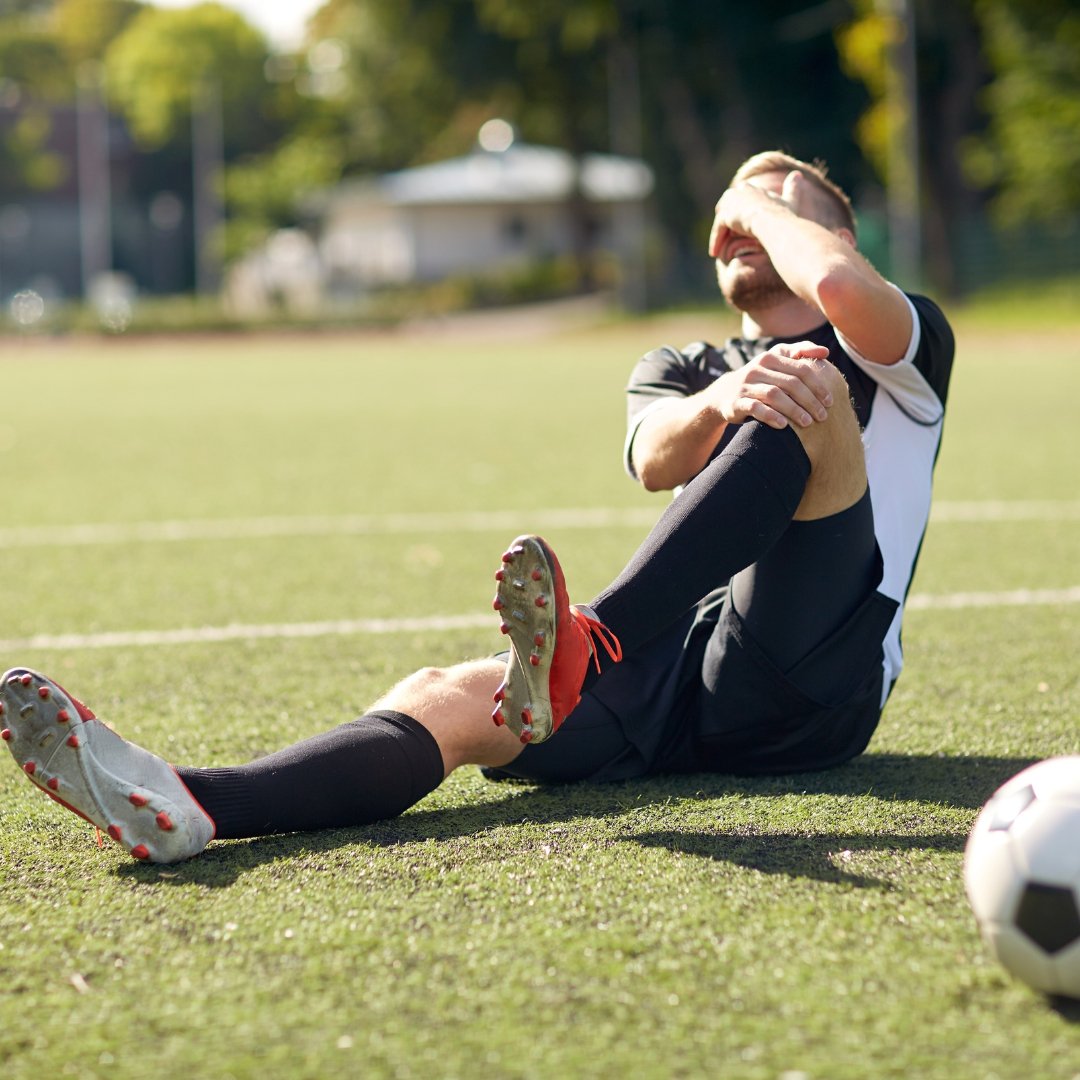
ACL surgery can raise arthritis risk over time, but it doesn’t guarantee knee replacement. Learn how to protect your knee long term.
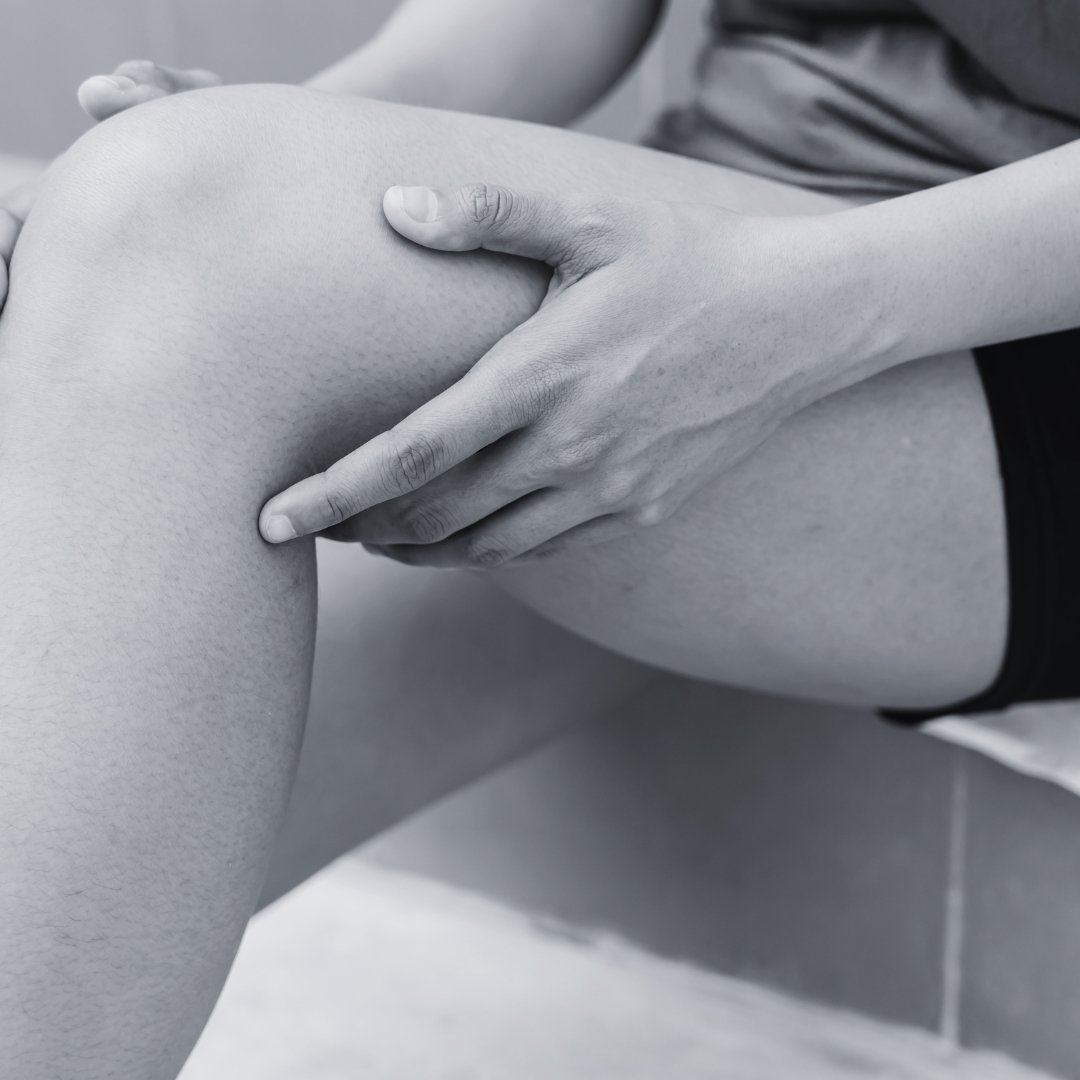
Prehab before knee replacement builds strength and confidence, but it works best alongside rehab for a smoother recovery.
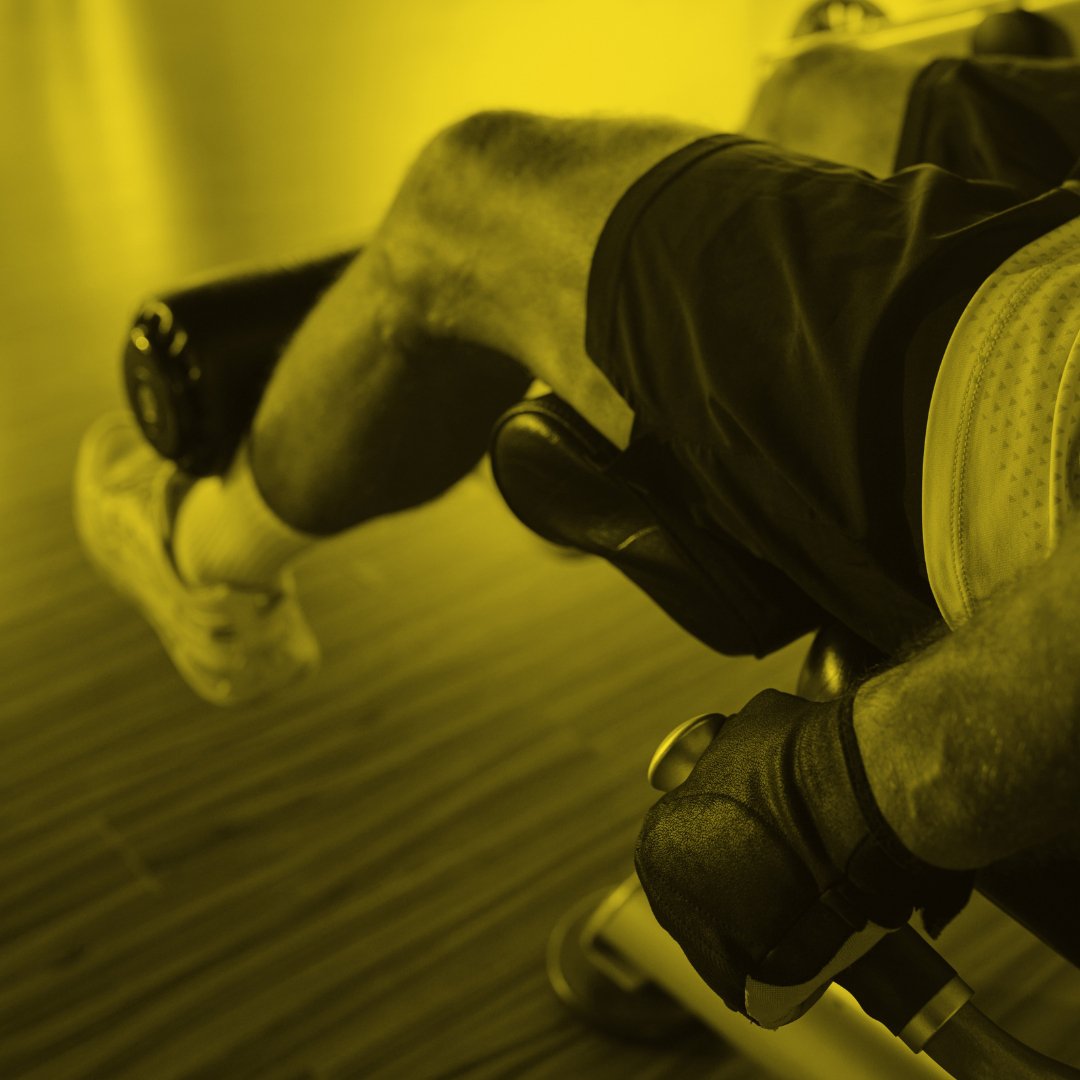
Learn how muscle strength before surgery can improve recovery from knee replacement and help support mobility, stability, and easier rehabilitation afterward.
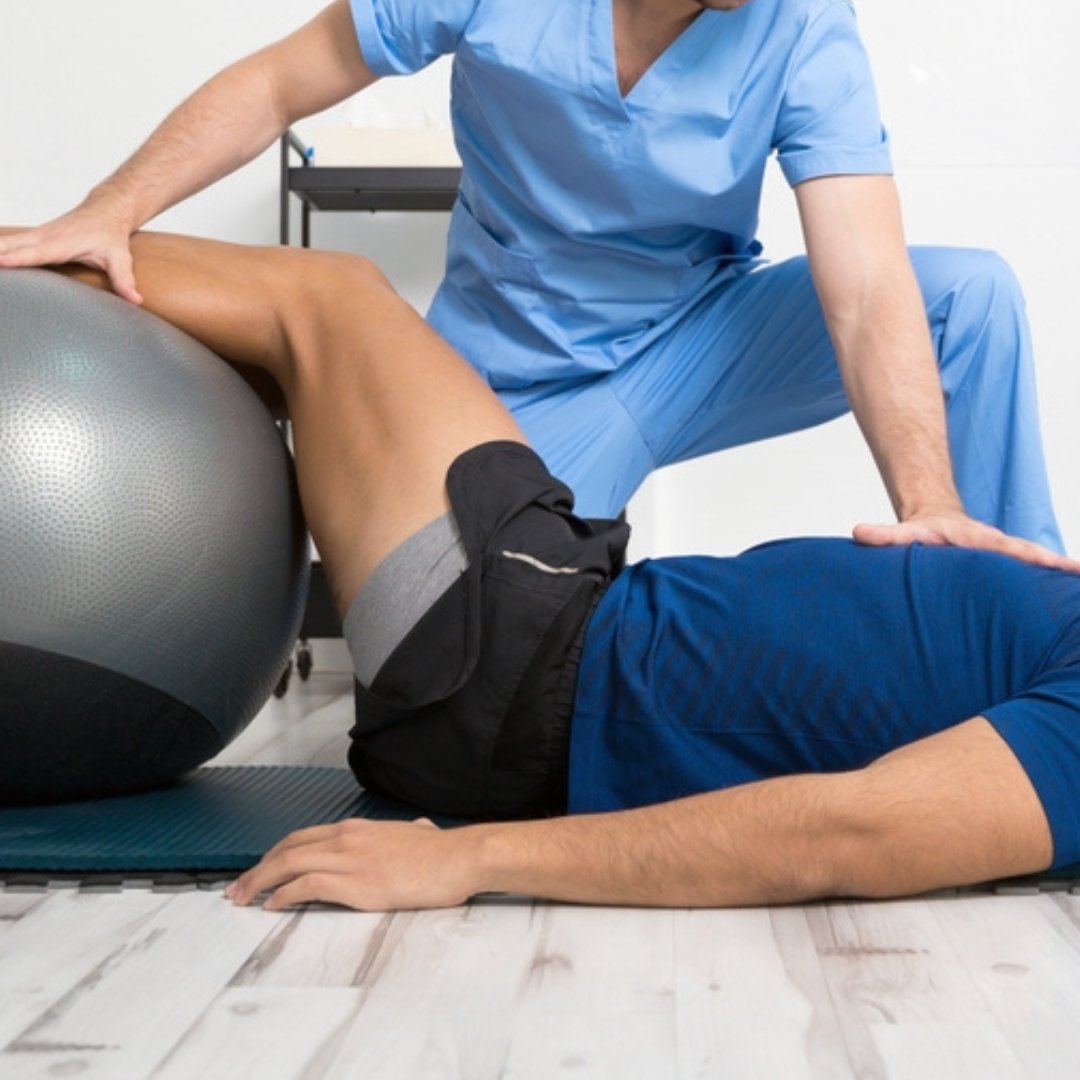
Physical therapy after knee replacement can happen at home or in a clinic. Learn how both approaches compare for mobility, strength, and knee replacement recovery.