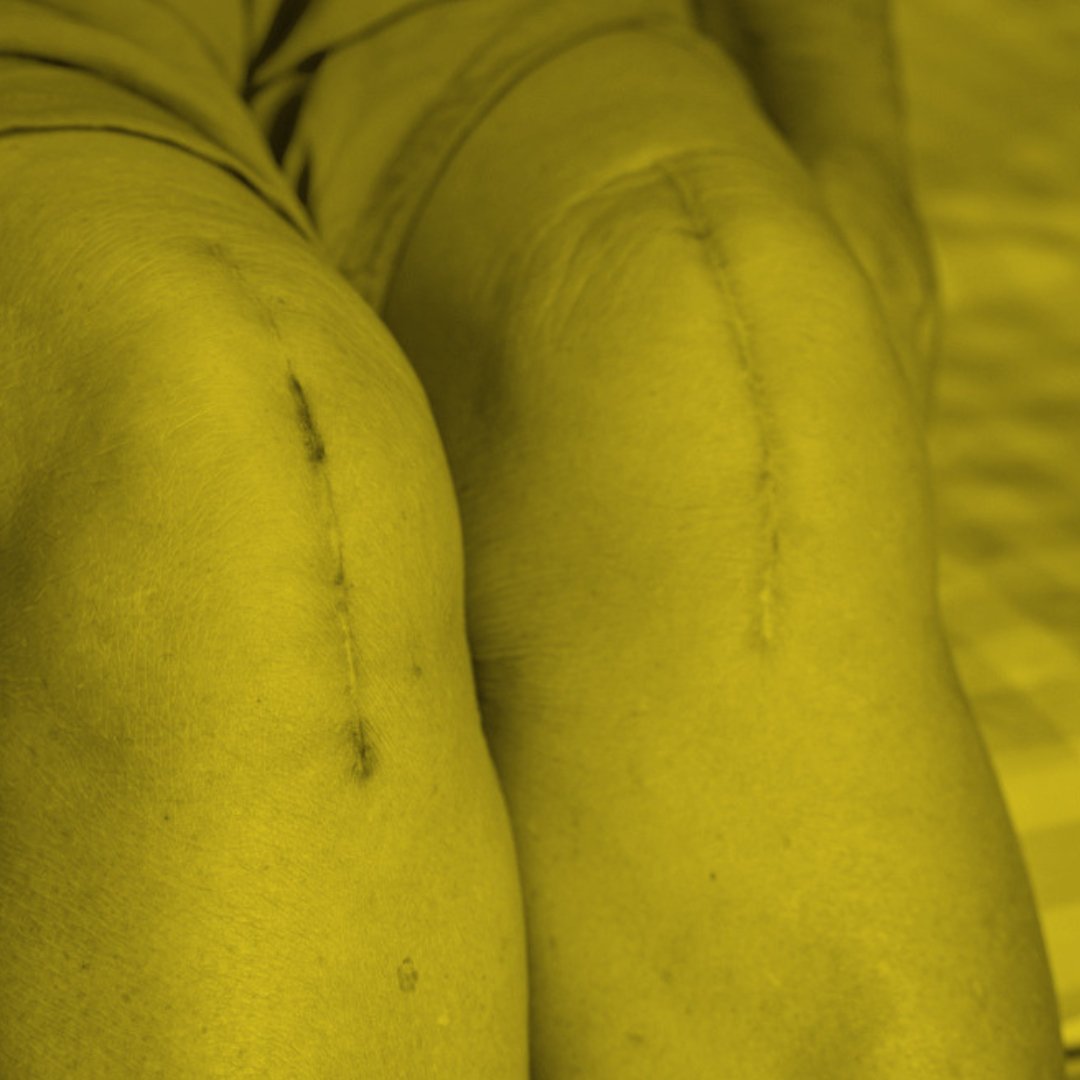
What’s Missing in Many Knee Replacement Recovery Plans?
Physical therapy alone isn’t always enough. Discover what’s missing from knee replacement surgery rehab, from nutrition to prehab, for a fuller recovery.


I want to talk about something that doesn't come up nearly enough in pre-surgical conversations, and yet shows up constantly in the physical therapy gym. Most people spend the weeks before total knee replacement surgery thinking about logistics: the hospital bag, the ride home, the walker they've borrowed from a neighbor. Very few spend time thinking about their relationship with pain.
But here's the thing: pain catastrophizing, a pattern of thinking that magnifies and dwells on pain in ways that feel uncontrollable, is one of the strongest psychological predictors of how your knee replacement recovery will go. And the good news is, it's something you can actually do something about.
Pain catastrophizing doesn't mean you're dramatic or weak. It's a recognized psychological pattern that researchers have studied extensively in the context of chronic pain and surgical outcomes. It involves three overlapping tendencies:
Most people experience some version of these thoughts when facing surgery. The difference between a passing worry and catastrophizing is the degree to which those thoughts take over and feel impossible to redirect. Someone with high pain catastrophizing might spend days before surgery convinced they won't be able to handle the post-operative pain, or fixate on stories of people whose knee replacements didn't go well, or feel certain that any discomfort they feel afterward means something is seriously wrong.

If any of that sounds familiar, you're in good company. Studies suggest that a significant portion of people heading into total knee replacement surgery carry some level of catastrophic thinking about pain, often fed by years of living with chronic knee pain that was unpredictable, exhausting, and hard to explain to others.
People who score high on measures of pain catastrophizing before total knee replacement surgery consistently report higher pain levels after surgery, use more pain medication, participate less fully in rehabilitation, and report lower satisfaction with their outcomes, even when the surgery itself goes smoothly. This isn't a small effect, and it doesn't disappear once the anesthesia wears off.
One reason for this is that catastrophic thinking directly influences how the nervous system processes pain signals. Chronic pain has a way of sensitizing the nervous system (your brain) over time, making it more reactive and less able to accurately calibrate the intensity of what it's detecting.
When fearful or catastrophic thoughts are added on top of that sensitized system, the brain essentially amplifies the pain signal further. The result is that two people with nearly identical surgical outcomes can have very different pain experiences based largely on what's happening in their heads.
Pain catastrophizing also affects rehabilitation participation in a concrete way. If you believe that moving your knee will cause unbearable pain, you're far less likely to push through the discomfort of early post-operative exercises. And since range of motion and strength are largely use-it-or-lose-it in the weeks after total knee replacement surgery, pulling back on rehab out of fear creates real physical setbacks that confirm the original fear. It becomes a cycle that's hard to break once you're in it.
One of the tricky things about this pattern of thinking is that it feels completely rational from the inside. You've been in pain for a long time. You've had experiences that taught you to brace for the worst. Your fear of post-surgical pain isn't coming from nowhere, it's coming from a nervous system that has been dealing with a difficult situation for months or years. That context deserves acknowledgment.
That said, recognizing the pattern is the first step to changing it. Ask yourself honestly: when you think about pain after total knee replacement surgery, do you tend to imagine specific manageable discomfort, or do you imagine something overwhelming and uncontrollable?
When you feel pain during your current daily life, do you find yourself dwelling on it for long periods, or does it come and go without consuming your thoughts? Do you believe that doing your post-operative exercises will hurt so much that you won't be able to do them?
Honest answers to those questions can tell you a lot about where you stand, and whether addressing this before surgery might be one of the most useful things you do in preparation for your knee replacement recovery.

The most evidence-supported approach to reducing pain catastrophizing is a form of psychological therapy called cognitive behavioral therapy, or CBT. CBT helps you identify the specific thought patterns that are driving catastrophic thinking and replace them with more accurate, balanced ones. It doesn't ask you to pretend pain isn't real. It helps you relate to pain differently, so it has less power over your behavior and your mood.
Not everyone has access to a therapist before surgery, and that's okay. There are meaningful steps you can take on your own. Learning in detail about what post-operative pain typically feels like, when it peaks, how it changes over the first weeks, and what tools are available to manage it, goes a long way toward reducing the fear of the unknown. The more specific and accurate your mental picture of what's coming, the less room there is for catastrophic imagination to fill in the blanks.
Talking openly with your surgical team about your fears is also genuinely helpful. Surgeons and physical therapists who work with total knee replacement surgery see a full range of emotional responses to the process, and a good care team will take your concerns seriously without dismissing them. Feeling heard and informed before surgery is one of the most effective anxiety-reducers available, and it costs nothing.
Pain catastrophizing is common, understandable, and changeable. Going into total knee replacement surgery with a more grounded relationship with pain, one that acknowledges discomfort as a normal and temporary part of the process rather than a signal of disaster, sets you up for a knee replacement recovery that is steadier, more engaged, and ultimately more successful. Your mindset is a tool. Sharpen it before surgery, and it will carry you further than you expect.
Good luck on your knee journey!
Good knees start here. Don’t miss a step, subscribe to KneeMail for free tips from knee expert Shehla Rooney, PT!
Physical therapy alone isn’t always enough. Discover what’s missing from knee replacement surgery rehab, from nutrition to prehab, for a fuller recovery.
A successful knee replacement surgery doesn’t always feel like one. Here’s why regret happens and how strengthening prep changes the outcome.

Wondering if knee replacement surgery is worth it? Here’s what to weigh by age, from real benefits to recovery realities, before deciding.

Knee replacement surgery recovery doesn’t have to happen in a clinic. Discover why home-based prehab and posthab programs are changing outcomes for the better.

Physical therapy is essential after total knee replacement surgery, but it’s only one piece. Here’s what else drives a faster, fuller recovery at home.