Knee Range of Motion Values and What They Mean
Learn what knee range of motion values mean, how they affect daily activities, and what your numbers may mean after total knee replacement surgery.

Physical therapy gets most of the credit when someone heals well after surgery, and rightfully so. But knee replacement rehab that leans only on scheduled PT sessions often leaves gaps that can slow healing down. As a physical therapist, I've watched capable, motivated people do everything asked of them in the clinic and still hit frustrating plateaus. The missing pieces usually aren't in the exercises themselves. They're in everything happening around them.
A typical course of physical therapy might involve two or three sessions a week for a handful of weeks. That leaves a lot of hours in between where healing either continues or stalls, depending on what you do with them. Your PT can guide technique, track progress, and adjust your program, but they can't be there for the other 165 hours of your week. This is where the real gaps show up, and it's rarely because your therapist did anything wrong. It's simply the nature of a program built around limited appointment time.
Insurance coverage often shapes how many sessions you get, too. Many plans cap visits well before your knee has reached its full potential, leaving you to continue the work largely on your own. Without a clear plan for those unsupervised hours, motivation tends to fade and progress slows right when consistency matters most.
What you eat directly affects how your body repairs tissue after surgery. Protein intake supports muscle rebuilding around your new joint, and inadequate protein can slow strength gains considerably. Most people need more protein during healing than they typically eat day to day, and few realize that until strength gains stall unexpectedly.

Inflammation also responds to diet. Diets heavy in processed foods and added sugar can worsen swelling, while foods rich in omega-3s and antioxidants tend to support a calmer healing process. Leafy greens, fatty fish, and berries are simple additions that support this without requiring a complete overhaul of how you eat.
Hydration matters too, since joint tissue depends on adequate fluid levels, and mild dehydration can make stiffness feel worse than it needs to. Few rehab plans spend much time on this, yet it can meaningfully change how quickly you feel like yourself again.
Pain medication timing affects how much you can actually participate in your exercises. Taking medication too late in the day can leave you undermedicated during a session, making movement harder than it needs to be. Some people also stop pain management too early out of fear of dependency, then avoid movement because it hurts more than necessary.
This isn't just about pain pills, either. Anti-inflammatory medication, when appropriate for your situation, can play a role in how quickly swelling comes down. Working closely with your doctor on timing, rather than guessing, tends to make each session more productive and less painful overall. A short conversation about scheduling your medication around your exercise times can make a noticeable difference in how much you're able to do.
Tissue repair happens largely during deep sleep, which makes rest just as important as any exercise. Pain and anxiety around recovery can disrupt sleep, creating a frustrating cycle where poor rest slows healing, which then increases discomfort. Stress has a similar effect, raising inflammation and making pain feel more intense than it otherwise would.
Small habits, like keeping a consistent bedtime or limiting screens before sleep, can support better rest during this window. Addressing sleep habits and stress levels alongside your physical exercises rounds out a plan that traditional rehab schedules rarely touch.
Everything above assumes rehab starts after surgery, but some of the most important work happens before you ever reach the operating room. Prehab involves stretching and strengthening your quad and hamstring muscles in the weeks leading up to surgery, giving your body a better starting point for healing.
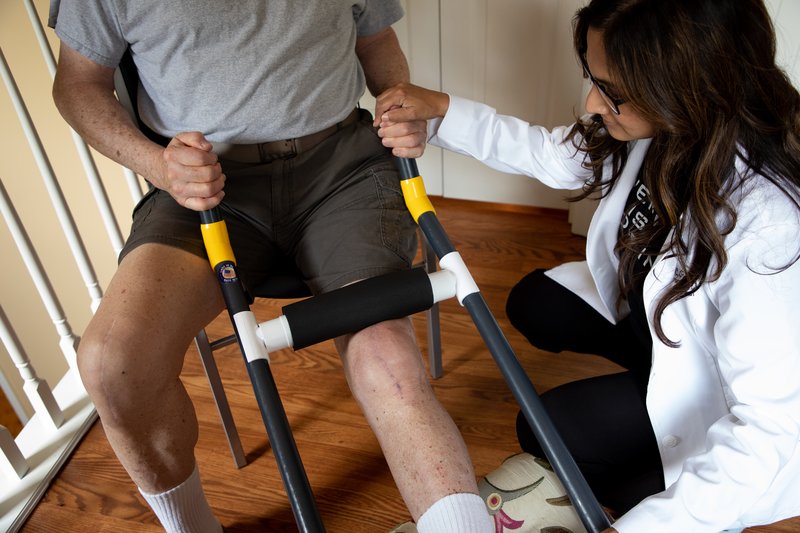
People who perform prehab tend to regain motion and strength faster and experience less muscle loss in those critical early weeks. Skipping this step means starting further behind, no matter how well the surgery itself goes.
The common thread through nutrition, medication, sleep, and prehab is consistency outside the clinic. This is exactly the gap GoKnee was built to close. It pairs a prehab program with structured post-operative exercises you can do safely from home, giving you guided movement between your scheduled PT visits rather than leaving those hours unaddressed. Having a structured way to stay consistent, day after day, often makes the biggest difference in how complete a recovery feels.
Physical therapy remains essential, and nothing here suggests skipping it. But knee replacement surgery rehab works best as part of a bigger picture that includes what you eat, how you manage pain, how well you sleep, and how prepared your body was going in. Filling in these gaps doesn't require dramatic changes. It requires attention to the parts of healing that happen outside the PT clinic walls, where most of your recovery time actually takes place.
Good luck on your knee journey!
Good knees start here. Don’t miss a step—subscribe to KneeMail for free tips from knee expert Shehla Rooney, PT!
Learn what knee range of motion values mean, how they affect daily activities, and what your numbers may mean after total knee replacement surgery.
Wondering what the knee replacement recovery timeline looks like at 6 weeks, 3 months, or a year out? Here’s a realistic timeline plus healing tips.
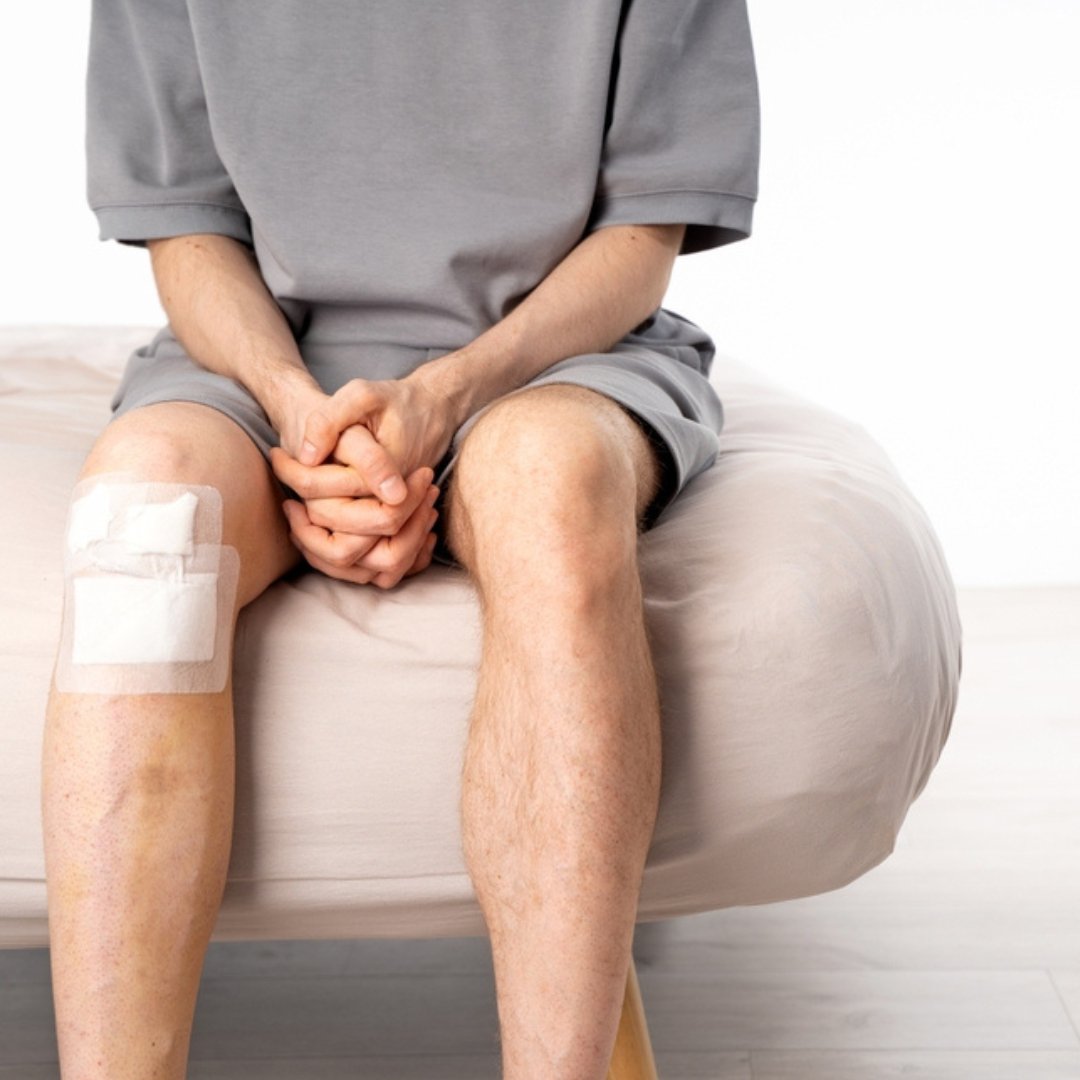
A successful knee replacement surgery doesn’t always feel like one. Here’s why regret happens and how strengthening prep changes the outcome.

Wondering if knee replacement surgery is worth it? Here’s what to weigh by age, from real benefits to recovery realities, before deciding.

Knee replacement surgery recovery doesn’t have to happen in a clinic. Discover why home-based prehab and posthab programs are changing outcomes for the better.