What Knee Replacement Recovery Timeline Looks Like
Wondering what the knee replacement recovery timeline looks like at 6 weeks, 3 months, or a year out? Here’s a realistic timeline plus healing tips.


Chronic knee pain has a way of shrinking your world. Stairs become a negotiation. Walks get shorter. And at some point, a doctor mentions knee replacement surgery as an option. If you've reached that point, you're probably weighing the good against the hard parts, trying to figure out if it's really worth it.
As a physical therapist who has walked alongside people through this exact decision, I want to lay out what actually matters here, without the sugarcoating and without the scare tactics.
Let's start with the upside, because there's a lot of it. Most people who go through with total knee replacement surgery report a dramatic drop in pain within a few months. Simple things start feeling possible again, such as gardening, playing with the kids (or grandkids), and sleeping through the night without your knee waking you up.
Studies consistently show improved mobility and quality of life for the vast majority of people who choose surgery over continuing to manage chronic pain alone. Your joint gets a fresh start, and for many, that translates into years of activity that felt out of reach before.
There's also a mental shift that happens. Chronic pain wears on you in ways that go beyond the physical. It affects mood, sleep, and how much you're willing to do socially. Addressing the source of that pain often lifts more than just your knee.
Now for the parts people don't always warn you about. Total knee replacement recovery takes real time and real effort. You're looking at weeks of guided exercises, some discomfort, and a commitment to daily movement even when you'd rather rest. Swelling can linger longer than expected. Some people hit a plateau around week three or four and feel discouraged, even though this is completely normal.
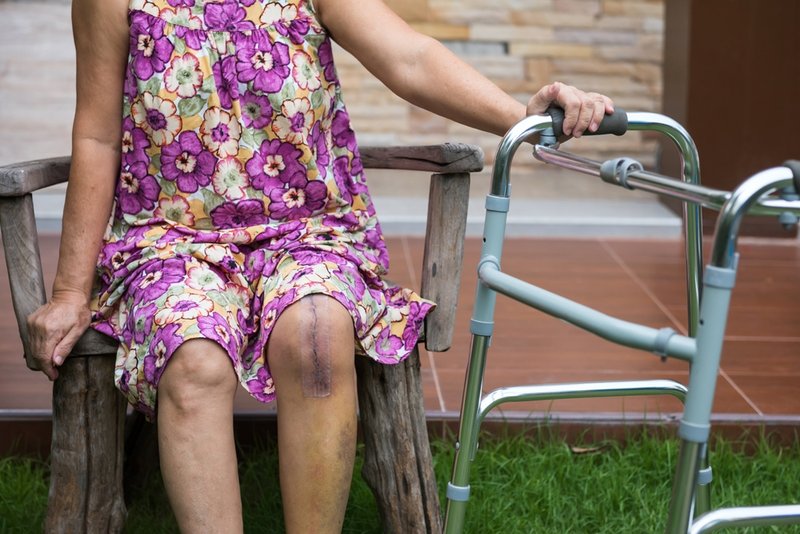
There's also a period where you'll need help with basic tasks, which can feel humbling. Pride sometimes gets in the way of asking for that help, but leaning on others early on tends to speed things along later. None of this means surgery was the wrong choice. It just means going in with realistic expectations matters as much as the surgery itself.
If you're under 60, the calculus looks a little different. Knee implants have a lifespan, usually somewhere between 10 and 20 years, depending on activity level and implant type. That means a younger person might eventually need a second surgery down the road, called a revision. This isn't a reason to rule out surgery, but it's worth discussing with your surgeon, especially if you're still active in sports or physically demanding work.
Younger joints also tend to heal faster and respond well to strength training before and after surgery. Building muscle around the knee ahead of time gives the new joint more support once you're moving again.
For those over 65 or 70, the lifespan of the implant is less likely to be an issue since it will often outlast the need for a second surgery. The bigger consideration tends to be overall health and how quickly the body responds to healing. Bone density, heart health, and other conditions can all play a role in how smoothly recovery goes.

The good news is that age alone rarely disqualifies someone from surgery. Many people well into their 80s do wonderfully, especially when they've prepared their body ahead of time and stay consistent with their exercises afterward.
Something that gets overlooked in these conversations is what happens before surgery even takes place. Strengthening the muscles around your knee weeks in advance can make a measurable difference once you're on the other side. A stronger quad and hamstring going in means less muscle loss during the initial healing window, and often a smoother path back to walking comfortably.
This is part of why some knee replacement recovery programs start well before the operating room. Preparing the joint, learning the exercises you'll rely on later, and building confidence in your own ability to move safely all pay off once the real work of healing begins.
Deciding whether knee replacement surgery is worth it isn't a yes or no answer that fits everyone the same way. It depends on your pain level, your goals, your age, and how ready you are to put in the work on the other side. Talk with your surgeon, ask about your specific joint, and consider a program that helps you prepare beforehand as much as after.
Good luck on your knee journey!
Good knees start here. Don’t miss a step—subscribe to KneeMail for free tips from knee expert Shehla Rooney, PT!
Wondering what the knee replacement recovery timeline looks like at 6 weeks, 3 months, or a year out? Here’s a realistic timeline plus healing tips.
Physical therapy alone isn’t always enough. Discover what’s missing from knee replacement surgery rehab, from nutrition to prehab, for a fuller recovery.
A successful knee replacement surgery doesn’t always feel like one. Here’s why regret happens and how strengthening prep changes the outcome.

Knee replacement surgery recovery doesn’t have to happen in a clinic. Discover why home-based prehab and posthab programs are changing outcomes for the better.

Physical therapy is essential after total knee replacement surgery, but it’s only one piece. Here’s what else drives a faster, fuller recovery at home.