What’s Missing in Many Knee Replacement Recovery Plans?
Physical therapy alone isn’t always enough. Discover what’s missing from knee replacement surgery rehab, from nutrition to prehab, for a fuller recovery.

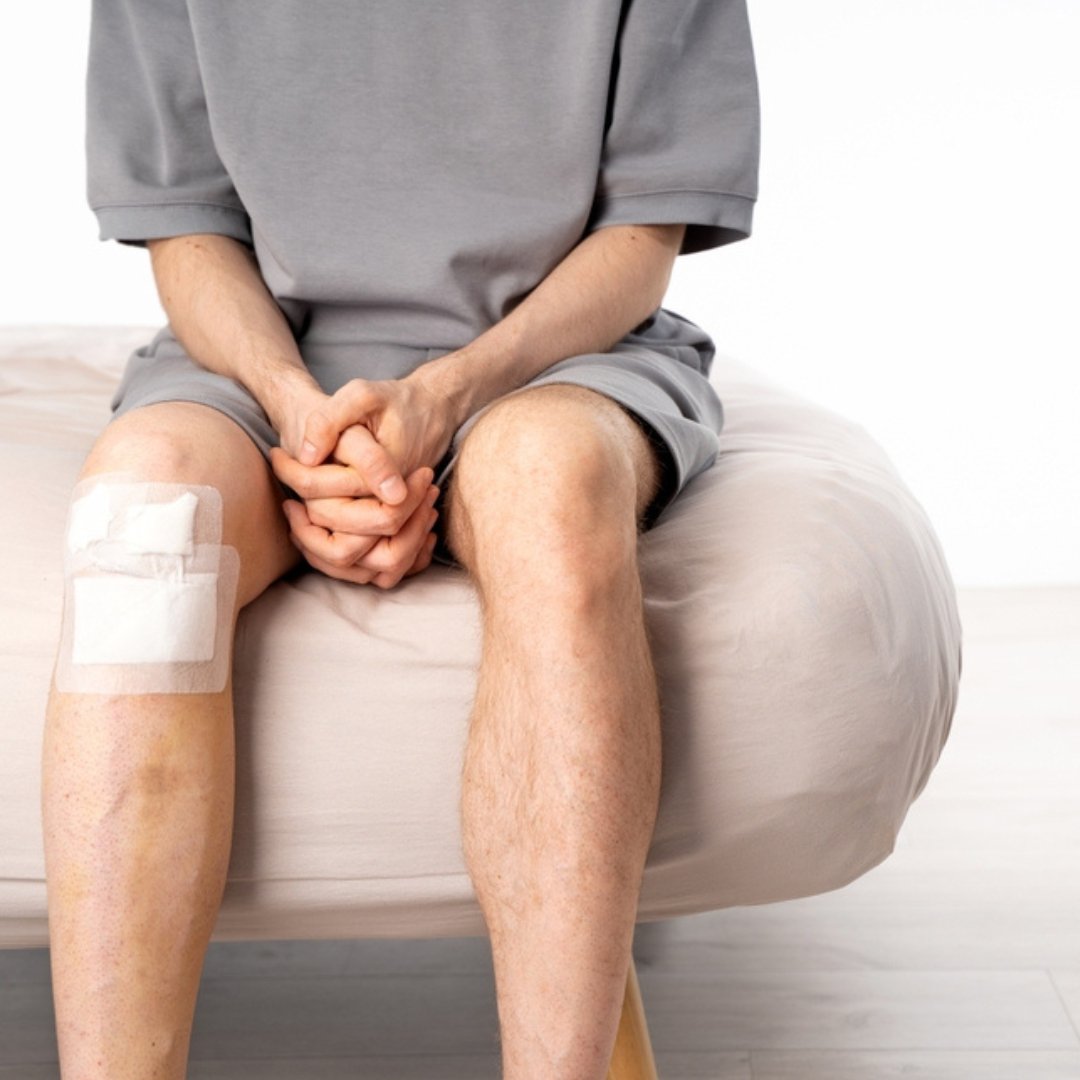
Surgery went well. The surgeon said everything looked great. X-rays show a clean, properly placed implant. And yet, months later, some people still feel disappointed. This gap between a technically successful knee replacement surgery and how someone actually feels about it catches a lot of people off guard. As a physical therapist who has sat with many people through this exact frustration, I want to talk honestly about why it happens and what actually helps.
Here's something that rarely gets said out loud. A surgeon can call an operation a success while you privately feel let down. This isn't a contradiction. Surgical success is measured by things like implant alignment, joint stability, and absence of complications. Your personal experience is measured by something entirely different: whether everyday life feels easier. Those two things don't always move at the same pace, and that mismatch is often where regret creeps in.
It helps to name this early. Feeling frustrated three months out doesn't mean something went wrong. It usually means expectations and biology are still catching up to each other.
One of the biggest sources of regret is mobility that improves slower than expected. Many people picture walking pain-free within a few weeks. In reality, full range of motion often takes several months, and some stiffness can linger even longer. When your knee doesn't bend the way you hoped by week six, it's easy to assume something failed.
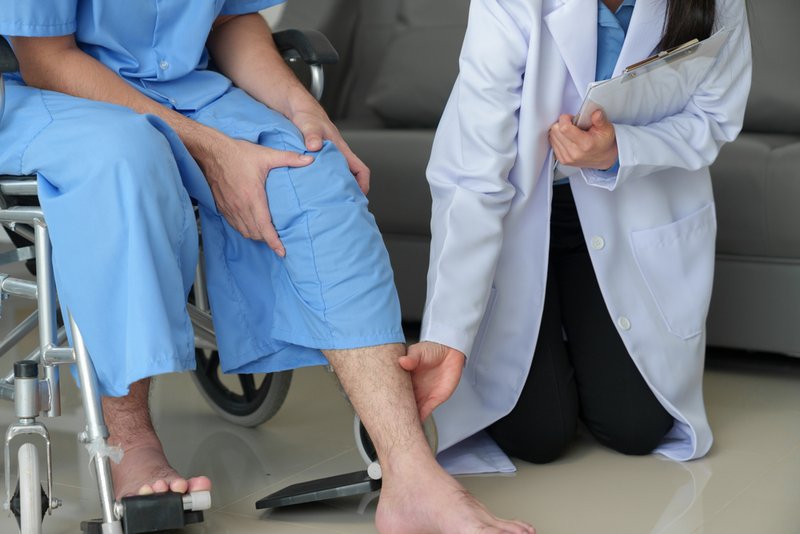
Muscles around the joint also need retraining, not just the joint itself. Your quad and hamstring were weakened before surgery from months or years of favoring that leg. Getting that strength back takes consistent work, and skipping it often shows up later as instability or as a knee that you still don’t trust.
Nobody hands you a pamphlet that says "some soreness may stick around for a year," but that's often closer to the truth than people expect. Nerve-related discomfort, swelling, and stiffness can persist well past the point where you assumed you'd feel normal again. This lingering discomfort, paired with the belief that you should already be pain-free, fuels a lot of quiet disappointment.
Understanding this ahead of time changes everything. People who know that gradual improvement is normal tend to stay motivated. People who expected instant relief often give up on their exercises right when consistency matters most.
Total knee replacement surgery is a major event, and there's often a buildup of anticipation before it happens. You imagine the day you'll finally walk without pain. When that moment doesn't arrive as cleanly or as quickly as imagined, the letdown can feel bigger than it would after a smaller procedure. This emotional dip is common, and it usually fades as function improves week by week.
Talking about this with your care team, rather than sitting with disappointment alone, tends to shorten how long that low period lasts.
If there's one thing that consistently separates people who feel good about their results from those who regret them, it's preparation. Strengthening the muscles around your knee before surgery, often called prehab, gives your body a head start once healing begins. A stronger leg going in means less muscle loss during the early weeks, and a faster path back to walking with confidence.

The same principle applies after surgery. Sticking with your prescribed exercises, even on days when motivation is low, builds the stability your new joint depends on. This is exactly the gap that led us to build GoKnee, a knee replacement recovery program that pairs prehab with structured post-operative exercises so you can strengthen your knee safely from home. Combining that consistency with realistic expectations tends to be the difference between disappointment and genuine relief.
Regret after knee replacement surgery rarely comes from the surgery itself. It usually comes from a mismatch between expectations and the slower, steadier reality of healing. Going in prepared, both physically and mentally, gives you the best shot at feeling as good as your X-rays look.
Good luck on your knee journey!
Good knees start here. Don’t miss a step—subscribe to KneeMail for free tips from knee expert Shehla Rooney, PT!
Physical therapy alone isn’t always enough. Discover what’s missing from knee replacement surgery rehab, from nutrition to prehab, for a fuller recovery.

Wondering if knee replacement surgery is worth it? Here’s what to weigh by age, from real benefits to recovery realities, before deciding.

Knee replacement surgery recovery doesn’t have to happen in a clinic. Discover why home-based prehab and posthab programs are changing outcomes for the better.

Physical therapy is essential after total knee replacement surgery, but it’s only one piece. Here’s what else drives a faster, fuller recovery at home.
Most people skip prehab before knee replacement surgery without realizing the cost. Here’s what the research says and how to use this critical window wisely.