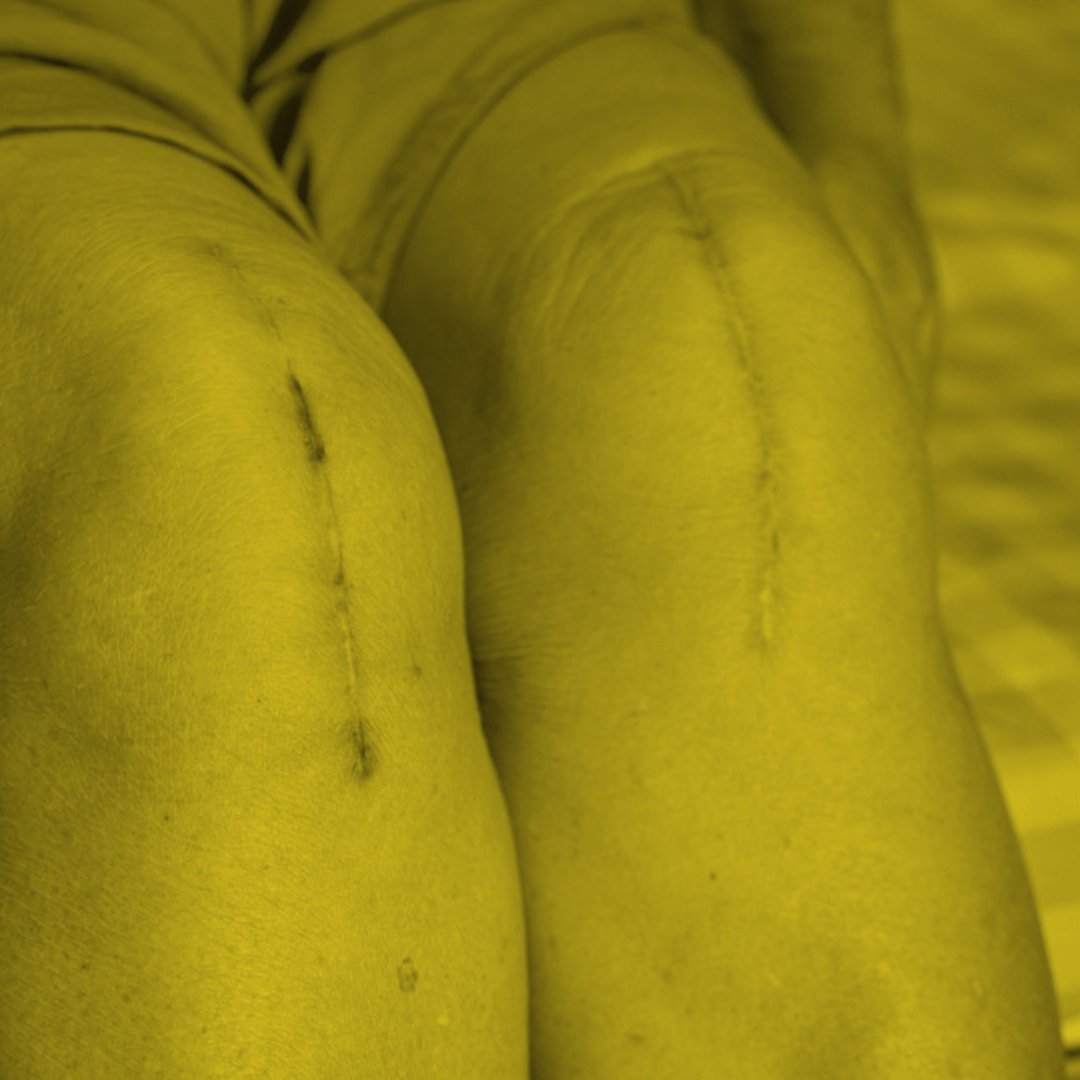
What’s Missing in Many Knee Replacement Recovery Plans?
Physical therapy alone isn’t always enough. Discover what’s missing from knee replacement surgery rehab, from nutrition to prehab, for a fuller recovery.


If you've been told that physical therapy is the key to a good knee replacement recovery, you've been told the truth. But not the whole truth. Physical therapy is essential, but it's one piece of a much larger picture. Total knee replacement surgery sets the stage, and rehabilitation brings it to life.
What most people don't realize is how many other factors play into how well and how quickly that process unfolds. Understanding the full picture helps you show up for your recovery with everything you've got.
Let's give credit where it's due. Physical therapy after total knee replacement surgery is irreplaceable for restoring range of motion, rebuilding strength, and retraining the way you walk. A good physical therapist guides you through the exercises that matter most in the right sequence, at the right intensity. They catch problems early and adjust your program as you progress.
The challenge is that physical therapy has limits. Insurance coverage runs out. Appointments end. You go home. And the work of knee replacement recovery continues long after your last clinic visit. What you do between sessions and after your formal PT ends determines a great deal of your final outcome.
Here's one that doesn't get nearly enough attention. Sleep is when your body does its most intensive repair work. After total knee replacement surgery, your tissues are rebuilding, your immune system is managing inflammation, and your nervous system is recalibrating. All of that happens primarily during sleep.

Poor sleep after surgery is extremely common. Pain, medication side effects, and the simple discomfort of trying to find a comfortable position all interfere. But prioritizing sleep, through positioning aids, consistent sleep schedules, and communication with your care team about nighttime pain, pays off directly in how you feel and function during the day. Rest between exercise sessions matters too. Overdoing activity without adequate recovery time slows progress rather than speeding it up.
Your body is rebuilding tissue after total knee replacement surgery. That process requires fuel. Protein is particularly important. It supports muscle repair and helps counteract the muscle loss that naturally follows surgery. Many people eat less in the first weeks after surgery due to reduced appetite or medication effects, which can quietly undermine their progress.
Staying well hydrated supports circulation, which in turn supports healing and helps manage swelling. Anti-inflammatory foods like leafy greens, berries, fatty fish, and nuts can complement the work your body is already doing. This doesn't have to mean a dramatic diet overhaul. Small, consistent nutritional choices add up meaningfully over the early weeks of knee replacement recovery.
Swelling is one of the most persistent and frustrating parts of life after total knee replacement surgery. It slows movement, causes discomfort, and can make the knee feel tight long after you expected it to feel normal. Managing it actively, rather than just waiting for it to resolve, makes a real difference.
Elevation is simple and effective. Keeping your leg raised above the level of your heart for regular periods throughout the day reduces fluid accumulation in the joint. Ice, applied correctly and consistently in the early phase, helps control inflammation. Compression garments and gentle movement also support circulation and fluid drainage. These aren't glamorous interventions, but they work.
Knee replacement recovery is physically demanding, and it's emotionally demanding too. Frustration, anxiety, and low mood are common companions in the first months after total knee replacement surgery. They're also underestimated in their impact on physical progress.
People who stay engaged with activities they enjoy, maintain social connections, and approach setbacks with patience tend to do better than those who isolate or dwell on every symptom. If anxiety about your knee is consistently high, addressing it directly, whether through conversation, structured relaxation techniques, or professional support, is a legitimate and valuable part of your recovery plan.
Everything discussed above becomes easier when you arrive at surgery better prepared. Prehab, the targeted strengthening and mobility work done before knee replacement surgery, gives you a head start on every phase of what follows.
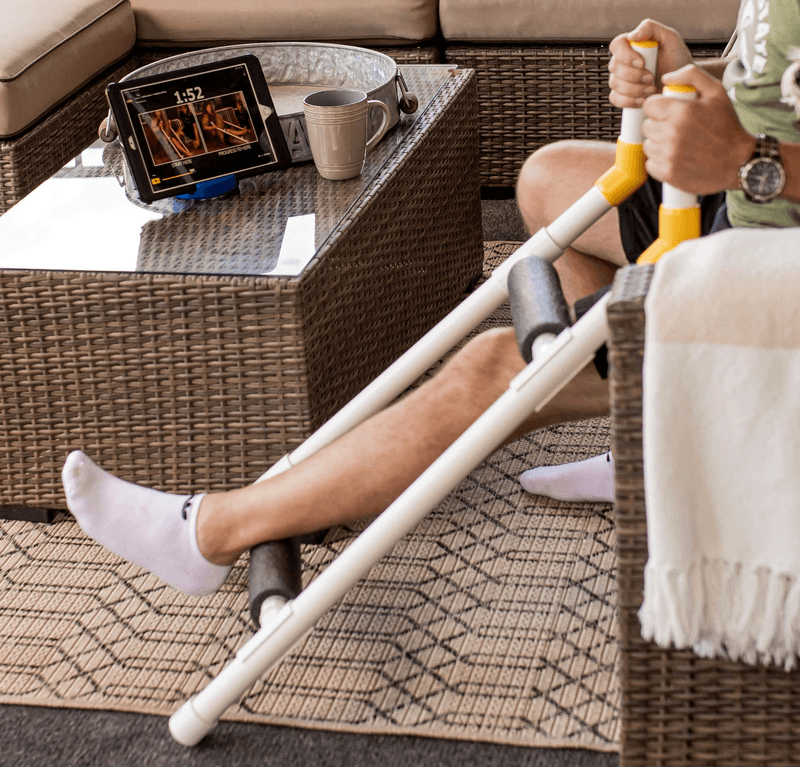
Stronger muscles going into surgery mean less strength to rebuild afterward. Better pre-operative range of motion means a higher starting point for post-operative flexibility work. Familiarity with the exercises means less confusion and fear in the early days after surgery.
Research consistently shows that people who complete a prehab program before total knee replacement surgery reach key milestones faster and report better overall outcomes. The investment made before surgery echoes through every week of knee replacement recovery that follows.
The reality for many people is that in-person physical therapy, while valuable, covers only a portion of the time and effort that knee replacement recovery actually requires. The bulk of the work happens at home. That's where consistency, discipline, and having the right tools become critical.
A structured home program that covers prehab, post-operative exercises, and long-term maintenance gives you the framework to keep progressing beyond your clinic visits. GoKnee is a complete knee replacement recovery program designed specifically for this purpose. With guided video exercises created by physical therapists and accessible on your phone or tablet, GoKnee lets you take your recovery into your own hands, literally, at every stage of the process.
Physical therapy lays the foundation. Everything else, including what you do at home, is what builds the house. Good luck on your knee journey!
Good knees start here. Don’t miss a step—subscribe to KneeMail for free tips from knee expert Shehla Rooney, PT!
Physical therapy alone isn’t always enough. Discover what’s missing from knee replacement surgery rehab, from nutrition to prehab, for a fuller recovery.
A successful knee replacement surgery doesn’t always feel like one. Here’s why regret happens and how strengthening prep changes the outcome.

Wondering if knee replacement surgery is worth it? Here’s what to weigh by age, from real benefits to recovery realities, before deciding.

Knee replacement surgery recovery doesn’t have to happen in a clinic. Discover why home-based prehab and posthab programs are changing outcomes for the better.
Most people skip prehab before knee replacement surgery without realizing the cost. Here’s what the research says and how to use this critical window wisely.