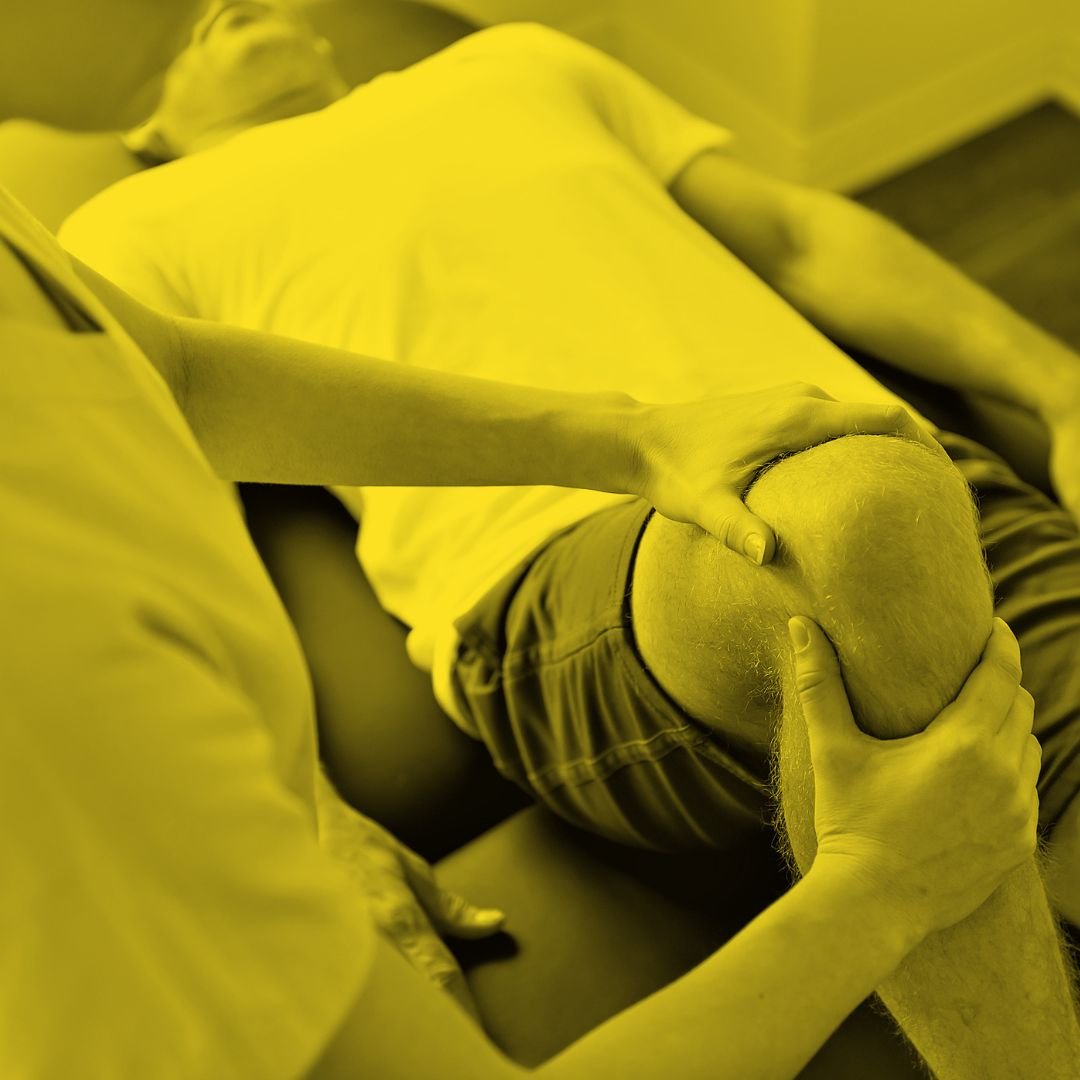
Knee Range of Motion Values and What They Mean
Learn what knee range of motion values mean, how they affect daily activities, and what your numbers may mean after total knee replacement surgery.


For a long time, the assumption was simple: real rehabilitation happened in a clinic. You drove to your appointments, worked with a therapist, and then waited until your next session to make progress again. That model still has real value. But recovery from knee replacement surgery has quietly shifted.
Research, technology, and a better understanding of how healing actually works have made home-based rehabilitation not just acceptable, but in many ways, the most effective approach available for the right person with the right program.
The idea that you need to be inside a facility to do meaningful rehabilitation work is understandable. Clinics have equipment, professionals, and structure. They feel official. For many people, especially those who have lived with chronic knee pain for years and feel uncertain about what they can do safely, the supervised setting feels reassuring.
But here's what that assumption misses. Total knee replacement surgery recovery happens over months, not hours. The cumulative effect of what you do every single day at home, the exercises, the movement habits, and the consistency adds up to far more than the time you spend in any clinic. Two or three clinic sessions per week, each lasting an hour, leave the vast majority of your week unstructured. What fills that time determines your outcome just as much as what happens in the therapy room.
Research on home rehabilitation after total knee replacement surgery is robust and growing. Multiple studies have found that structured home programs produce outcomes comparable to, and in some cases better than, traditional outpatient physical therapy alone. The reasons make sense when you think about it.
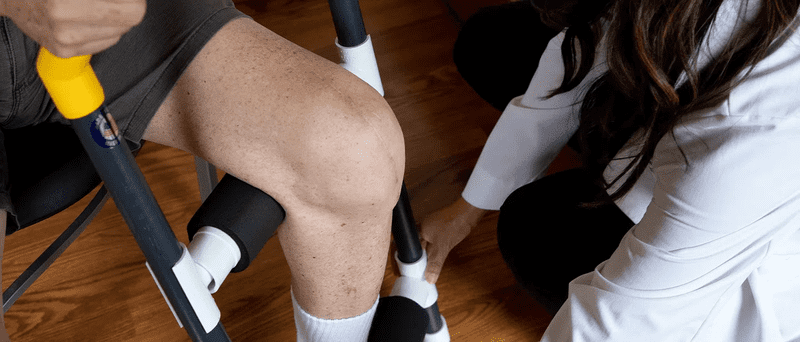
At home, you can exercise at the time of day that works best for your body. You're not navigating traffic or waiting in a waiting room. You can repeat movements as many times as needed without worrying about a therapist's schedule. You can modify your environment to suit your needs. All of those factors add up to more frequent, more consistent rehabilitation work, and consistency is the single most important driver of knee replacement recovery.
Home rehabilitation also removes some of the anxiety that clinic settings can create for people who are nervous about pain or being watched. Many people push harder and feel more comfortable moving in a familiar space.
The home-based approach doesn't begin after surgery. It begins before it. Prehab, the targeted strengthening and mobility work done in the weeks leading up to total knee replacement surgery, is one of the most powerful tools available, and you can do it entirely from your living room.
There are numerous exercises that target the quadriceps, hamstrings, and hip muscles that can be performed without any special equipment, helping strengthen the key muscle groups your new knee will rely on after surgery. People who complete a consistent prehab program enter surgery with a stronger baseline, which translates directly to faster progress during knee replacement recovery.
Prehab also gives you something just as valuable as physical strength. It gives you confidence. You arrive at surgery knowing you've done everything in your power to prepare. That mental readiness matters more than most people expect.
Rehab, the structured work that follows total knee replacement surgery, is where home-based programs truly shine. The exercises required in the weeks and months after surgery are not complicated. They don't require a treadmill or a treatment table. They require a consistent space, a clear program, and the commitment to show up for yourself every day.
The focus in the early weeks is restoring flexion and extension. Getting your knee to bend fully and straighten completely are the two most critical early milestones. Both are achievable at home with the right guidance. As those improve, strengthening exercises become the priority. Building your quadriceps, hamstrings, and hip muscles back up after the inevitable post-operative weakness is what carries you from walking with assistance to walking confidently on your own terms.
Long-term maintenance, the phase that most people overlook entirely, is equally important. Keeping your knee strong and mobile in the months after surgery protects your implant and preserves everything you worked for during knee replacement recovery.
A solid home rehabilitation program has three things: structure, progression, and guidance. Structure means you know exactly what to do each day and in what order. Progression means the program adapts as you improve, challenging you appropriately at each stage. Guidance means you have access to clear instructions so you're performing exercises correctly and safely.
This is where having the right program makes all the difference. Without structure, home rehab becomes inconsistent. Without progression, you plateau. Without guidance, you second-guess every movement and pull back at the first sign of discomfort.
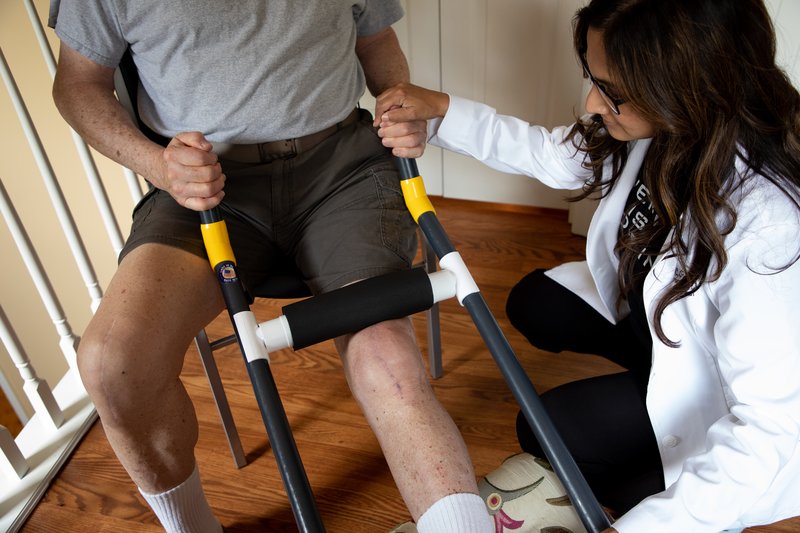
GoKnee was designed by physical therapists specifically to fill this gap. It's a complete knee replacement program that covers prehab, post-operative rehabilitation, and long-term maintenance, all from home. The program includes a knee device with adjustable pads that mimic a therapist's hands, allowing you to perform advanced rehabilitation techniques safely on your own without a professional present.
Guided exercise videos, accessible on your phone or tablet, walk you through each stage of the process clearly and at your own pace. GoKnee brings together everything a thorough home program requires in one place, designed from the ground up for people planning on having knee replacement surgery.
Rehabilitation has always been about the work you put in. Now, more than ever, that work can happen right where you are. Good luck on your knee journey!
Good knees start here. Don’t miss a step—subscribe to KneeMail for free tips from knee expert Shehla Rooney, PT!
Learn what knee range of motion values mean, how they affect daily activities, and what your numbers may mean after total knee replacement surgery.
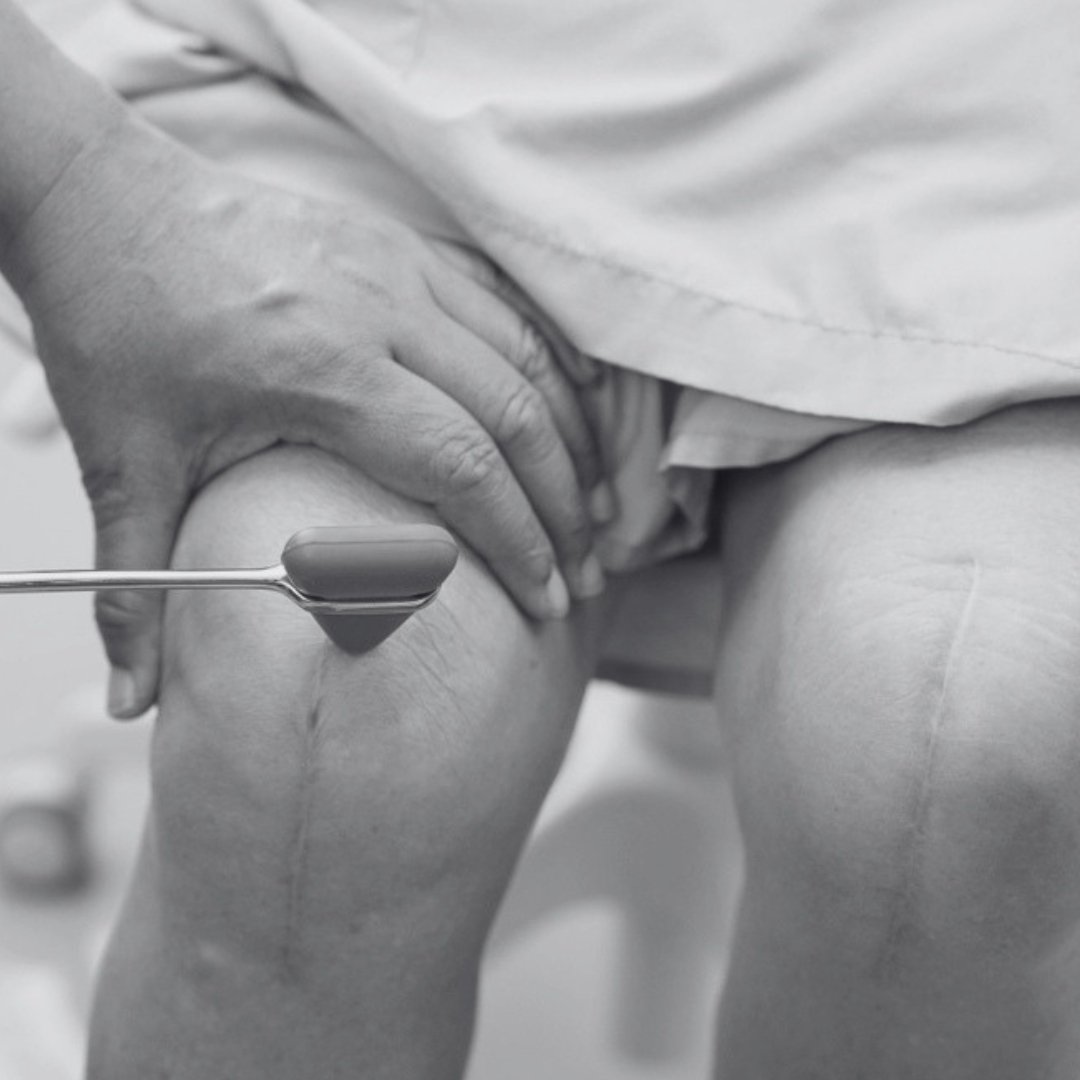
Wondering what the knee replacement recovery timeline looks like at 6 weeks, 3 months, or a year out? Here’s a realistic timeline plus healing tips.
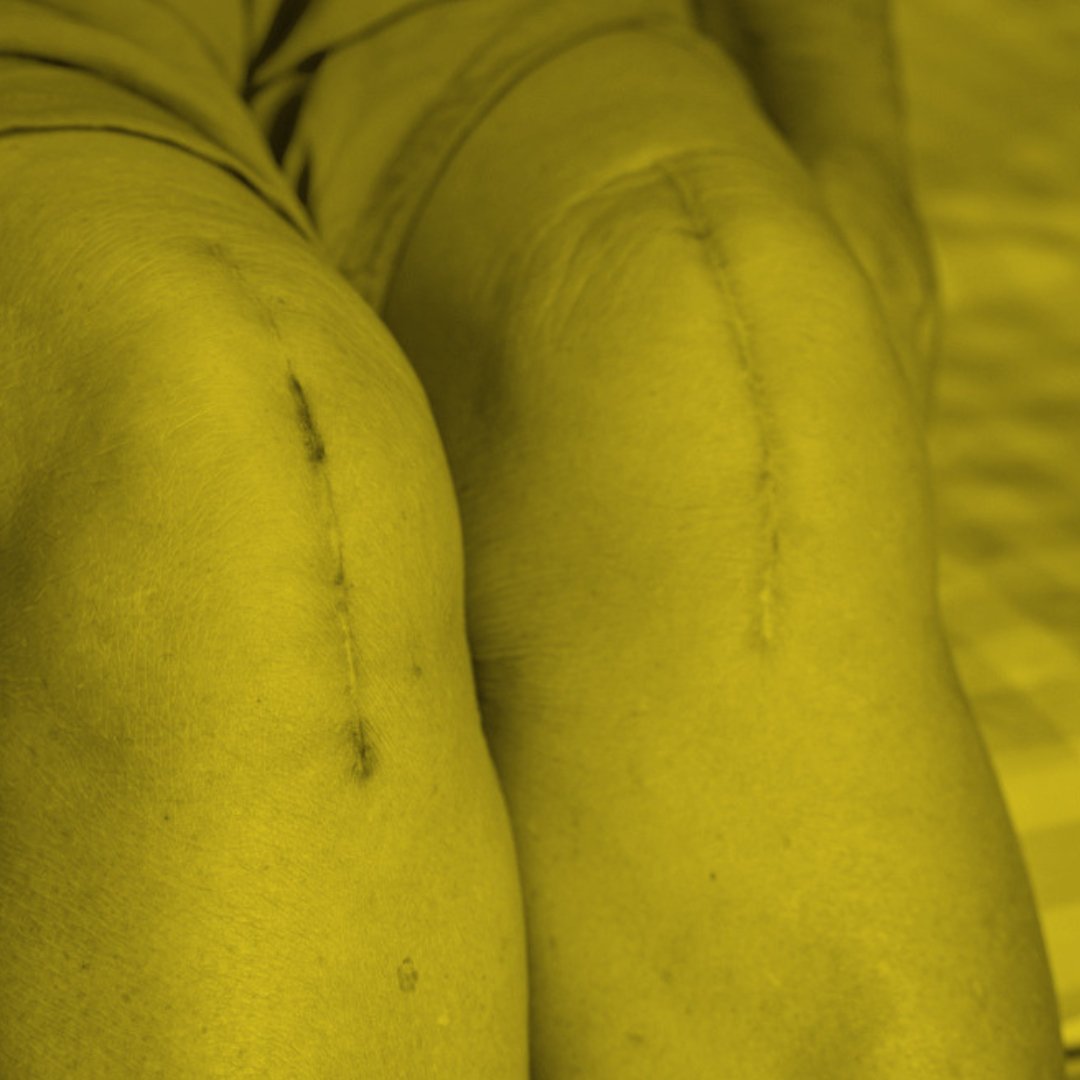
Physical therapy alone isn’t always enough. Discover what’s missing from knee replacement surgery rehab, from nutrition to prehab, for a fuller recovery.
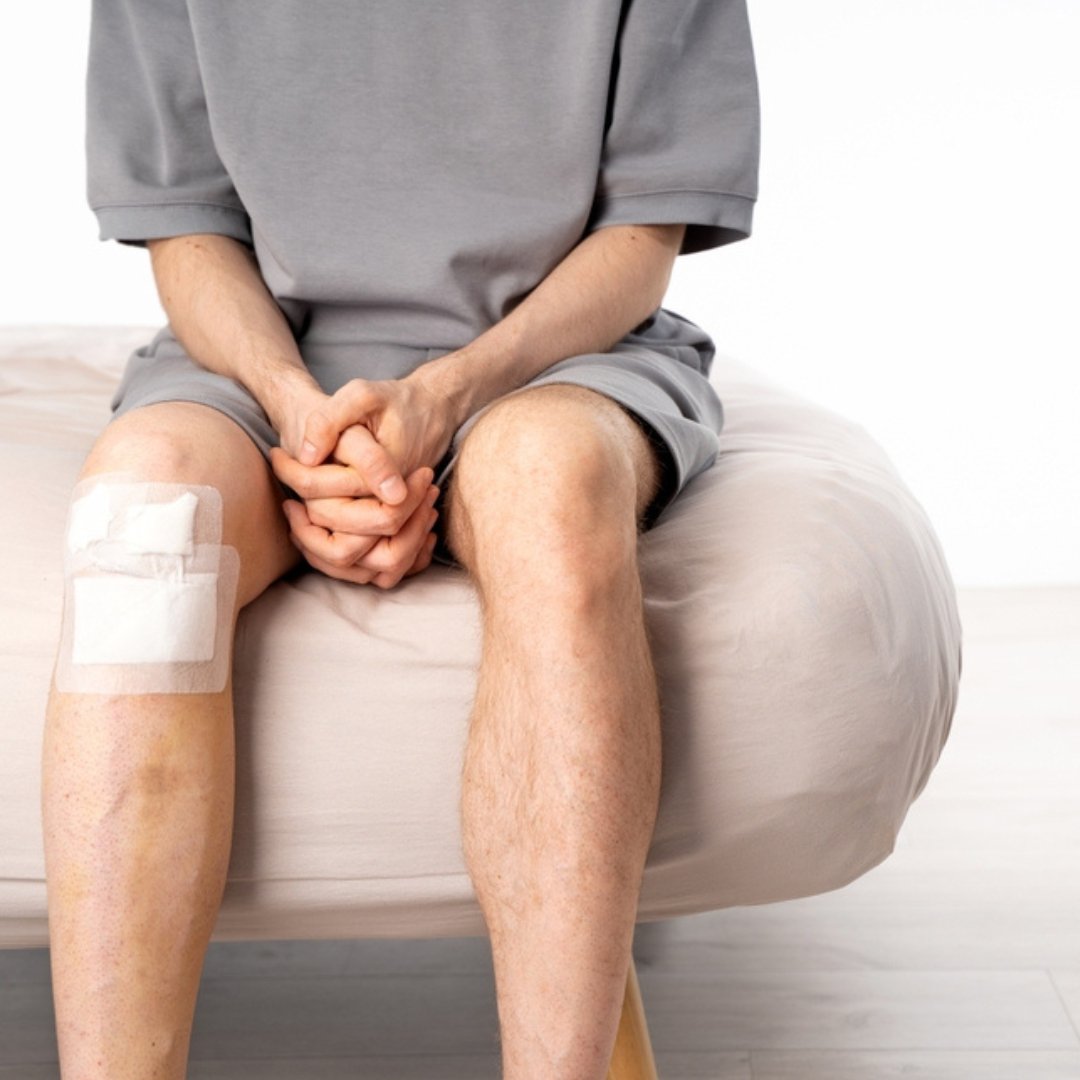
A successful knee replacement surgery doesn’t always feel like one. Here’s why regret happens and how strengthening prep changes the outcome.

Wondering if knee replacement surgery is worth it? Here’s what to weigh by age, from real benefits to recovery realities, before deciding.