Does Prehab for Knee Replacement Matter More Than Rehab?
Prehab before knee replacement builds strength and confidence, but it works best alongside rehab for a smoother recovery.

Many people believe the success of total knee replacement surgery is determined entirely in the operating room. The skill of the surgeon, the quality of the implant, and the surgical technique often receive most of the attention when people think about surgical outcomes.
However, an important part of knee replacement recovery often begins long before the procedure itself. A growing body of evidence suggests that the condition of the body and mind before surgery can strongly influence how smoothly recovery unfolds afterward. This concept is known as prehabilitation, or ‘prehab’.
Let’s explore several pre-operative factors that can influence surgical outcomes.
While post-operative rehabilitation focuses on rebuilding strength and mobility after surgery, prehab works to improve the body’s condition before the procedure takes place.
The goal of prehab is simple. Enter surgery as strong, mobile, and prepared as possible. This preparation can involve several types of activities designed to strengthen the knee and improve overall readiness for surgery.
Common elements of prehab before knee replacement surgery may include:
In many ways, prehab lays the groundwork for everything that happens after the procedure. When you begin recovery with stronger muscles and better mobility, rehabilitation can progress more smoothly.
Overall physical condition plays a significant role in how the body responds to knee replacement surgery. Several physical factors can influence how quickly you regain mobility and function during knee replacement recovery.

Some of the most important physical factors include:
Stronger muscles provide important support during the early phases of rehabilitation. When you already have a base level of strength before surgery, it often becomes easier to perform exercises designed to restore movement and stability.
Chronic health conditions can influence how the body heals after total knee replacement surgery. Medical conditions that affect circulation, inflammation, or metabolic health may impact the speed and quality of recovery.
Some of the conditions that can affect surgical recovery include:
These conditions do not prevent successful knee replacement surgery, but they may require additional preparation before the procedure.
For example, managing blood sugar levels in individuals with diabetes can help support proper wound healing. Cardiovascular health may also influence how well a person tolerates both the surgical procedure and the physical demands of rehabilitation.
Prehab often includes working with healthcare providers to improve overall health prior to surgery. Coordinated care between orthopedic surgeons, primary care physicians, and other specialists can help you enter surgery in the best possible condition.
Preparing for total knee replacement surgery is not only a physical process. Mental readiness can also play a powerful role in how each person approaches knee replacement recovery.
Recovery requires patience, consistency, and a willingness to work through gradual progress. Individuals who understand what the rehabilitation process involves are often more prepared to stay engaged throughout their recovery.
Important elements of mental preparation may include:
When patients enter surgery feeling mentally prepared, they are often better positioned to stay committed to the rehabilitation process.
Practical planning is another important component of successful knee replacement recovery. Preparing for everyday life ahead of time can make the post-surgery period easier to manage.
Taking a few simple steps before surgery can help create a safer and more comfortable recovery environment. Helpful preparation steps may include:

Planning ahead helps reduce unnecessary stress during the first weeks of recovery. Patients can focus more on healing and rehabilitation when their home environment and support systems are already organized.
Many people overlook this aspect of preparation, but thoughtful planning can make a meaningful difference in how manageable recovery feels.
When physical preparation, medical optimization, mental readiness, and practical planning come together, you can enter surgery with a stronger foundation for recovery.
Prehab helps you build several advantages before the procedure even begins. These benefits often include:
Patients who invest time in prehab often feel more prepared for the work involved in recovery. They may also experience a smoother transition into rehabilitation exercises and daily movement.
The success of total knee replacement surgery is influenced by more than what happens in the operating room. Surgical expertise is important, but preparation before surgery can also play a meaningful role in recovery outcomes. By improving muscle strength, maintaining mobility, managing health conditions, and planning ahead, you can enter surgery in a stronger position.
Finding the right prehab program may take time because every person has unique needs and physical limitations. Some individuals may benefit most from strengthening exercises, while others may need to focus more heavily on mobility and range-of-motion work.
Prehab programs that emphasize safe strengthening and consistent range-of-motion activities can help prepare the knee joint for both surgery and rehabilitation. Good luck on your knee journey!
Good knees start here. Don’t miss a step, subscribe to KneeMail for free tips from knee expert Shehla Rooney, PT!
Prehab before knee replacement builds strength and confidence, but it works best alongside rehab for a smoother recovery.
Learn how muscle strength before surgery can improve recovery from knee replacement and help support mobility, stability, and easier rehabilitation afterward.
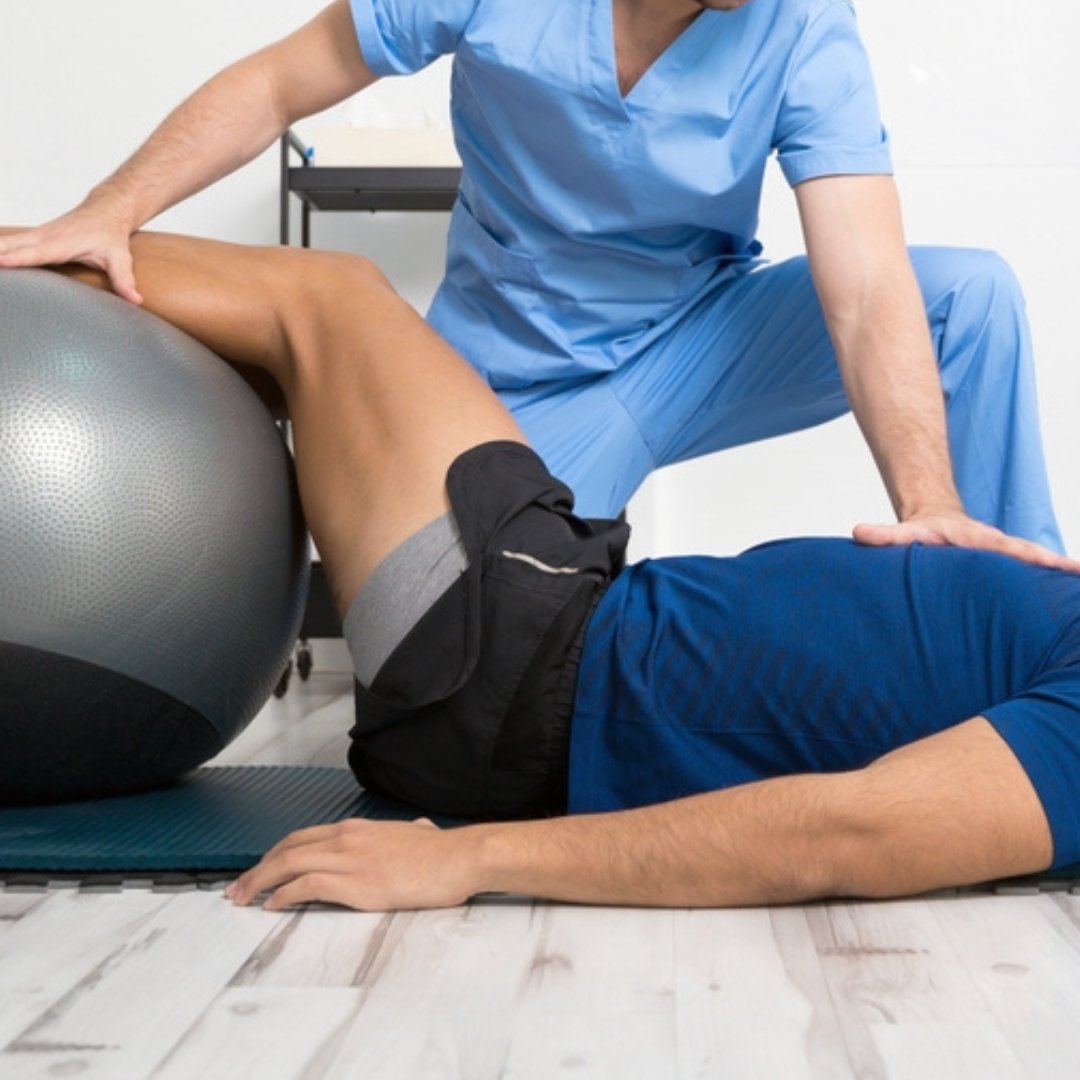
Physical therapy after knee replacement can happen at home or in a clinic. Learn how both approaches compare for mobility, strength, and knee replacement recovery.

Preparing for knee replacement surgery means strengthening the body, improving mobility, optimizing overall health, and preparing the home environment before surgery. This process, often called prehabilitation, helps make knee replacement recovery smoother and more efficient.
Knee replacement recovery involves more than surgery. Learn what surgeons often don’t have time to explain about rehab, challenges, and preparation.