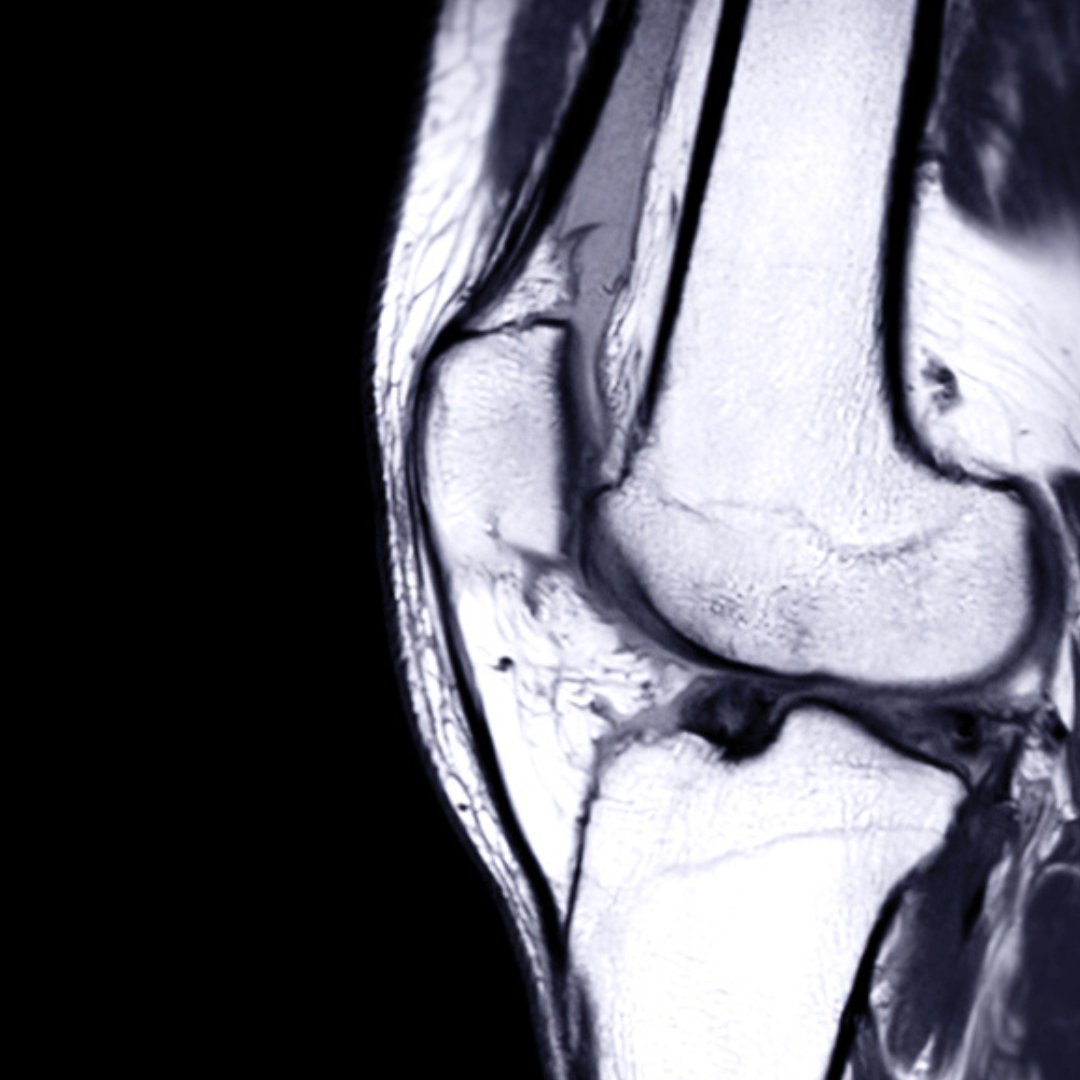
What Happens to the ACL After Total Knee Replacement Surgery?
Wondering what happens to your ACL after knee replacement? Learn why it’s removed, how your implant compensates, and what it means for your recovery.

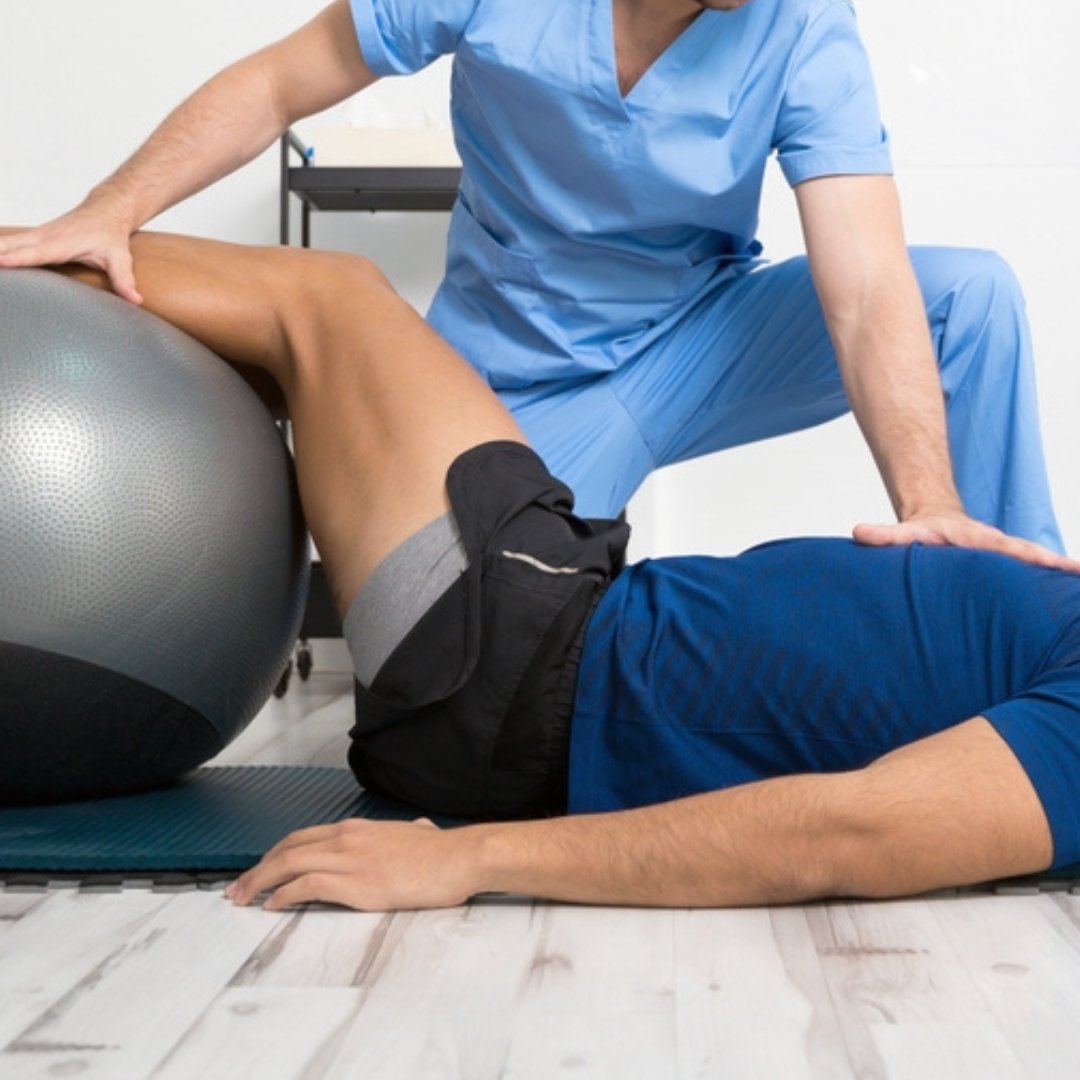
One of the most common questions I hear from people preparing for total knee replacement surgery is simple: Should I receive home health physical therapy or go to an outpatient physical therapy clinic?
Many people assume clinic-based therapy must be more effective, simply because they have more equipment at their disposal, and therefore will naturally produce better results than receiving therapy at home.
However, research over the past several years has revealed something interesting. Studies comparing home health physical therapy with outpatient physical therapy clinics often show similar long-term outcomes in pain management, mobility improvement, and overall function after knee replacement surgery.
In other words, the location of rehabilitation may matter less than most people think.
In this article, I will explain the role of physical therapy after knee replacement, discuss the differences between home health therapy and outpatient clinics, and highlight the importance of a consistent home exercise program during recovery.
Physical therapy after knee replacement plays a central role in restoring movement and strength in the joint. While surgery replaces the damaged surfaces of the knee, rehabilitation helps your body relearn how to move safely and efficiently with the new joint.
Without guided exercises and regular movement, stiffness and weakness can slow recovery after knee replacement. Rehabilitation helps your body adapt to the new joint and gradually return to everyday activities.
Physical therapy after knee replacement typically focuses on several key goals:
These goals work together to help you move more comfortably and confidently after surgery.
Home health physical therapy involves a licensed therapist visiting you in your home after surgery to guide rehabilitation sessions. This option is often recommended during the early phase of recovery, particularly when leaving the house for appointments may be difficult.
During home health visits, the therapist evaluates your mobility, monitors your progress, and guides you through exercises designed to restore strength and movement. They may also help you practice functional tasks within your home environment.
Some benefits of home health therapy include:
For many patients, this option provides reassurance and convenience during the first few weeks after surgery.
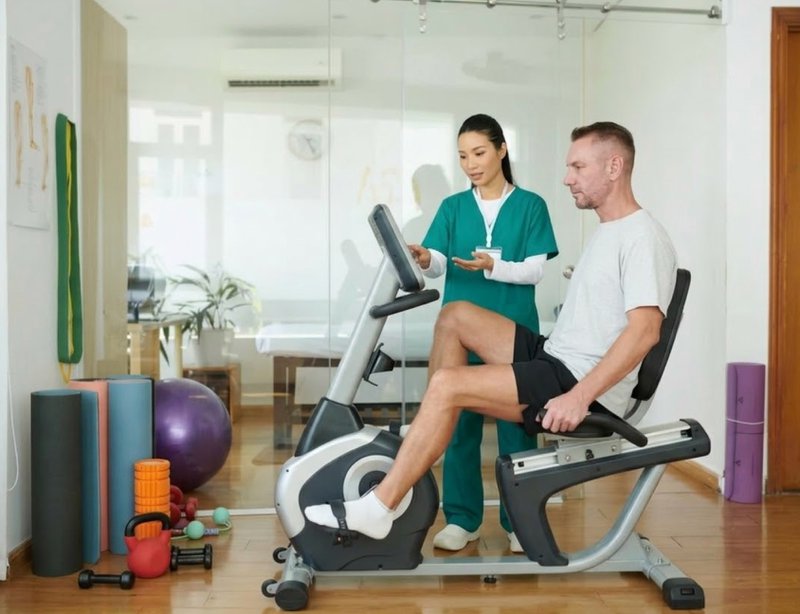
Outpatient physical therapy clinics provide rehabilitation sessions in a dedicated clinical setting. Patients travel to the clinic for scheduled appointments where therapists supervise exercises and monitor progress.
Clinics often provide access to specialized rehabilitation equipment and additional treatment techniques that may support recovery.
Some advantages of outpatient therapy include:
For individuals who prefer a more structured rehabilitation environment, outpatient therapy can provide consistent support throughout recovery.
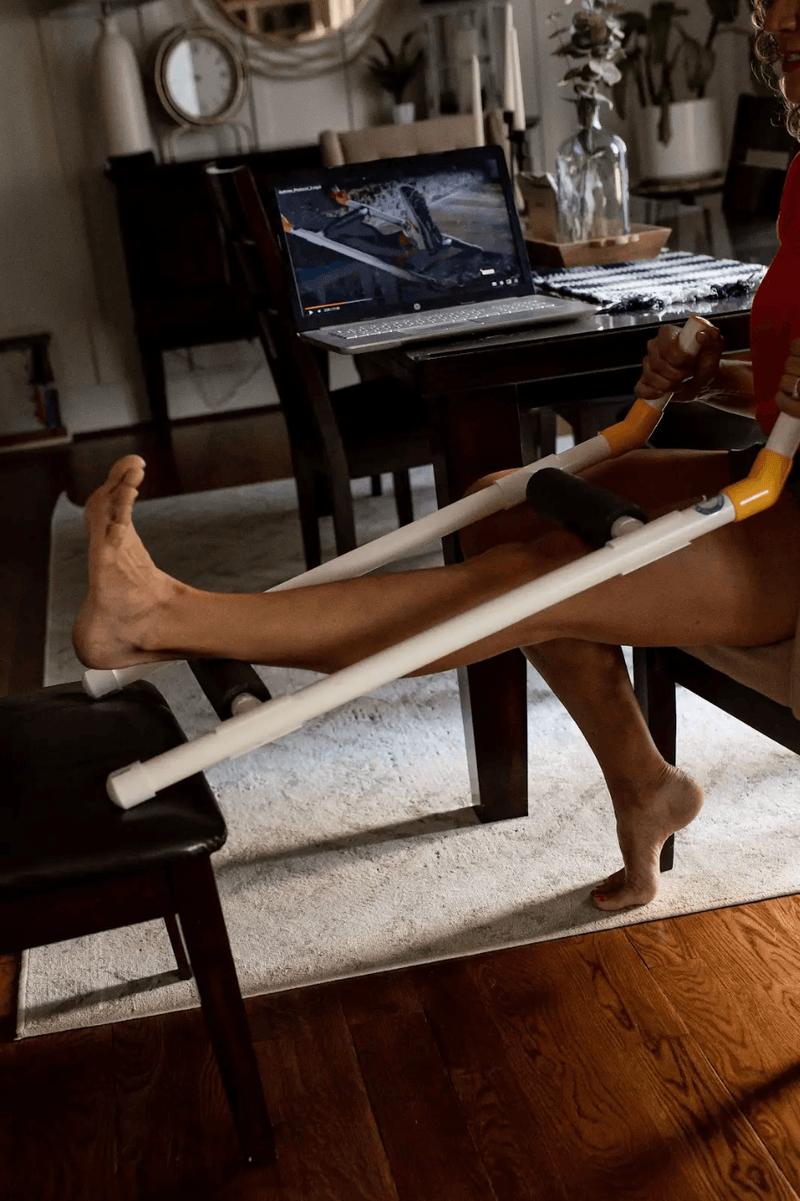
Regardless of whether you choose home health therapy or outpatient physical therapy, a home exercise program (HEP) is one of the most important parts of recovery.
Your therapist will typically prescribe exercises that you perform on your own between therapy sessions. These exercises help maintain progress and prevent stiffness from developing in the knee joint between your therapy visits.
Common components of a home exercise program may include:
The most successful knee replacement recoveries usually involve regular daily exercise, not just the time spent during formal therapy sessions.
Choosing between home health physical therapy and outpatient therapy often depends on practical and personal factors.
Several considerations may influence your decision:
Each person’s recovery experience is different, and these factors often guide the rehabilitation plan.
One important message I emphasize to people recovering from knee replacement surgery is this: consistency matters more than location.
Whether rehabilitation happens through home health visits or outpatient clinic sessions, progress depends on how consistently you perform your exercises everyday at home.
Successful rehabilitation usually includes:
Small, consistent efforts often lead to meaningful improvements in knee function over time.
Both home health physical therapy and outpatient physical therapy clinics can support successful recovery after total knee replacement.
The best option is the one that fits your situation and helps you stay consistent with your rehabilitation program. Recovery includes a combination of professional therapy AND a structured home exercise program that keeps the knee moving between sessions.
Programs like GoKnee can also support early rehabilitation by helping individuals strengthen the knee and maintain mobility while progressing at their own pace. The most important step is staying engaged in your recovery and committing to the exercises that support long-term knee health.
Good luck on your knee journey!
Good knees start here. Don’t miss a step, subscribe to KneeMail for free tips from knee expert Shehla Rooney, PT!
Wondering what happens to your ACL after knee replacement? Learn why it’s removed, how your implant compensates, and what it means for your recovery.

Discover the benefits of prehab before total knee replacement surgery and how a few weeks of preparation can set you up for a faster, smoother recovery.
Age shapes your knee replacement surgery recovery, but it doesn’t define it. Learn what younger and older adults can expect and how to recover faster.

The biggest mistake before knee replacement surgery? Skipping prehab. Learn how it impacts knee replacement recovery and what to do instead.

Are cortisone shots helping or harming your knee? Learn the risks, benefits, and what they mean for long-term knee health.