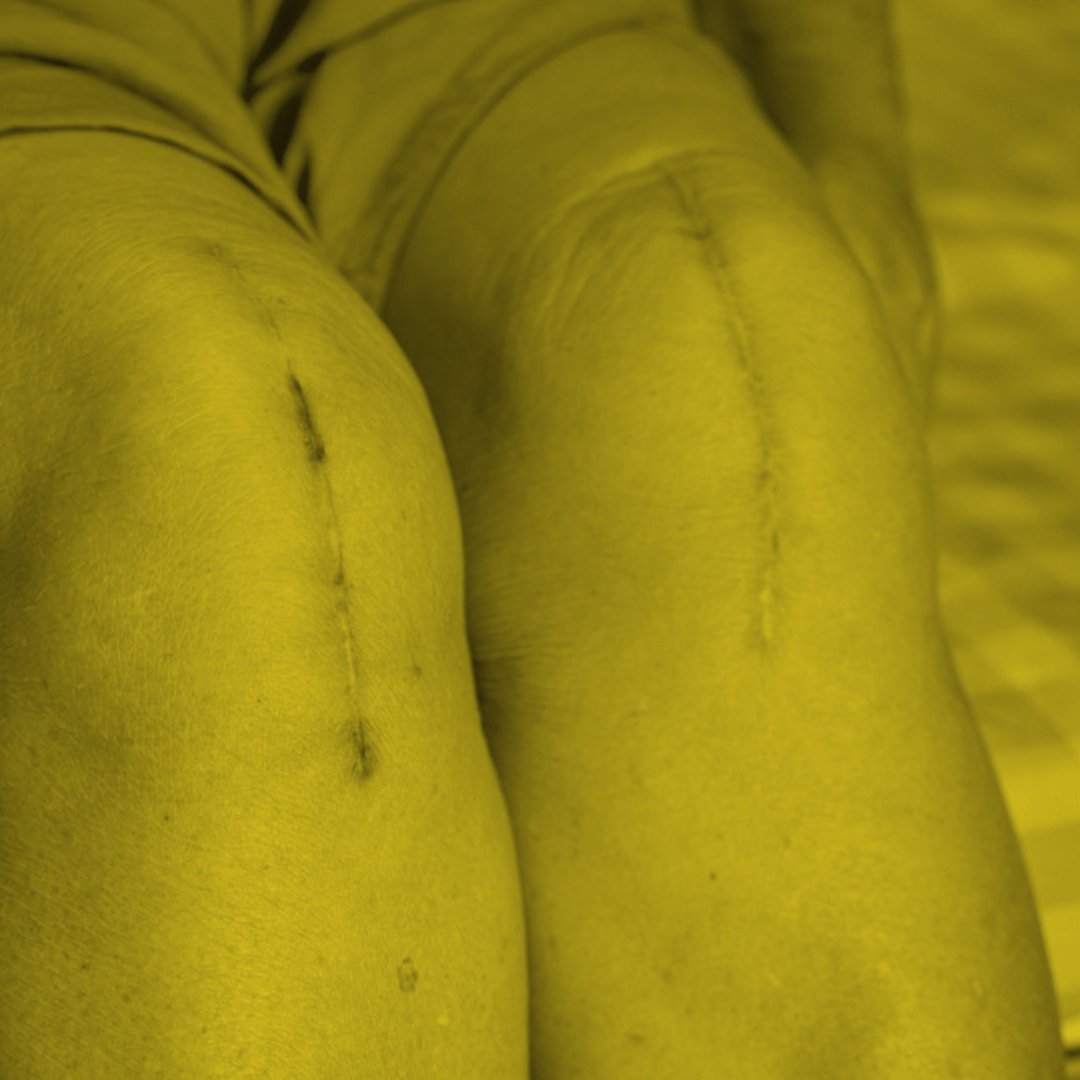
What’s Missing in Many Knee Replacement Recovery Plans?
Physical therapy alone isn’t always enough. Discover what’s missing from knee replacement surgery rehab, from nutrition to prehab, for a fuller recovery.

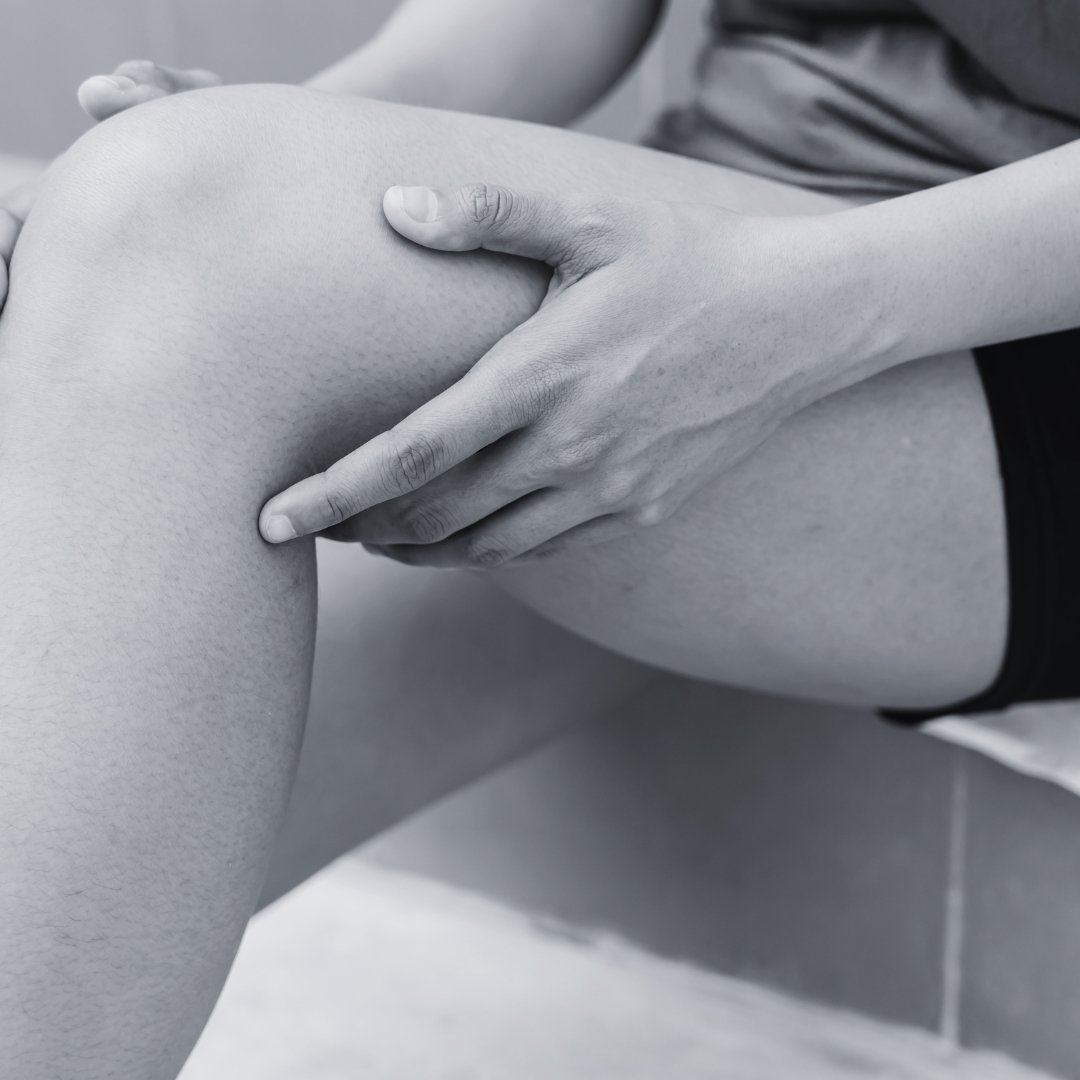
If you have been researching total knee replacement surgery, you have probably come across the term prehab more than once. It is often described as a way to “prepare” your knee before surgery, but many people quietly wonder the same thing: does prehab matter more than what happens after?
From my experience working with people going through knee replacement recovery, the answer is simple. Prehab does not matter more than rehab. Both matter, and they work best when they support each other.
Let’s talk about what prehab really does, where it fits into your journey, and what else you can do to set yourself up for a smoother knee replacement recovery.
Prehab focuses on improving your strength, mobility, and confidence before your operation. Think of it as giving your knee a head start.
When your muscles are stronger and your joint moves a little better going into surgery, your body has an easier time responding afterward. You may notice that bending your knee feels less intimidating, and simple movements like getting out of a chair feel more controlled.
Organizations like the American Academy of Orthopaedic Surgeons (AAOS), have increasingly highlighted the importance of conditioning before total knee replacement surgery. Even so, many people are provided with very little structure or guidance on what to actually do.
That gap matters. Without direction, prehab can become inconsistent, too aggressive or overly cautious, which limits how helpful it can be.
This is where things need a little clarity. Prehab helps you go into surgery stronger, but rehab is what determines how your knee functions long term. After total knee replacement surgery, your knee needs to relearn movement, rebuild strength, and regain range of motion.
If you skip prehab, you can still have a successful knee replacement recovery. It may feel a bit tougher in the early stages, but progress is still very possible.
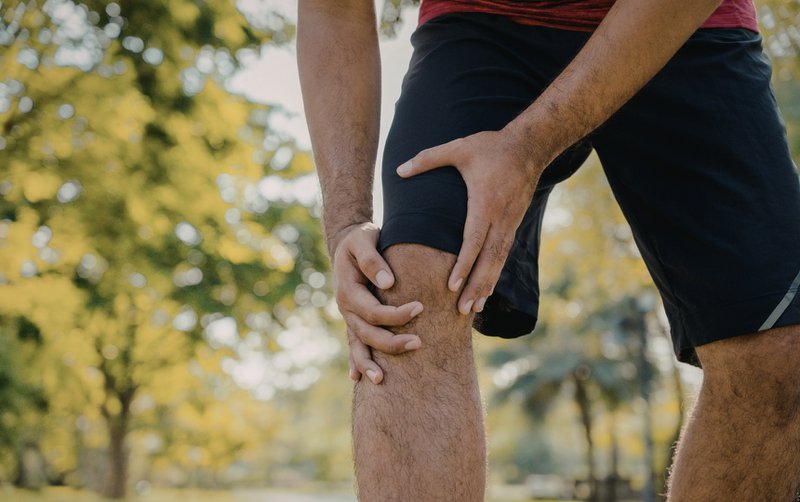
If you skip rehab, that is where problems tend to show up. Stiffness, limited motion, and lingering discomfort often come from not doing enough after surgery.
So no, prehab does not matter more than rehab. It acts like a helpful boost, while rehab does the heavy lifting.
Even though rehab carries more long-term weight, prehab has real benefits that are hard to ignore. First, it builds familiarity. When you practice movements before surgery, they feel less foreign afterward. That confidence makes it easier to stay consistent.
Second, it improves your starting point. Stronger muscles and better joint awareness give you a smoother transition into post-operative exercises.
Third, it reduces hesitation. Many people feel unsure about pushing their knee after surgery. Prehab helps you understand what effort feels like versus what danger feels like.
The biggest issue is not whether prehab works. It is that many people are left guessing how to do it properly.
This part surprises a lot of people, but it comes down to time and structure. Surgeons are focused on the procedure itself. Appointments are often short, and there is limited opportunity to walk through detailed exercise plans. Physical therapy may be mentioned, but rarely broken down into a clear, step-by-step approach before surgery.
As a result, you might hear, “Stay active,” or “Do some exercises,” without knowing exactly what that means for your knee.
That lack of structure is one of the biggest missed opportunities in total knee replacement surgery preparation.
If you are preparing for surgery, you do not need a complicated routine. You need consistency and the right focus. Start with gentle range of motion work. Practice bending and straightening your knee within a comfortable range. The goal is to remind your joint how to move, not to force it.
Add basic strengthening exercises. Focus on your quadriceps, hamstrings, and glutes. These muscles support your knee and help with everyday movements like walking and stair climbing.
Work on functional movements. Sit-to-stand exercises, step-ups, and short walks help prepare you for daily activities after surgery.
Pay attention to swelling and discomfort. A little effort is good, but pushing through sharp pain usually slows you down instead of helping.
Keep it simple and repeatable. The best prehab plan is the one you can stick to regularly.

Prehab is only one piece of the puzzle. There are other steps that can make your knee replacement recovery smoother and less stressful.
Prepare your home environment. Move frequently used items within easy reach, set up a comfortable resting area, and remove tripping hazards. Small changes can make a big difference in your daily routine after surgery.
Plan your support system. Whether it is a family member, a friend, or a caregiver, having help during the first few weeks can ease both physical and mental strain.
Understand your timeline. Knowing what to expect during knee replacement recovery helps you stay patient with the process. Progress often comes in small wins, not big leaps.
Focus on nutrition and hydration. Your body needs fuel to heal. Balanced meals and staying hydrated support tissue repair and overall energy.
Set realistic expectations. Your knee will improve over time, but it will not feel perfect overnight. Giving yourself space to progress step by step helps you stay consistent.
Prehab is valuable. It helps you feel stronger, more prepared, and more confident going into total knee replacement surgery. Rehab is essential. It shapes how your knee moves and feels in the long run.
When you combine both, you give yourself the best chance at a smoother knee replacement recovery. You walk into surgery with a stronger foundation and continue building from there.
GoKnee supports this full journey by guiding you through both prehab and knee replacement recovery with a structured program focused on range of motion. With tools that mimic the hands of a therapist, you can safely perform advanced techniques at home and stay consistent throughout every phase. Good luck on your knee journey!
Good knees start here. Don’t miss a step, subscribe to KneeMail for free tips from knee expert Shehla Rooney, PT!
Physical therapy alone isn’t always enough. Discover what’s missing from knee replacement surgery rehab, from nutrition to prehab, for a fuller recovery.
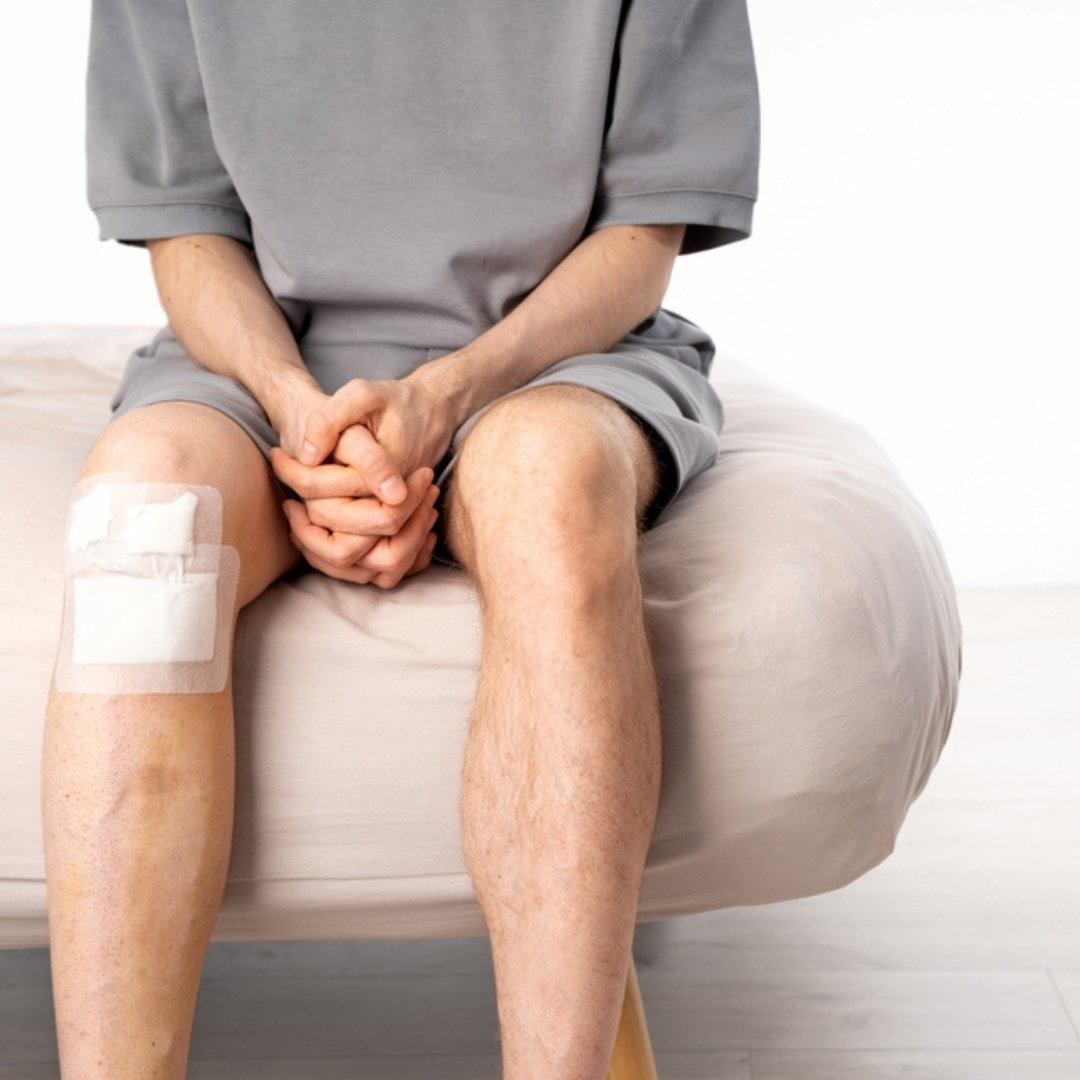
A successful knee replacement surgery doesn’t always feel like one. Here’s why regret happens and how strengthening prep changes the outcome.

Wondering if knee replacement surgery is worth it? Here’s what to weigh by age, from real benefits to recovery realities, before deciding.

Knee replacement surgery recovery doesn’t have to happen in a clinic. Discover why home-based prehab and posthab programs are changing outcomes for the better.
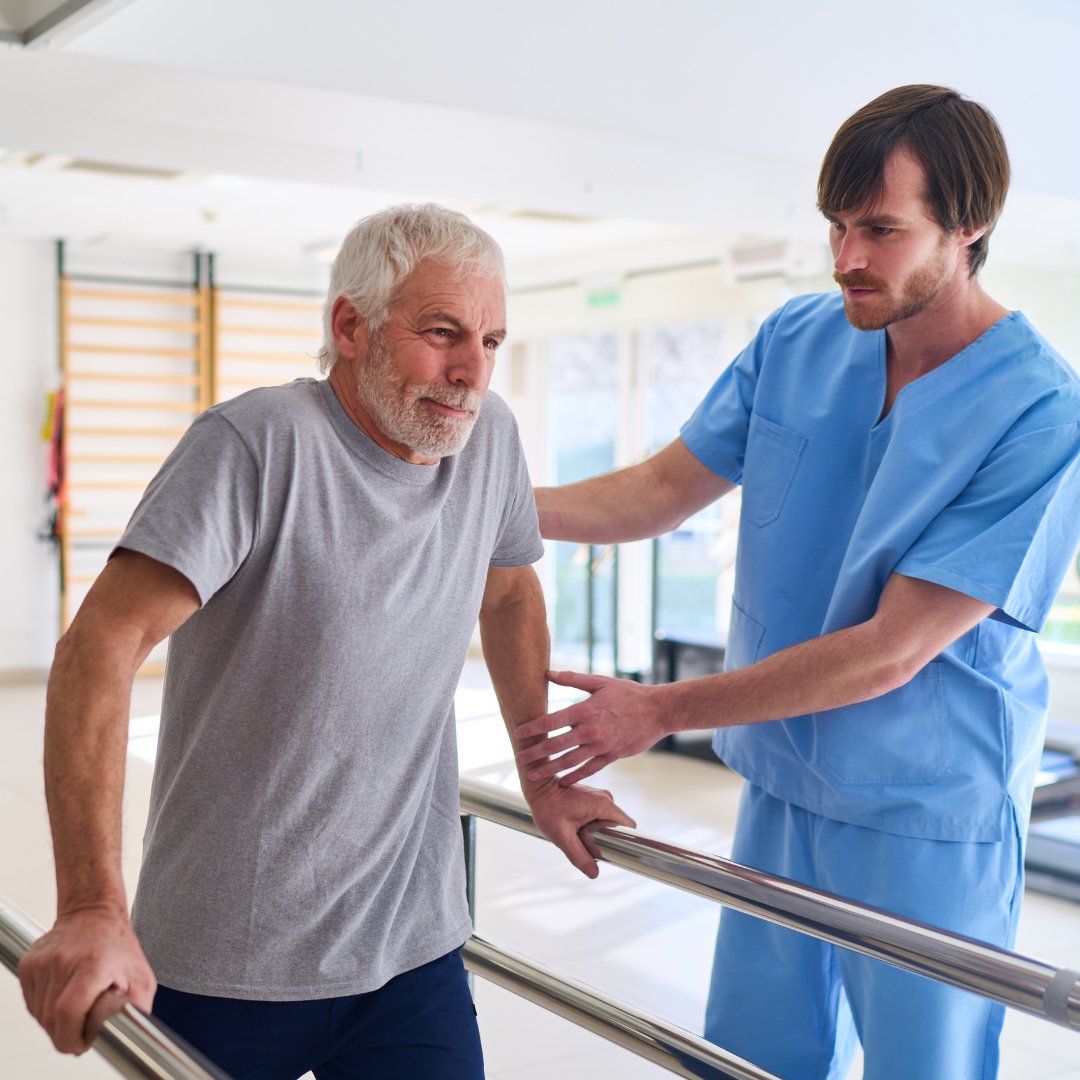
Physical therapy is essential after total knee replacement surgery, but it’s only one piece. Here’s what else drives a faster, fuller recovery at home.