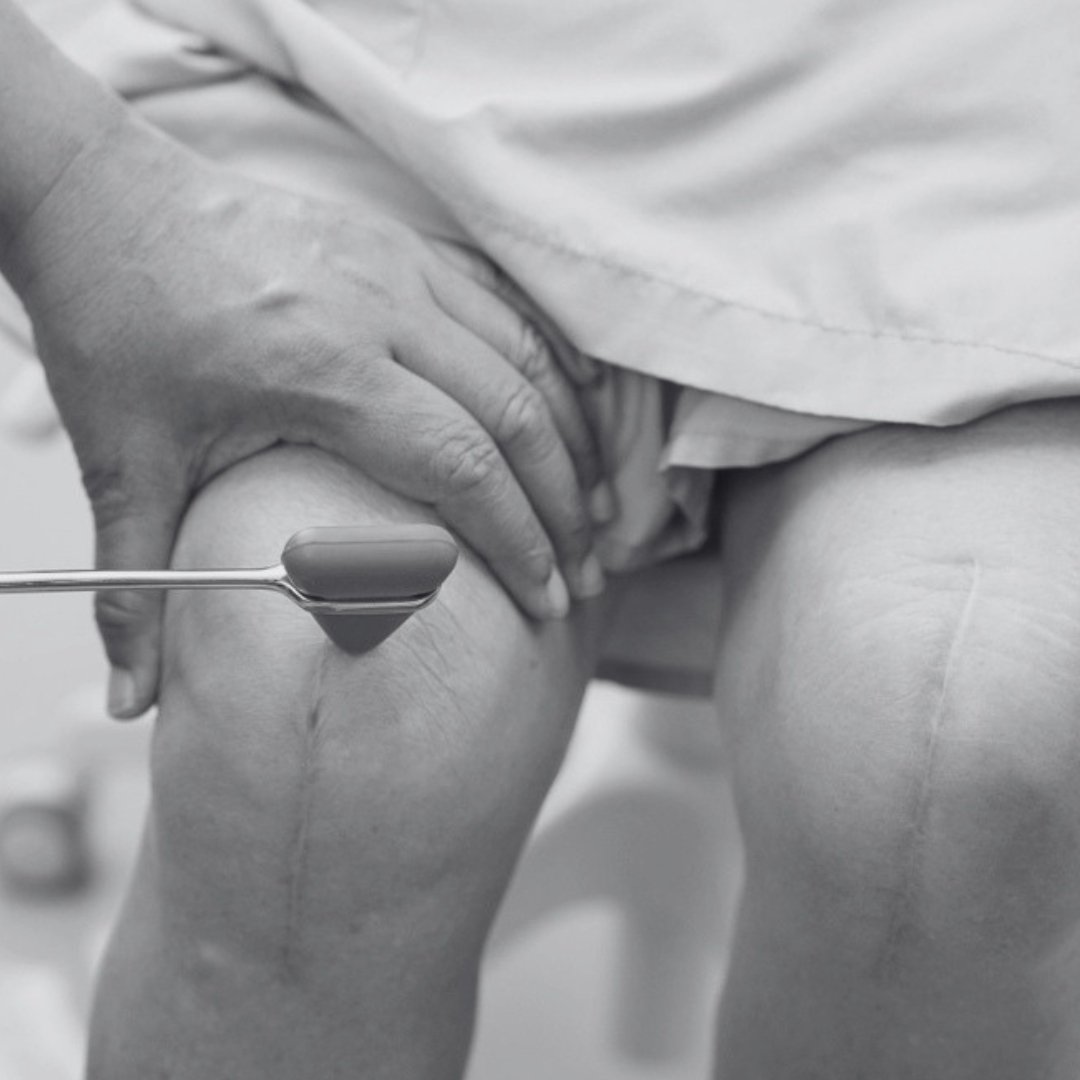
What Knee Replacement Recovery Timeline Looks Like
Wondering what the knee replacement recovery timeline looks like at 6 weeks, 3 months, or a year out? Here’s a realistic timeline plus healing tips.

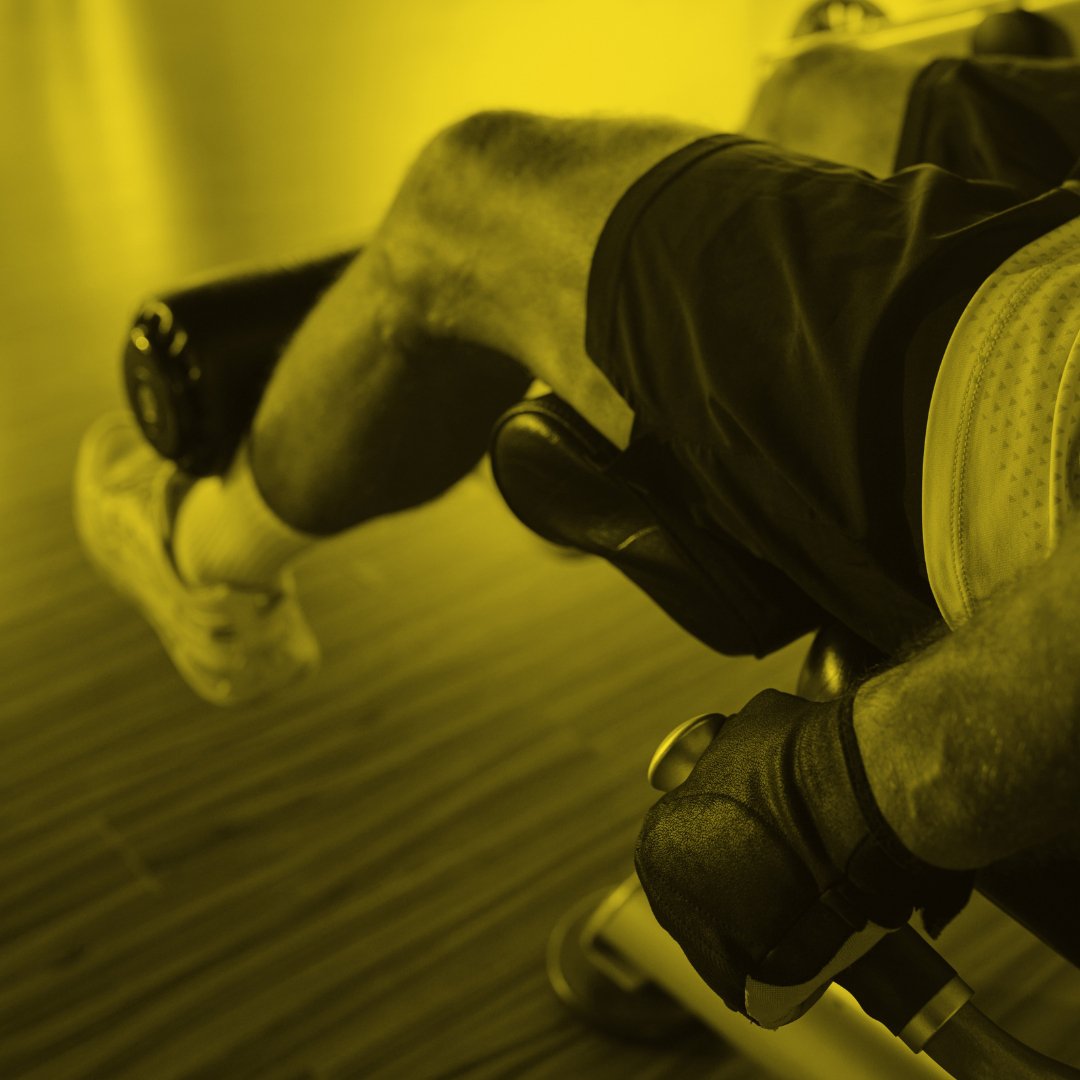
Many people assume that recovery from knee replacement begins after the procedure itself. It is common to think that once the joint is replaced, the real work of rehabilitation starts. However, in my experience helping people through total knee replacement surgery recovery, preparation before the procedure can make a major difference. One of the most important factors is muscle strength.
In this article, I will explain how muscle strength influences recovery from knee replacement and why strengthening the body before surgery can help improve mobility, stability, and overall confidence during the recovery.
Muscle strength plays an important role in joint stability. The muscles surrounding the knee act like a support system that helps control movement and absorb forces during everyday activities. Over time, knee discomfort often causes people to move less. When movement decreases, muscles gradually weaken. This is especially common in the muscles that support the knee joint.
Weak muscles can make daily activities more difficult. They may also place additional stress on the joint, which can increase discomfort and limit mobility. When these muscles lose strength, the knee must work harder during movement. This can make early rehabilitation more challenging after total knee replacement surgery.
Strengthening these muscles before surgery prepares the body to adapt more easily to the new joint during knee replacement recovery.
Among all the muscles surrounding the knee, the quadriceps are particularly important. The quadriceps are the large muscles located on the front of the thigh. They play a central role in many everyday movements. These muscles help with:
During total knee replacement surgery recovery, the quadriceps must work hard to stabilize the new joint. Post-surgical weakness is common; swelling and inactivity play a role, as does the body’s recovery process and the specific nature of the surgical cuts themselves.
Building quadriceps strength before surgery also helps offset some of the weakness that naturally occurs after the procedure.

Prehabilitation refers to strengthening and conditioning the body before total knee replacement surgery. I often recommend beginning prehabilitation exercises several months before the procedure whenever possible.
Strengthening muscles six to eight weeks or longer before surgery can help protect against muscle loss during the early stages of knee replacement recovery.
After surgery, temporary swelling and reduced activity can lead to muscle atrophy, which means the muscles shrink or weaken. Entering surgery with stronger muscles can help reduce the impact of this process. When you start knee replacement recovery with stronger muscles and better movement capacity, rehabilitation often feels more manageable.
Not all exercises are equally helpful before total knee replacement surgery. Targeted strengthening movements can help support knee stability and prepare the body for the demands of rehabilitation.
These exercises focus on building strength in the muscles that control knee movement and support joint alignment. Important exercise areas may include:
These movements help reinforce the muscles that guide knee movement. Stronger muscles can improve joint mechanics and reduce unnecessary strain during daily activities. Performing these exercises consistently before surgery can make early rehabilitation exercises feel more familiar and achievable.
Muscle strength is not the only factor that influences recovery from knee replacement. Cardiovascular fitness also plays an important role in how the body responds to rehabilitation.
A healthy cardiovascular system supports circulation, oxygen delivery, and overall endurance. These elements help your body tolerate the physical demands of rehabilitation. Improved cardiovascular fitness can also support:
Low-impact cardiovascular activities are often helpful before total knee replacement surgery. Examples may include:
These activities help strengthen the heart and lungs without placing excessive stress on the knee joint. When cardiovascular fitness improves, many people find they can perform rehabilitation exercises more comfortably.
An often overlooked part of preparing for total knee replacement surgery is upper-body strength. During the early stages of knee replacement recovery, your arms, shoulders, and core muscles play an important role in supporting mobility.
Upper body strength can help with several common activities after surgery, including:
When the upper body is stronger, it becomes easier to move safely while the knee continues to regain strength. Strengthening the arms, shoulders, and core before surgery can help maintain independence during the early phases of knee replacement recovery.

In addition to strengthening individual muscles, preparing for everyday movements can make the transition after surgery smoother. Functional movement training focuses on practicing the types of movements you perform during daily life. Examples of helpful functional preparation include:
These movements help train the muscles and nervous system to work together more efficiently. When you practice these patterns before surgery, they often feel more familiar during early rehabilitation. This familiarity can make exercises feel less intimidating during knee replacement recovery.
Strengthening the quadriceps, supporting muscles, cardiovascular system, and upper body can all help prepare the body for the demands of knee replacement recovery. Functional movement practice and regular exercise also help build familiarity with the activities that will become part of rehabilitation.
When a strong body is paired with a prepared mindset, the transition into rehabilitation often feels smoother and more manageable. If you are preparing for total knee replacement surgery, beginning strengthening exercises early can help your body enter surgery ready for the work ahead.
For individuals who prefer to complete their strengthening program at home, GoKnee offers a complete prehabilitation and post-operative rehabilitation program designed to support knee replacement recovery.
Good luck on your knee journey!
Good knees start here. Don’t miss a step, subscribe to KneeMail for free tips from knee expert Shehla Rooney, PT!
Wondering what the knee replacement recovery timeline looks like at 6 weeks, 3 months, or a year out? Here’s a realistic timeline plus healing tips.
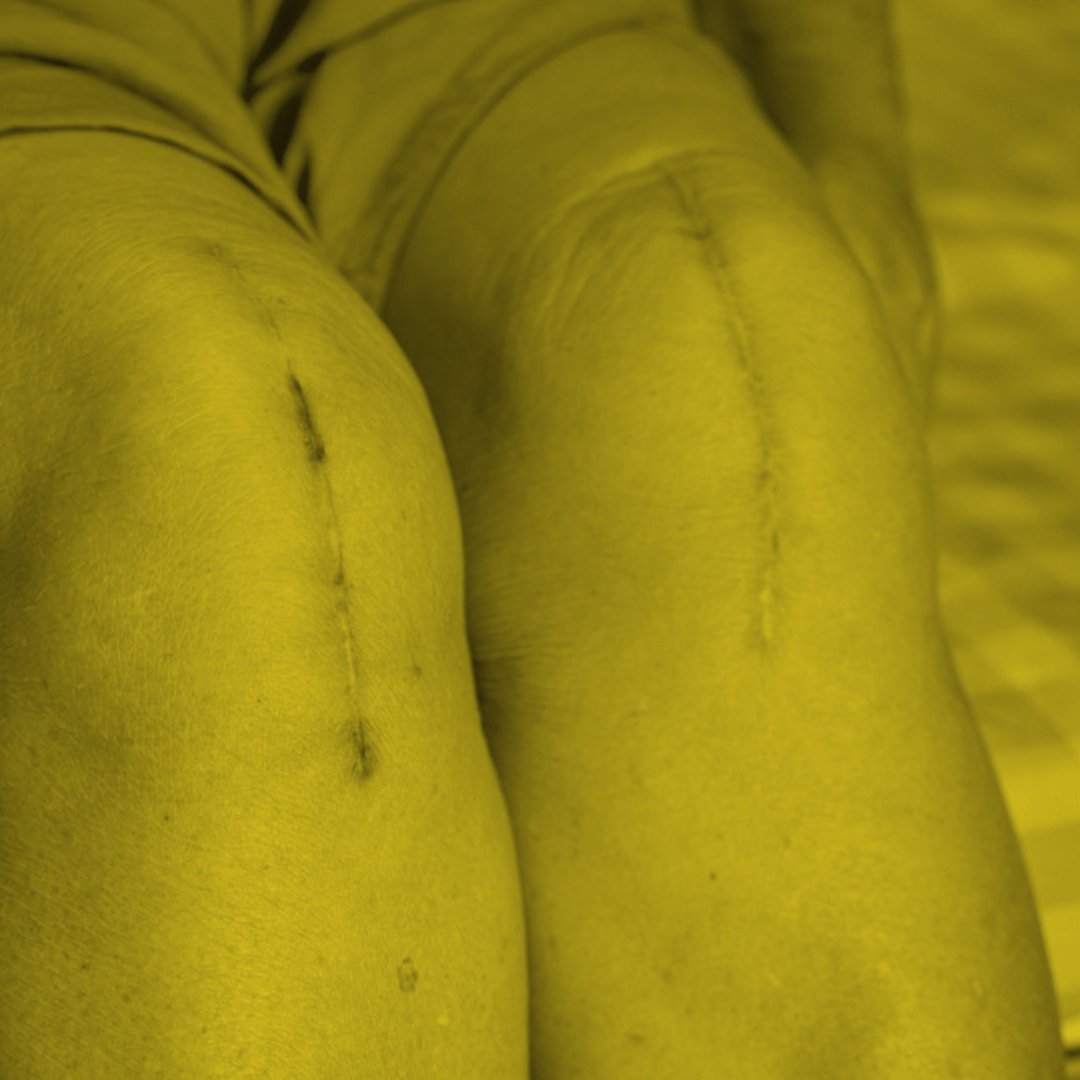
Physical therapy alone isn’t always enough. Discover what’s missing from knee replacement surgery rehab, from nutrition to prehab, for a fuller recovery.
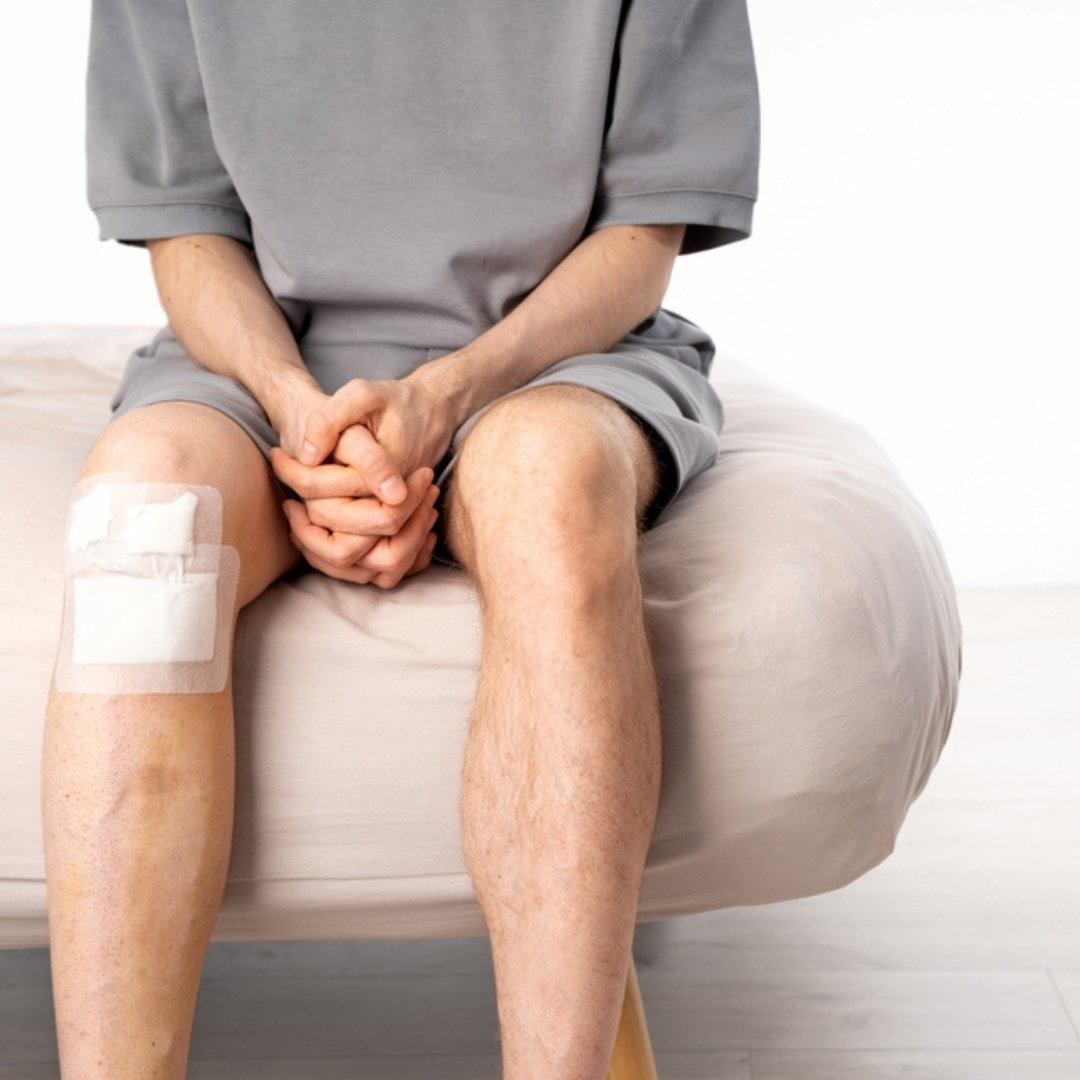
A successful knee replacement surgery doesn’t always feel like one. Here’s why regret happens and how strengthening prep changes the outcome.

Wondering if knee replacement surgery is worth it? Here’s what to weigh by age, from real benefits to recovery realities, before deciding.

Knee replacement surgery recovery doesn’t have to happen in a clinic. Discover why home-based prehab and posthab programs are changing outcomes for the better.