
Knee Replacement Recovery Isn’t Just Physical: What to Expect Emotionally
Knee replacement recovery is not just physical. Learn what to expect emotionally and how to make the process easier from start to finish.

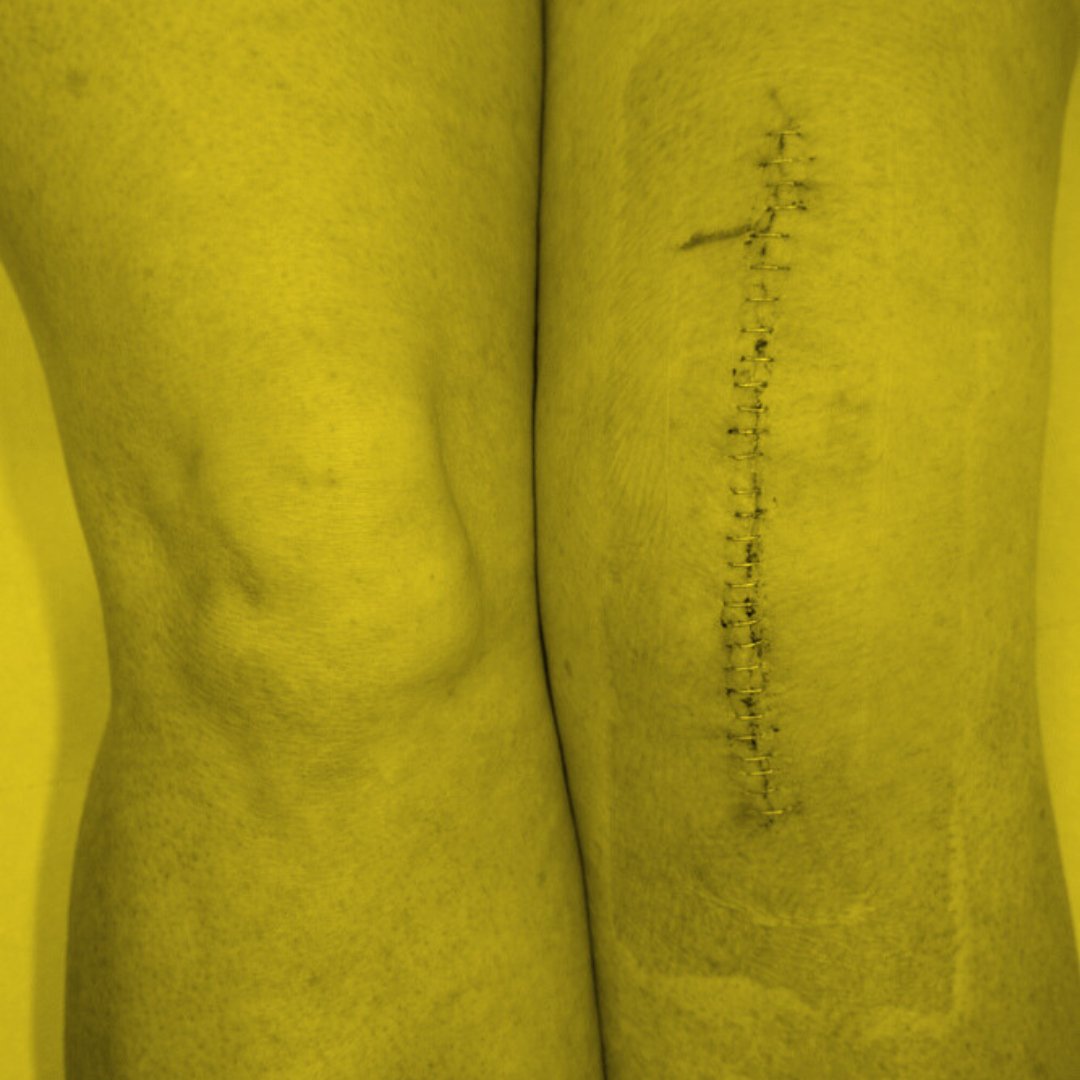
If you’ve gone through total knee replacement surgery or you’re preparing for it, you may have already noticed something surprising. One day, your knee feels manageable, even hopeful. The next day, the pain feels sharper, stiffer, or louder than you expected. I hear this concern all the time, and I want you to know something right away. This day-to-day change in pain after knee replacement surgery is normal, explainable, and temporary.
As a physical therapist who has helped thousands of people through knee replacement recovery, I can tell you that fluctuating pain does not mean you’re failing or doing something wrong. It means your body is actively healing, adapting, and learning how to move again.
Let’s walk through the reasons why pain after knee replacement surgery changes from day to day, and what you can do to stay confident through the process.
Total knee replacement surgery affects bone, muscle, ligaments, tendons, nerves, and skin all at the same time. Each of those tissues heals on a different timeline. Bone responds differently than muscle. Nerves calm down more slowly than skin. Swelling inside the joint shifts as you move more or rest more.
On days when deeper tissues are more inflamed, pain may feel achy, heavy, or tight. On other days, when nerves are more irritated, pain may feel sharper or more sensitive. These shifts are part of knee replacement recovery, not a setback. Your body is not following a straight line. It is stacking progress in layers.
Inflammation is one of the biggest drivers of pain after knee replacement surgery. Early on, inflammation is expected. It helps bring nutrients to the area and supports healing. But inflammation is also reactive.
If you walked more yesterday, stood longer, or challenged your knee in a new way, swelling may increase the next day. That swelling puts pressure on surrounding tissues and nerves, which can amplify pain signals.
This is why you might feel worse the day after a “good” day. Your knee is responding to increased demand, not regressing. Learning how much is enough versus too much is one of the most important skills during knee replacement recovery.

During total knee replacement surgery, nerves are stretched, moved, and irritated. Even though the damaged joint surfaces are replaced, your nervous system (brain) still remembers what pain felt like before surgery.
As healing progresses, your brain and nerves are constantly recalibrating. Some days, they are calmer and more confident. Other days, they are more protective and sensitive. This is especially common when swelling increases, sleep is poor, or stress levels rise.
Pain after knee replacement surgery is not only about tissue damage. It is also about how your nervous system interprets safety and threat. Over time, with consistent movement and reassurance, that system settles.
After knee replacement surgery, muscles around your knee, hip, and ankle are working overtime. Muscles that were weak before surgery now have to support a new joint. Muscles that were protecting your knee before surgery are learning to relax.
On days when muscles fatigue more quickly, pain may feel heavier or more widespread. You may notice soreness above or below the knee, not just at the joint itself. This does not mean something is wrong with the replacement. It means your muscles are adapting.
Building strength gradually and allowing adequate rest helps smooth out these ups and downs during knee replacement recovery.
One of the most overlooked contributors to pain after knee replacement surgery is sleep (or lack therof). When sleep is disrupted, your pain threshold drops. Your brain becomes more sensitive to discomfort, and even normal sensations can feel amplified.
Poor sleep can come from swelling, positioning challenges, medication changes, or stress. When you notice pain feels worse after a rough night, that connection is real. Improving sleep hygiene and positioning can have a noticeable impact on how your knee feels the next day.
Pain is never purely physical. Your mindset, confidence, and emotional state influence how pain signals are processed. Anxiety, frustration, or fear can heighten pain perception. Hope, understanding, and consistency can reduce it.
When pain after knee replacement surgery fluctuates, it is easy to worry that something is wrong. That worry alone can make pain feel more intense. Education helps calm that loop. Once you understand why pain changes, it becomes easier to respond with patience rather than panic.

Knee replacement recovery rarely feels smooth. You might gain range of motion one week and feel stiffer the next. Pain may drop significantly, then spike briefly without warning. This uneven pattern does not erase progress.
Think of recovery like climbing a hill with small dips along the way. The overall direction is forward, even when individual days feel challenging. Tracking trends over weeks rather than judging single days gives you a clearer picture of how far you’ve come.
One of the most effective ways to reduce unpredictable pain after knee replacement surgery is structured, progressive rehab. When movement is consistent, tissues adapt more predictably. When muscles strengthen steadily, joints feel more supported. When techniques are performed correctly, inflammation is better managed.
Programs that guide you through knee replacement recovery while allowing adjustments for how your knee feels that day help create confidence. You are no longer guessing what to do or when to do it. That structure alone reduces fear and improves outcomes.
Changing pain levels do not mean your knee replacement is failing. They mean your body is working. Knowing the science behind pain after knee replacement surgery gives you power. It allows you to respond thoughtfully instead of emotionally, and to stay engaged in your knee replacement recovery even on harder days.
If you are looking for guidance that brings structure and clarity to this process, GoKnee offers a proven approach that is clinically shown to cut knee recovery time in half following knee replacement. It combines prehab, post-operative exercises, and long-term maintenance, all designed to help you move forward safely and confidently.
Good luck on your knee journey!
Good knees start here. Don’t miss a step, subscribe to KneeMail for free tips from knee expert Shehla Rooney, PT!
Knee replacement recovery is not just physical. Learn what to expect emotionally and how to make the process easier from start to finish.

ACL surgery can raise arthritis risk over time, but it doesn’t guarantee knee replacement. Learn how to protect your knee long term.
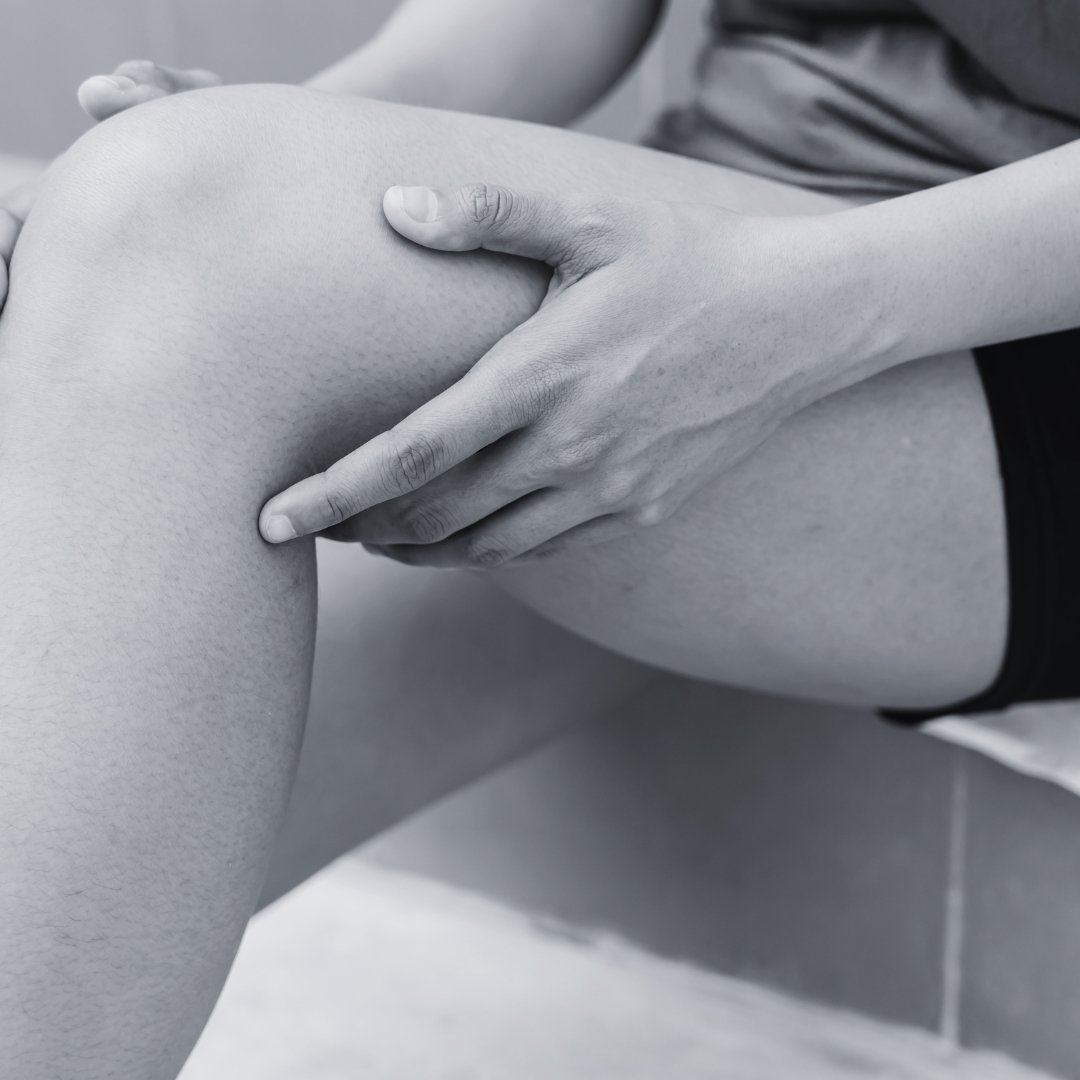
Prehab before knee replacement builds strength and confidence, but it works best alongside rehab for a smoother recovery.
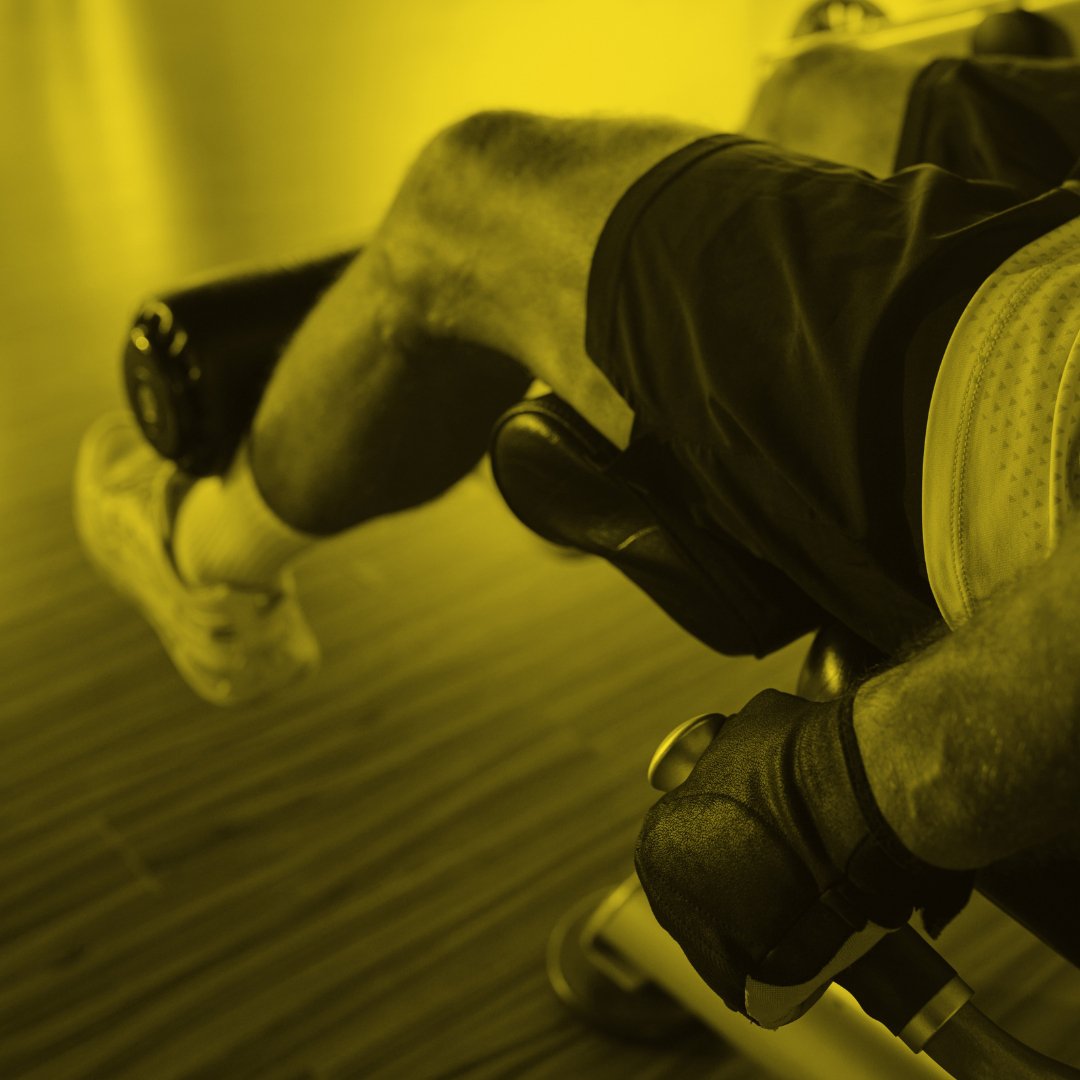
Learn how muscle strength before surgery can improve recovery from knee replacement and help support mobility, stability, and easier rehabilitation afterward.
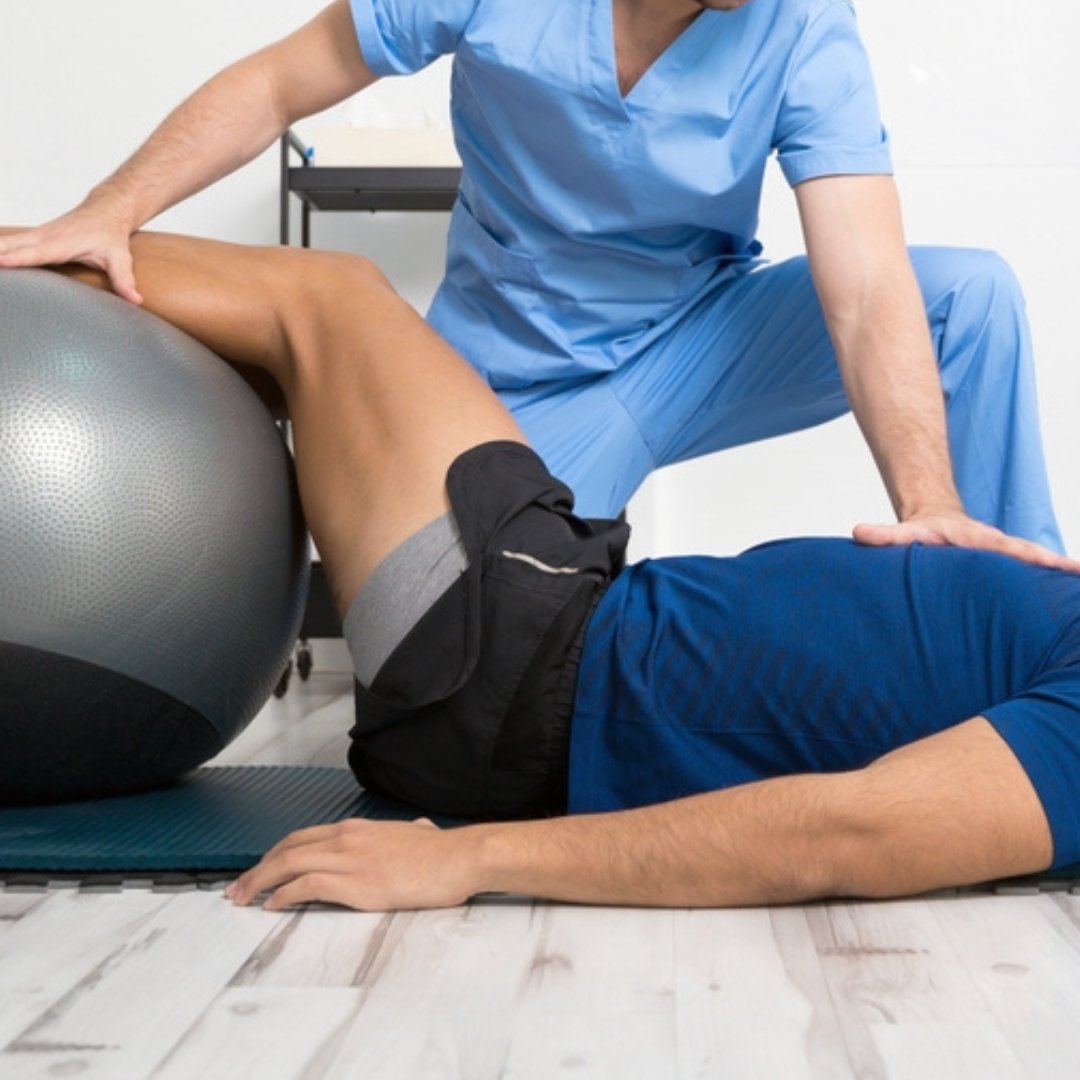
Physical therapy after knee replacement can happen at home or in a clinic. Learn how both approaches compare for mobility, strength, and knee replacement recovery.