What Knee Replacement Recovery Timeline Looks Like
Wondering what the knee replacement recovery timeline looks like at 6 weeks, 3 months, or a year out? Here’s a realistic timeline plus healing tips.

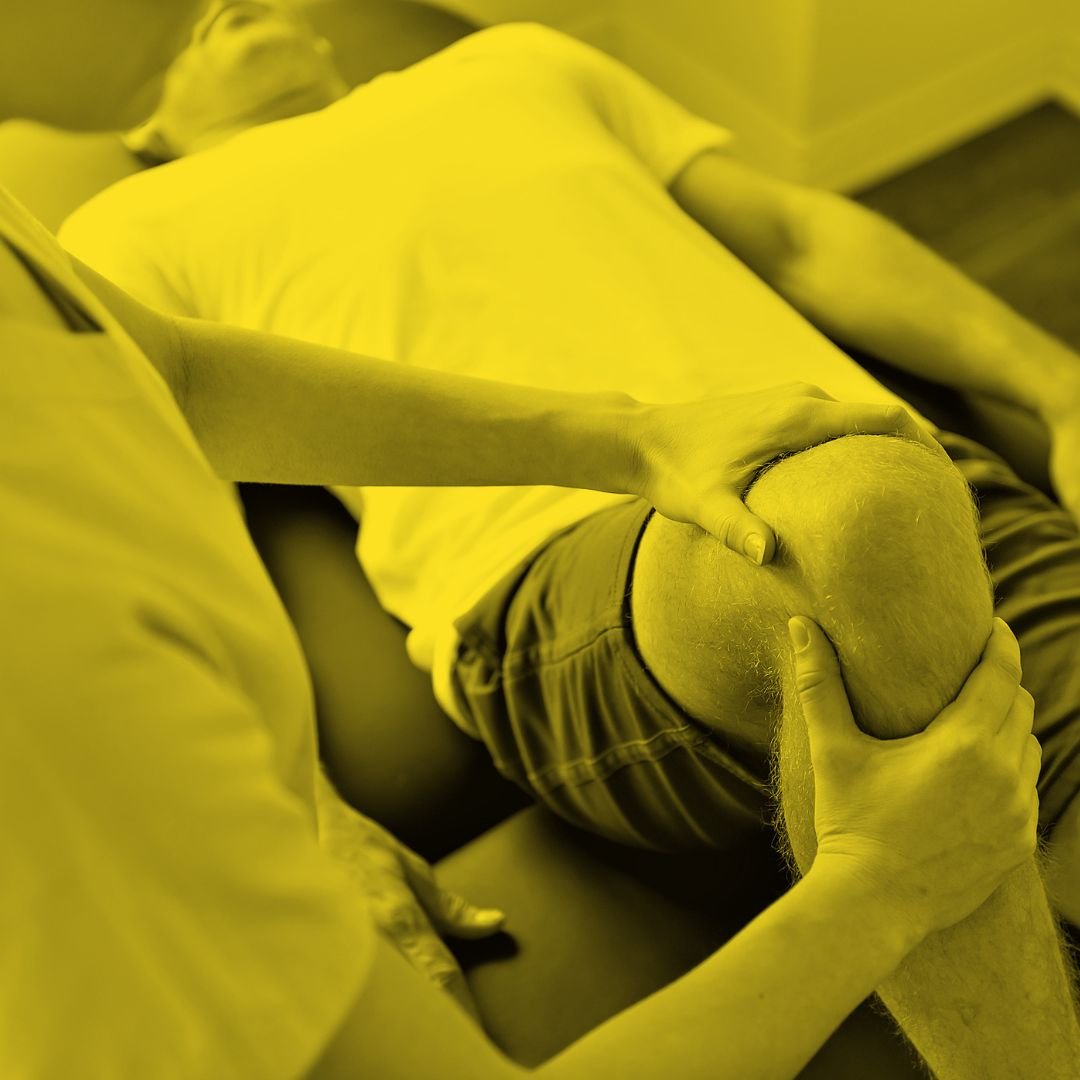
One of the most common questions physical therapists hear from patients recovering from knee replacement surgery is: “Is my number good?” Your knee range of motion measurements can tell us a lot about how your knee moves during recovery. However, the number only makes sense when we connect it to your symptoms, goals, and daily activities.
Knee range of motion measures how far your knee can straighten and bend. Extension refers to straightening, while flexion refers to bending. After total knee replacement surgery, both movements play an important role in activities such as walking, sitting, climbing stairs, and getting out of a chair.
As a physical therapist, I also want you to know something important. No single ROM number determines whether your knee replacement recovery is going well. Your progress depends on several factors, including your symptoms, swelling, strength, function, and the activities you want to return to.
Let's start with the basics. A knee at 0 degrees of extension has reached a fully straight position. Some people naturally extend slightly beyond zero, which is called ‘hyperextension’, while others may not yet be able to fully straighten their knee during recovery.
Flexion works in the opposite direction. The higher the flexion number, the farther your knee can bend.
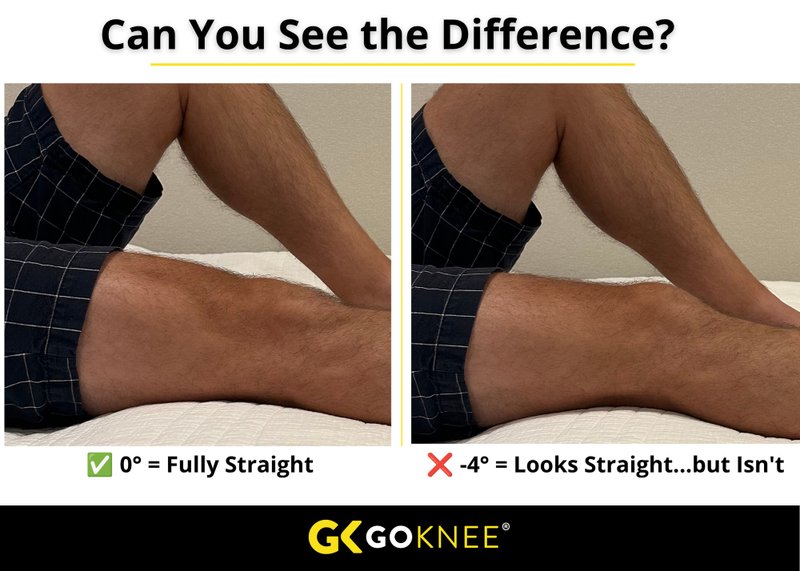
Those numbers become much more useful when we connect them to everyday movement. Research has found that walking generally requires 0 degrees of extension (a straight knee) and about 65 degrees of knee flexion. If your knee can’t fully straighten, you may feel like your walking is ‘off’ or that you are still limping. As you can see in the picture above, it doesn’t look like a big difference, but clinically it can be the difference between limping or walking ‘normally’. Stairs and standard chairs typically require about 90 to 120 degrees, while getting down into a bathtub may require approximately 135 degrees.
If your knee bends to around 75 degrees during recovery, you have some useful motion, but you will likely notice limitations with many daily activities. For example, getting up from a commode may still be challenging.
At about 90 degrees, things start to feel more functional. You may have enough motion to sit in many chairs and do basic daily activities, although stairs and lower seats can still be challenging.
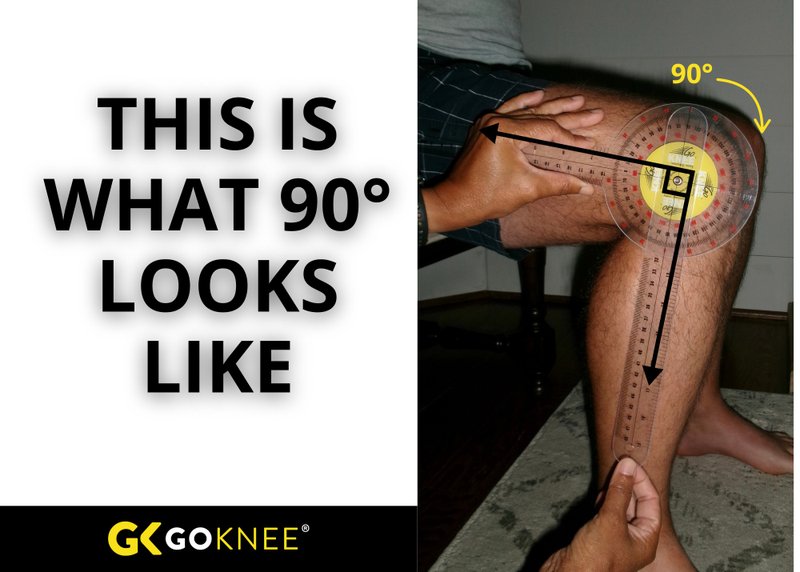
This is why I don't want you to look at 90 degrees and immediately decide whether you are “doing well” or “doing poorly.” Your pain, strength, swelling, and overall function matter, too.
Now we're getting into a range that can support many everyday activities. Research suggests that approximately 105 to 110 degrees of flexion is enough for numerous activities of daily living. For someone recovering from total knee replacement surgery, reaching this range can be an important milestone.
You may find it easier to sit, stand, climb stairs, and move around your home. That does not mean 110 degrees should become your magic number. Some people need more motion for their lifestyles, while others function comfortably with less.
At 120 degrees, your knee has considerably more bending available. That additional motion can make deeper sitting, squatting, kneeling, and other activities easier.
Getting closer to 130 degrees can be particularly useful if you enjoy activities that require deeper knee bending. Research following total knee replacement found strong functional outcomes among people with approximately 128 to 132 degrees of postoperative motion.
Still, please don't turn your knee range-of-motion measurement into a competition. A goniometer, a tool used to measure how far your knee can bend and straighten, can give you a useful number, but what matters most is whether your range of motion supports the activities you want to return to.
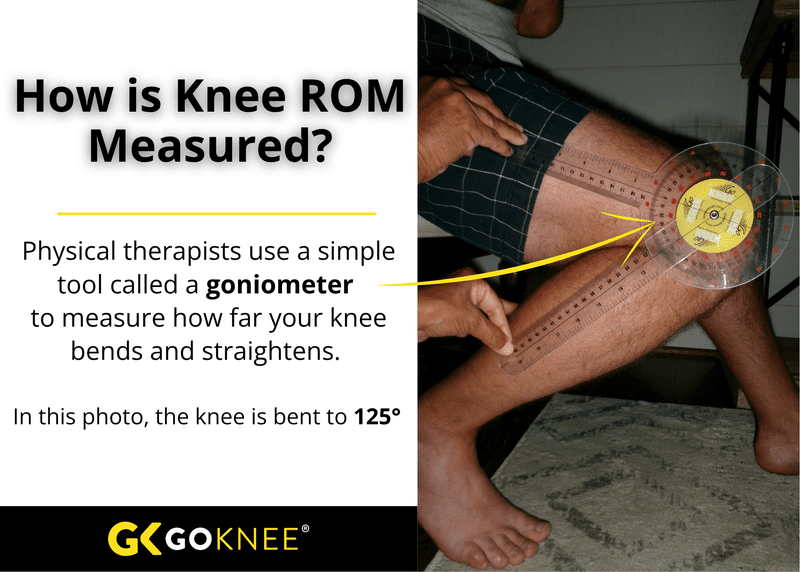
Flexion usually gets all the attention, but I pay close attention to extension, too. Ideally, your knee reaches 0 degrees when you straighten it. If your knee stops 5 degrees short, you have a 5-degree extension deficit or ‘lag’, meaning your knee isn't fully straight.
A 10-degree lag means your knee remains noticeably bent instead of reaching a fully straight position. Even small extension losses can matter. Knee extension lags have been linked to functional impairment after knee replacement surgery.
For someone recovering from knee replacement surgery, not being able to fully straighten your knee can be frustrating, especially when you feel like your knee isn't performing the way you expected. My patients will often say things like, “My leg still gets tired so easily. I thought I would be able to walk farther before getting tired,” or, “I can't stand for long periods.”
These issues can be directly related to a knee that is still lacking a few degrees of full extension. Your quadriceps muscle cannot work as effectively when your knee cannot fully straighten. That's why getting your knee fully straight is just as important as getting your knee to bend.
Here's something I want you to remember when looking at knee range of motion values after surgery. Two people can have the exact same number and function very differently.
Imagine two people who both reach 110 degrees of flexion. One may comfortably climb stairs, while the other struggles because of pain, weakness, swelling, or poor balance. This means static ROM measurements do not always reflect the amount of motion used during functional activities.
That's why I look beyond the number when helping someone recover from knee replacement surgery. I want to know what your knee allows you to do, what hurts, and what still feels difficult.
This is probably the question I hear most often. Unfortunately, no single postoperative number applies to everyone. Your recovery, swelling, pain, strength, function, and personal goals can all influence how much motion you need.
A ROM of 0 to 115 degrees can support most daily activities, while greater flexion can help with activities requiring deeper bending. Instead of comparing your recovery to someone else's ROM milestone, focus on steady progress toward the movements you need for your own life.
A single measurement doesn't tell me everything I need to know. However, changes in your ROM can provide useful information about how your knee replacement recovery is progressing.
For example, I would pay attention if your motion suddenly decreases, your knee becomes increasingly stiff, or movement becomes more painful. I would also want to know if you consistently struggle with movements that were previously comfortable.
If you are recovering from a knee replacement, tracking your ROM can help you and your healthcare team recognize progress or identify concerns. Always interpret your measurements alongside your symptoms and overall function.
When you see a number like 90, 110, or 130 degrees during knee replacement recovery, it can be tempting to decide that number is either good or bad. I encourage you to look at it differently. Your knee range of motion values are useful measurements, but their real meaning comes from what you can do with that motion.
Maybe your goal is walking around the neighborhood without pain. Maybe you want to climb stairs, get down to the floor with your grandchildren, or return to your favorite activities after total knee replacement surgery.
Those goals matter. Your ROM is one piece of the bigger picture, and the right target helps you move through life with greater comfort and confidence. Good luck on your knee journey!
Good knees start here. Don’t miss a step; subscribe to KneeMail for free tips from knee expert Shehla Rooney, PT!
Wondering what the knee replacement recovery timeline looks like at 6 weeks, 3 months, or a year out? Here’s a realistic timeline plus healing tips.
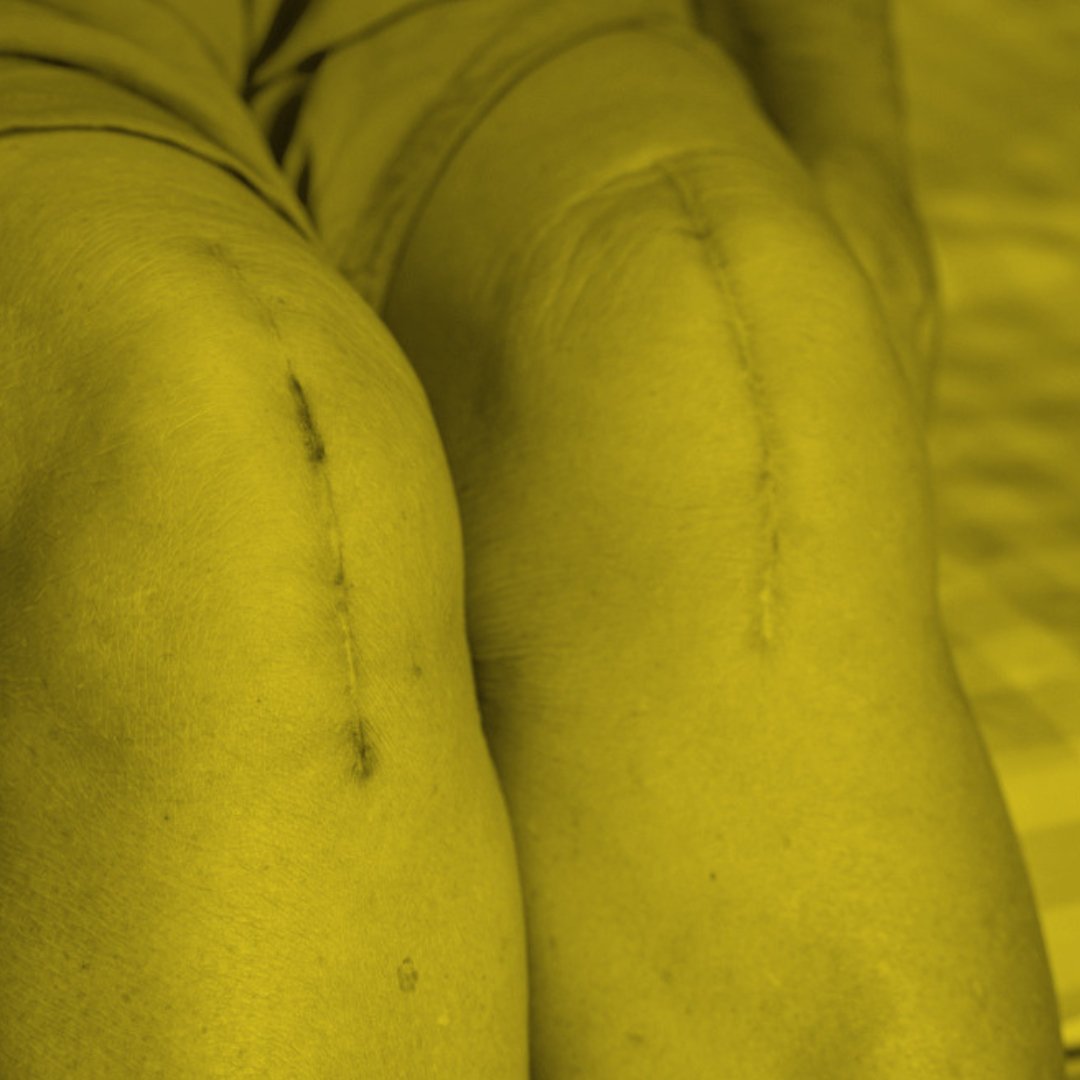
Physical therapy alone isn’t always enough. Discover what’s missing from knee replacement surgery rehab, from nutrition to prehab, for a fuller recovery.
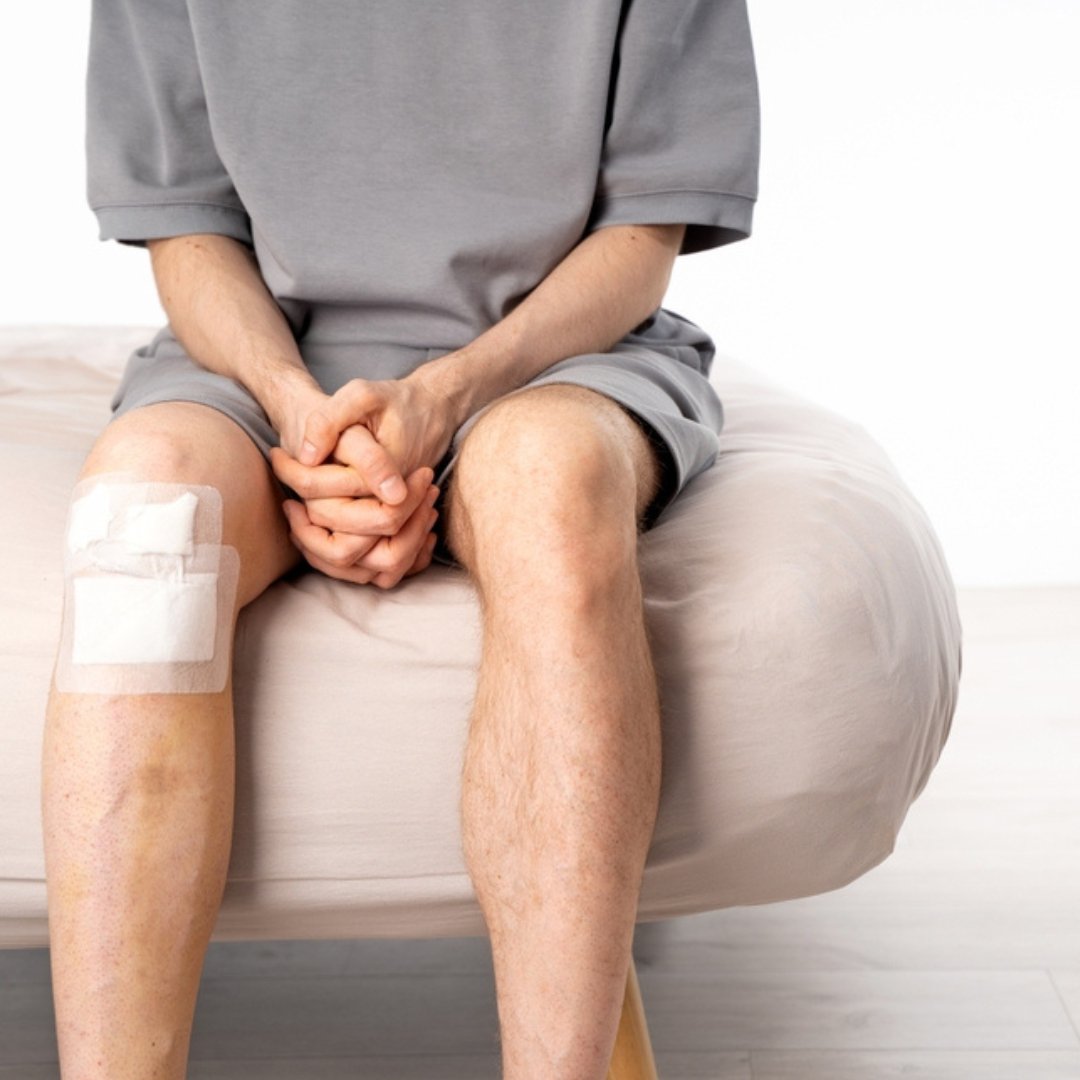
A successful knee replacement surgery doesn’t always feel like one. Here’s why regret happens and how strengthening prep changes the outcome.

Wondering if knee replacement surgery is worth it? Here’s what to weigh by age, from real benefits to recovery realities, before deciding.

Knee replacement surgery recovery doesn’t have to happen in a clinic. Discover why home-based prehab and posthab programs are changing outcomes for the better.