What’s Missing in Many Knee Replacement Recovery Plans?
Physical therapy alone isn’t always enough. Discover what’s missing from knee replacement surgery rehab, from nutrition to prehab, for a fuller recovery.

Let me start with something I wish more people heard before surgery: some pain after knee replacement surgery is completely normal. In fact, it's expected. But there's a difference between the kind of pain that's part of healing and the kind that makes you wonder if something went wrong.
If you're weeks or months out from surgery and still struggling, you're not alone, and you're not out of options. There is a path forward, and it's worth knowing what it looks like.
Total knee replacement surgery has a very high success rate. Studies consistently show that over 90% of people are satisfied with their outcomes in the long run. But "the long run" is doing a lot of work in that sentence. Knee replacement recovery is a process that can take up to a full year, sometimes longer.
Pain at three months looks very different from pain at twelve months. Before concluding that your surgery failed, it helps to understand why pain after knee replacement surgery happens and what category yours falls into.
There are several well-documented reasons why pain lingers beyond what people expect. Each has its own solution, and none of them automatically mean the surgery was a failure.
Insufficient rehabilitation. This is one of the most common contributors. The implant creates the potential for a pain-free knee. Rehabilitation is what realizes that potential. Without consistent work on range of motion and strength, the knee can stiffen, muscles remain weak, and discomfort persists. If your rehab was cut short, due to insurance limits, transportation issues, or simply life getting in the way, that gap matters.
Scar tissue buildup. Some people develop excessive scar tissue inside the knee after total knee replacement surgery. This condition, called arthrofibrosis (which is rare), restricts movement and causes pain. It's more common when early mobilization is delayed. It's also treatable, which is an important thing to know.
Overprotective brain. This is common in people who lived with chronic knee pain for a long time before the operation. The nervous system (aka brain) essentially stays in "alarm mode" even after the structural source of pain has been addressed. This type of pain responds well to education on pain neuroscience, as well as targeted rehabilitation strategies.
Implant-related issues. In a smaller number of cases, the implant itself may be a factor. Loosening, malalignment, or, rarely, infection can cause ongoing pain after knee replacement surgery. These situations require prompt evaluation by your surgeon. They are uncommon, but they are real, and they are worth ruling out.
Referred pain from other sources. Sometimes the knee isn't actually the problem anymore. Pain from the hip, lower back, or surrounding soft tissues can present as knee discomfort. A thorough assessment can identify whether another area is contributing to what you're feeling.
The first step is an honest conversation with your surgical team. Persistent pain after knee replacement surgery deserves a proper evaluation, not just reassurance that "it takes time." Ask specifically about imaging, range of motion measurements, and whether your rehabilitation has been adequate. Come with questions written down. You deserve clear answers.
If scar tissue is identified, your surgeon may recommend manipulation under anesthesia, a procedure where the knee is moved while you are sedated to break up adhesions and restore range of motion. The name sounds intimidating, but it's a common and generally effective intervention when performed at the right time. It is far less daunting than it sounds.
If rehabilitation is the gap, the good news is that it's a gap you can close. Targeted home exercises that focus on flexion, extension, and strengthening can make a meaningful difference, even months after surgery. Consistency matters more than intensity. Small, steady progress adds up faster than most people expect.
In cases where the implant is the source of the problem, revision surgery may be recommended. This involves removing and replacing some or all of the implant components. It sounds alarming, but revision total knee replacement surgery is a well-established procedure. Surgeons who specialize in revisions perform them routinely with good outcomes.
Revision surgery is not a sign that your original surgery was a disaster. Implants can wear over time, alignment can shift, and bodies change. Having a revision is a course correction, not a failure. Many people who go through revision surgery report significant relief and improved function on the other side.
Here is what I want you to take away from this. Ongoing pain after knee replacement surgery is a signal that something needs attention, not proof that you are destined to live in pain forever. The vast majority of cases have identifiable causes and workable solutions. The key is not to wait in silence, hoping things improve on their own.
Advocate for yourself. Follow up with your care team. Explore your rehabilitation options fully. Your new knee has more potential than you may be giving it credit for right now. Good luck on your knee journey!
Good knees start here. Don’t miss a step—subscribe to KneeMail for free tips from knee expert Shehla Rooney, PT!
Physical therapy alone isn’t always enough. Discover what’s missing from knee replacement surgery rehab, from nutrition to prehab, for a fuller recovery.
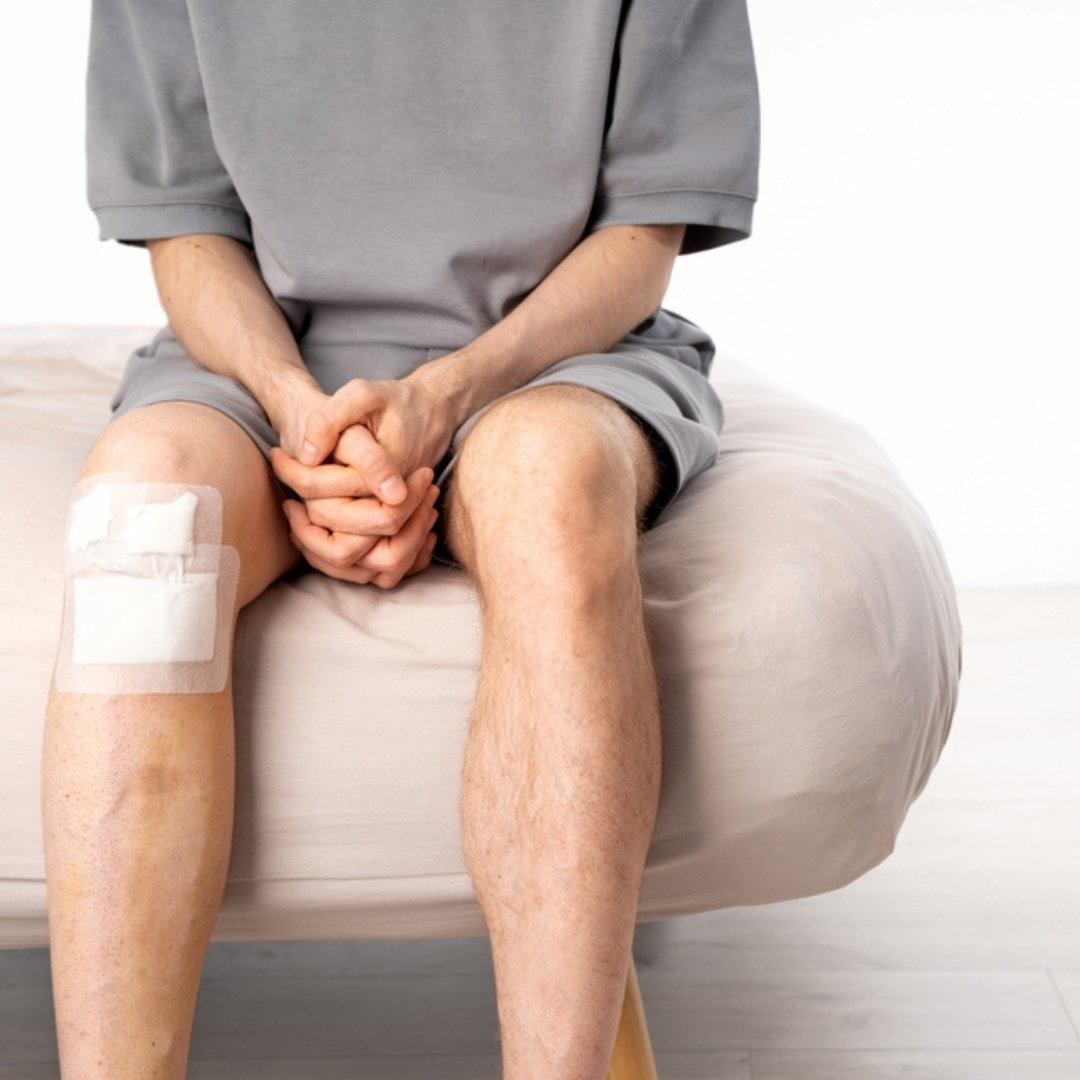
A successful knee replacement surgery doesn’t always feel like one. Here’s why regret happens and how strengthening prep changes the outcome.

Wondering if knee replacement surgery is worth it? Here’s what to weigh by age, from real benefits to recovery realities, before deciding.

Knee replacement surgery recovery doesn’t have to happen in a clinic. Discover why home-based prehab and posthab programs are changing outcomes for the better.
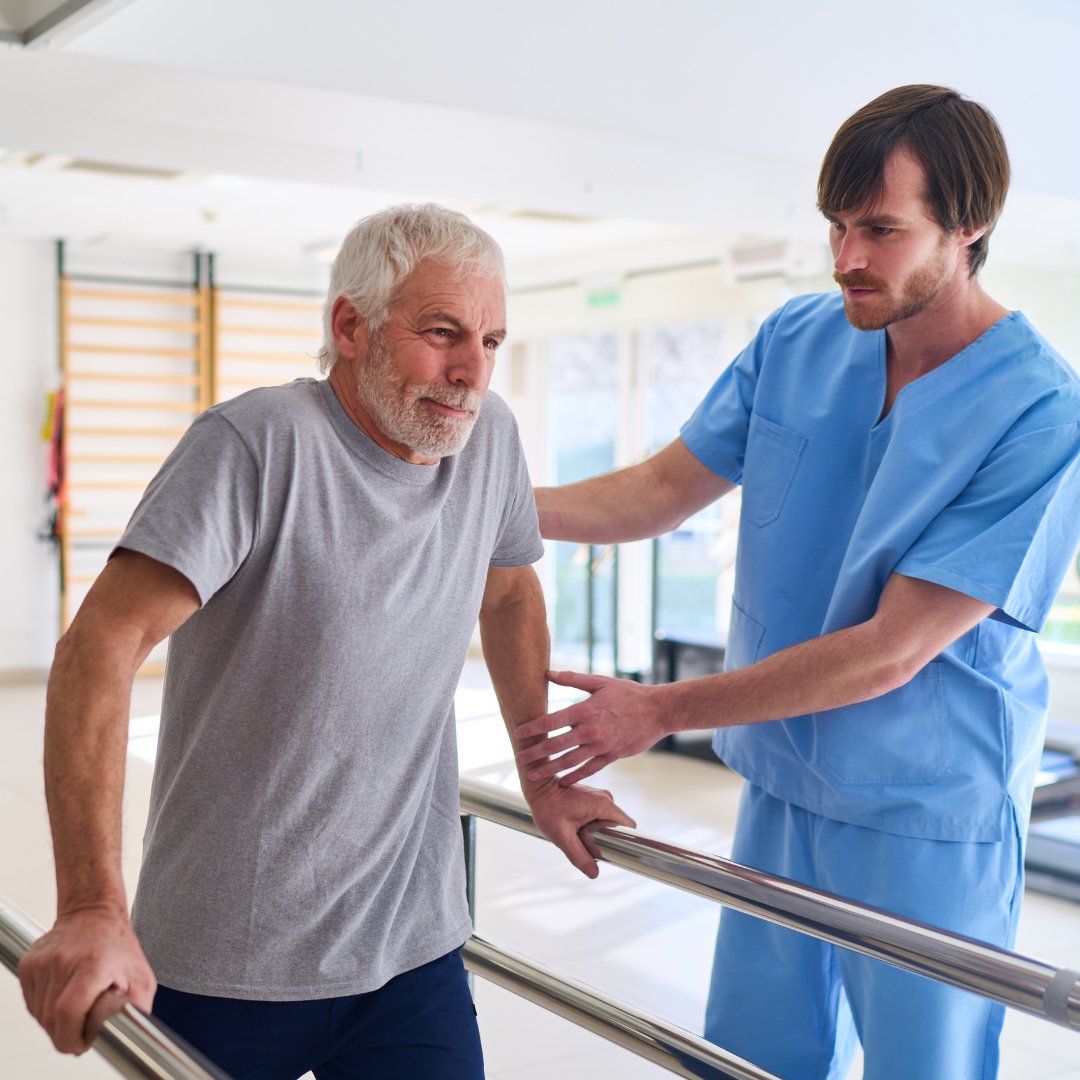
Physical therapy is essential after total knee replacement surgery, but it’s only one piece. Here’s what else drives a faster, fuller recovery at home.