What’s Missing in Many Knee Replacement Recovery Plans?
Physical therapy alone isn’t always enough. Discover what’s missing from knee replacement surgery rehab, from nutrition to prehab, for a fuller recovery.

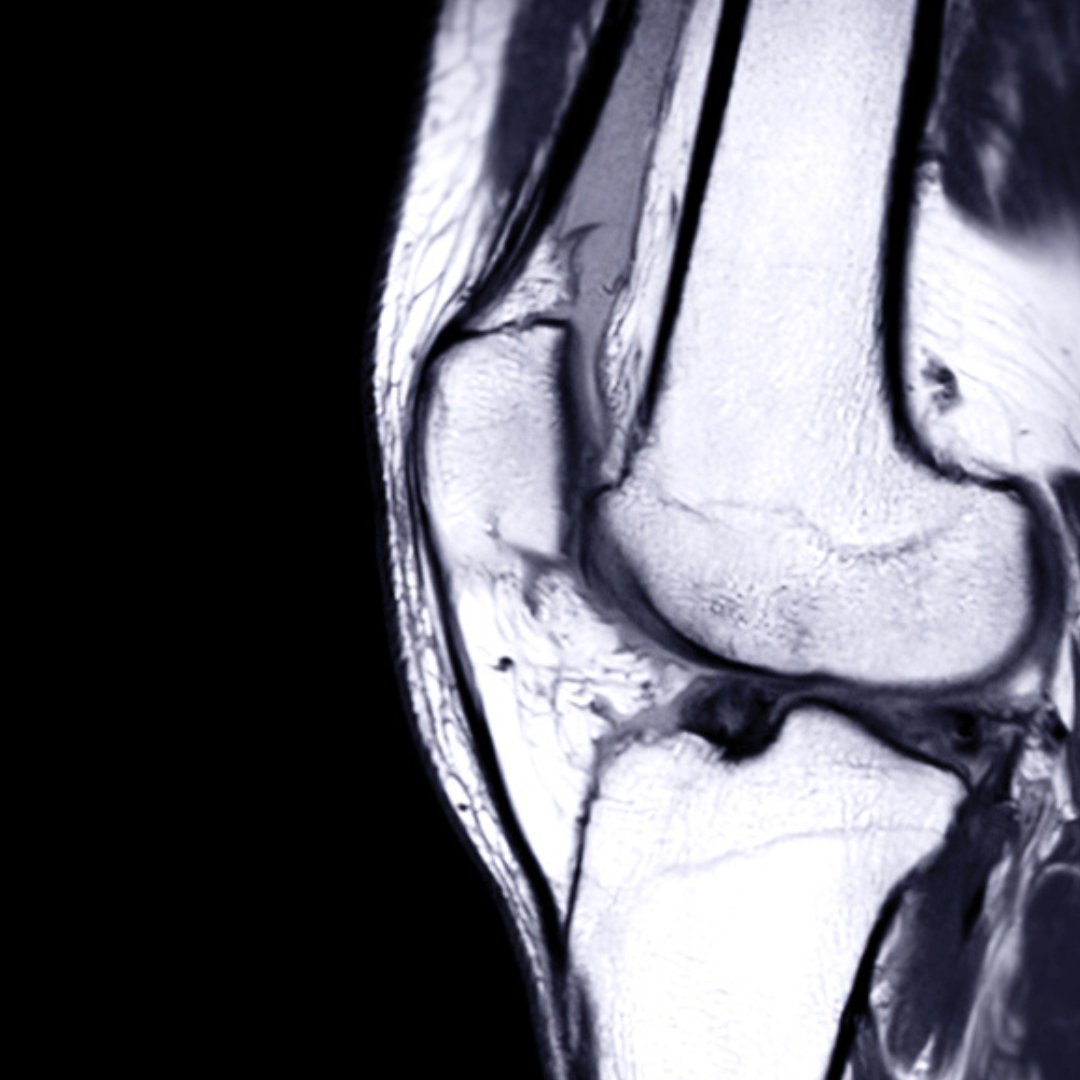
One of the questions I hear from people who've done their homework before surgery is: "What happens to my ACL?" It's a smart question, and the answer surprises a lot of people. Your ACL after knee replacement is not what it was before, and for many people, that's actually perfectly fine. To make sense of why, it helps to take a quick look at what the ACL does and what total knee replacement surgery changes about the architecture of your knee.
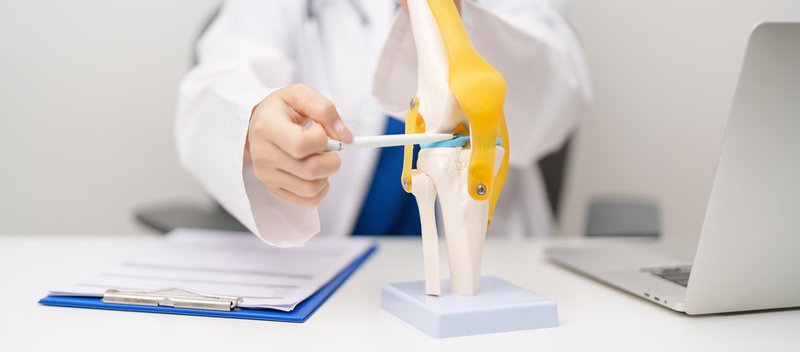
The anterior cruciate ligament, better known as the ACL, is one of the four main ligaments that keep your knee stable. It runs diagonally through the middle of the joint and prevents your shin bone from sliding too far forward relative to your thigh bone. It's a key player in rotational stability, which is why ACL tears are such a big deal for athletes who rely on cutting and pivoting movements.
In a healthy knee, the ACL works in concert with the PCL (posterior cruciate ligament), the MCL (medial collateral ligament), and the LCL (lateral collateral ligament) to keep everything moving smoothly and safely. When the knee joint deteriorates due to osteoarthritis, the cartilage breaks down, and the entire mechanical environment of the joint changes. By the time many people reach the point of needing total knee replacement surgery, the ACL is often already compromised, frayed, or functionally ineffective, even if it hasn't been formally diagnosed as torn.
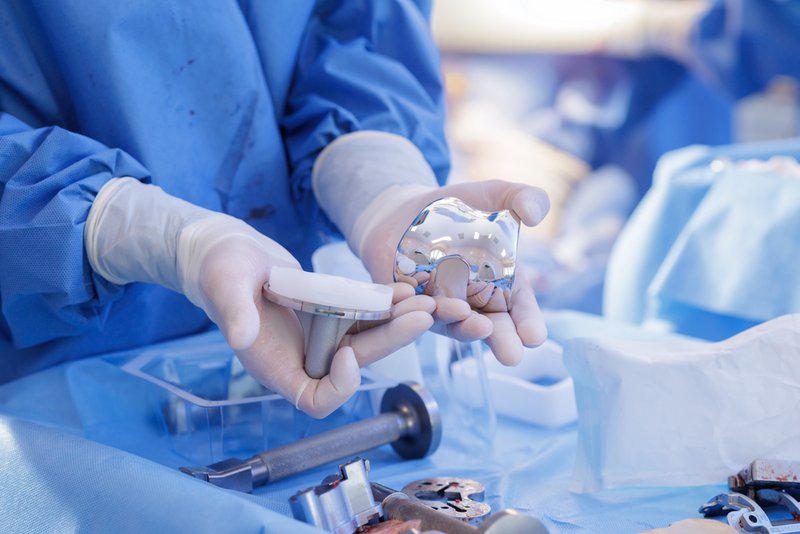
Here's the part that catches people off guard: in most standard total knee replacement surgeries, the ACL is removed. The entire damaged joint surface, including the ends of the femur and tibia, is resurfaced with metal and plastic implant components, and the ACL simply gets in the way of that process. The implant itself is engineered to take over the stability functions that the ligaments once handled, so the removal of the ACL is by design, not an oversight.
The most common type of implant used today is a posterior cruciate-retaining (PCR) design, which preserves the PCL while removing the ACL. Some surgeons use a posterior-stabilized (PS) implant, which removes both the ACL and PCL, with a built-in post-and-cam mechanism inside the implant compensating for the lost ligament function. Your surgeon will choose the design based on your specific anatomy, the condition of your remaining ligaments, and their clinical experience with each approach.
What this means for you practically is that your new knee will feel and function differently than your original knee. The implant provides the structural stability your ligaments previously managed, and your muscles, particularly the quadriceps and hamstrings, take on an even more important supporting role than before.
A question I get asked a lot after people learn the ACL is removed is: "Will my knee feel wobbly?" It's a completely understandable concern. The short answer is no, not if your rehabilitation goes well. The implant components are precisely fitted to your joint, and when combined with well-conditioned surrounding muscles, your new knee can be remarkably stable.
This is exactly why strengthening becomes so central to your knee replacement recovery. Without the ACL acting as a passive stabilizer, your muscles need to do more of the active work of keeping the joint controlled during movement. Quadriceps strength, hip stability, and even calf function all contribute to how stable and confident your knee feels during daily activities. A well-designed rehabilitation program that targets these muscle groups will make a significant difference in how natural your new knee feels over time.
It's also worth knowing that most people don't miss the ACL in their day-to-day life. Walking, climbing stairs, gardening, traveling, and even many recreational activities are entirely achievable without it, because the implant compensates so effectively. People who had chronic knee pain for years often describe the absence of that pain after total knee replacement surgery as a revelation, ligament or no ligament.
Knowing that your ACL will be removed during total knee replacement surgery can feel unsettling at first. It's worth reframing it this way: that ligament, in the context of a severely arthritic joint, was likely no longer doing its job effectively anyway. The implant that replaces your damaged joint surfaces is engineered to restore stability in a more reliable and durable way than a compromised ACL ever could.
Your job in the weeks and months after surgery is to support that implant by building the muscle strength and movement quality that will make your new knee feel like a genuine upgrade. Focus on your range of motion, and your overall leg strength. Stay consistent with your exercises, even on the days when motivation is hard to find. The people who do the work are the ones who look back on their total knee replacement surgery as one of the best decisions they ever made.
Good luck on your knee journey!
Good knees start here. Don’t miss a step, subscribe to KneeMail for free tips from knee expert Shehla Rooney, PT!
Physical therapy alone isn’t always enough. Discover what’s missing from knee replacement surgery rehab, from nutrition to prehab, for a fuller recovery.
A successful knee replacement surgery doesn’t always feel like one. Here’s why regret happens and how strengthening prep changes the outcome.

Wondering if knee replacement surgery is worth it? Here’s what to weigh by age, from real benefits to recovery realities, before deciding.

Knee replacement surgery recovery doesn’t have to happen in a clinic. Discover why home-based prehab and posthab programs are changing outcomes for the better.

Physical therapy is essential after total knee replacement surgery, but it’s only one piece. Here’s what else drives a faster, fuller recovery at home.