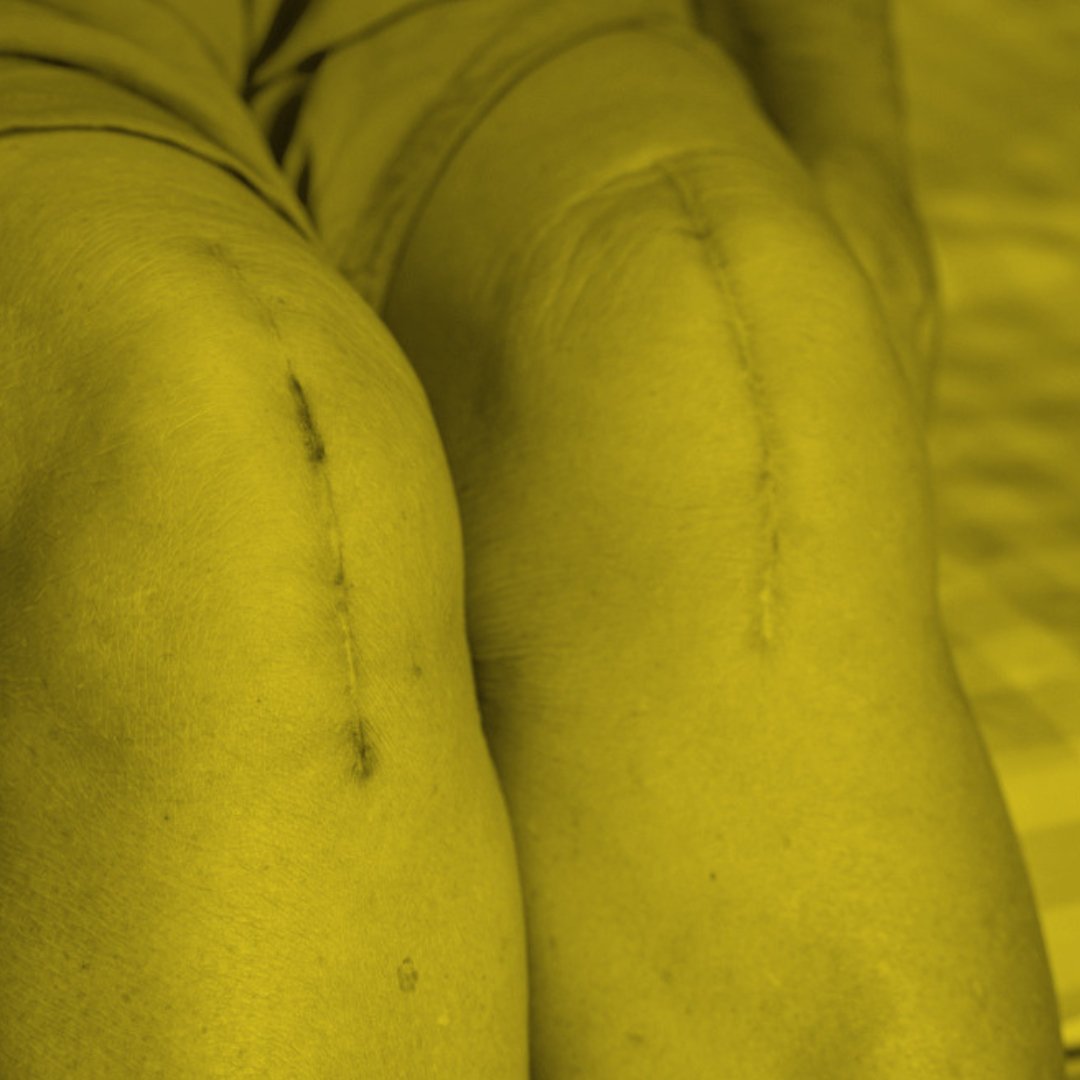
What’s Missing in Many Knee Replacement Recovery Plans?
Physical therapy alone isn’t always enough. Discover what’s missing from knee replacement surgery rehab, from nutrition to prehab, for a fuller recovery.

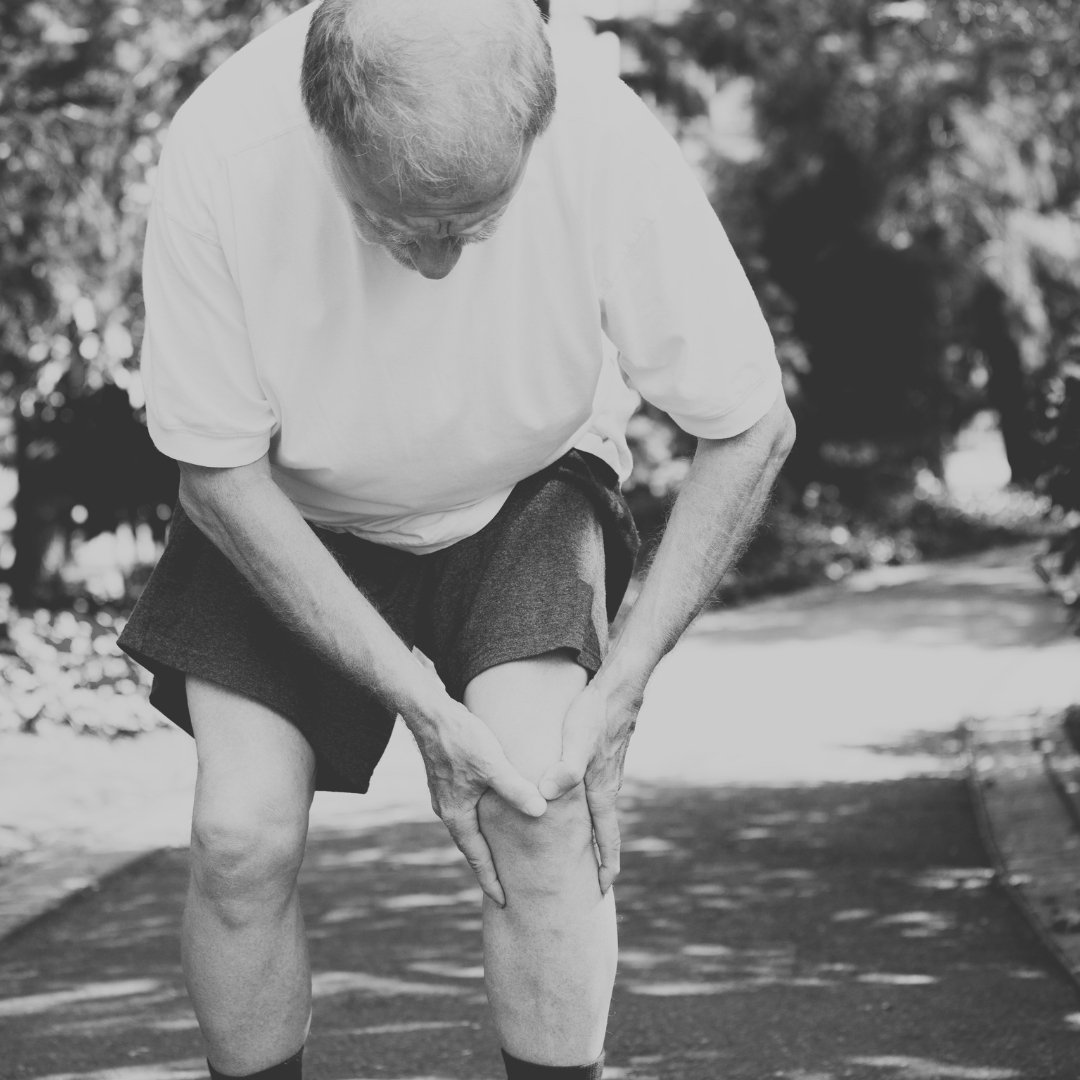
There's a window of opportunity that opens the moment you get a surgery date on the calendar. Most people spend that time worrying, researching, or just trying to get through their days with a painful knee. Very few use it the way it deserves to be used. Knee replacement prehab, the practice of intentionally strengthening and preparing your body before the operation, is one of the most evidence-backed tools in orthopedic rehabilitation. And it's one of the most consistently skipped steps I see.
The reasons are understandable. Your knee hurts. Exercise feels counterintuitive when movement is painful. You might assume that surgery will fix everything, so why work hard beforehand? Some people simply aren't told about it. Their surgeon schedules the procedure and sends them home with pre-operative instructions that cover logistics, not preparation.
There's also a mental barrier. Many people in the weeks before total knee replacement surgery are focused on fear, not action. The idea of starting an exercise program while already in pain can feel overwhelming or even pointless. It's a completely human response. But it's one that costs people dearly on the other side of surgery.
Prehab doesn't mean training for a marathon on a damaged knee. It means targeted, manageable exercises designed to build the specific muscles your new knee will rely on after surgery. The focus areas are the quadriceps at the front of the thigh, the hamstrings at the back, and the hip muscles that support overall leg alignment and stability.

Range-of-motion work is equally important. Getting your knee to bend and straighten as fully as possible before surgery gives you a better starting point afterward. Even small improvements in pre-operative flexibility can translate into faster progress during knee replacement recovery. Gentle aerobic activity, like walking or swimming, also helps by improving cardiovascular fitness and circulation, both of which support healing.
Most prehab programs run four to eight weeks. They can be done at home with minimal or no equipment. The exercises are designed to work with your current limitations, not against them.
Let me paint two pictures. Both are composite portraits of people I've worked with over the years.
The first person gets a surgery date and does nothing different in the weeks leading up to it. They're in pain, so they rest. They figure the surgeon will handle the hard part. They go into the operating room with weakened quadriceps, stiff range of motion, and no familiarity with the exercises they'll be asked to do almost immediately after waking up.
The second person receives the same surgery date but begins a simple prehab program. Three to four days per week, they perform stretching exercises to improve knee flexion and maximize knee extension, along with strengthening exercises such as mini-squats. Their knee still hurts, but they push through at a manageable level. They go into surgery with stronger muscles, better flexibility, and a mental map of exactly what post-operative rehab will look like.
The research tells us what happens next. The second person typically reaches key milestones, such as walking without assistance and climbing stairs, more quickly. They report less post-operative pain in the early weeks. They are less likely to develop complications from inactivity. Their knee replacement recovery goes more smoothly in nearly every measurable way.
The surgery was identical. The preparation was not.
Here's something that surprises almost everyone. After total knee replacement surgery, the quadriceps muscle weakens significantly and quickly. Swelling, post-operative pain, and reduced activity all contribute to this. It's a normal part of the process. But it means you will be working to rebuild strength from a lower baseline than where you started.
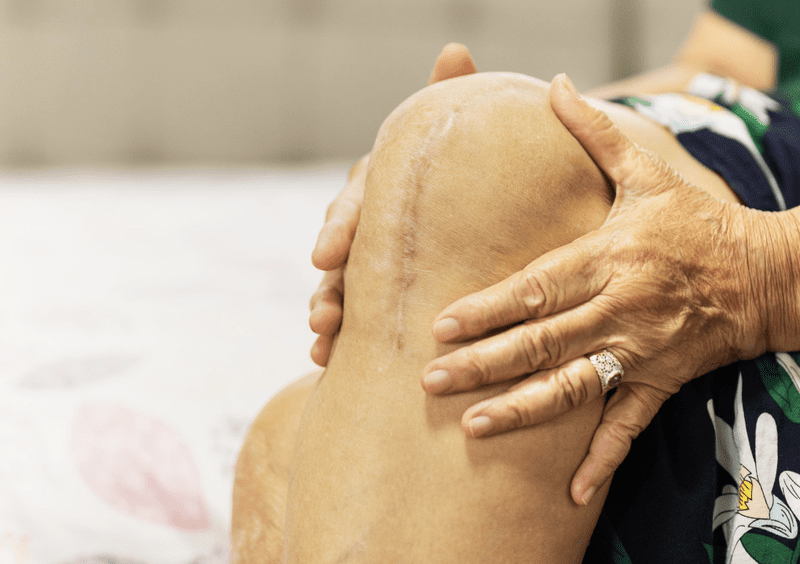
Prehab raises that starting point. The stronger your quads are going in, the less ground you lose in the first weeks after surgery. And less ground lost means less ground to make up. That difference compounds over time. It's one of the clearest mechanical arguments for knee replacement prehab, and it's backed by solid research.
If your surgery is weeks away, start now. Even two to three weeks of consistent prehab produces measurable benefit. If your surgery is months away, even better. You have time to build a meaningful baseline.
Talk to your physical therapist about a pre-operative program tailored to your current range of motion and pain level. If in-person therapy isn't accessible, a structured home program like GoKnee works well for most people. The key exercises are well established and widely available. What matters most is that you actually do them, consistently, right up until the week before surgery.
Use this window. It won't come around again. Good luck on your knee journey!
Good knees start here. Don’t miss a step—subscribe to KneeMail for free tips from knee expert Shehla Rooney, PT!
Physical therapy alone isn’t always enough. Discover what’s missing from knee replacement surgery rehab, from nutrition to prehab, for a fuller recovery.
A successful knee replacement surgery doesn’t always feel like one. Here’s why regret happens and how strengthening prep changes the outcome.

Wondering if knee replacement surgery is worth it? Here’s what to weigh by age, from real benefits to recovery realities, before deciding.

Knee replacement surgery recovery doesn’t have to happen in a clinic. Discover why home-based prehab and posthab programs are changing outcomes for the better.

Physical therapy is essential after total knee replacement surgery, but it’s only one piece. Here’s what else drives a faster, fuller recovery at home.