
The #1 Mistake Patients Make Before Knee Replacement Surgery
The biggest mistake before knee replacement surgery? Skipping prehab. Learn how it impacts knee replacement recovery and what to do instead.


You might remember the moment clearly. A sudden twist, a pop, and everything changed. Later on, you had ACL surgery, did your rehab, and got back to life. Years pass, and then a new question starts to creep in. Did that surgery set you up for knee replacement later?
I hear this concern often, and it is a fair one. The short answer is no, ACL surgery does not automatically mean you will need total knee replacement surgery in the future. However, it can increase your risk under certain conditions, especially if arthritis develops over time.
Let’s walk through what actually happens inside your knee, and what that means for your long-term joint health.
When you go through ACL reconstruction, your knee is repaired structurally, but it is not exactly the same as it was before. Even with excellent surgical techniques, the joint has experienced trauma. That initial injury often affects more than just the ligament.
Cartilage can take a hit during the injury, and the meniscus may also be involved. These structures help cushion and stabilize your knee, so when they are affected, the joint may not distribute forces as evenly as before. Over time, this can change how your knee handles everyday movement.
Even if you returned to your usual activities, small changes in mechanics can remain. These changes are often subtle and not noticeable right away. However, they can gradually influence how your knee feels years later.
Having ACL surgery in your 20s or 30s does not guarantee that you will need total knee replacement surgery later. Many people continue to stay active for decades without major limitations. Your outcome depends on several factors, not just the surgery itself.
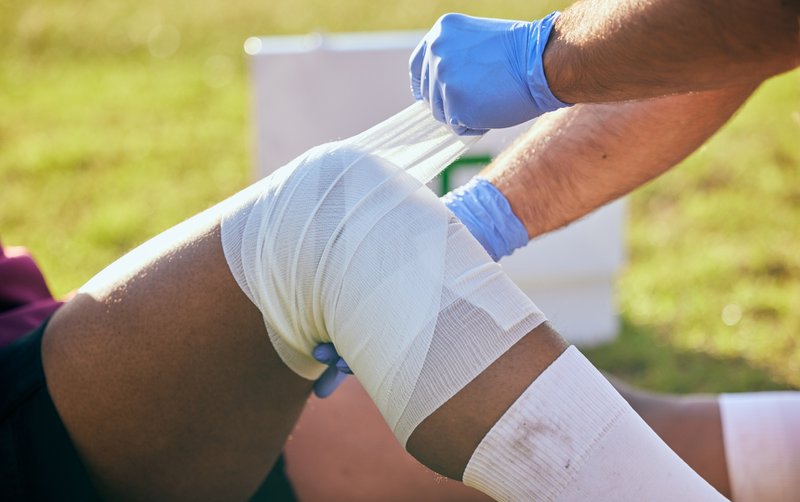
That said, people who have had ACL injuries and reconstruction do have a higher likelihood of developing arthritis in that knee. Arthritis is one of the most common reasons for total knee replacement surgery. When it develops earlier due to past injury, it can shift the timeline toward knee replacement.
So the connection is not direct, but it is meaningful. The ACL surgery is part of your history, and that history can influence how your joint ages over time.
Your knee works best when all parts move together smoothly and share load evenly. After an ACL injury, even with reconstruction, some of that balance can change. Muscle strength, joint alignment, and movement patterns may not return to their exact pre-injury state.
Cartilage also does not regenerate the same way other tissues do. If it is damaged during the injury, it can slowly wear down over time. This gradual breakdown is what leads to osteoarthritis.
Years of daily movement add up. Walking, standing, and staying active are all good for your body, but they also place repeated stress on the joint. If your knee mechanics have changed, that stress may be distributed unevenly.
ACL surgery is just one factor among many that influence knee health over time. The most common reason for total knee replacement surgery is osteoarthritis, which develops as cartilage wears down. Age is a factor, but it is not the only one.
Lifestyle and activity history also play a role. Repetitive strain from work or sports can increase joint wear, especially if recovery and strength were not fully restored after injuries. Alignment issues and muscle imbalances can further contribute to uneven pressure on the knee.
Previous injuries, including ACL tears and meniscus damage, can accelerate this process. Each injury leaves an impact, even if it seemed fully resolved at the time. Over the years, these effects can combine and lead to increased joint degeneration.
Activity itself is not harmful to your knee. In fact, staying active supports joint health and overall well-being. What matters more is how your body handles that activity over time.
High-impact sports and repeated injuries can increase long-term stress on your knee. If strength and movement patterns were not fully restored after ACL surgery, your knee may have adapted in ways that place extra strain on certain areas. These adaptations are often subtle but can accumulate over time.
On the other hand, building and maintaining strength can help protect your joint. Consistent movement, good mechanics, and proper conditioning can make a meaningful difference in how your knee ages.

No matter your history, there are practical steps you can take to support your knee moving forward. Strengthening the muscles around your knee helps absorb force and reduce joint stress. This includes your quadriceps, hamstrings, and glutes.
Maintaining range of motion is equally important. A stiff knee can change how you move, which may increase pressure on certain areas of the joint. Gentle, consistent movement helps keep your knee functioning smoothly.
It is also important to pay attention to how your knee feels. Ongoing swelling, stiffness, or discomfort should not be ignored. Addressing these early can help you stay ahead of potential issues.
When you are managing the long-term effects of ACL surgery or preparing for knee replacement recovery, having structure makes a big difference. GoKnee is a complete program that supports both prehab and knee replacement recovery through guided range of motion activities. It helps you stay consistent with exercises that improve movement and build strength over time.
The program includes a specialized knee device that mimics the hands of a therapist. This allows you to perform advanced techniques safely at home while improving how your knee moves. You are able to work on your knee regularly without needing constant in-person sessions.
Having a clear and repeatable plan helps remove guesswork. Instead of wondering what to do next, you can focus on steady progress that supports your long-term knee health.
Good luck on your knee journey!
Good knees start here. Don’t miss a step, subscribe to KneeMail for free tips from knee expert Shehla Rooney, PT!
The biggest mistake before knee replacement surgery? Skipping prehab. Learn how it impacts knee replacement recovery and what to do instead.

Are cortisone shots helping or harming your knee? Learn the risks, benefits, and what they mean for long-term knee health.

Knee replacement recovery is not just physical. Learn what to expect emotionally and how to make the process easier from start to finish.
Prehab before knee replacement builds strength and confidence, but it works best alongside rehab for a smoother recovery.
Learn how muscle strength before surgery can improve recovery from knee replacement and help support mobility, stability, and easier rehabilitation afterward.