
What’s Missing in Many Knee Replacement Recovery Plans?
Physical therapy alone isn’t always enough. Discover what’s missing from knee replacement surgery rehab, from nutrition to prehab, for a fuller recovery.


If you are dealing with ongoing knee pain, you have probably heard about injections as a quick way to get relief. Cortisone shots are one of the most commonly recommended options, especially when the pain starts interfering with daily life. They are often presented as a simple solution that can calm inflammation and help you move more comfortably, sometimes within just a few days.
But like most things in the world of knee health, the full story is a bit more complicated. I talk to people all the time who are considering injections or have already had one, and the question always comes up: are cortisone shots actually helping your knee long term, or could they be making things worse?
Let’s walk through what we know, what the research is starting to show, and how to think about this decision in a way that protects your knee for the long run.
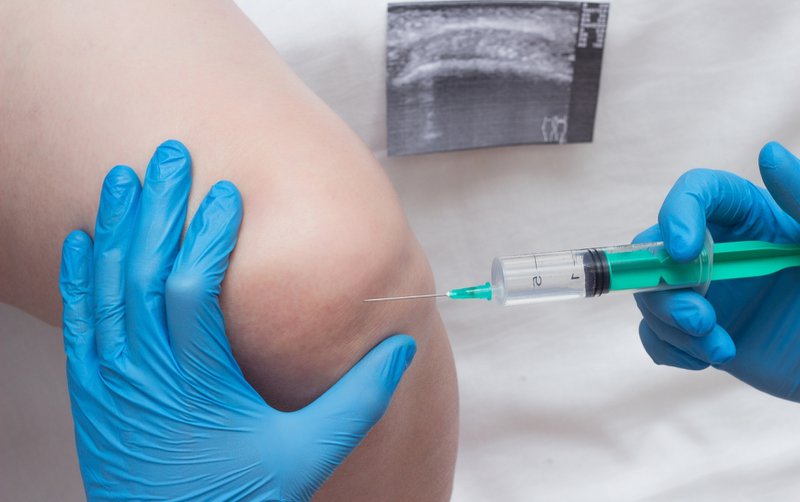
Cortisone is a powerful anti-inflammatory medication. When injected into your knee joint, it works by reducing inflammation in the tissues around the joint, which can temporarily decrease pain and swelling. That is why many people feel relief fairly quickly after getting a shot.
From a short-term perspective, this can be helpful. Less inflammation can make it easier to walk, sleep, and even participate in exercise. For some people, that window of relief allows them to focus on strengthening and improving mobility, which are both important for long-term knee health.
However, it is important to understand that cortisone shots do not fix the underlying issue. If your knee pain is coming from cartilage wear, joint degeneration, or biomechanical stress, the injection is not reversing any of that. It is simply reducing the inflammation that your body is producing in response to those problems.
That distinction matters more than most people realize.
There is a reason cortisone shots are so widely used. When you are in pain, even a small reduction can feel like a huge improvement. Being able to go up stairs more easily or sleep through the night again can feel like getting your life back.
That immediate improvement can create a sense of confidence that the problem is being solved. You might move more, push a little harder, or delay other treatment options because things feel manageable again.

But here is the catch. Pain relief can sometimes mask what is still happening inside the joint. If the underlying condition is still progressing, you may be putting stress on a knee that has not actually improved structurally.
That is where the conversation starts to shift.
Research on cortisone shots has been mixed for years. Some studies show clear short-term benefits, especially for pain relief. Others raise concerns about what repeated injections might do to the joint over time.
One study published in the British Journal of Bone and Joint Surgery found that repeated corticosteroid injections into the knee were associated with cartilage loss and potential acceleration of osteoarthritis progression.
Cartilage is the cushioning material in your knee that allows smooth, pain-free movement. When that cartilage begins to wear down, the bones in the joint experience more friction, which leads to stiffness, swelling, and pain.
The concern is not necessarily about a single injection. The risk seems to increase with repeated use, especially if the underlying issue is already osteoarthritis or if you are at risk of developing it. Over time, reducing inflammation without addressing joint mechanics may allow degeneration to continue or even accelerate.
That is why this topic has become more nuanced in recent years.
Not everyone will have the same experience with cortisone shots. Some people benefit from occasional use without noticeable downsides. Others may find that the relief is short-lived or that their symptoms worsen over time.
If you already have osteoarthritis or are showing early signs of joint degeneration, this is where extra caution comes in. Your knee is already dealing with changes in cartilage, joint space, and alignment. Adding repeated injections into that environment may not be the best long-term strategy.
You also want to consider how often injections are being recommended. If you find yourself needing shots every 3-4 months, it is worth stepping back and asking a bigger question. Are you managing symptoms, or are you actually improving the condition of your knee?
That shift in thinking can change everything.
Pain relief matters. Being able to move without discomfort matters. But if the goal is to keep your knee functioning well for as long as possible, the focus has to go beyond short-term fixes.
The foundation of knee health comes down to strength, mobility, and joint mechanics. How your muscles support your knee, how your joint moves through its range, and how you load it during daily activities all play a role in how your knee feels and functions.
When those pieces are addressed, you are not just calming symptoms. You are giving your knee a better environment to function in, even if there is already some wear and tear present.
This becomes even more important if you are trying to delay or prepare for total knee replacement surgery. The stronger and more prepared your knee is going into that process, the better your knee replacement recovery tends to be.
This is not about saying cortisone shots should never be used. There are situations where they can be helpful, especially when pain is severe enough to limit movement completely.
For example, a single injection might create a window where you can begin working on strength and mobility. That can be a valuable opportunity if it is used intentionally. The key is what you do during that window.
If the shot is followed by consistent work on improving how your knee functions, it can be part of a broader strategy. If it becomes the main strategy, that is where problems can start to build. It is all about context and how the treatment fits into your overall plan.
Cortisone shots can provide meaningful short-term relief, and for some people, that can make a big difference in daily life. At the same time, emerging research suggests that repeated use, especially in knees affected by osteoarthritis, may contribute to cartilage loss and faster joint degeneration.
That does not mean you need to avoid them entirely. It means you should approach them thoughtfully and understand how they fit into your overall knee health strategy. Every decision you make for your knee should support where you want to be months or even years from now.
Always take safety precautions when trying any kind of treatment, and make sure you are making those decisions with the guidance of a qualified healthcare provider. Your knee deserves a plan that looks beyond temporary relief and focuses on long-term function.
Good luck on your knee journey!
Good knees start here. Don’t miss a step, subscribe to KneeMail for free tips from knee expert Shehla Rooney, PT!
Physical therapy alone isn’t always enough. Discover what’s missing from knee replacement surgery rehab, from nutrition to prehab, for a fuller recovery.

A successful knee replacement surgery doesn’t always feel like one. Here’s why regret happens and how strengthening prep changes the outcome.

Wondering if knee replacement surgery is worth it? Here’s what to weigh by age, from real benefits to recovery realities, before deciding.

Knee replacement surgery recovery doesn’t have to happen in a clinic. Discover why home-based prehab and posthab programs are changing outcomes for the better.

Physical therapy is essential after total knee replacement surgery, but it’s only one piece. Here’s what else drives a faster, fuller recovery at home.