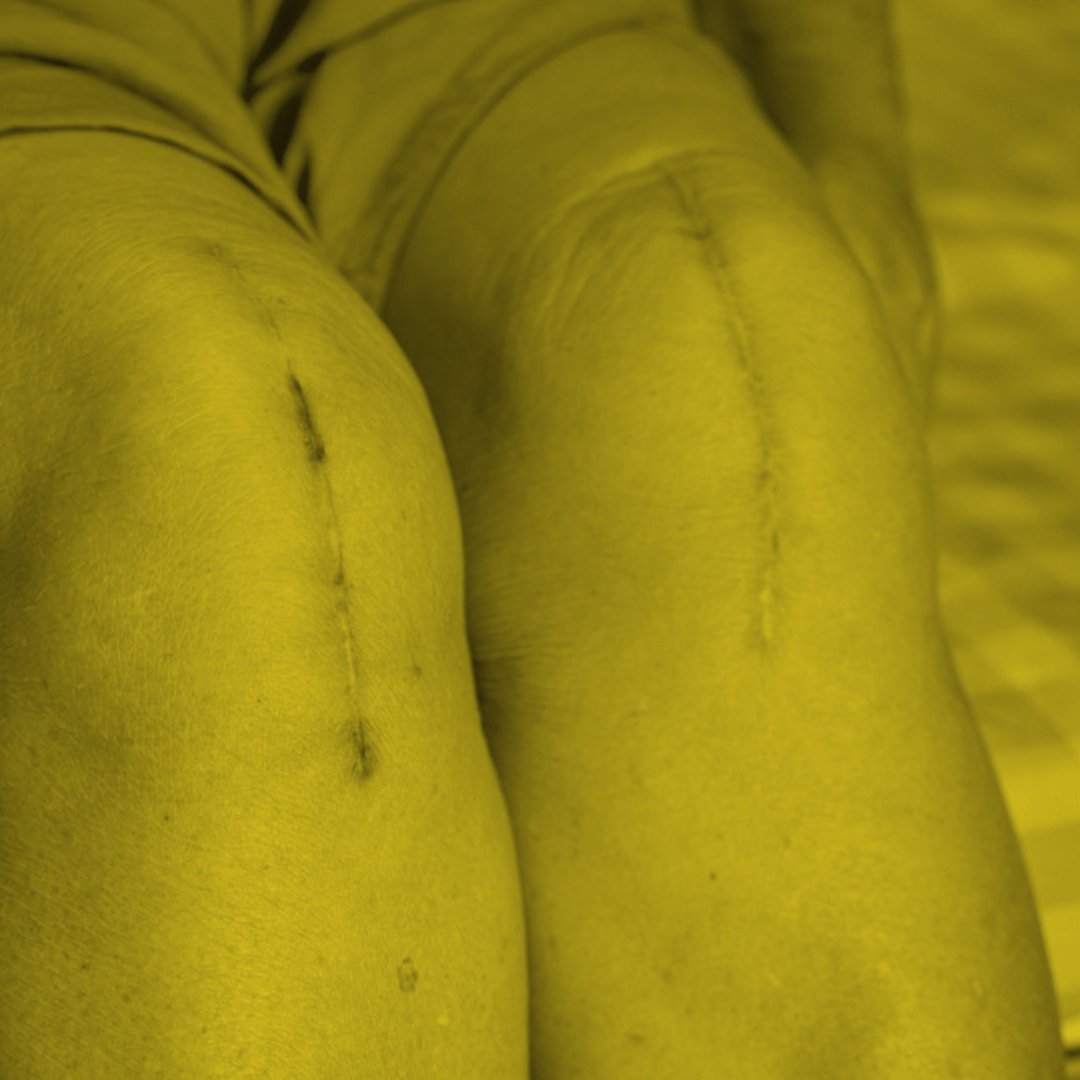
What’s Missing in Many Knee Replacement Recovery Plans?
Physical therapy alone isn’t always enough. Discover what’s missing from knee replacement surgery rehab, from nutrition to prehab, for a fuller recovery.


You’ve probably spent a lot of time thinking about the physical side of healing. Knee replacement recovery gets talked about in terms of swelling, pain, stiffness, and range of motion, but there is another side that often catches people off guard. The emotional side of this process can feel just as intense as the physical work, and sometimes even more overwhelming.
I see this all the time. You prepare your home, line up your exercises, and feel ready to tackle the physical part. Then a few days or weeks in, something feels off. You are frustrated, tired, maybe even questioning whether you made the right decision. That experience is far more common than most people realize.
Let’s talk about what is actually going on and how to handle it in a way that supports your entire knee replacement recovery.
Your body has been through a major change, and your routine has been disrupted overnight. Even simple things like walking to the kitchen or getting comfortable in bed can feel like a challenge. That loss of independence can be frustrating, especially if you are used to being active and self-sufficient.
There is also the mental fatigue that comes with constant focus on your knee. You are thinking about exercises, positioning, swelling, and pain levels throughout the day. That kind of ongoing attention can wear you down more than expected.
On top of that, progress is not always linear. Some days feel like a win, and the next day might feel like you took a step backward. That up-and-down pattern can mess with your confidence if you are not expecting it.
One of the biggest challenges is that no one really prepares you for the emotional rollercoaster. It is not unusual to experience a mix of feelings, sometimes all in the same day.
Frustration is one of the most common. You might feel like your knee should be improving faster, especially if you have been consistent with your exercises. When progress feels slow, it is easy to get discouraged.
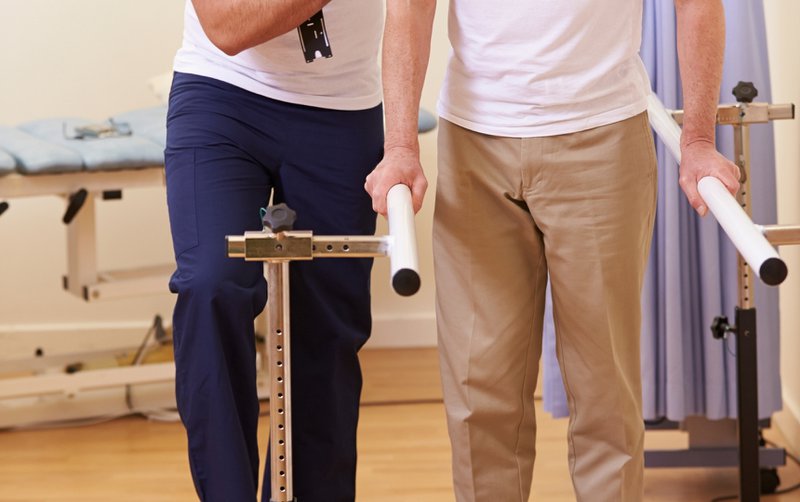
Anxiety can also show up, especially when you are unsure if what you are feeling is normal. Every new sensation can raise questions, and that uncertainty can make you feel on edge.
There are also moments of sadness that can catch you off guard. When your routine changes and your independence is limited, it can feel isolating. Even if people are supporting you, it is still your body going through the experience.
The key thing to remember is that these feelings are part of knee replacement recovery. They are not a sign that something is wrong.
There is a phase I often talk about because it surprises so many people. It usually happens a couple of weeks into knee replacement recovery, when the initial momentum wears off and the reality of the work sets in.
This is when you might think, “Why did I sign up for this?” That thought can feel alarming, but it is actually very normal. Your body is still adjusting, your energy levels are lower, and progress may not yet feel obvious.
This phase does not last forever, but it can feel long when you are in it. Knowing that it is a common part of the process can help you ride it out without losing confidence in your decision.
The emotional side of knee replacement recovery becomes much easier to manage when you have a few strategies in place. You do not need to power through it alone or pretend everything feels fine.
First, set realistic expectations for your progress. Your knee is going to improve, but it is not going to happen overnight. When you expect ups and downs, those tougher days feel less discouraging.
Second, focus on small wins. Maybe you bent your knee a little more today, or stood up with less effort. Those small improvements add up, and they are worth acknowledging.
Third, give yourself permission to rest mentally, not just physically. It is okay to take a break from thinking about your knee for a while. Watch a show, talk to a friend, or do something that gives your mind a break.
Finally, talk about what you are feeling. Whether it is with a family member, a friend, or a professional, saying things out loud can make a big difference. You are not meant to carry this quietly.
If you are supporting someone through knee replacement recovery, your role matters more than you might realize. Emotional support can be just as important as physical help during this time.
Patience is one of the most valuable things you can offer. Progress may feel slow from the outside, but your encouragement can help keep motivation up during tougher days.
It also helps to listen without trying to fix everything. Sometimes, just being present and acknowledging how hard the process feels can be enough.
Encouraging independence in small ways can also boost confidence. Letting someone do what they can on their own, even if it takes longer, can support both physical and emotional progress.
There are ways to make the overall experience feel more manageable. One of the biggest is preparing ahead of time, both physically and mentally.
Going into total knee replacement surgery with stronger muscles and better mobility can make a noticeable difference in how your knee replacement recovery feels. When your body is better prepared, the early stages tend to feel less overwhelming.
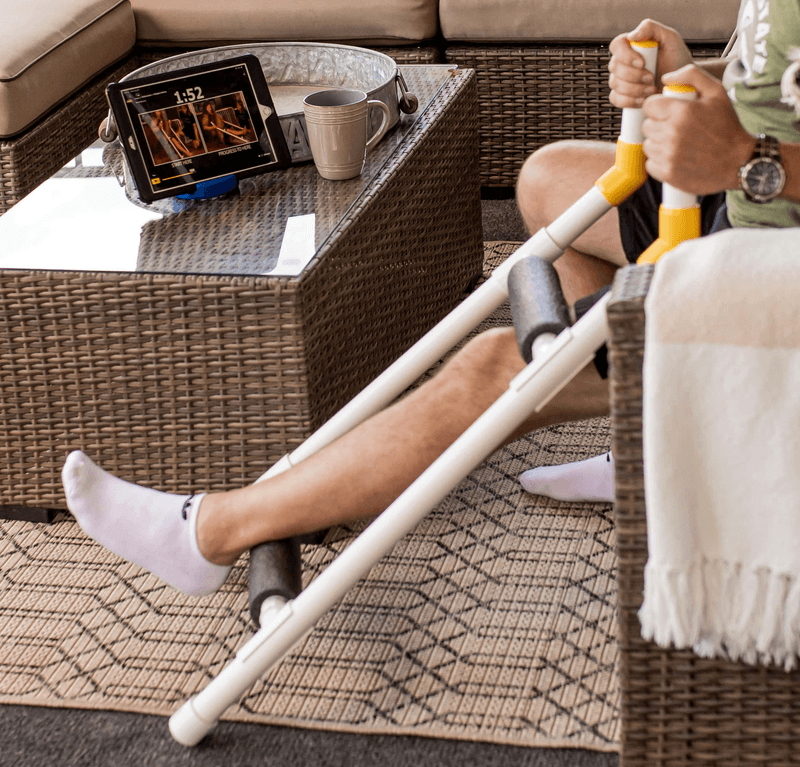
Having a structured plan also helps. Knowing what to do each day removes a lot of the guesswork and reduces stress. When you are not constantly wondering what comes next, you can focus your energy on doing the work.
This is where programs like GoKnee can be helpful. It is a complete prehab and post-op program designed to guide you through range of motion activities and strengthening, all from home. The program uses a system that mimics the hands of a therapist, allowing you to perform advanced techniques safely on your own.
Having that kind of structure can support both your physical progress and your confidence throughout the process.
Knee replacement recovery involves more than just your knee. Your emotional and mental state play a major role in how the entire experience feels from start to finish. When you go into total knee replacement surgery feeling prepared, supported, and realistic about the process, everything becomes more manageable.
That does not mean every day will feel easy. There will still be challenges, but you will be better equipped to handle them. Being in the right place physically, emotionally, and mentally can make the difference between a smoother experience and one that feels much harder than it needs to be.
Take the time to prepare, give yourself grace during the process, and remember that progress is happening even when it feels slow. You are doing more right than you think.
Good luck on your knee journey!
Good knees start here. Don’t miss a step, subscribe to KneeMail for free tips from knee expert Shehla Rooney, PT!
Physical therapy alone isn’t always enough. Discover what’s missing from knee replacement surgery rehab, from nutrition to prehab, for a fuller recovery.
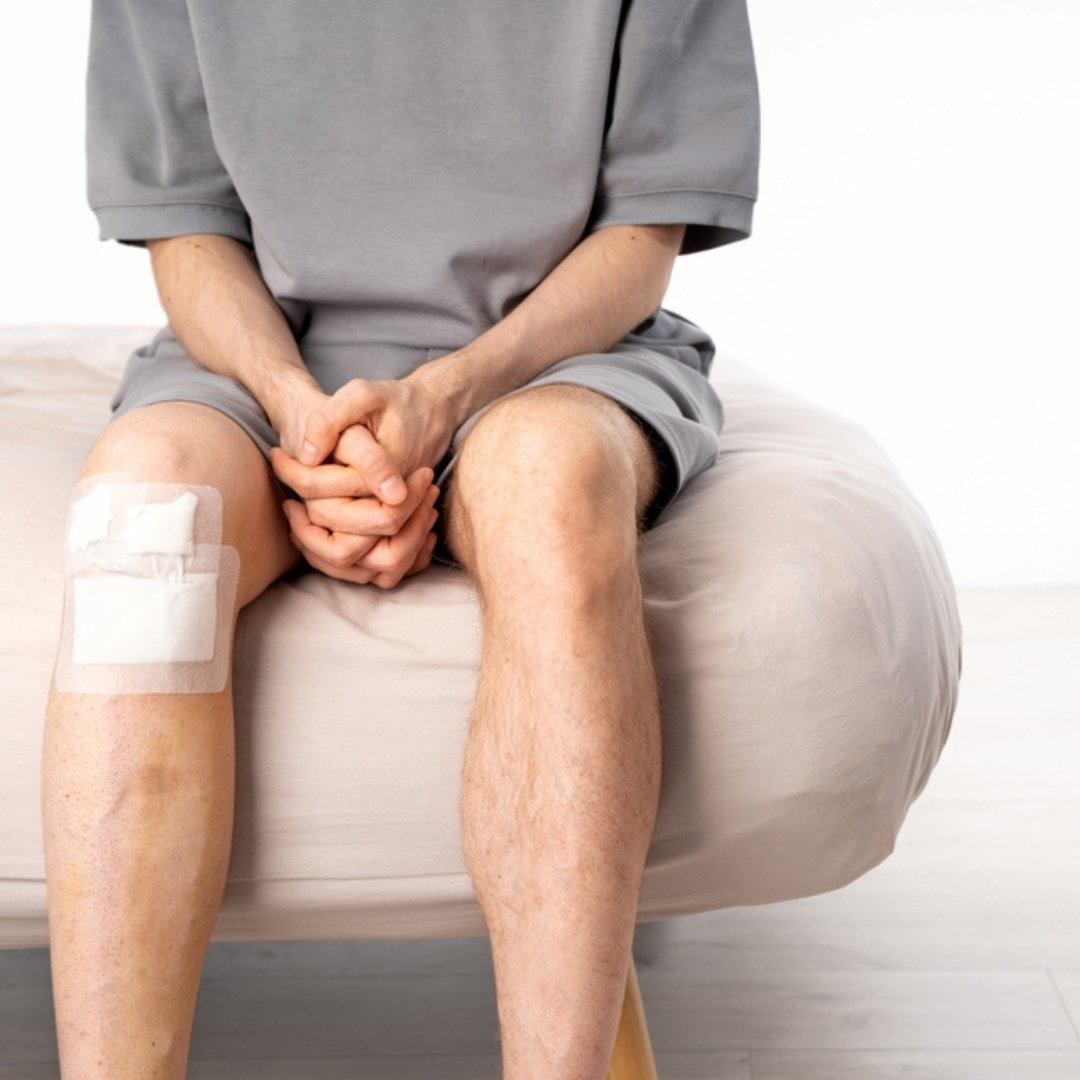
A successful knee replacement surgery doesn’t always feel like one. Here’s why regret happens and how strengthening prep changes the outcome.

Wondering if knee replacement surgery is worth it? Here’s what to weigh by age, from real benefits to recovery realities, before deciding.

Knee replacement surgery recovery doesn’t have to happen in a clinic. Discover why home-based prehab and posthab programs are changing outcomes for the better.

Physical therapy is essential after total knee replacement surgery, but it’s only one piece. Here’s what else drives a faster, fuller recovery at home.