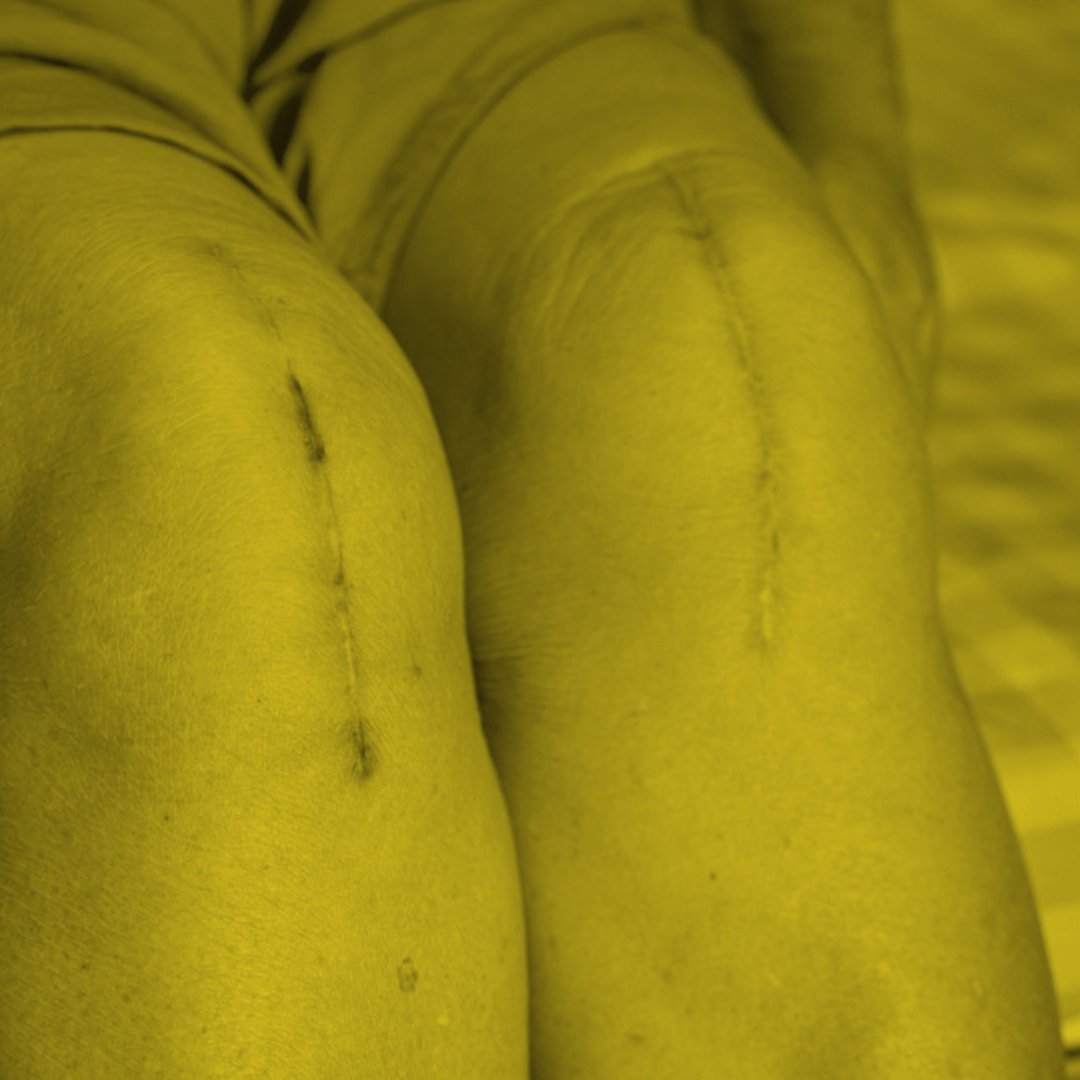
What’s Missing in Many Knee Replacement Recovery Plans?
Physical therapy alone isn’t always enough. Discover what’s missing from knee replacement surgery rehab, from nutrition to prehab, for a fuller recovery.


I've worked with a lot of people preparing for total knee replacement surgery, and one of the most overlooked opportunities I see is the time before surgery. Most of us spend so much energy worrying about what happens after the procedure that we forget we have a window to do something meaningful before it. The benefits of prehab, short for "prehabilitation," are some of the most well-supported findings in orthopedic rehabilitation, and yet it remains one of the best-kept secrets in knee replacement recovery.
Prehab refers to a structured exercise and strengthening program completed in the weeks or months leading up to total knee replacement surgery. Think of it as building your reserves before a big withdrawal. The stronger and more mobile your knee is going in, the better positioned you are to bounce back once you're on the other side of surgery.
For older adults especially, this preparation can be a genuine game-changer. As we age, muscle mass naturally declines, balance can become less reliable, and joints tend to lose some of their range of motion. These changes don't disqualify anyone from having a successful surgery, but they do mean that going in with as much strength and mobility as possible gives you a meaningful head start on your knee replacement recovery.
The research on this is pretty compelling. Studies have shown that people who complete a prehab program before total knee replacement surgery experience shorter hospital stays, faster return to daily activities, and better overall function in the months following surgery. Those are meaningful outcomes, and they don't happen by accident.

One of the biggest benefits of prehab is that it helps you build the exact muscles your new knee will depend on post-surgery. The quadriceps, the large muscles at the front of your thigh, play a starring role in knee stability and movement. After total knee replacement surgery, these muscles tend to weaken significantly due to swelling, pain, and reduced activity. Going into surgery with stronger quads means you're starting from a higher baseline, which makes the dip feel less steep.
Prehab also helps you learn the exercises you'll be doing after surgery while your body is in a more comfortable state to practice them. Doing a ‘heel slide’ when your knee isn't freshly operated on is a lot more doable than doing it for the first time post-surgery. Familiarity with the movements means less anxiety and better technique when it counts most.
Here's a question I get fairly often: does prehab still make a difference for older adults, or is it mostly useful for younger, more active people? The honest answer is that the benefits of prehab are consistent across age groups, and in some ways, older adults stand to gain even more from it.
Younger adults often have more muscle mass and cardiovascular fitness to draw on coming into surgery. Older adults may need more deliberate preparation to reach a similar starting point, which means the work done during prehab carries even more weight. A few weeks of targeted exercise can meaningfully improve strength, balance, and joint mobility, all of which translate directly into a smoother knee replacement recovery.
The key is keeping the program appropriate for where you are right now. Prehab doesn't mean pushing through severe pain or training like an athlete. It means consistent, purposeful movement that improves your baseline before surgery. Gentle strengthening, range-of-motion work, and low-impact aerobic activity like walking or swimming are all excellent starting points.
If you have a surgery date on the calendar, the time to start prehab is now, not the week before your procedure. Ideally, you'd begin six to eight weeks out, though any consistent effort in the weeks leading up to surgery is better than none.
Work with your physical therapist to develop a program that targets your specific limitations. If your knee is already quite stiff, improving flexion and extension before surgery can help your surgical team work with a joint that has better starting range. If weakness is the main issue, building up your quads, hamstrings, and hip muscles will give you more to work with post-operatively.
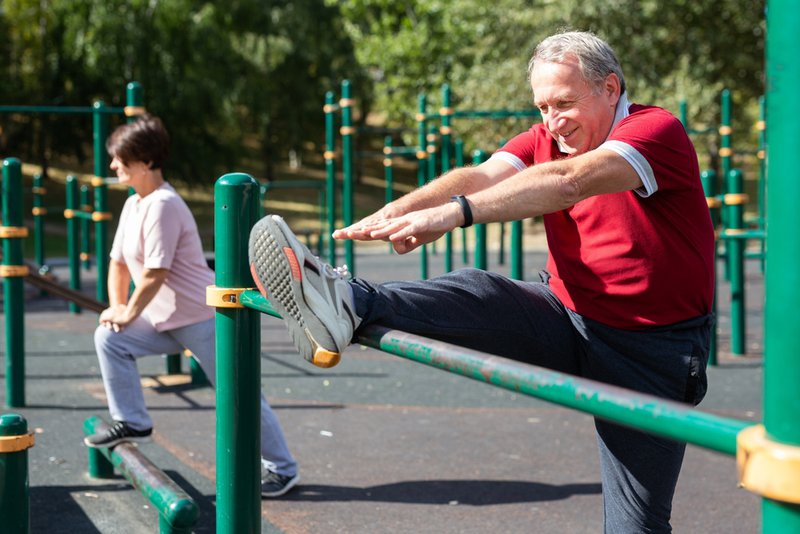
Don't underestimate the mental side of prehab, either. Going into total knee replacement surgery feeling like you've done everything in your power to prepare is genuinely calming. It shifts the experience from something happening to you to something you're actively participating in. That sense of preparedness carries over into your knee replacement recovery in ways that are hard to quantify but very real.
You don't need an elaborate setup or expensive gym membership to get meaningful prehab work done. Many of the most effective exercises, things like seated knee extensions, heel slides, straight leg raises, and gentle squats, can be done at home with no special tools required. If access to in-person physical therapy is limited due to cost or scheduling, a well-structured home exercise program like GoKnee can absolutely fill that gap.
The bottom line is this: your body will thank you for the investment you make before surgery. Prehab is one of the few things within your control during a process that can often feel overwhelming, and the benefits of prehab extend well beyond the operating room. Show up prepared, and your knee replacement recovery will show it.
Good luck on your knee journey!
Good knees start here. Don’t miss a step, subscribe to KneeMail for free tips from knee expert Shehla Rooney, PT!
Physical therapy alone isn’t always enough. Discover what’s missing from knee replacement surgery rehab, from nutrition to prehab, for a fuller recovery.
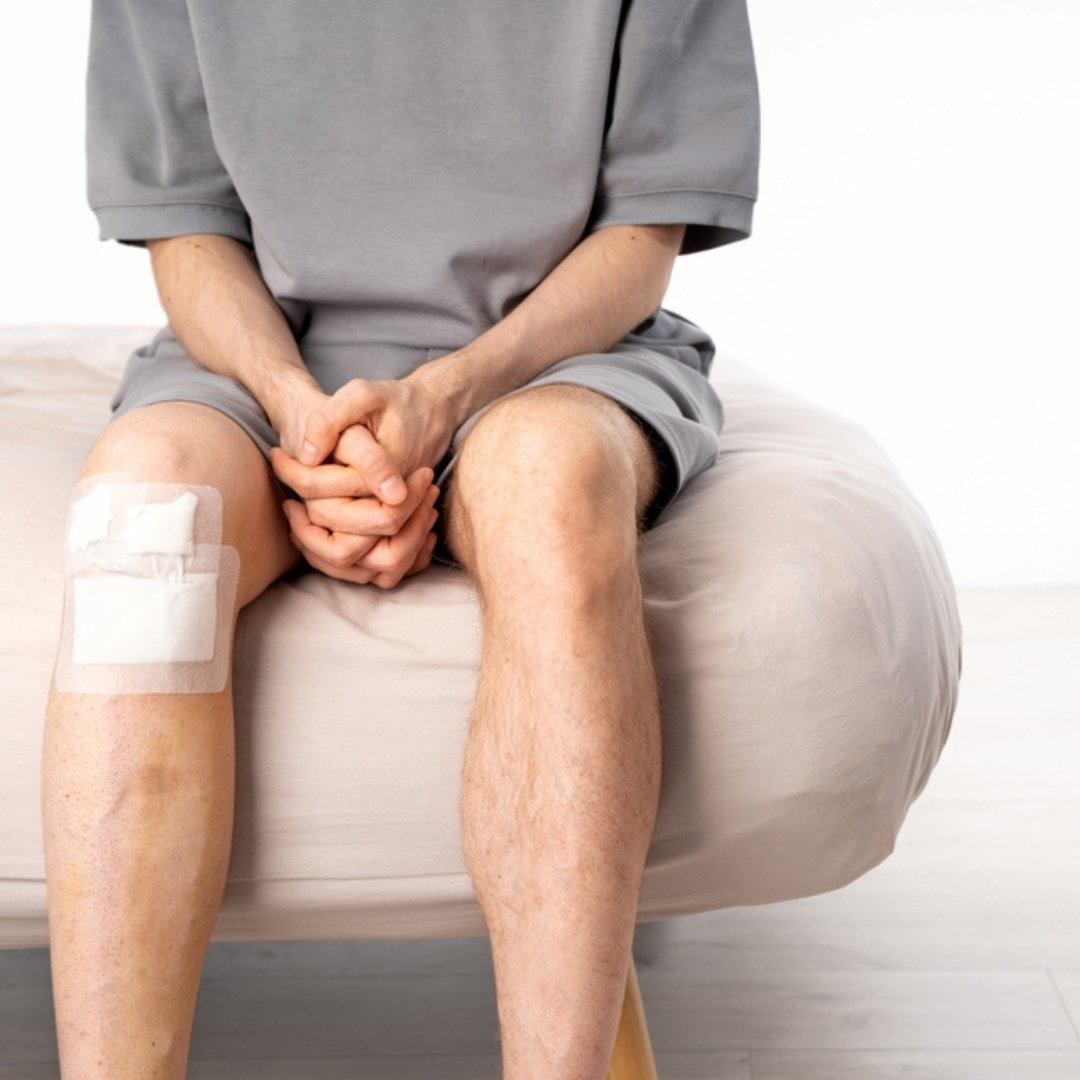
A successful knee replacement surgery doesn’t always feel like one. Here’s why regret happens and how strengthening prep changes the outcome.

Wondering if knee replacement surgery is worth it? Here’s what to weigh by age, from real benefits to recovery realities, before deciding.

Knee replacement surgery recovery doesn’t have to happen in a clinic. Discover why home-based prehab and posthab programs are changing outcomes for the better.
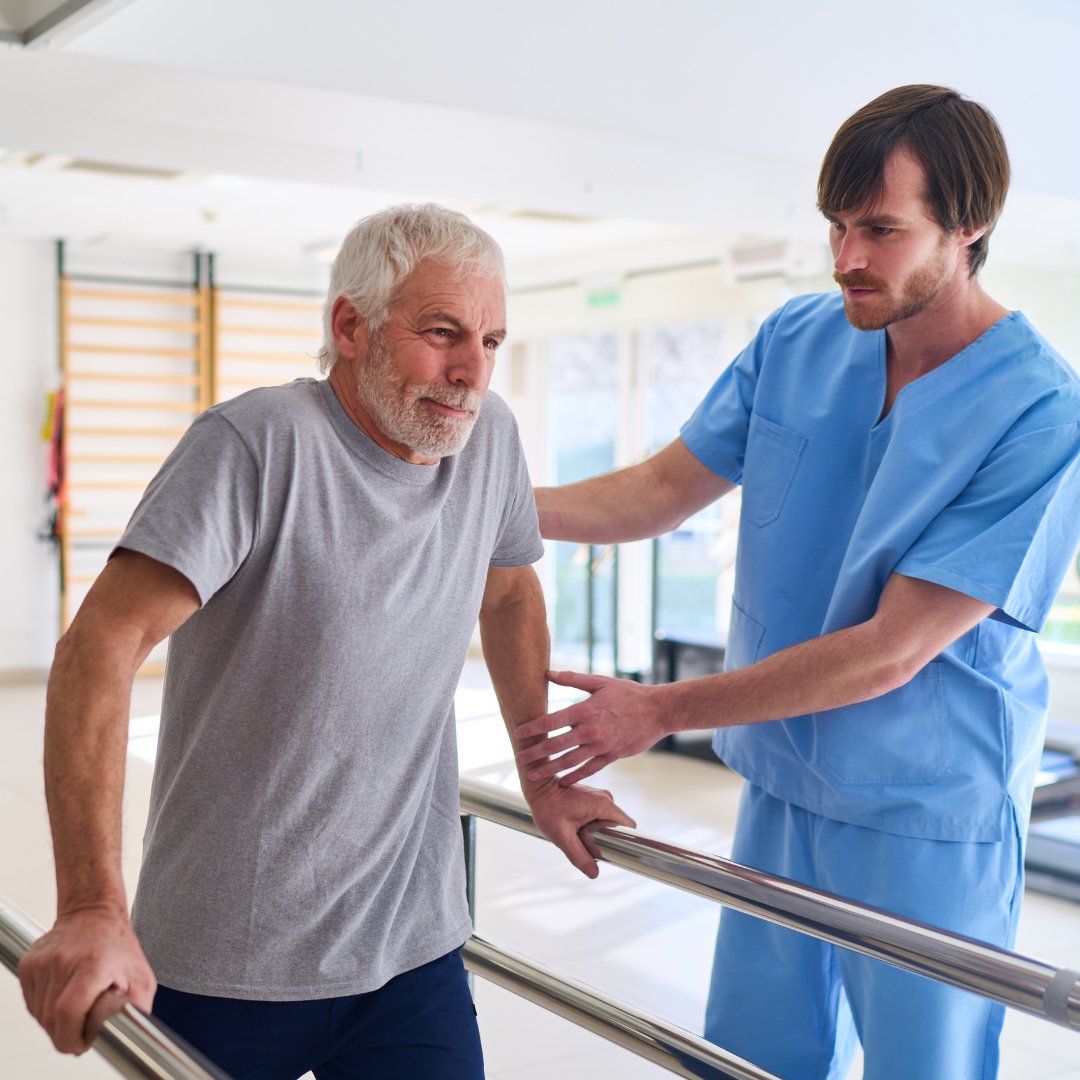
Physical therapy is essential after total knee replacement surgery, but it’s only one piece. Here’s what else drives a faster, fuller recovery at home.