
The New Era of Knee Replacement Recovery is Happening at Home
Knee replacement surgery recovery doesn’t have to happen in a clinic. Discover why home-based prehab and posthab programs are changing outcomes for the better.


As you age, you’ll realize that your knee has been talking to you for a while now. Maybe it wakes you up at night. Maybe it changes how you walk, how you shop, or whether you bother going at all. At some point, the question stops being "is something wrong?" and starts being "is it time to do something about it?" For many people, total knee replacement surgery eventually becomes the clearest path back to a normal life. But how do you know when you've crossed that line? Here are seven signs that your knee may be telling you it's ready for a bigger conversation with your orthopedic surgeon.
This one sounds obvious, but it's worth naming clearly. When knee pain keeps you from walking the dog, playing with your grandchildren, or getting through a grocery run, that's a meaningful quality-of-life signal. Occasional discomfort is one thing. Pain that consistently limits your participation in daily life is another. If your world has been quietly shrinking because of your knee, that matters.
Knee pain during activity is common with arthritis. Knee pain while sitting in your favorite chair or lying in bed at night is a different story. Rest pain is a sign that the joint is significantly deteriorated. It suggests inflammation and structural damage that has moved well beyond a manageable level. If you're losing sleep because of your knee, that's worth taking seriously.

A little morning stiffness is normal as we age. Stiffness that takes more than 30 minutes to ease up after waking is a hallmark sign of moderate to severe arthritis. Your joint is struggling to lubricate and move the way it should. If getting out of bed has become its own daily challenge, your knee is sending a clear message.
Chronic swelling that doesn't resolve with rest, ice, or medication is a red flag. It signals ongoing inflammation inside the joint. When the area also feels warm to the touch, it suggests the joint is under consistent stress. This kind of persistent inflammation is a sign that conservative management may no longer be enough.
Healthy knees hold a relatively straight alignment. When arthritis advances, uneven cartilage loss can cause the knee to bow inward or outward. You or someone close to you may notice the change in how you stand or walk. This structural shift affects your entire lower body, including your hips and lower back. It's a sign that the joint has deteriorated significantly.
Physical therapy, anti-inflammatory medications, knee braces, injections, and other conservative treatments are usually the right first step. Total knee replacement surgery is generally recommended only after these options have been tried and have stopped providing meaningful relief. If you've been through the circuit of non-surgical treatments and your knee keeps declining, that trajectory matters. It's an important part of the conversation with your surgeon.

This one comes from your doctor rather than your symptoms, but it belongs on the list. X-rays that show the cartilage between your bones is severely worn down, sometimes to the point of bone-on-bone contact, confirm what your pain has already been telling you. Imaging gives your surgeon a clearer picture of how far the deterioration has progressed. It's one of the key factors used to determine whether total knee replacement surgery is appropriate for you.
Recognizing these signs doesn't mean surgery is inevitable or immediate. There are non-surgical options worth exploring first, including physical therapy, weight management, activity modification, bracing, and injectable treatments. Many people manage their symptoms well for months or years with the right combination of conservative care.
That said, if several of the signs above feel familiar, it's worth having an honest conversation with an orthopedic specialist. A good surgeon will not push you toward total knee replacement surgery before you're ready. What they can do is give you a clear picture of where your joint stands and what your realistic options are from here.
The goal isn't surgery for its own sake. The goal is getting back to the life your knee has been keeping you from. Surgery, when the time is right, is often the most direct path there. Good luck on your knee journey!
Good knees start here. Don’t miss a step—subscribe to KneeMail for free tips from knee expert Shehla Rooney, PT!
Knee replacement surgery recovery doesn’t have to happen in a clinic. Discover why home-based prehab and posthab programs are changing outcomes for the better.

Physical therapy is essential after total knee replacement surgery, but it’s only one piece. Here’s what else drives a faster, fuller recovery at home.
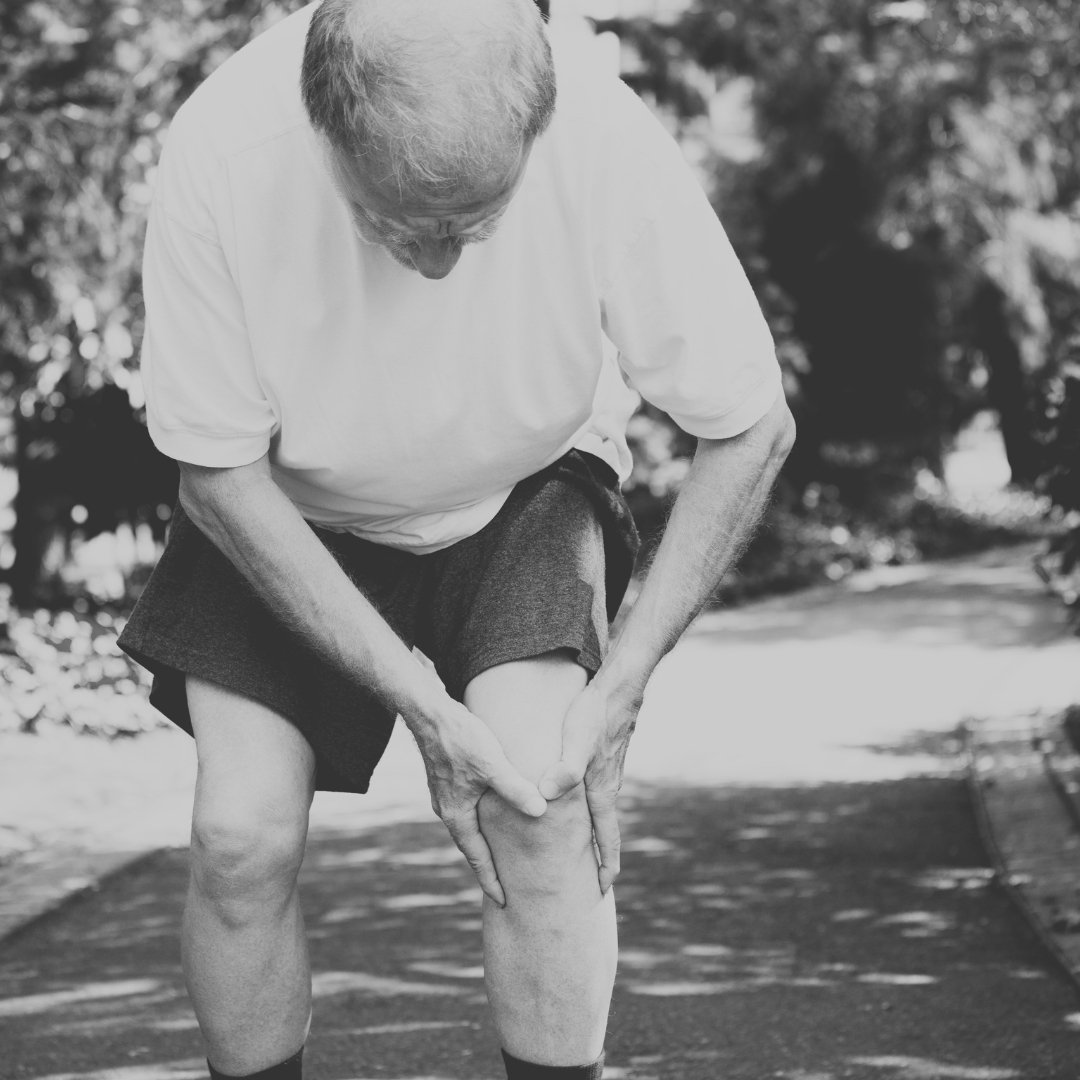
Most people skip prehab before knee replacement surgery without realizing the cost. Here’s what the research says and how to use this critical window wisely.
Still dealing with pain after knee replacement surgery? Learn the most common reasons it happens, what you can do about it, and when to follow up with your surgeon.

Pain catastrophizing can quietly derail your knee replacement recovery before it even begins. Learn what it is, how it affects outcomes, and what to do about it.