
Knee Mobility: 5 Signs Your Arthritic Knee Needs More Than Just Stretching
Stretching not helping your stiff knee? These 5 signs reveal when limited knee mobility comes from more than just tight muscles.


Not every rehab experience is created equal, and I wish more people knew that going in. Good physical therapy for knee replacement surgery should feel individualized, attentive, and focused on your specific progress. When it doesn't, something is usually off, and it might be time to consider switching clinics.
Recognizing these signs early protects your recovery, since your knee deserves real attention rather than a generic routine. Here are the signs worth paying attention to, along with why they matter more than people often realize.
Some soreness after a session is normal, especially early on. But if your pain significantly increases every single time you leave, that's a pattern worth questioning. A good program should challenge you without leaving you worse off than before you walked in. Consistent spikes in pain often mean the exercises don't match where you are in your healing, and that mismatch can slow your progress instead of supporting it.

A therapist paying close attention should notice this pattern too, and adjust your program before it becomes a repeated problem. If those adjustments never happen despite you mentioning the pain, that silence is telling on its own.
Continuity matters more than people expect. When a different therapist treats you each visit, nobody has a full picture of how you're actually doing week to week. Small details get lost, adjustments don't happen the way they should, and your care starts to feel disjointed. A consistent therapist who knows your history tends to catch subtle changes that a rotating cast of providers simply won't notice.
This doesn't mean every clinic needs to guarantee the exact same person every time, since scheduling realities exist. But if it happens constantly with no communication between providers, your progress is likely slipping through the cracks.
Walk into a good clinic and you'll usually see a variety of routines happening at once, because everyone heals differently and needs different things. If you notice that everyone around you appears to be doing the exact same set of movements regardless of their surgery date or progress, that's a red flag.
It often signals a generic program rather than one built around your specific knee, and it usually means your therapist isn't tracking your individual progress closely enough.
A therapist who never checks in about your specific difficulties is missing a huge part of the picture. Struggles vary widely between people. Maybe stairs feel impossible, or maybe it's getting in and out of a car.
If sessions move forward without anyone asking what feels hard for you personally, the plan probably isn't being adjusted to fit your actual needs, and that gap tends to show up as slower progress over time.
Physical therapy for knee replacement should involve hands-on guidance, correction, and attention, not just a printed sheet of exercises you complete unsupervised in a corner. If most of your appointment consists of exercising independently while a therapist checks in briefly, you're likely not getting the level of care you're paying for.

Skilled guidance during movement is where a lot of the real value happens, since small corrections in form can make the difference between an exercise that helps and one that strains your joint.
What happens between appointments matters just as much as what happens during them. A good therapist regularly asks what you're doing at home, how it's going, and whether anything feels off. If that conversation never comes up, your treatment plan can't reflect your day-to-day reality, which limits how effective the whole process can be. Consistency between visits is often where the real progress happens, so a therapist who ignores it is missing a major piece of your care.
This one might be the clearest red flag of all. If you keep asking questions about your progress, your exercises, or your timeline and consistently get vague or dismissive responses, take that seriously. You deserve clear answers about your own healing.
A therapist who can't or won't explain their reasoning isn't giving you the partnership that good rehab requires, and that lack of communication often points to bigger gaps in how your care is being managed overall.
If several of these signs sound familiar, it may be worth looking into other rehab options. Effective healing after total knee replacement surgery depends heavily on treatment that's tailored to your specific needs rather than a one-size-fits-all approach.
Sticking with a mismatched program out of loyalty or convenience can slow your progress and, in some cases, increase the risk of complications that lead to a manipulation or revision surgery down the road.
Finding a therapist who pays attention to your specific case is one of the most important decisions you'll make in your recovery, and it's never too late to make that switch if something feels off. Good luck on your knee journey!
Good knees start here. Don’t miss a step—subscribe to KneeMail for free tips from knee expert Shehla Rooney, PT!
Stretching not helping your stiff knee? These 5 signs reveal when limited knee mobility comes from more than just tight muscles.

Learn what knee range of motion values mean, how they affect daily activities, and what your numbers may mean after total knee replacement surgery.
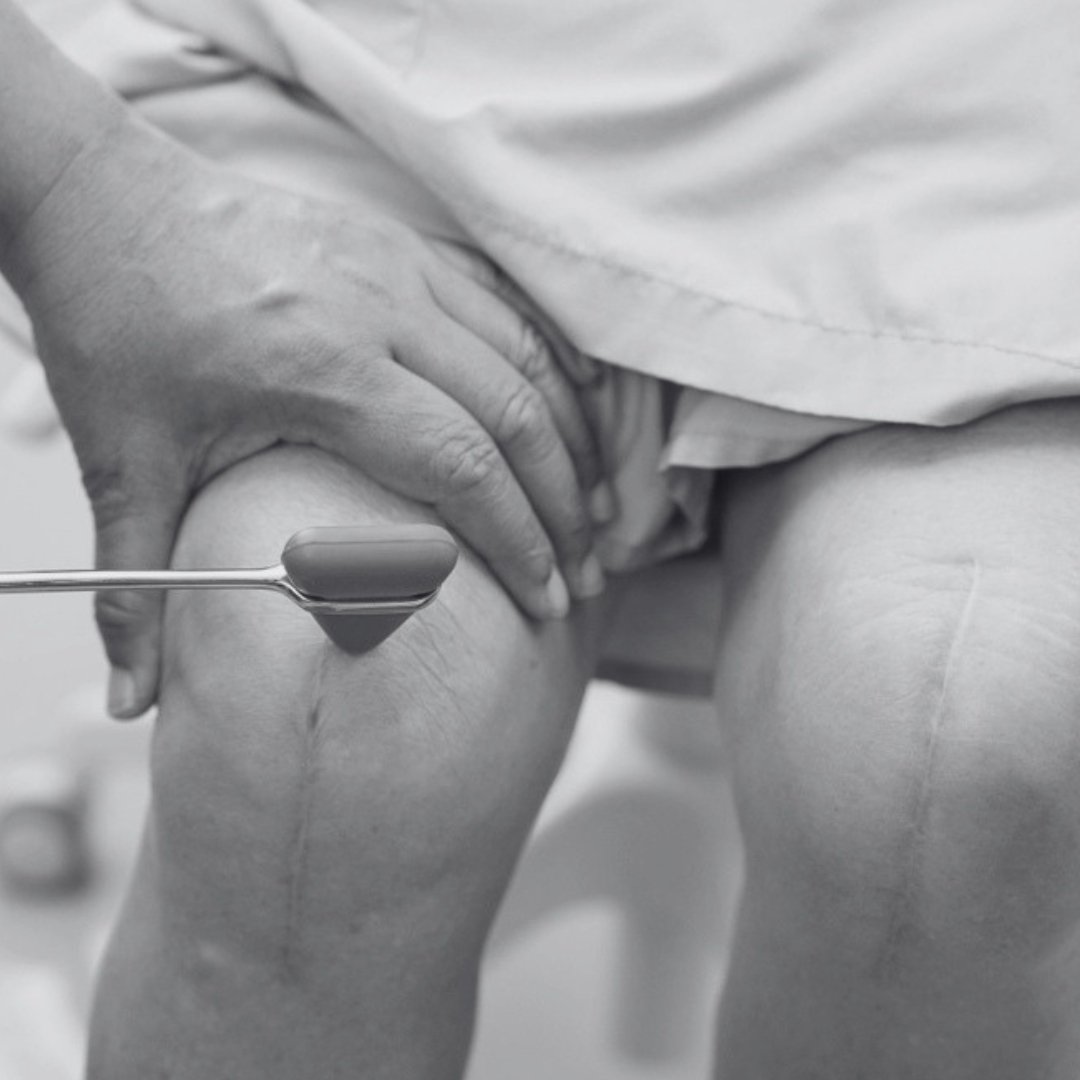
Wondering what the knee replacement recovery timeline looks like at 6 weeks, 3 months, or a year out? Here’s a realistic timeline plus healing tips.

Physical therapy alone isn’t always enough. Discover what’s missing from knee replacement surgery rehab, from nutrition to prehab, for a fuller recovery.

A successful knee replacement surgery doesn’t always feel like one. Here’s why regret happens and how strengthening prep changes the outcome.