Can How You Walk Affect Your Knee Health?
Learn how improper gait and posture imbalances affect knee health and what you can do to reduce pain, improve movement, and protect your knees long term.


If you’re recovering from knee replacement surgery, you’ve probably realized that everyday movements can suddenly feel like an extreme sport. Lifting laundry, bending to reach a low shelf, or turning too quickly can leave your knee feeling sore or stiff. These motions may seem small, but to a new knee, they can be surprisingly demanding.
When it comes to healing, it’s not always about avoiding movement altogether. Instead, it should be about learning the smart body mechanics that protect your new joint while keeping you active and confident. Every step and stretch teaches your body how to move safely again.
When you’re recovering from knee replacement surgery, it’s important to remember that your knee isn’t the only part healing. The muscles, ligaments, and connective tissues surrounding the joint are all learning to cooperate with your new implant.
Movements like lifting, twisting, and bending don’t just test your strength. They challenge your rotational control, which helps your knee stay stable and aligned. If you lift a heavy object or twist to grab something behind you, that subtle rotation can put pressure on tissues still adjusting to the implant.
The goal is not to stop moving, but to retrain how you move so your new knee works with you, not against you.

Your knees and your back are partners. When one isn’t working efficiently, the other takes on extra work. During knee replacement recovery, lifting safely means getting them to cooperate again.
Here’s how to lift safely:
And one of my golden rules: if something feels too heavy, it probably is. Split your load or ask for help. Protecting your new knee now pays off for years to come.
Twisting can be one of the trickiest movements while you’re recovering from knee replacement surgery. It often happens when you least expect it, like pivoting to grab something or turning while carrying groceries. The issue is that twisting starts from your foot and travels upward, putting torque on your new knee.
Here’s how to twist safely:
A simple cue I teach my clients is, “If your nose and toes point in the same direction, your knee will feel good.”
Bending is essential for daily life, but after knee replacement surgery, it needs to be done mindfully. Deep bending too early can strain healing tissues and increase swelling.
Start with gentle, controlled bends. While sitting in a sturdy chair, slide your heel back under you until you feel a stretch, then pause. Breathe and let the motion settle before straightening again. Consistency beats intensity here. Gradually, you’ll notice your range of motion improving and daily tasks becoming easier.
The stronger your thighs, hips, and calves become, the easier bending will feel. Strength equals stability.
When it comes to knee replacement recovery, strength is more about control than muscle size. Every stable step you take comes from well-coordinated muscles working together.
I often encourage simple exercises like mini squats and step-ups. These movements teach your body to share effort evenly between your hips, legs, and core. Always move with control and comfort, and remember, a sharp pain or swelling means your knee needs a break.
If you want guidance from home, GoKnee offers a comprehensive knee replacement recovery program that helps you perform advanced techniques safely, without needing a therapist beside you. The program’s patented device mimics the hands of a therapist, and their step-by-step videos guide you through every movement, right from your phone or tablet. Learn more about GoKnee here.

Think of every movement as practice for your new normal. Small, mindful changes build lifelong habits.
These habits may sound small, but they make a big difference. The more intentional you are with your movements, the stronger and more confident your knee will become.
Recovering from knee replacement surgery is a journey full of progress and patience. Some days you’ll feel unstoppable, and other days, you might feel like your knee has its own opinions. Both are completely normal.
Keep practicing good form, take things one motion at a time, and remember that every smart step is a win. With patience, strength, and a little humor, you’ll find your stride again. Good luck on your knee journey!
Good knees start here. Don’t miss a step, subscribe to KneeMail for free tips from knee expert Shehla Rooney, PT!
Learn how improper gait and posture imbalances affect knee health and what you can do to reduce pain, improve movement, and protect your knees long term.

Discover what can slow down knee replacement surgery progress and how to avoid common setbacks that affect strength, mobility, and daily function.
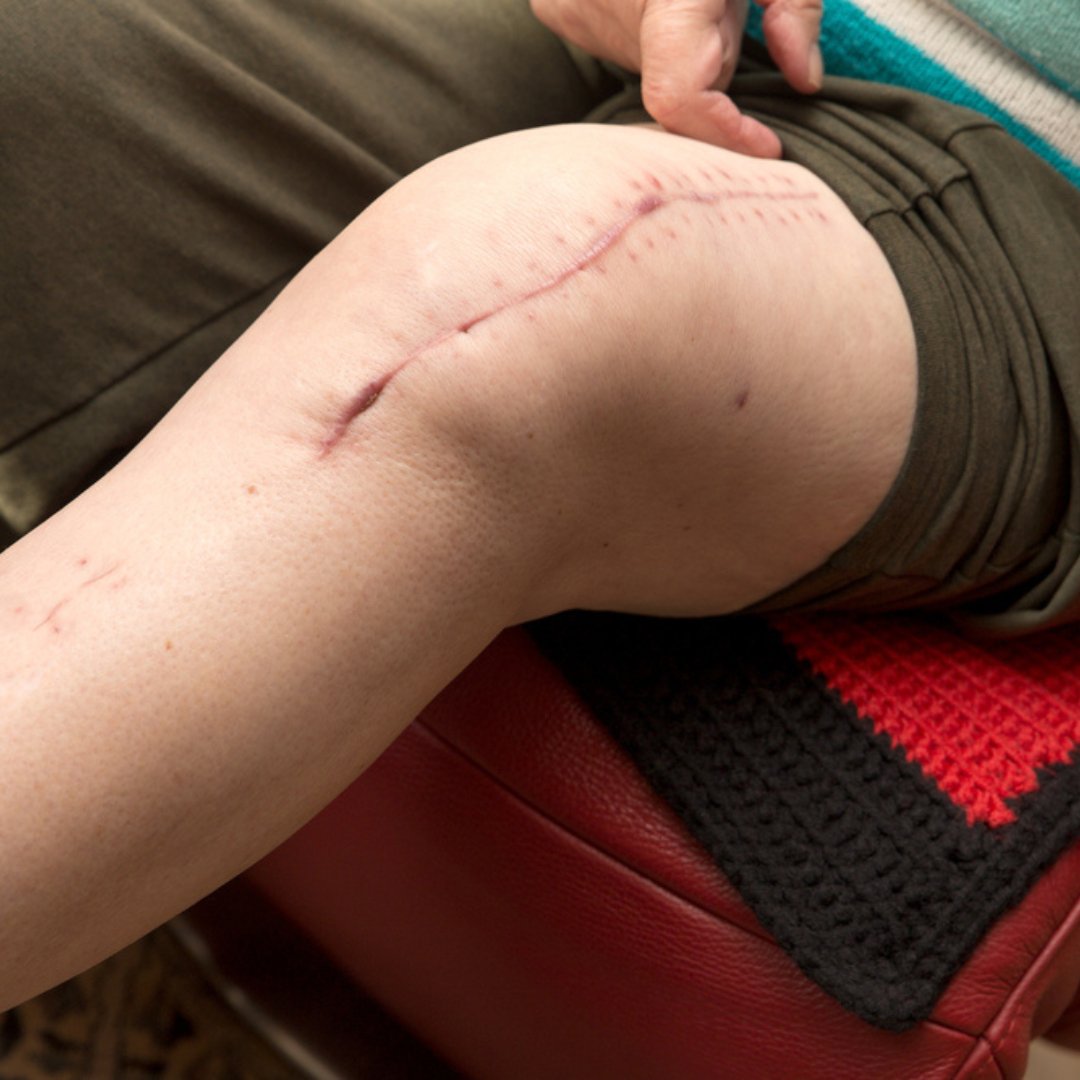
Learn how the opposite leg supports knee replacement surgery recovery and why strengthening it helps prevent overuse, improve balance, and support better progress.
Find out more about why knee replacement implants feel unfamiliar at first, and how you can safely rebuild trust in your new knee.

Discover the truth about aging and knee pain. Learn the myths, the real science, and the steps you can take to stay strong, mobile, and confident at any age.