
Can How You Walk Affect Your Knee Health?
Learn how improper gait and posture imbalances affect knee health and what you can do to reduce pain, improve movement, and protect your knees long term.


Few things feel as freeing as getting back behind the wheel. For many people, driving after knee replacement surgery represents independence, normalcy, and confidence. It’s a very common scene: the moment someone realizes they can hit the road again safely, their whole posture changes. The challenge, however, is knowing when that moment comes.
Driving after knee replacement surgery isn’t just about comfort; it’s about control, reaction time, and keeping your new knee safe. Whether it’s a short drive to the store or a weekend road trip, there are important things to consider before you put the keys back in your hand.
The timeline for returning to driving depends on several factors, including which knee had surgery, how well your strength and flexibility are returning, and whether you drive an automatic or manual car.
If your right knee was replaced, you’ll need to make sure you can press the gas and brake pedals smoothly without hesitation. Studies suggest most people are ready around four to six weeks after surgery, once they regain full control and strength in that leg. For a left knee replacement, drivers with automatic cars may return sooner, since the right leg handles the pedals.
Ultimately, the best test is safety, not the calendar. If you still rely on pain medication or your knee feels stiff during quick motions, it’s too soon.

When you think about driving, you probably picture the open road, not the biomechanics of your knee. But your knee does a lot of subtle work while you’re in the driver’s seat.
Pushing pedals requires controlled bending and extension, while sitting for long periods can cause stiffness or swelling. Quick reaction time also depends on how smoothly you can move your leg from the gas to the brake. If your muscles tire easily or your knee doesn’t move fluidly, your response time could be delayed.
That’s why knee flexibility and muscle coordination are just as important as pain levels before driving again.
Before driving after knee replacement surgery, try a few practice drills at home. Sit in a chair that mimics your car seat and simulate pressing the pedals. Can you move quickly between them? Do you feel pain, tightness, or hesitation?
Next, get into your actual car (while parked and turned off). Simulate pressing the brake and gas pedals several times. If your movement feels natural and controlled, that’s a great sign. If not, focus on additional exercises that target flexibility and strength before your next test.
And remember, no amount of practice replaces safety. Always get clearance from your orthopedic surgeon or physical therapist before returning to the road.
Sitting for long stretches can make your knee feel tight, especially early in your knee replacement recovery. To avoid stiffness:
Even short breaks can prevent swelling and help your knee feel more comfortable when you arrive at your destination.
There’s a big difference between driving five minutes to the store and spending three hours on the highway. For shorter drives, focus on proper seat position and smooth braking. For longer trips, plan ahead for stops and stretches.
Here are some things that help:
Long drives will get easier as your strength improves, but pacing yourself early will make the transition smoother.

Your doctor or therapist can help determine whether your leg strength, range of motion, and reflexes are ready for driving. Some orthopedic surgeons even use simulated driving assessments to test response time safely.
If your knee still feels heavy, numb, or weak, or if swelling limits your control, it’s best to wait. Remember, returning to driving too soon isn’t just risky for your knee. It’s also a safety concern for everyone on the road.
Here’s a quick checklist to help you decide if you’re truly ready to drive:
If all boxes are checked, start with short drives in familiar areas. Gradually increase your time behind the wheel as your confidence grows.
Driving after knee replacement surgery is a major milestone. It signals freedom, progress, and a return to normal life. Take your time, listen to your body, and make safety your priority. The road will be waiting for you, and when you’re ready, every mile will feel like a victory lap.
When you’re looking for extra support in regaining knee strength and flexibility at home, check out GoKnee and see how it can help you move forward with confidence. Good luck on your knee journey!
Good knees start here. Don’t miss a step, subscribe to KneeMail for free tips from knee expert Shehla Rooney, PT!
Learn how improper gait and posture imbalances affect knee health and what you can do to reduce pain, improve movement, and protect your knees long term.

Discover what can slow down knee replacement surgery progress and how to avoid common setbacks that affect strength, mobility, and daily function.
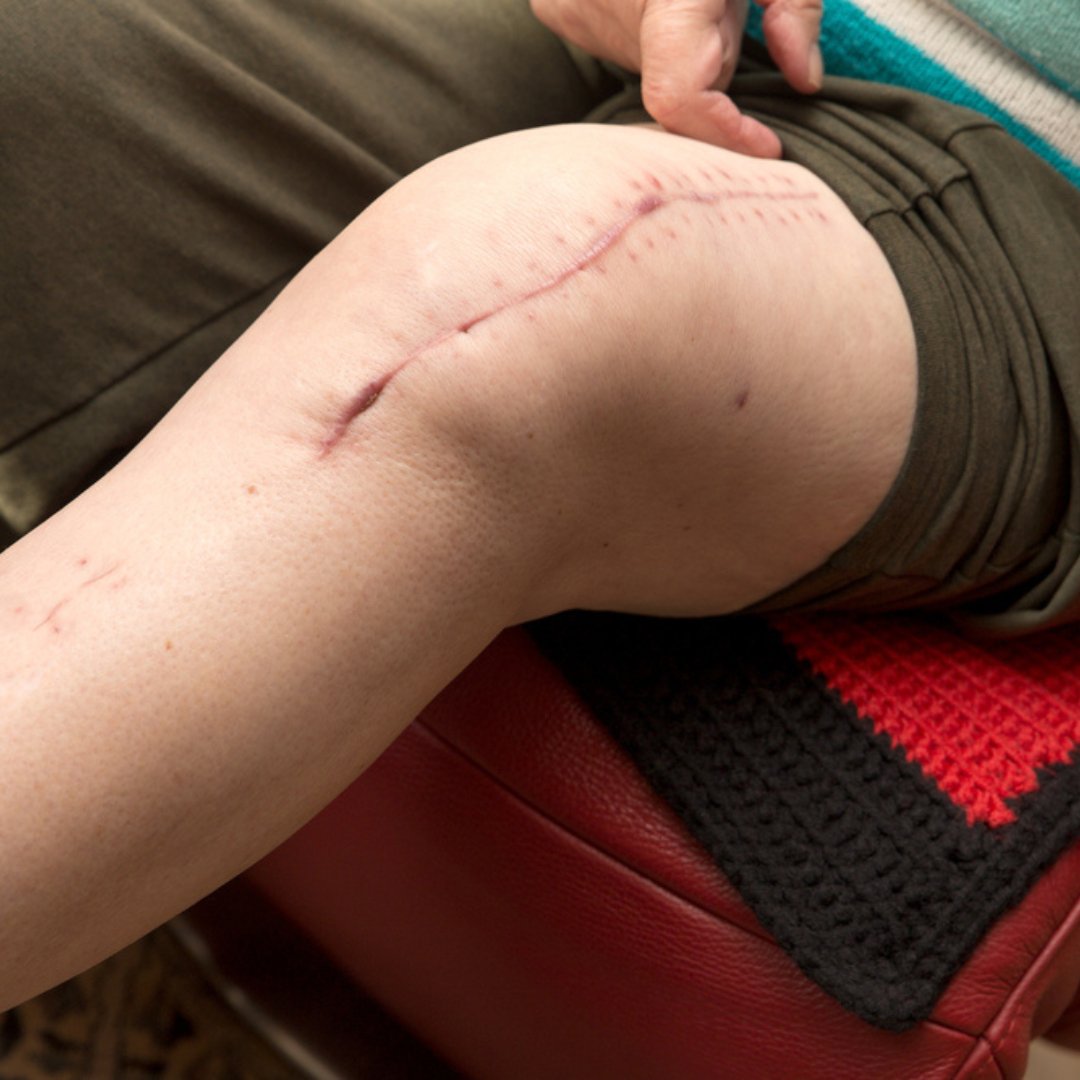
Learn how the opposite leg supports knee replacement surgery recovery and why strengthening it helps prevent overuse, improve balance, and support better progress.
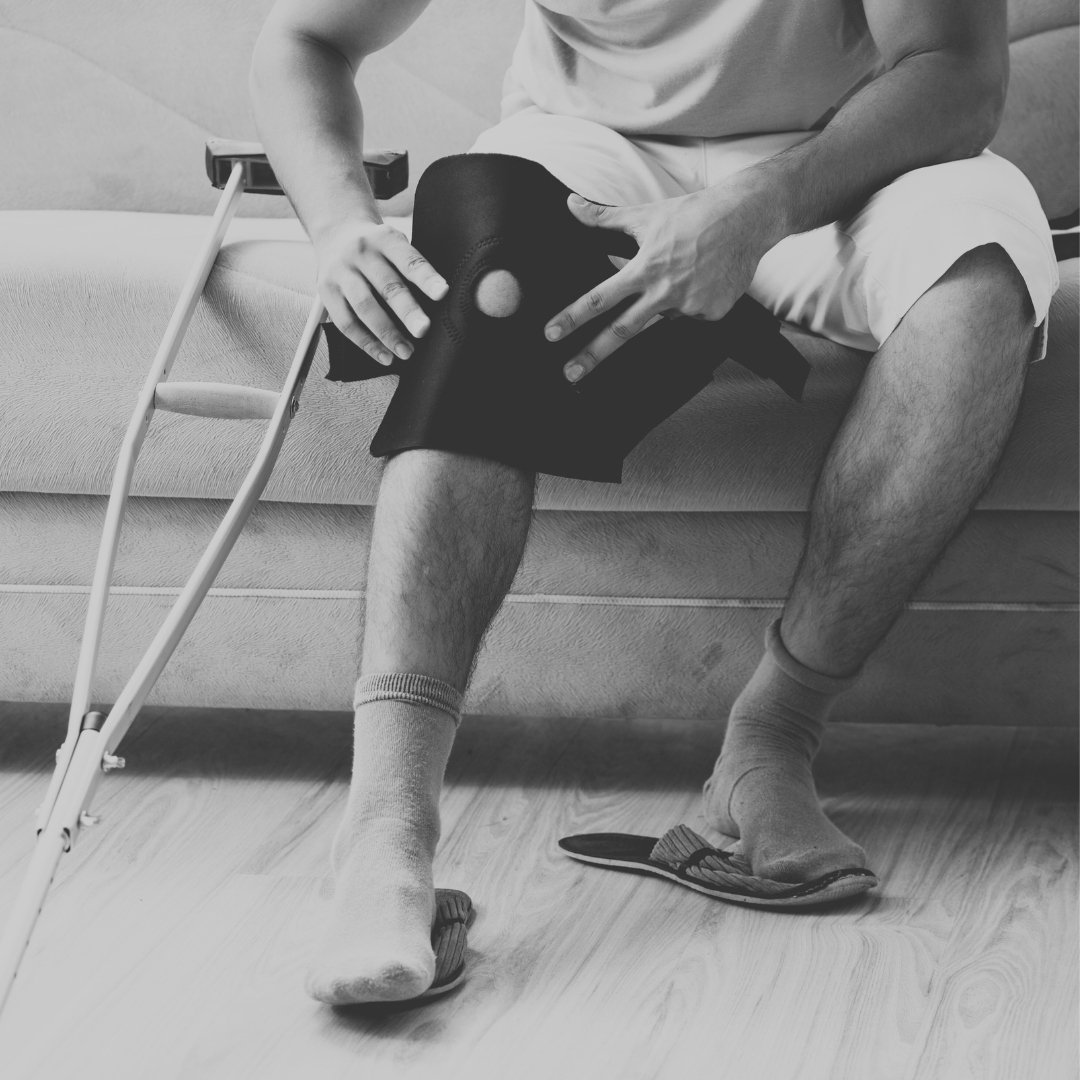
Find out more about why knee replacement implants feel unfamiliar at first, and how you can safely rebuild trust in your new knee.

Discover the truth about aging and knee pain. Learn the myths, the real science, and the steps you can take to stay strong, mobile, and confident at any age.