
Factors That May Slow Down Knee Replacement Surgery Recovery
Discover what can slow down knee replacement surgery progress and how to avoid common setbacks that affect strength, mobility, and daily function.

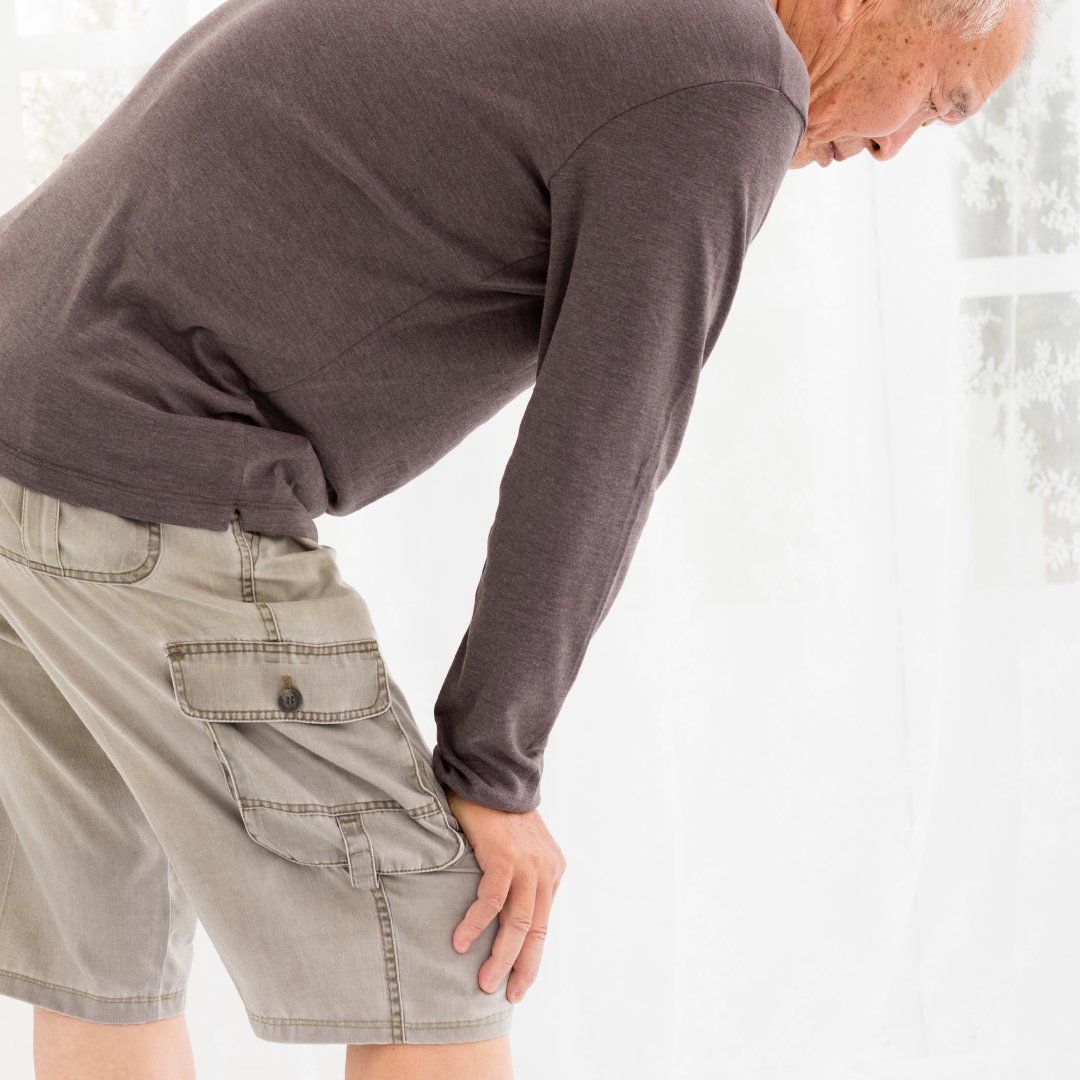
I’ve spent a lot of time helping people with knee pain and teaching about healthy aging, and I’ve noticed a pattern: almost everyone blames their age long before age is truly the problem. You might hear friends shrug and say, “Well, I’m getting older,” as if knee discomfort comes bundled with every birthday candle. But knee pain has layers. Some you can influence far more than you think.
Your knees may change over time, but they are not destined for decline. Today, I want to walk you through the myths that keep you stuck, the truths that can set you up for better movement, and the powerful steps you can take to feel more capable and confident than you have in years. Speaking from experience, I started competitive pickleball in my late 40s and I’ve had three knee surgeries, it really is possible.
If aging were the root cause of knee pain, everyone over 55 would walk identically, but they don’t. Some people remain active and comfortable into their 70s and 80s, and even 90s, while others struggle much younger. That’s because knee pain is influenced by many factors: muscle strength, joint alignment, inflammation levels, old injuries, activity habits, and even how you move throughout the day.
Age contributes, but it isn’t the villain it’s often made out to be. Think of aging as background noise, not the lead singer in your knee story.
Cartilage may not regenerate like a lizard's tail, but it does respond to movement. When you bend and straighten your knee, you help circulate nutrients and keep the joint environment healthier. Cartilage is nourished through pressure changes inside the joint, and movement pushes nutrients in and waste products out.
So even if cartilage has worn down, the right kinds of motion can help your joint feel better, move better, and function better. Motion isn’t optional. It’s essential.

Rest feels tempting, especially when your knee is swollen, stiff, or achy. But long-term rest is often the exact opposite of what your knee needs. Muscles weaken, the joint stiffens, and everyday activities become harder.
When you keep moving (gently and intentionally), you improve circulation, reduce stiffness, and maintain strength in the muscles that support the knee. Even small daily habits like slow bending and straightening or a short walk, can make a meaningful difference.
Motion keeps your knee younger than your birthday suggests.
Tools and programs are not crutches; they’re stepping stones. They help you break through stiffness, improve your range of motion, and build strength safely.
For example, GoKnee offers a full step-by-step program that includes prehab, post-operative exercises, long-term maintenance, and a knee device that mimics the hands of a therapist so you can perform advanced techniques at home. People often feel more in control when they have a clear roadmap instead of guessing their way through knee pain or knee replacement recovery.
The right tools build independence, not dependence.
Knee replacement surgery isn’t a failure. It’s a solution many people choose because they want their life back. The key factors that influence your experience aren’t age or even arthritis severity, it’s what you do before and after the operation.
Prehab strengthens your muscles, improves confidence, and sets the stage for better knee replacement recovery. After the surgery, a structured exercise plan helps restore bending, straightening, strength, and walking mechanics.
Total knee replacement surgery isn’t a last resort, but a turning point that can give you renewed mobility and freedom.
Let’s shift into the facts that genuinely help people dealing with aging and knee pain. These truths guide everything I teach my patients.
Your quadriceps, hamstrings, and glutes act like extra cushioning for your knees. When these muscles weaken, your joint absorbs more impact than it should. Strengthening done a few times a week can significantly reduce discomfort and improve your stability.
When your knee doesn't bend or straighten fully, your mechanics change. You may take shorter steps, shift your weight unevenly, or avoid certain movements altogether. Improving your range of motion helps you walk more naturally and reduces strain on the joint.
This is why so many rehab programs, including GoKnee, prioritize bending and straightening early and consistently.
Motion stimulates joint fluids, keeps cartilage healthier, and reduces stiffness. Whether you enjoy walking, gentle cycling, or structured strengthening, your knee responds positively when you stay active. Aging and knee pain don’t improve with stillness. They improve with smart, consistent movement.

Many people assume their knee pain will simply get worse with time. But I’ve worked with countless people who were able to improve dramatically through targeted strengthening, range-of-motion work, and initiating low-impact aerobic activity to get the juices flowing.
Remember, knees change. They adapt. They respond. You are not stuck.
Whether you’re gearing up for total knee replacement surgery or working through chronic stiffness, structure helps. Education helps. Guidance helps. Sometimes that means working with a therapist. Sometimes it means doing a home-based program and mobility work.
You deserve clarity, not confusion.
Here are simple, powerful steps that support your knee health regardless of your age or stage:
These habits may seem small, but knee improvement often begins with simple consistency.
Aging may change your knees, but it does not control your future. With the right habits, tools, and guidance, you can move better, feel stronger, and live with more confidence. You have more influence over your knee health than you realize, and your next step forward can start today.
Good luck on your knee journey!
Good knees start here. Don’t miss a step, subscribe to KneeMail for free tips from knee expert Shehla Rooney, PT!
Discover what can slow down knee replacement surgery progress and how to avoid common setbacks that affect strength, mobility, and daily function.
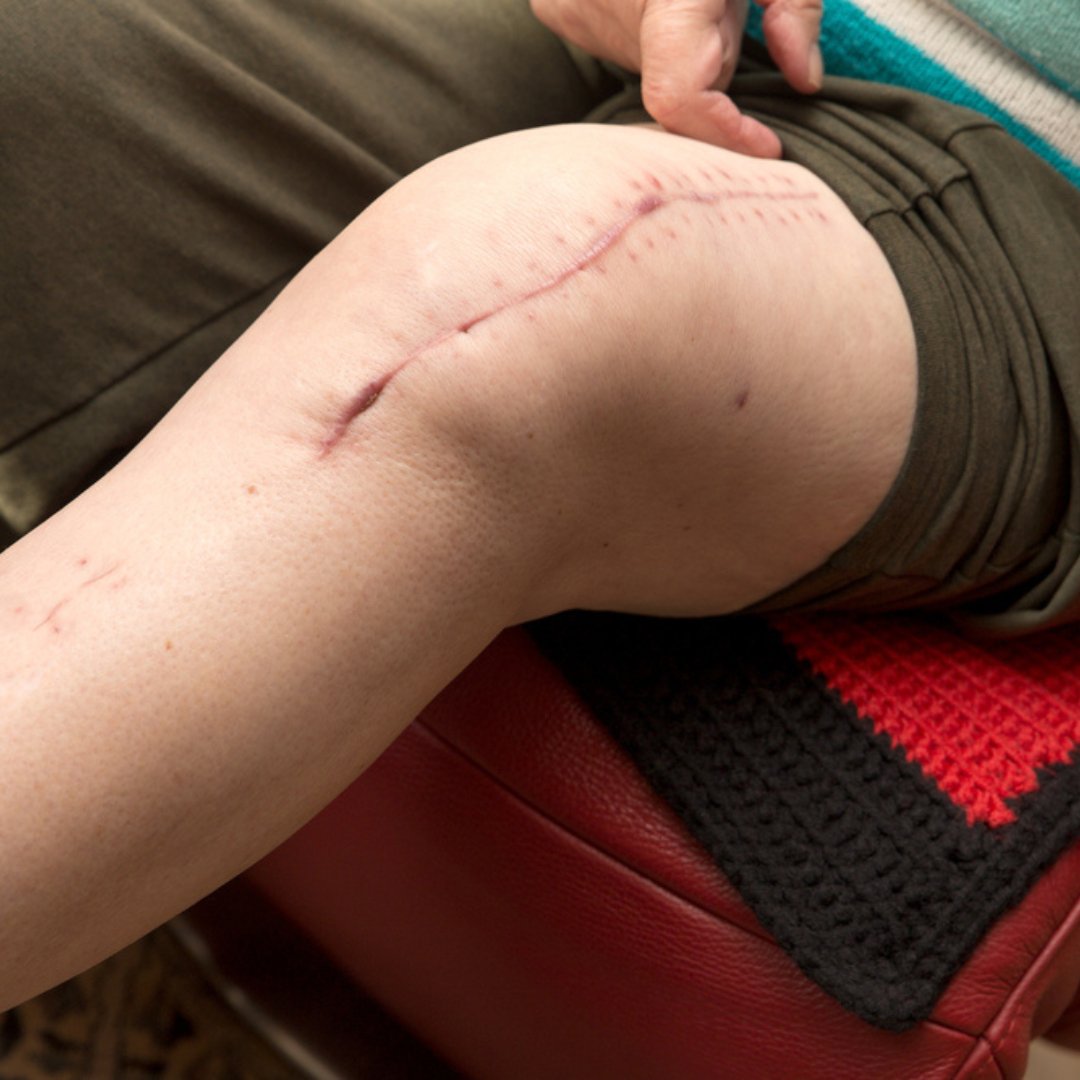
Learn how the opposite leg supports knee replacement surgery recovery and why strengthening it helps prevent overuse, improve balance, and support better progress.
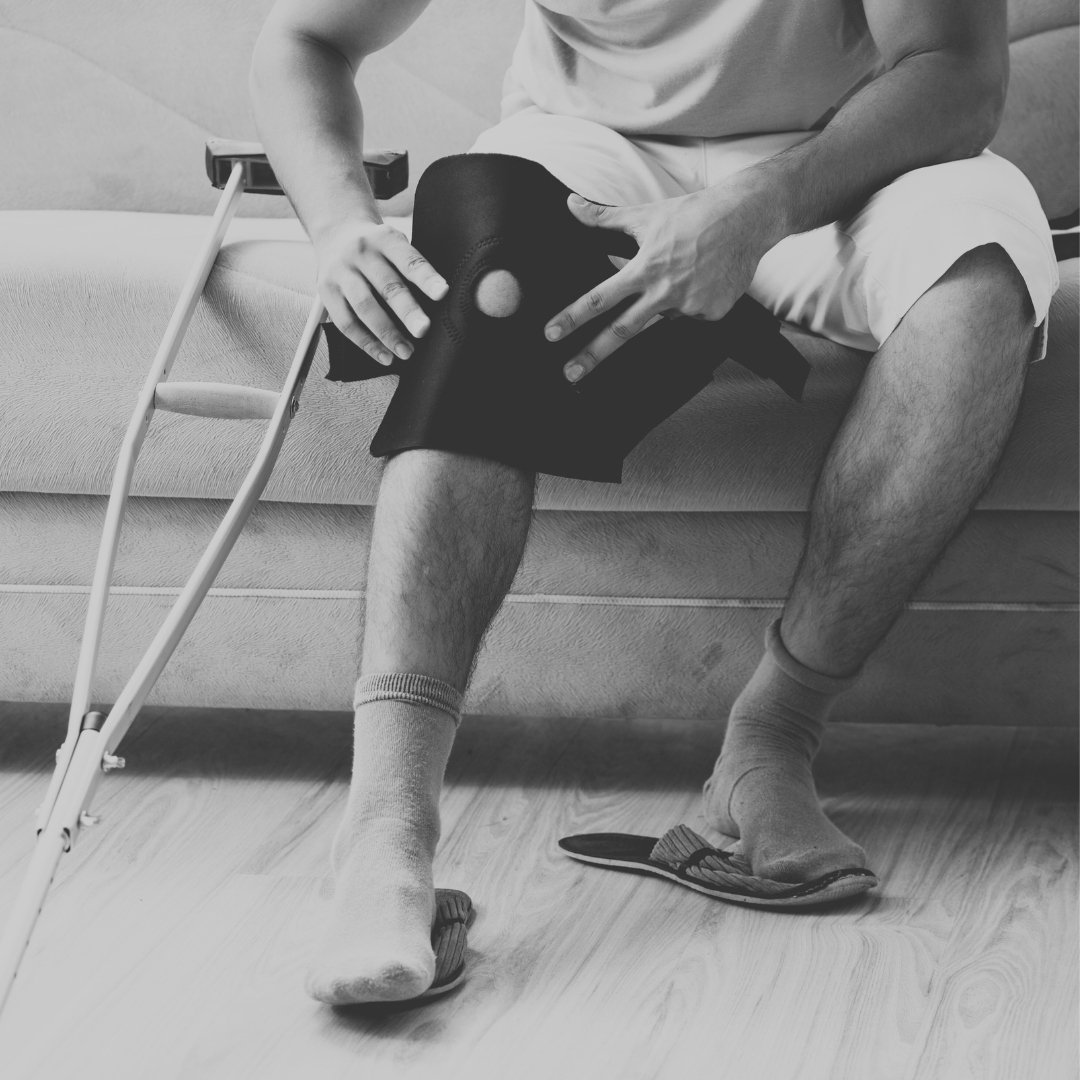
Find out more about why knee replacement implants feel unfamiliar at first, and how you can safely rebuild trust in your new knee.

Learn why weather changes can increase knee pain and how simple daily habits help your joints feel more comfortable when temperatures shift.

Learn how to avoid knee replacement with simple habits that protect your joints through strength, movement, and long-term knee care.