Can How You Walk Affect Your Knee Health?
Learn how improper gait and posture imbalances affect knee health and what you can do to reduce pain, improve movement, and protect your knees long term.

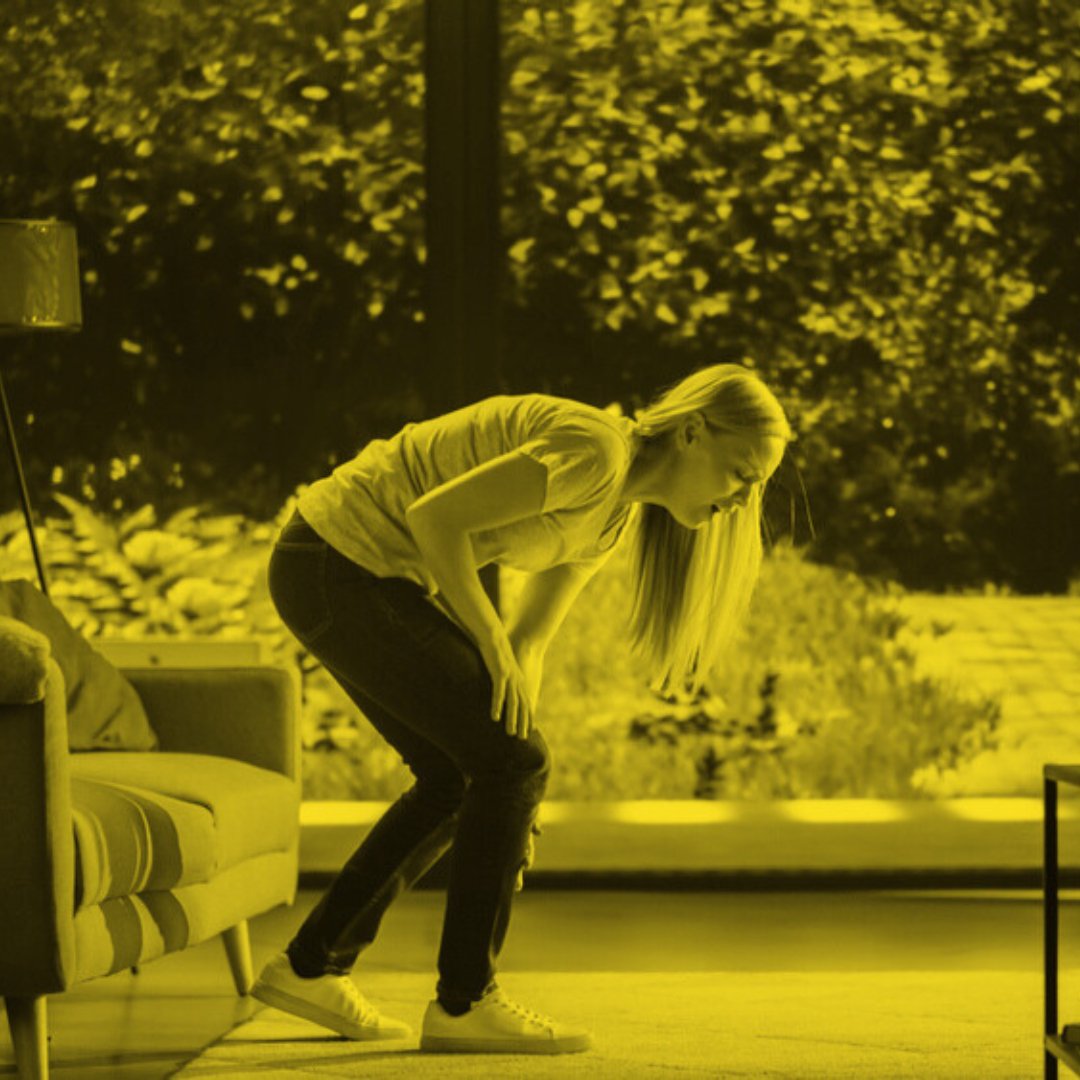
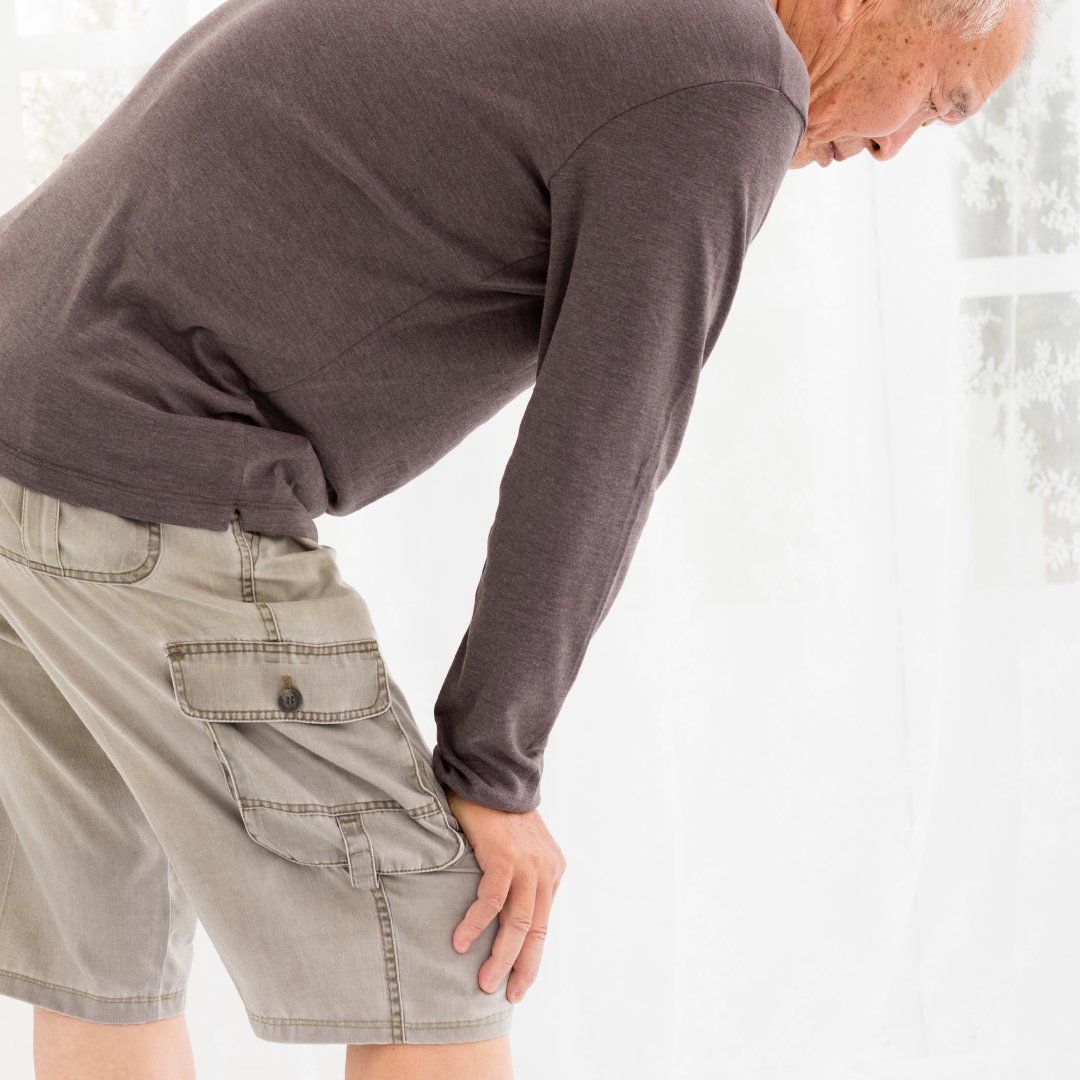
A lot of people often sigh and say, “Well, my knees are stiff. It must be age catching up to me!” While it’s true that knees can feel different as you get older, knee stiffness is not something you should automatically blame on aging. In fact, stiffness is usually a sign that something else is going on inside your joint. The good news is that with the right knowledge, you can take steps to improve your mobility, reduce discomfort, and protect your long-term knee health.
Knee stiffness is your body’s way of telling you that movement inside the joint is restricted. This restriction could come from swelling, tight muscles, cartilage wear, or even the way your joint is aligned. It’s not just about how many birthdays you’ve celebrated. I’ve worked with younger people who felt stiff knees, and I’ve also seen active adults in their 70s who walked with flexibility and comfort.
The key takeaway is this: age is one factor, but it’s not the only one. Knee stiffness is often connected to inflammation, lifestyle habits, and past injuries.
There are many reasons why your knees might feel stiff when you stand up, walk, or exercise. Let’s look at the most common ones.
Arthritis is one of the leading causes of knee stiffness. Osteoarthritis, in particular, happens when cartilage inside your knee gradually wears down, leaving the bones less cushioned. Rheumatoid arthritis, on the other hand, is an autoimmune condition that leads to joint inflammation. Both conditions can make it difficult to move your knee smoothly.
Even old injuries can leave a lasting mark. A torn meniscus, ligament sprain, or past knee fracture may alter how your knee functions over time. Scar tissue and alignment changes can lead to stiffness, even if the injury happened years or decades ago.

Tight hamstrings, quadriceps, or calf muscles can all pull on the knee joint and limit your range of motion. On top of that, weak muscles around the hip and thigh may force the knee to work harder than it should. When these imbalances build up, stiffness becomes more noticeable.
Inflammation is your body’s natural response to stress or injury. When fluid builds up in the knee joint, it creates pressure that makes bending and straightening your knee harder than usual.
Long hours of sitting, lack of physical activity, or carrying extra body weight can all contribute to stiffness. Knees are designed to move, and when they don’t get regular use, the tissues around them tighten up.
It’s one thing if your knees feel a little stiff after a long car ride. It’s another thing if stiffness makes it hard to get out of bed, climb stairs, or exercise. Over time, untreated stiffness may progress and limit your independence.
That’s why it’s important not to ignore these early warning signs. Stiff knees don’t mean you need knee replacement surgery, but they do mean your body is asking for more care.
The good news is that you can take steps to ease stiffness and support better movement. Here are some strategies that can help:
Each of these changes helps your joints stay mobile and supported. Consistency is what matters most.
In some cases, stiffness is a sign that the joint has been damaged to the point where it no longer functions properly. If your cartilage is severely worn down or arthritis has advanced, knee replacement surgery may be recommended.
Knee replacement is not only for achieving pain relief. It’s also performed to help restore motion and help you regain independence. During knee replacement surgery recovery, many people notice that stiffness improves as the new joint begins to move more freely.

The best approach is to be proactive. Staying active, keeping hydrated, and paying attention to flexibility and strength are all essential for healthy knees. Don’t dismiss stiffness as “just getting older.” Instead, see it as a reminder to check in with your body and make adjustments.
Building better habits today can help you maintain strong, flexible knees for years to come.
Knee stiffness is not an unavoidable part of aging. It’s your body’s way of asking for movement, care, and sometimes medical support. Whether it’s caused by arthritis, past injuries, or lifestyle habits, the important thing is that you have options. Exercise, hydration, and physical therapy strategies can all make a difference. In more advanced cases, knee replacement surgery can restore movement and reduce discomfort.
PRO TIP: The most important thing is to keep moving! One of the best exercises for reducing knee stiffness is called a joint mobilization. I’ll cover this in detail in an upcoming blog, but with GoKnee, you can safely perform self-joint mobilizations at home to help relieve stiffness right away.
For extra guidance on strengthening your knees and improving your mobility, check out GoKnee. Good luck on your knee journey!
Good knees start here. Don’t miss a step, subscribe to KneeMail for free tips from knee expert Shehla Rooney, PT!
Learn how improper gait and posture imbalances affect knee health and what you can do to reduce pain, improve movement, and protect your knees long term.

Discover what can slow down knee replacement surgery progress and how to avoid common setbacks that affect strength, mobility, and daily function.
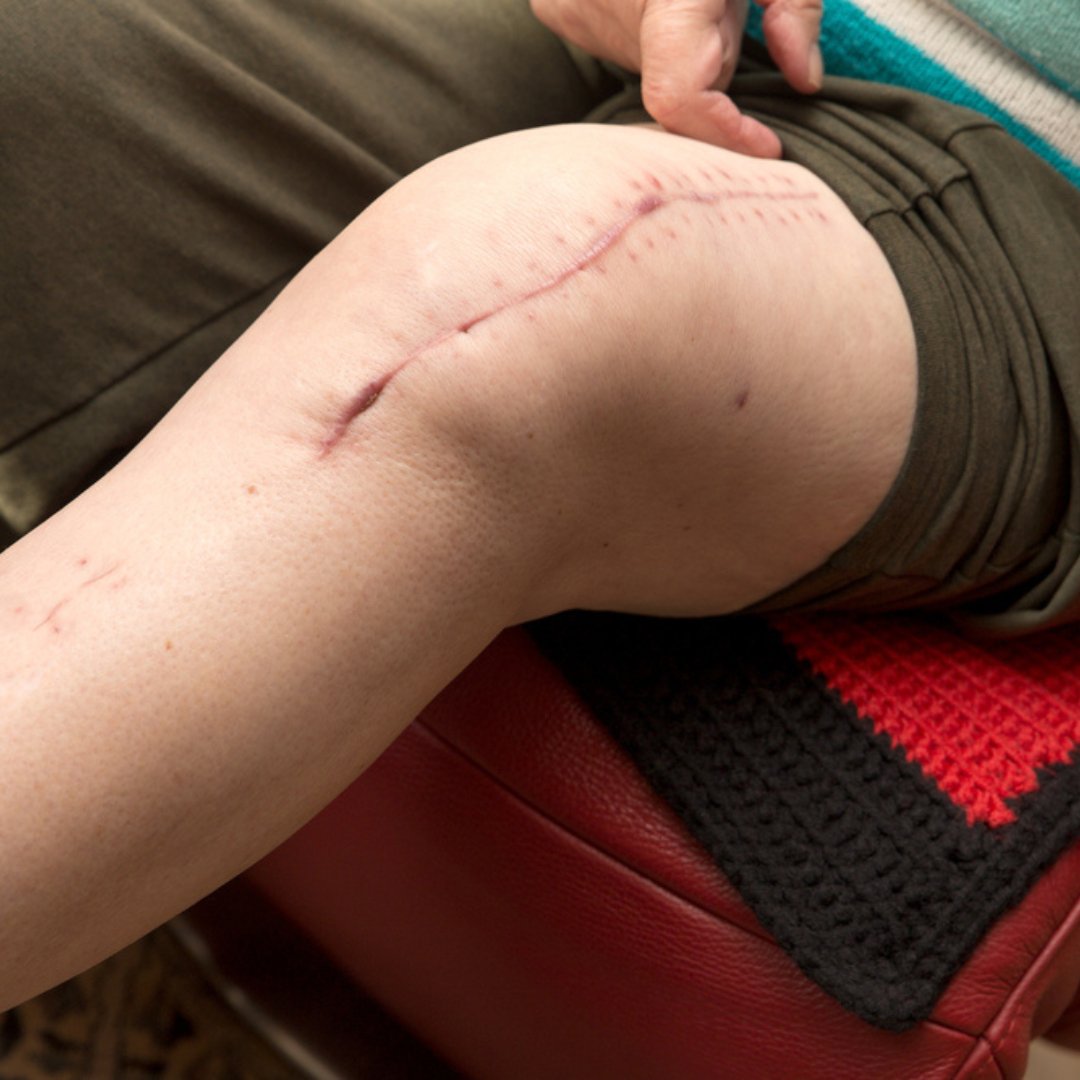
Learn how the opposite leg supports knee replacement surgery recovery and why strengthening it helps prevent overuse, improve balance, and support better progress.
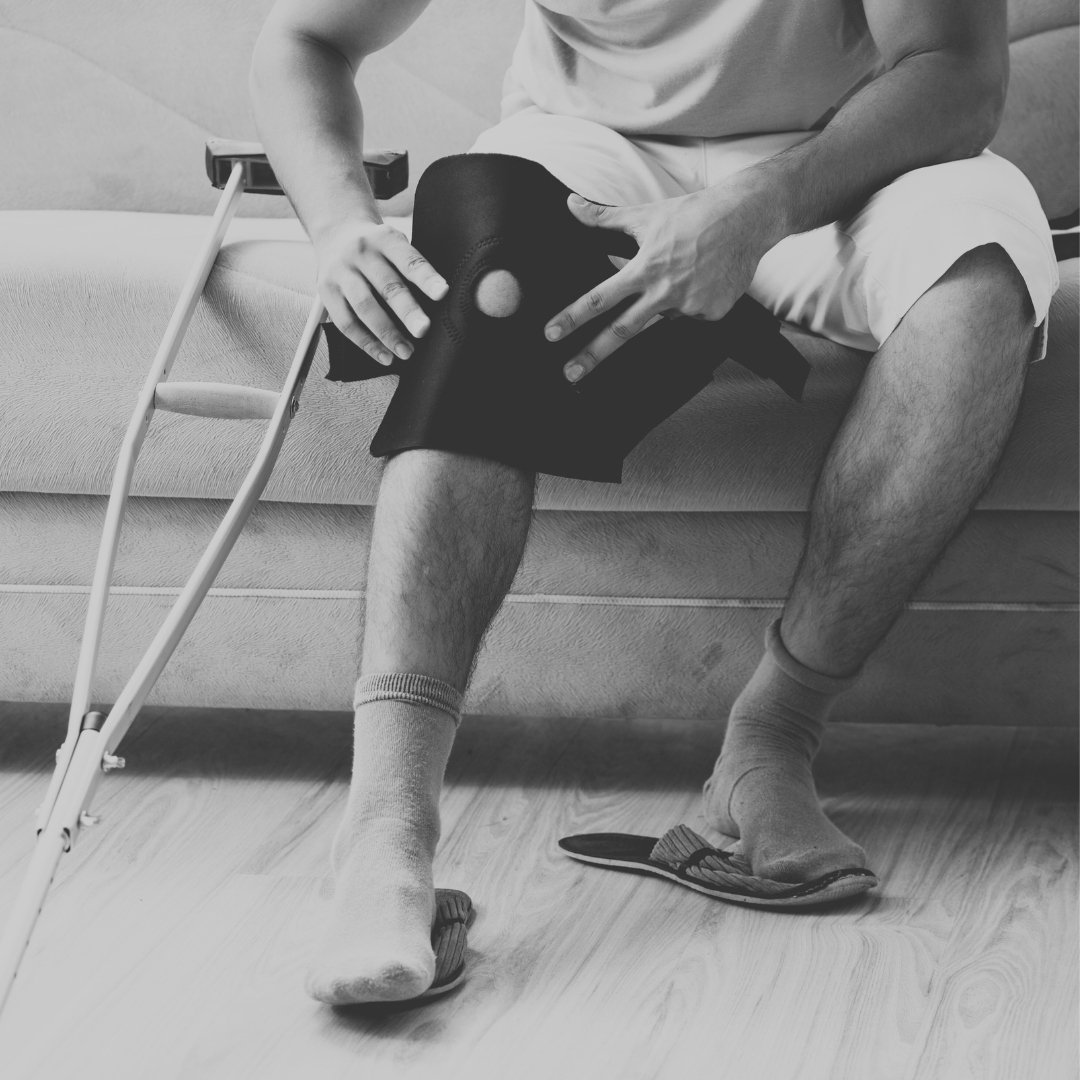
Find out more about why knee replacement implants feel unfamiliar at first, and how you can safely rebuild trust in your new knee.
Discover the truth about aging and knee pain. Learn the myths, the real science, and the steps you can take to stay strong, mobile, and confident at any age.