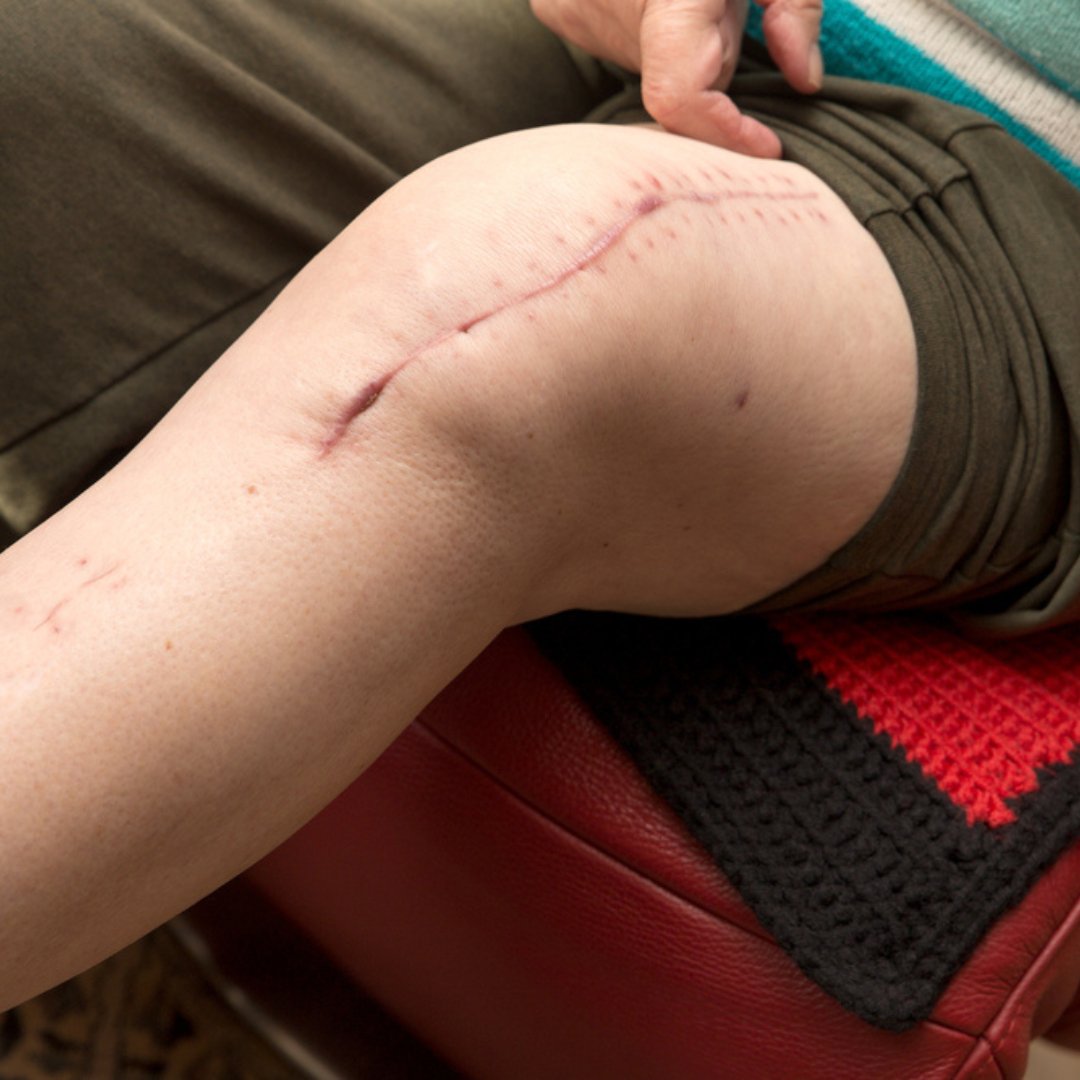
The Role of The Opposite Leg During Knee Replacement Surgery Recovery
Learn how the opposite leg supports knee replacement surgery recovery and why strengthening it helps prevent overuse, improve balance, and support better progress.


Ever heard someone tell you, “My knees always tell me when the weather is changing.” If you feel a spike in knee pain when temperatures drop or storms roll in, you are definitely not imagining it. Your joints can be sensitive to the environment around you, and the connection is more scientific than most people realize.
Weather-related knee pain is common, especially if you have arthritis, old injuries, or stiffness that becomes more noticeable as you get older. Let’s break down why the weather seems to influence your joints and what you can do to stay comfortable on days when the air feels heavy or the temperature swings quickly.
Your joints are full of tissues that respond to pressure, temperature, and movement. When the weather changes, your body notices. The connection has less to do with the outside temperature itself and more to do with how your body reacts internally.
People often describe feeling more stiffness, swelling, or sensitivity during cold fronts or rainy days. These symptoms can make simple movements feel more effortful and can amplify discomfort that normally stays quiet. Understanding why this happens helps you manage those fluctuations without feeling frustrated or confused.
Barometric pressure is the weight of the air around us. When a storm approaches, that pressure drops. Inside your knees is a mix of tissues, synovial fluid, and cartilage that respond to these changes. When the external pressure shifts, it affects the internal pressure of the joint, which can trigger swelling or sensitivity.

Many people notice this most when storms roll in or when seasons change rapidly. Your body simply reacts to the shifting environment. This is especially true if you have arthritis or joint wear that makes the tissues more responsive to pressure changes.
Temperature changes alone do not cause pain, but they influence the way your muscles and connective tissues behave. Cold weather makes muscles tighten, reducing circulation and making the joint feel stiff or sluggish. That combination of pressure and temperature often explains why knee pain feels unpredictable.
Synovial fluid is the natural lubrication inside your joints. It helps the bones glide smoothly and reduces friction when you bend or straighten your knees. Cold weather thickens this fluid slightly, which can make your knees feel less smooth when they move.
When the fluid becomes thicker, the joint takes more effort to bend. This creates a sensation of stiffness or resistance that can make your knee pain more noticeable. Over time, daily habits like movement and hydration help keep this fluid functioning at its best, even on cold days.
If you have arthritis or cartilage thinning, the effect of thickened synovial fluid can feel more dramatic. Your joint depends on fluid to move comfortably, and any change in lubrication becomes more obvious.
Muscles love warmth. When temperatures drop, muscles around the knee tighten, which can limit the range of motion and put pressure on the joint. That tightness affects how your kneecap tracks and how much pressure lands on different parts of your knee.
This tightness can show up as:
These sensations are normal responses to cold or fluctuating temperatures. Once your muscles warm up, they begin to relax and move more easily again. Gentle motion, warmth, and consistent activity help reduce these symptoms quickly.
Scar tissue, past injuries, and cartilage wear all influence how your knees respond to atmospheric changes. Tissues that have been damaged do not adapt as easily to pressure shifts, so the discomfort can feel sharper or more noticeable.
You might notice this especially if you have a history of sprains, meniscus tears, or arthritis. The joint is simply more sensitive. Many people find that their “old injuries” talk to them on chilly mornings or rainy afternoons.
The good news is that sensitivity does not mean damage. It simply means your knee is responding to the environment in a way that reflects its history.
Movement is one of the most effective tools for managing weather-related knee discomfort. When you move, you increase circulation, warm up your tissues, and help synovial fluid become more active. Even small movements can make your knees feel more flexible and less reactive.
You can start with simple options like gentle cycling, short walks, or range-of-motion exercises. These movements do not need to be intense. They just need to be steady and consistent.
As your muscles warm up, the tension around your knees begins to relax. Your joints respond with better lubrication and smoother motion. This helps buffer the effects of weather shifts and makes your knees feel more predictable on sensitive days.
Weather sensitivity does not mean you are stuck feeling uncomfortable. Small daily habits can make your knees feel steadier year-round. These patterns help stabilize the joint and reduce the impact of temperature or pressure changes.

Here are helpful strategies you can start today:
These habits support your joints in a way that makes weather shifts less dramatic. They also help your body adapt more quickly when temperatures change suddenly. With consistent use, your knees begin to feel more resilient and steady.
Most weather-related knee pain is harmless, but there are moments when discomfort signals something deeper. If your knee pain becomes constant, severe, or limiting, it is worth exploring whether arthritis, cartilage degeneration, or joint alignment issues are contributing.
Before considering knee replacement, many people find relief through non-surgical interventions. Options such as physical therapy, activity modification, weight management, bracing, or targeted injections can help reduce pain and improve function. These approaches often allow individuals to stay active and manage symptoms effectively. Knee replacement surgery typically becomes a consideration only when these measures no longer provide enough relief and joint damage begins to significantly affect daily life.
Your knees react to the world around you, and weather is just one part of the conversation. You can support your joint health with simple daily habits, thoughtful movement, and a deeper understanding of why your knees respond to shifts in temperature or pressure.
Your body is capable of adapting with the right support. When you pay attention to your knees and give them what they need, they begin to feel more reliable, even on the chilliest days. Good luck on your knee journey!
Good knees start here. Don’t miss a step, subscribe to KneeMail for free tips from knee expert Shehla Rooney, PT!
Learn how the opposite leg supports knee replacement surgery recovery and why strengthening it helps prevent overuse, improve balance, and support better progress.
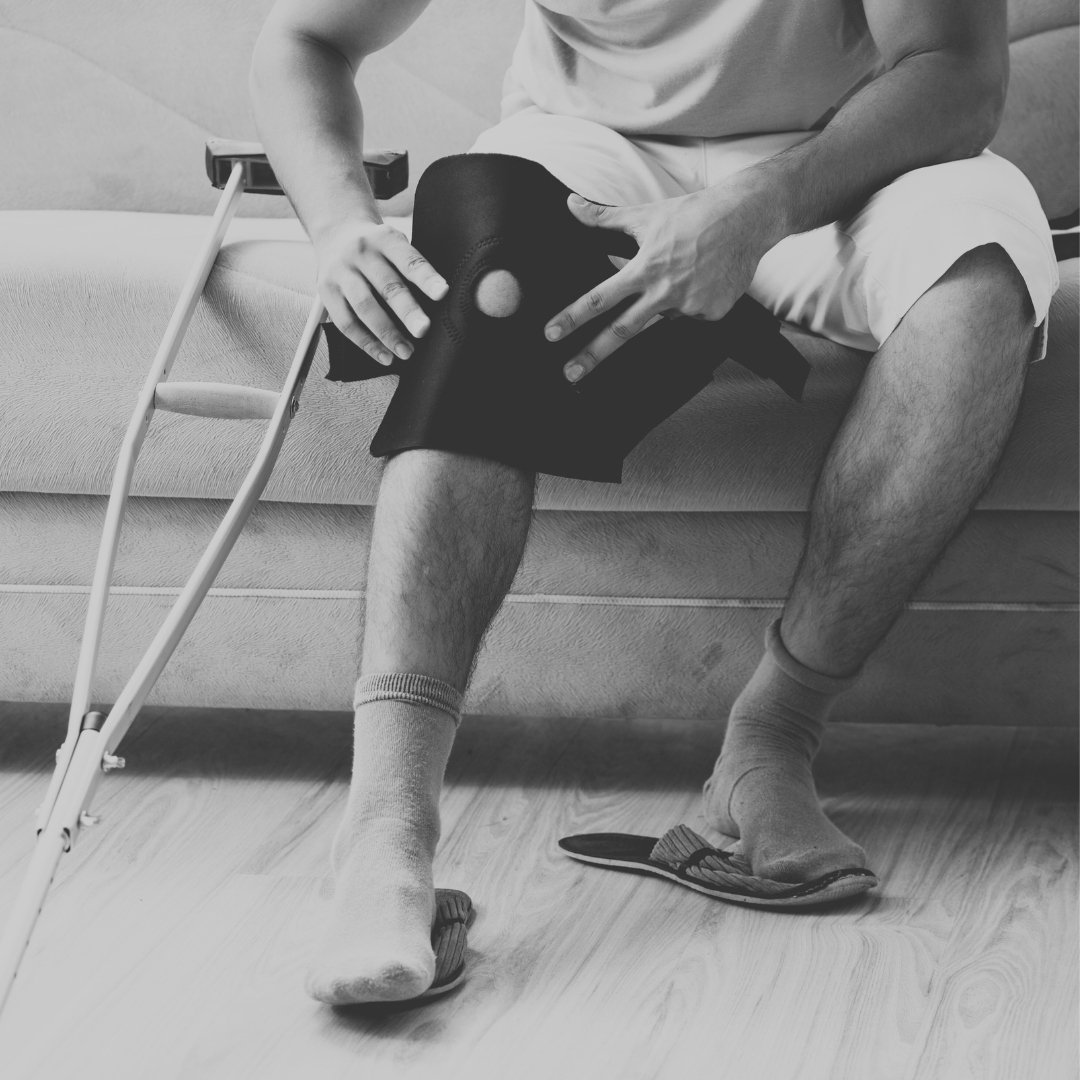
Find out more about why knee replacement implants feel unfamiliar at first, and how you can safely rebuild trust in your new knee.
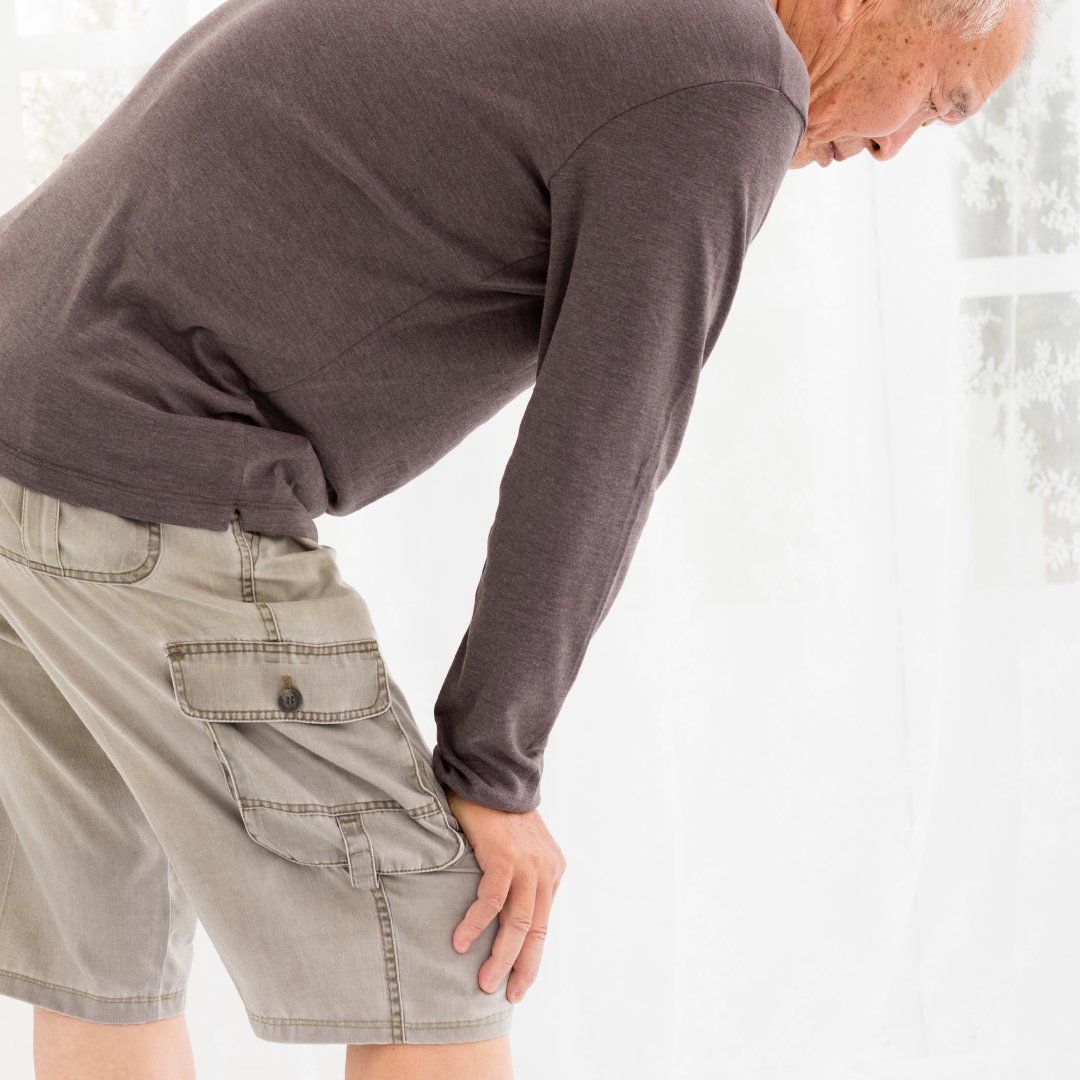
Discover the truth about aging and knee pain. Learn the myths, the real science, and the steps you can take to stay strong, mobile, and confident at any age.

Learn how to avoid knee replacement with simple habits that protect your joints through strength, movement, and long-term knee care.
Discover the subtle ways knee pain affects daily life and learn practical strategies for managing knee pain naturally through strength, mobility, and early action.