Can How You Walk Affect Your Knee Health?
Learn how improper gait and posture imbalances affect knee health and what you can do to reduce pain, improve movement, and protect your knees long term.

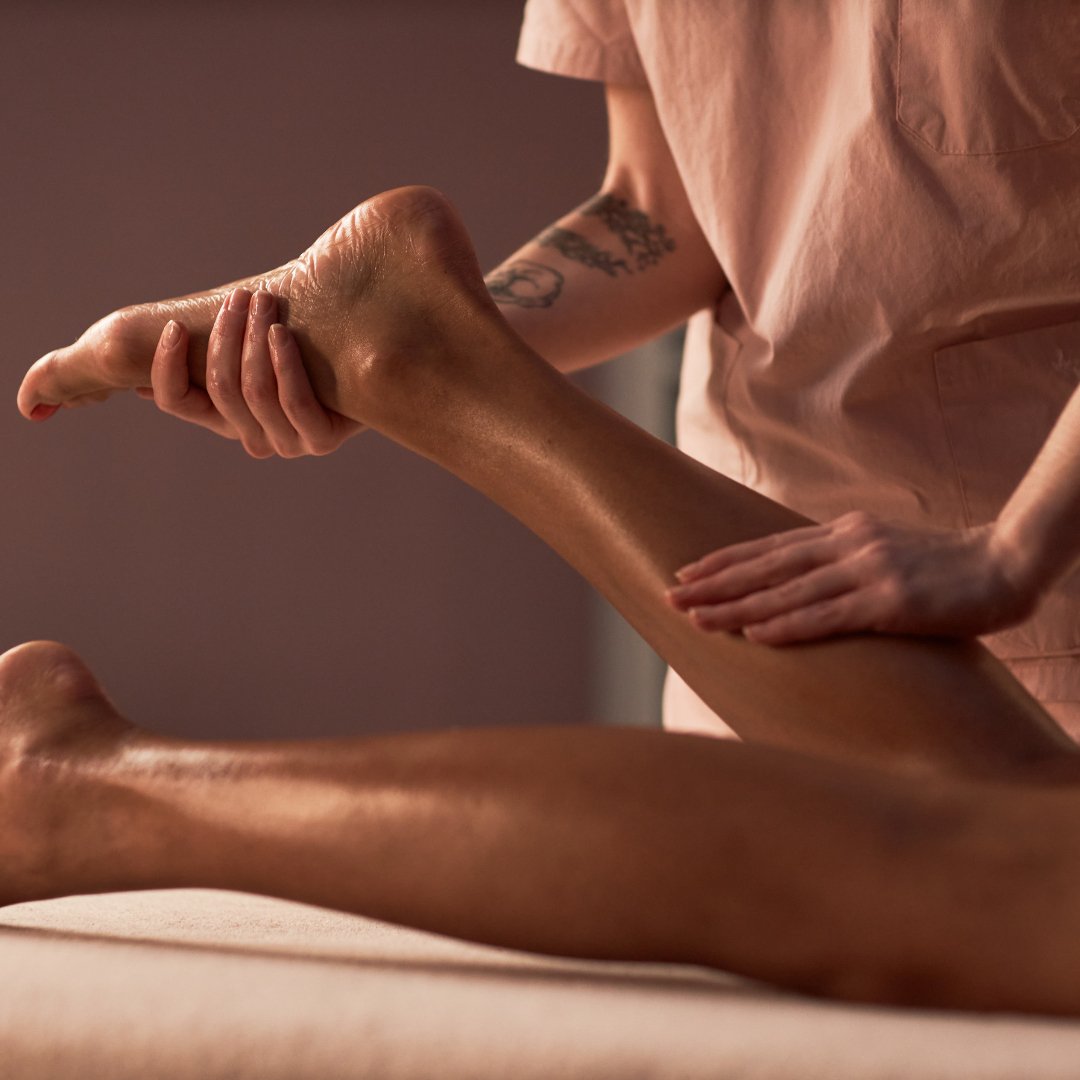
One common question I hear early on is about getting a massage right after surgery. Your leg feels tight, swollen, and uncomfortable, and a leg massage after knee replacement surgery sounds like the fastest way to get relief. At the same time, there is a lot of uncertainty about what is safe and what could interfere with healing.
As a physical therapist who helps people through total knee replacement surgery recovery, I want to clear up the confusion. Leg massage can be helpful, but only when it is done at the right time, in the right areas, and with the right amount of pressure.
After total knee replacement surgery, your body responds with swelling, muscle guarding, and changes in circulation. These reactions are protective, but they often create a heavy, stiff sensation throughout the leg.
Muscles in the thigh and calf work overtime to stabilize movement while the knee heals. When those muscles stay tense, walking, bending, and even resting can feel uncomfortable. This is usually what leads people to ask about massage after knee replacement surgery.
Leg massage after knee replacement surgery can be safe, but it depends on how and where it is performed. Early healing tissues are sensitive, and certain areas need to be avoided completely.
Direct massage over the incision or deep pressure around the knee joint is not appropriate early on. These areas need time to settle and stabilize. Gentle techniques applied away from the incision are usually safer and better tolerated.

The thigh and calf are common areas of tightness after knee replacement surgery. A gentle massage to these regions can help reduce muscle guarding and improve comfort.
Light to moderate pressure is often enough to support circulation and relaxation. Massage should feel calming, not intense. When a leg massage after knee replacement surgery feels soothing, it is more likely to support knee replacement recovery.
The knee itself requires special care. Deep massage directly over the joint or along the incision can increase irritation or swelling if done too soon.
The area behind the knee also deserves caution. Important blood vessels pass through this region, and aggressive pressure can feel uncomfortable or concerning. Staying several inches away from the knee joint is the safer choice, especially early on.
Both professional massage and massage tools can play a role, but they come with different considerations. A massage therapist experienced with post-surgical care can adjust pressure and technique based on how your leg responds.
Massage tools offer convenience at home, but they remove the benefit of external feedback. When using tools, pressure should stay gentle and controlled. If you feel the urge to brace or tense up, the intensity is likely too high.
Timing plays a big role in how helpful a massage feels. Early knee replacement recovery focuses on calming swelling and restoring gentle movement.
As healing progresses, tolerance for massage improves. What feels too sensitive in the first few weeks may feel beneficial later. Let comfort, not the calendar, guide progression when considering leg massage after knee replacement surgery.
Leg massage works best when it supports movement rather than replacing it. Knee replacement recovery depends on restoring mobility, strength, and confidence with daily activities.
Massage can help muscles relax, so exercises feel smoother. It can also reduce guarding that limits knee motion. When massage prepares the body for movement, progress tends to feel steadier.
Your body gives clear signals when massage is too much. Increased swelling, lingering soreness, or a heavy feeling later in the day suggest intensity needs to be reduced.
Leg massage after knee replacement surgery should leave you feeling looser, not more inflamed. If discomfort lasts longer than a few hours, scale back pressure or frequency.

Self-massage allows you to control pressure and adjust instantly. Using your hands rather than tools early on often feels safer and more comfortable.
Slow, long strokes work better than poking or digging. Pair massage with steady breathing to encourage relaxation. Even a few minutes can make walking and bending feel easier. Ask your physical therapist about self-massage techniques you can safely do on your own.
Start with gentle pressure and avoid the incision area completely. Focus on muscles that feel tight rather than the joint itself. Keep sessions short and monitor how your leg feels later that day.
Combine leg massage with movement and a practical knee replacement recovery program like GoKnee, instead of using it as a substitute. When in doubt, less pressure is usually better. Supporting healing tissues leads to better comfort and confidence over time.
Leg massage after knee replacement surgery can be a helpful adjunct when used thoughtfully. Safety comes from respecting timing, pressure, and your body’s feedback rather than chasing fast relief. Good luck on your knee journey!
Good knees start here. Don’t miss a step, subscribe to KneeMail for free tips from knee expert Shehla Rooney, PT!
Learn how improper gait and posture imbalances affect knee health and what you can do to reduce pain, improve movement, and protect your knees long term.

Discover what can slow down knee replacement surgery progress and how to avoid common setbacks that affect strength, mobility, and daily function.
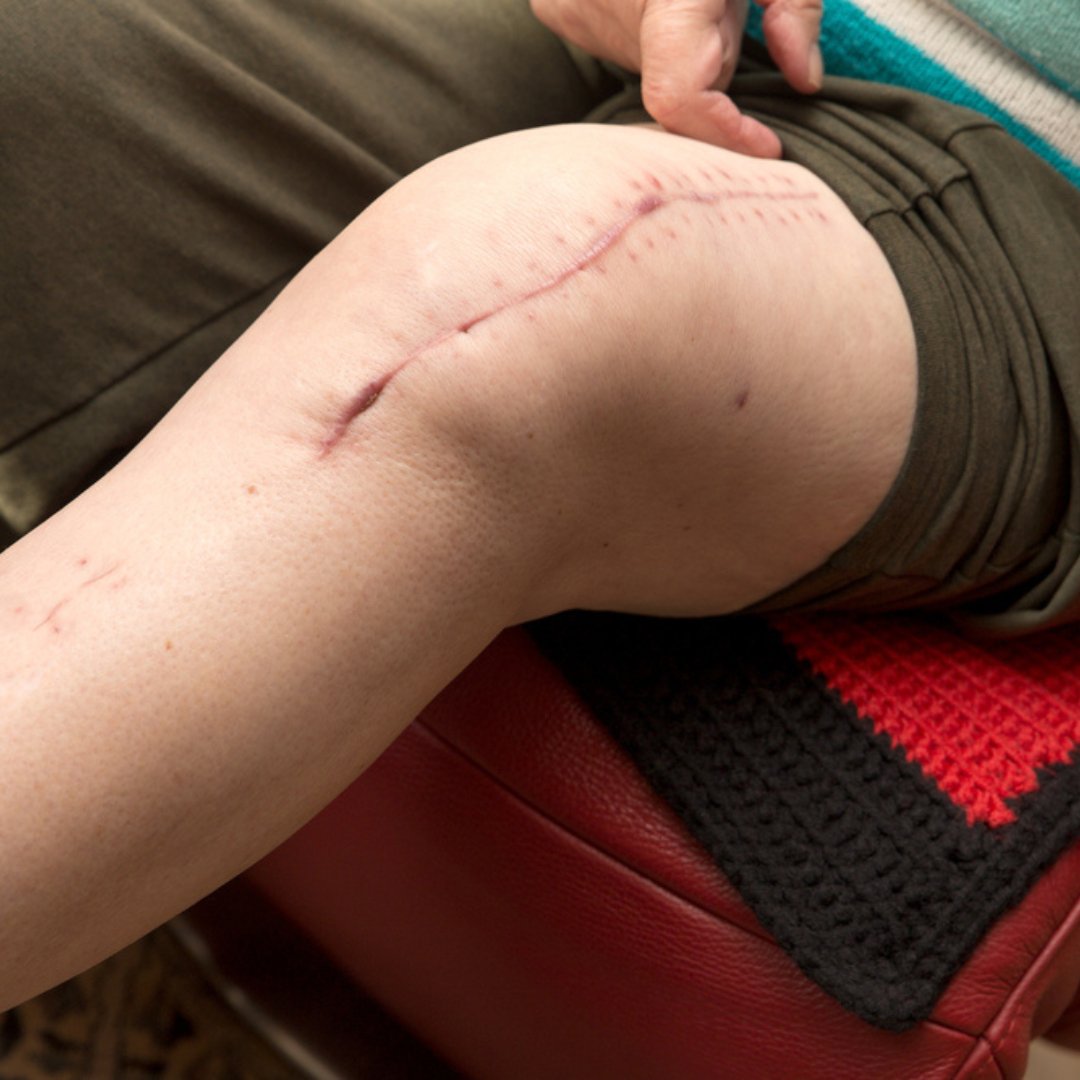
Learn how the opposite leg supports knee replacement surgery recovery and why strengthening it helps prevent overuse, improve balance, and support better progress.
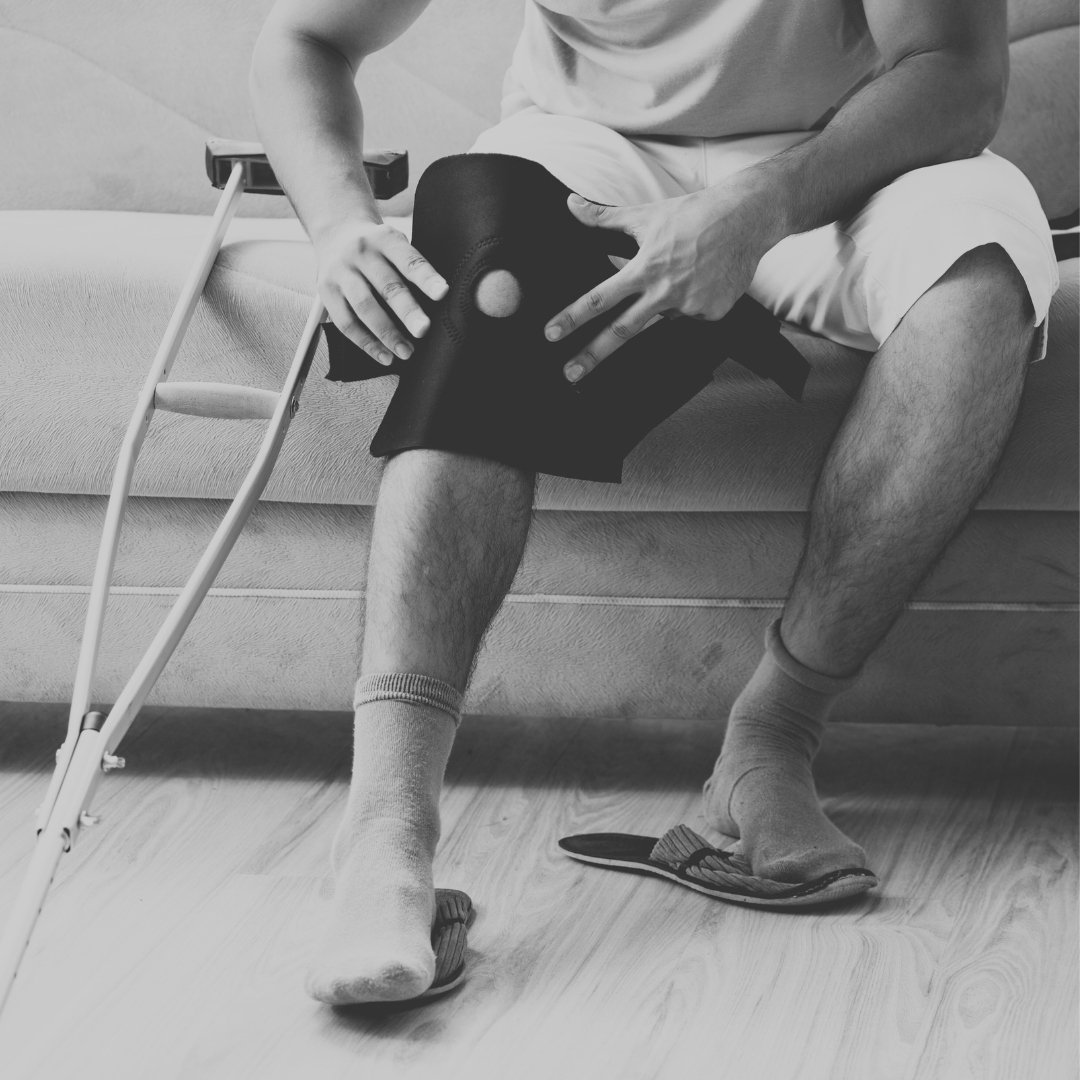
Find out more about why knee replacement implants feel unfamiliar at first, and how you can safely rebuild trust in your new knee.
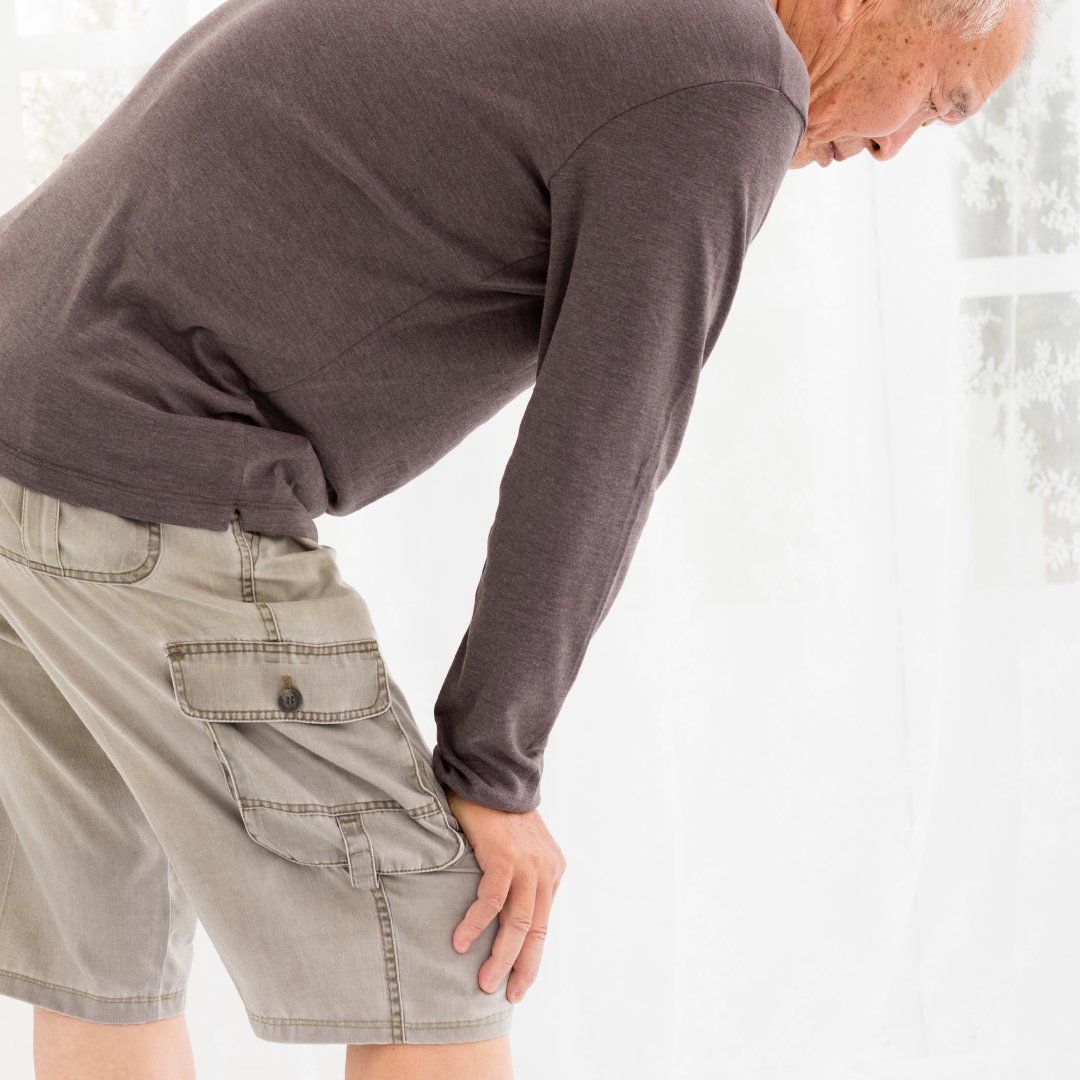
Discover the truth about aging and knee pain. Learn the myths, the real science, and the steps you can take to stay strong, mobile, and confident at any age.