
Can How You Walk Affect Your Knee Health?
Learn how improper gait and posture imbalances affect knee health and what you can do to reduce pain, improve movement, and protect your knees long term.


Total knee replacement surgery can bring up all kinds of questions, and anesthesia is often one of the big ones. You want to know how it feels, what to expect, and how each option affects your knee replacement recovery. After speaking with thousands of individuals navigating this experience, I’ve seen the immense relief that comes when they finally understand the options available. So let us lift the curtain on what really happens with anesthesia during knee replacement surgery and why you might not need general anesthesia at all.
Most people assume knee replacement surgery always involves general anesthesia, but that is not the case. Many surgeons and anesthesiologists prefer regional anesthesia because it can help you feel more comfortable, lower complication risks, and support a smoother knee replacement recovery. Regional techniques focus on numbing the lower half of your body, which lets you stay more relaxed without being fully unconscious.
Understanding the different anesthesia options and how they affect recovery, comfort, and overall experience can help you have a more informed discussion with your surgeon, making the process feel less overwhelming.
There are a few main categories of anesthesia that your surgical team may recommend. Each one has its own benefits, and some can be combined to make your experience more comfortable during and after surgery.

General anesthesia is what most people picture when they think of surgery. You are fully asleep, unaware, and comfortably still. General anesthesia can be helpful when someone prefers not to be aware of anything during the procedure. It also works well for certain medical conditions that make regional anesthesia less ideal.
However, there can be a bit more grogginess afterward. Some people notice nausea or a heavier feeling in the body, which can make the early hours after surgery feel harder. You may also need more narcotic medication during early knee replacement recovery, which is why many surgeons lean toward regional approaches instead.
Regional anesthesia numbs the lower half of your body while keeping your breathing steady and natural. You may doze off, but you are not placed into a medically induced sleep like with general anesthesia.
Spinal anesthesia involves a small injection into the lower back that numbs your body from the waist down. Spinal anesthesia works quickly and often leads to less nausea and fewer groggy side effects. Many people feel more awake and ready to move sooner after surgery. Your body typically requires fewer narcotic medications during early knee replacement recovery, which makes your first few days feel more manageable.
The numbness wears off gradually, which is usually helpful, but some people prefer a more predictable timeline. Rarely, some people experience temporary headaches afterward.
Epidural anesthesia is similar to spinal anesthesia but uses a small catheter that stays in place. This allows continuous medication during and sometimes after your total knee replacement surgery.
An epidural can give you consistent, adjustable pain relief. It offers a softer landing into the early stages of knee replacement recovery because the medication tapers gently. Mobility may temporarily feel limited while the catheter is still in place. So, it requires a little more monitoring than a single spinal injection.

In recent years, peripheral nerve blocks have become the quiet heroes of knee replacement surgery comfort. These blocks numb specific nerves around your knee so you experience less pain without losing full strength.
The adductor canal block is one of the most popular techniques for total knee replacement surgery. It targets sensory nerves without shutting down your quadriceps strength.
During an adductor canal block, you get significant pain control while still being able to move your leg. This helps you start early mobility and feel more confident during those first steps. You may also need fewer pain medications, which helps protect your sleep, focus, and gut. The numbness lasts for several hours, so your knee may feel a little different at first. This usually fades smoothly.
The type of anesthesia you receive can shape the first hours and days of your knee replacement recovery. Regional techniques often lead to faster comfort and less nausea, which means you can participate in early mobility sooner. You may feel steadier on your feet and more motivated to start gentle movement.
General anesthesia can still be a perfectly safe and effective choice, but some people feel the lingering effects a bit longer. This is why your surgeon and anesthesia team look at your medical history, your personal preferences, and your safety needs before making a recommendation.
No matter which option you choose, anesthesia is designed to support you, not overwhelm you. You are allowed to ask questions, request explanations, and make sure you feel informed. I always remind my patients that anesthesia is not something being done to you. It is something being done for you.
Once you understand anesthesia options, the whole process feels more grounded. The fear softens. The timeline feels clearer. And you get to feel more connected to your own care. Good luck on your knee journey!
Good knees start here. Don’t miss a step, subscribe to KneeMail for free tips from knee expert Shehla Rooney, PT!
Learn how improper gait and posture imbalances affect knee health and what you can do to reduce pain, improve movement, and protect your knees long term.

Discover what can slow down knee replacement surgery progress and how to avoid common setbacks that affect strength, mobility, and daily function.
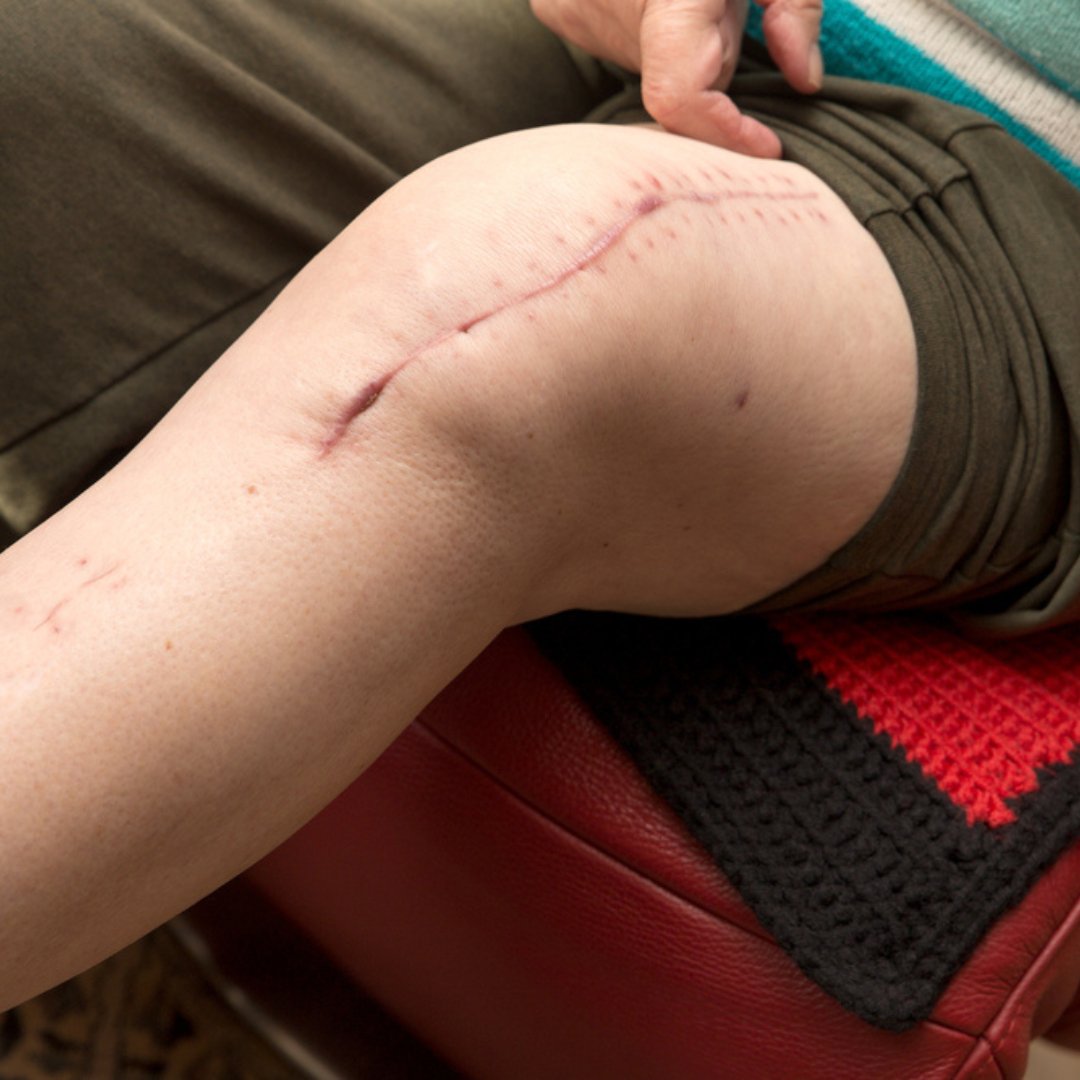
Learn how the opposite leg supports knee replacement surgery recovery and why strengthening it helps prevent overuse, improve balance, and support better progress.
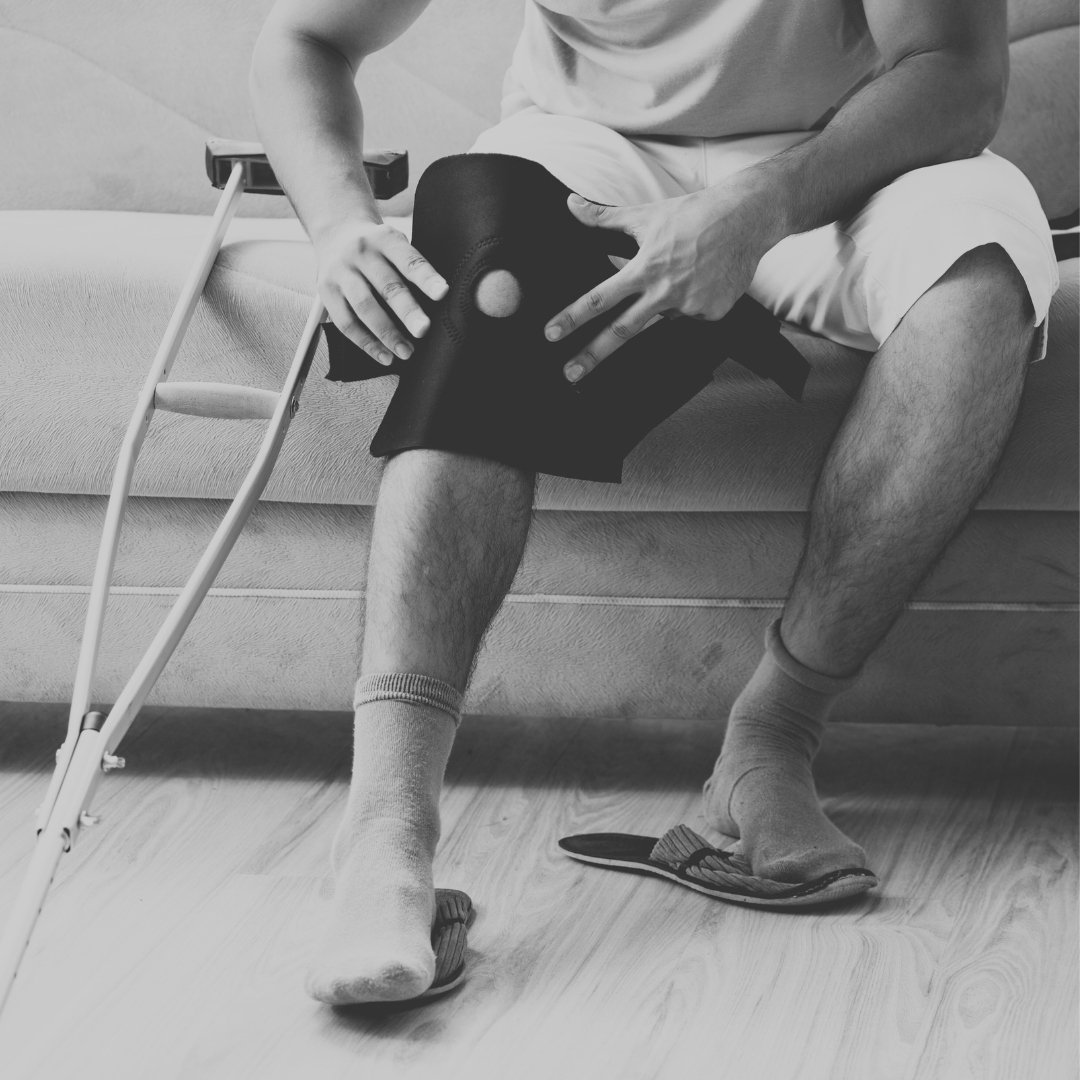
Find out more about why knee replacement implants feel unfamiliar at first, and how you can safely rebuild trust in your new knee.

Discover the truth about aging and knee pain. Learn the myths, the real science, and the steps you can take to stay strong, mobile, and confident at any age.