Can How You Walk Affect Your Knee Health?
Learn how improper gait and posture imbalances affect knee health and what you can do to reduce pain, improve movement, and protect your knees long term.

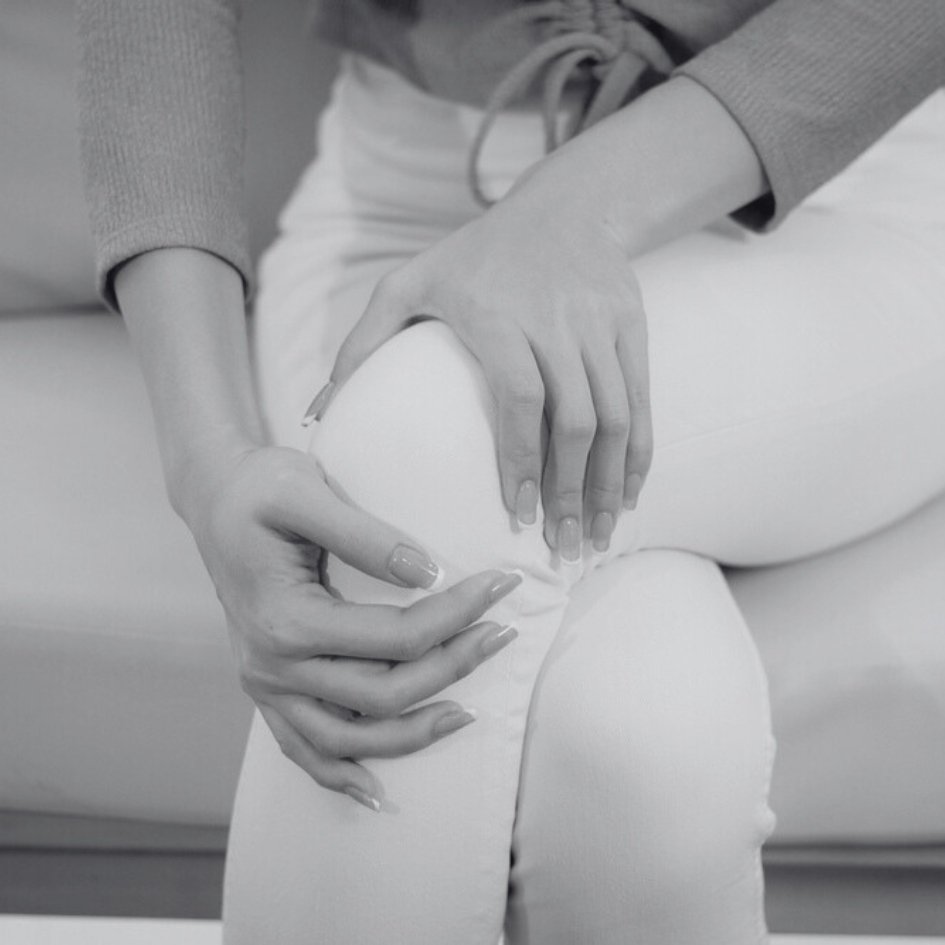
You know the feeling. You stand up from a chair and your knees take a second to get the memo. There’s a slow, creaky start before you can straighten up. If that sounds familiar, you’re not alone. Many people begin to notice knee stiffness after 40, and while it’s easy to blame “just getting older,” there’s a lot more going on under the surface.
As a physical therapist, I’ve worked with countless people who thought stiffness meant something was “wrong.” In truth, it often means your knees are giving you early feedback, which is a polite reminder that your body’s maintenance plan could use a little updating. Let’s talk about what’s really happening and how you can help your knees move more freely again.
Our knees are the largest joints in the body, and they work hard every single day. Over time, that constant effort takes a toll, especially if your muscles, cartilage, or joint fluids aren’t getting the attention they deserve.
Several things can contribute to knee stiffness after 40, and the main culprits are surprisingly fixable once you understand them.
Inside your knees, a thin layer of fluid called synovial fluid acts like oil in an engine. It keeps everything gliding smoothly. With age, your body naturally produces less of it, which can make movement feel sticky or stiff. Imagine trying to drive your car with low oil. It’ll still run, but not efficiently.
The good news is that movement helps your body make more of this joint fluid. Every time you flex and extend your knees, you’re literally helping them stay lubricated.

Strong muscles protect your joints. When your quadriceps, hamstrings, and hips aren’t evenly balanced, the knee starts doing extra work it wasn’t meant to do. That imbalance can pull your kneecap slightly out of alignment, making it feel stiff or achy after long periods of sitting or standing.
Many of my clients are surprised to learn that their knee stiffness often starts higher up in the hips or even the lower back. The body is a chain, and when one link is tight, the others compensate.
A lot of knee stiffness after 40 comes down to how we live. Too much sitting at desks, long commutes, and less movement in general cause the muscles around the knee to shorten and weaken. The joint loses its natural flexibility, and even standing up after watching a show can feel like a challenge.
The body loves movement. When you stop moving often, the tissues around your joints adapt to that stillness. That’s why small, consistent movement throughout your day matters more than occasional intense workouts.
Cartilage is the smooth, rubbery tissue that covers the ends of your bones and absorbs impact. It doesn’t have its own blood supply, which means it relies on movement and pressure changes in your knee to get nutrients. Without regular motion, it can become less resilient.
As you age, cartilage naturally thins, but you can slow this process. Staying active, strengthening the muscles around your knees, and maintaining a healthy weight all help reduce the load on that cartilage so it stays functional longer.
Believe it or not, dehydration can make your joints feel stiffer. Synovial fluid is mostly water, so when you’re dehydrated, your joints can feel like they’re missing their natural cushion. Drinking enough water helps keep that internal lubrication system working smoothly.
Nutrition matters too. Diets rich in omega-3 fatty acids (found in fish and flaxseed), antioxidants (in colorful fruits and vegetables), and vitamin D all support joint health. Chronic inflammation from processed foods or sugar can have the opposite effect, making your knees ache more often.
One of the best ways to combat knee stiffness after 40 is strength training. Strong muscles stabilize your joints and absorb shock before it reaches your knees.
You don’t need to become a gym regular to get results. Bodyweight exercises like squats, step-ups, and leg lifts can make a huge difference. Just be sure your form is solid and that you progress gradually. Even 10 to 15 minutes of focused lower-body work a few times per week can transform how your knees feel when you move.
Your knees love routine. A few small changes in your daily habits can make a big difference in how flexible and comfortable they feel. Think of these as low-effort investments that keep your joints moving smoothly every day.
Here are some easy things you can start doing today to help with stiffness:
Small daily actions add up. The more attention you give your knees now, the more freedom they’ll give you later.

Occasional stiffness is normal, but persistent swelling, sharp pain, or loss of motion could mean a deeper issue like arthritis or cartilage wear. In such cases, a medical evaluation is important to rule out joint degeneration and to discuss treatment options, including physical therapy or other conservative approaches.
If stiffness continues even with movement, strengthening, and hydration, that’s your cue to seek expert guidance instead of just pushing through the discomfort.
Feeling some knee stiffness after 40 doesn’t mean your best days of movement are behind you. It’s simply a sign that your knees need a little more care and consistency. Stay active, stay hydrated, and make strength training a regular part of your week. I only started playing pickleball in my late 40s, so if I can pick up a new sport and stay fit at this stage, it’s absolutely possible for you too!
And if you’re looking for a structured way to improve flexibility and build confidence in your knees, check out how GoKnee can help you move better from home with guided support designed for long-term knee health.
Good luck on your knee journey!
Good knees start here. Don’t miss a step, subscribe to KneeMail for free tips from knee expert Shehla Rooney, PT!
Learn how improper gait and posture imbalances affect knee health and what you can do to reduce pain, improve movement, and protect your knees long term.

Discover what can slow down knee replacement surgery progress and how to avoid common setbacks that affect strength, mobility, and daily function.
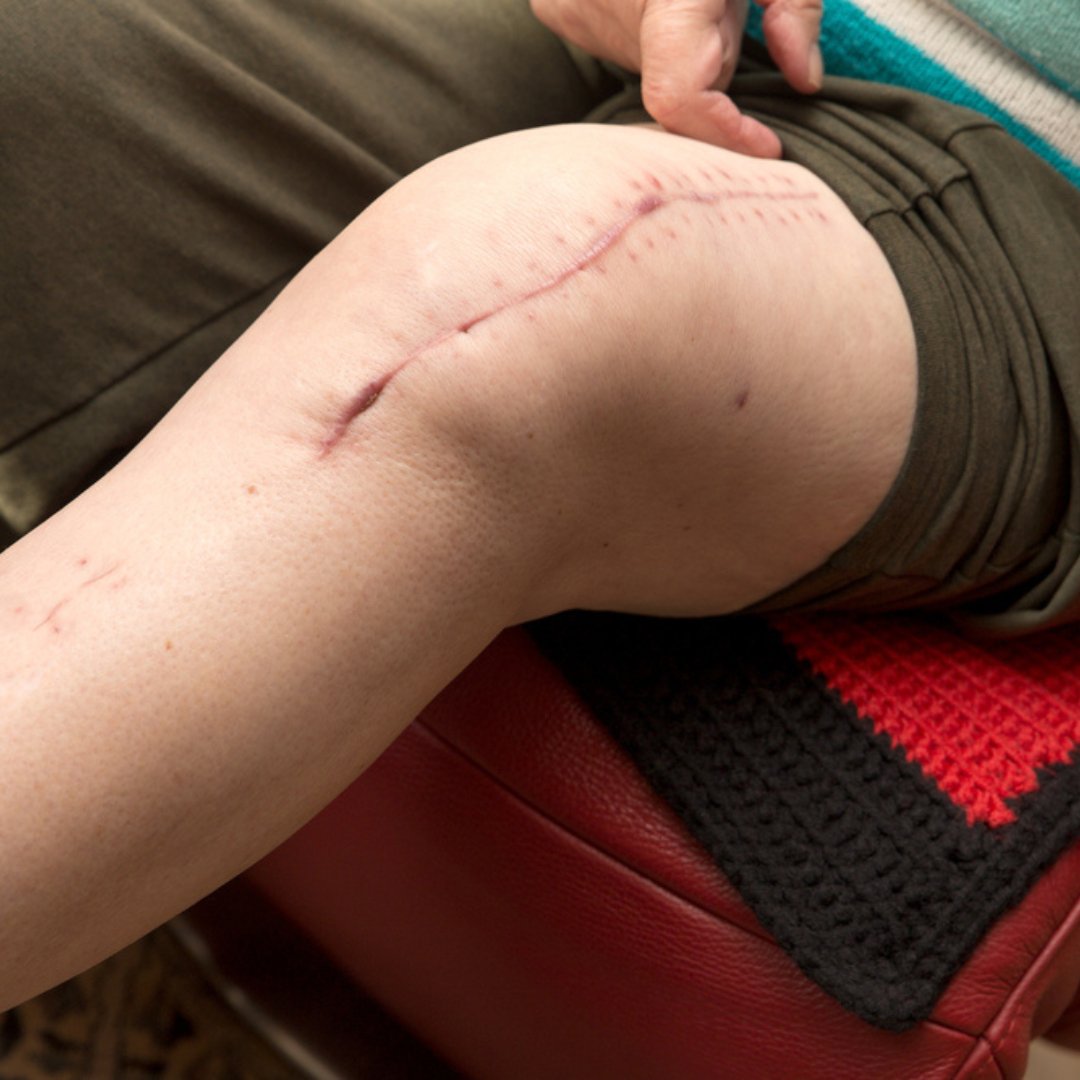
Learn how the opposite leg supports knee replacement surgery recovery and why strengthening it helps prevent overuse, improve balance, and support better progress.
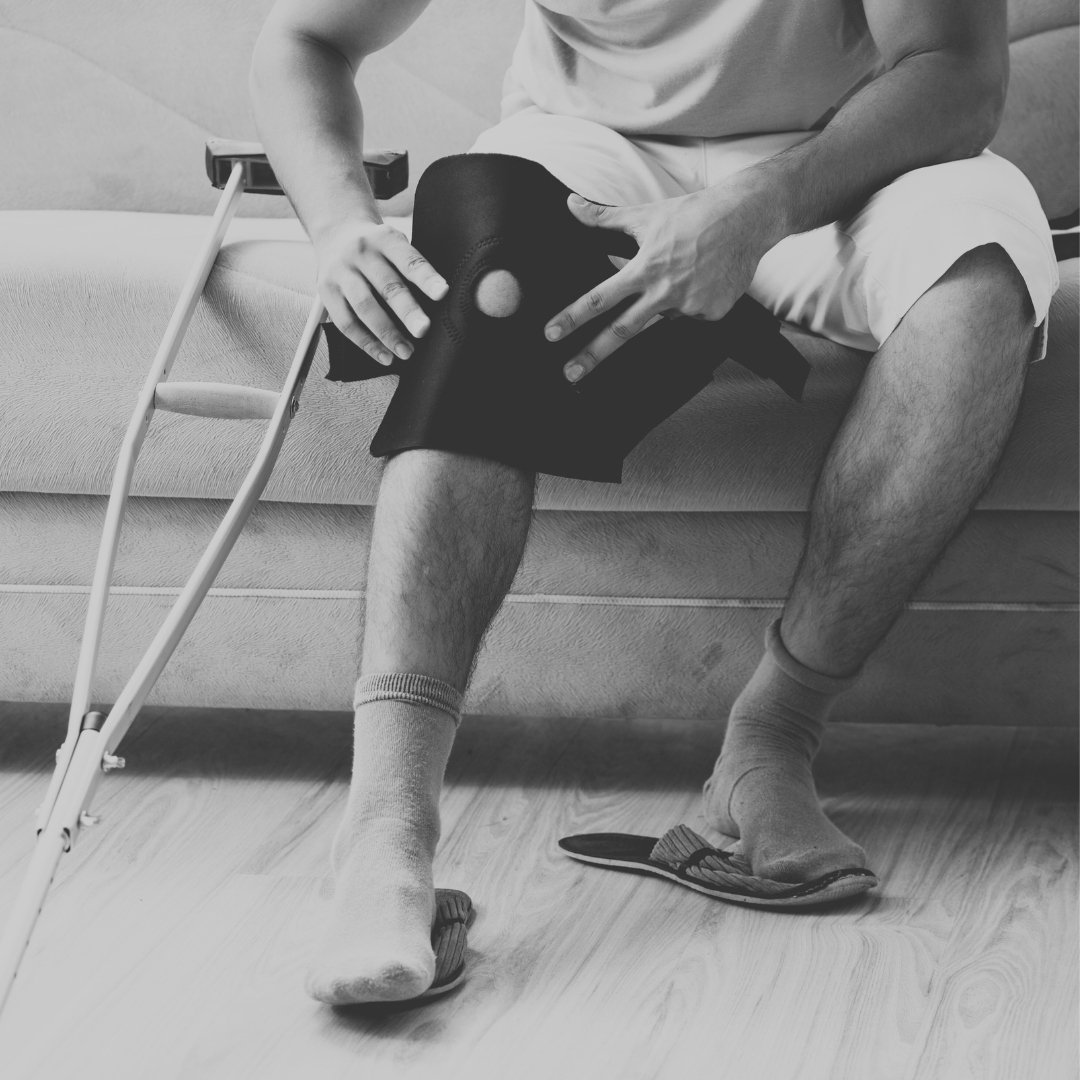
Find out more about why knee replacement implants feel unfamiliar at first, and how you can safely rebuild trust in your new knee.
Discover the truth about aging and knee pain. Learn the myths, the real science, and the steps you can take to stay strong, mobile, and confident at any age.