
Factors That May Slow Down Knee Replacement Surgery Recovery
Discover what can slow down knee replacement surgery progress and how to avoid common setbacks that affect strength, mobility, and daily function.

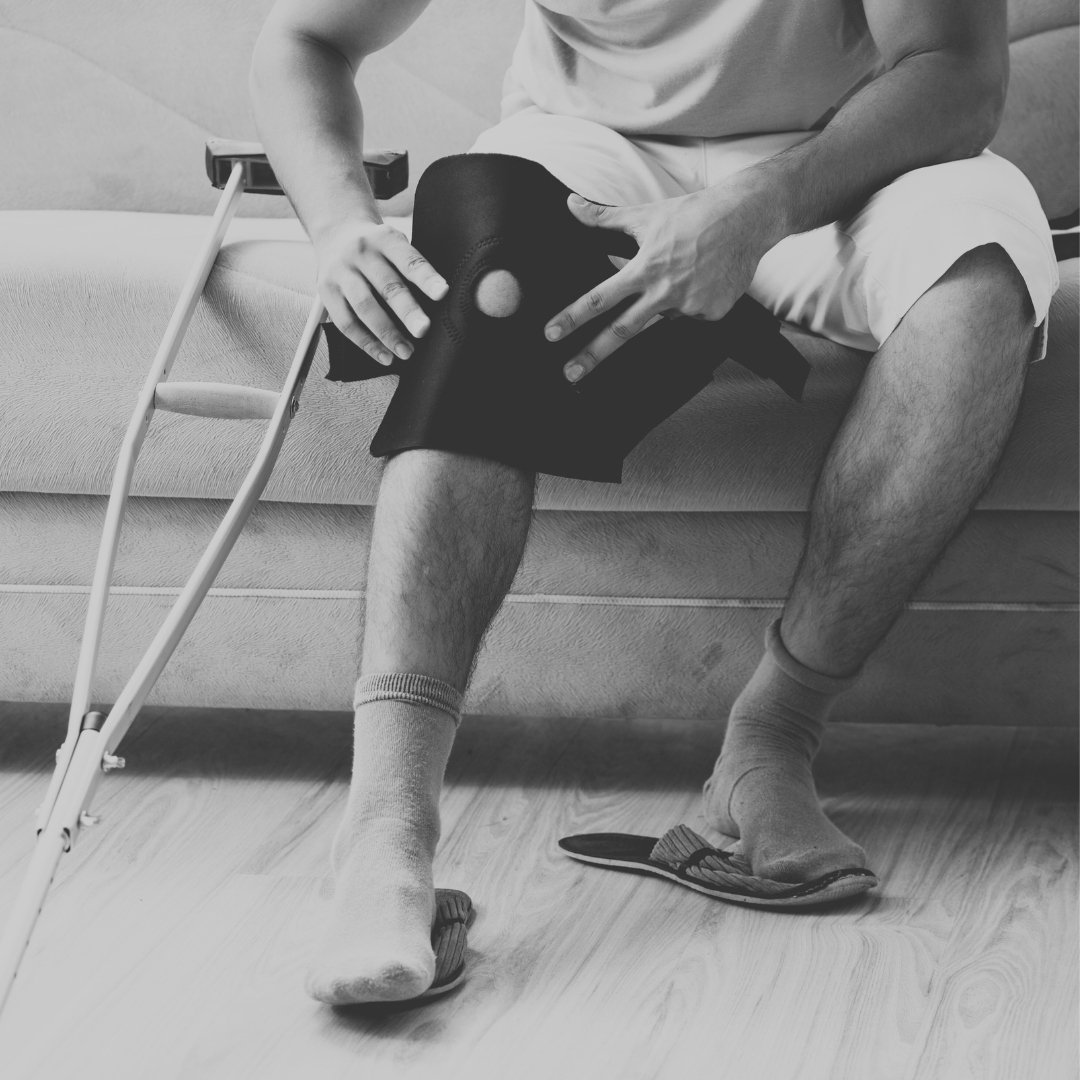
After total knee replacement surgery, it is common to feel unsure about your new joint. Even when your healing is going well, trusting knee replacement implants can feel like a whole separate process.
You are not imagining it. Your brain and body are working to reconnect in a way that feels unfamiliar. The good news is that this disconnect is temporary, and once you understand why it happens, you can build confidence in your knee again.
Your original knee had nerves, ligaments, and receptors that worked together to help you know where your leg was in space. That awareness is called proprioception. When your joint is replaced, your brain needs time to understand the new signals coming from the soft tissue around the implant.
This is why many people describe their knee as feeling “foreign” or “mechanical” during the early weeks of movement. The implant is solid and built to last, but your brain is still figuring out how to read it.
When proprioception is disrupted, your knee may give you mixed messages about how stable it feels. Many people are surprised by the odd sensations that show up during the early phases of movement. These feelings do not mean the implant is faulty; they simply reflect the brain learning a new communication system.

Here are some common descriptions I hear from my patients during this adjustment period:
All of these can create hesitation with walking, stairs, or balance tasks. With consistent movement and strengthening, your brain gradually learns to interpret the new signals coming from the tissues around the implant. As this connection rebuilds, these sensations fade and are replaced with smoother, more confident motion.
Movement after total knee replacement surgery involves more than mechanics. It involves emotion. I see many people who hesitate to step, bend, or turn, not because their implant is weak, but because they fear something might go wrong.
That subconscious fear creates protective movement patterns. You may shift weight onto your other leg or avoid bending the replaced knee fully. These habits can actually make your knee feel stiffer or less coordinated because the muscles are not being used evenly.
Trust takes time. After a knee replacement, you’re not just adjusting to a new joint mechanically, your nervous system is also recalibrating. The brain has to relearn how to interpret signals from the knee, because the joint no longer communicates in the same way it did before surgery. This neurological adjustment affects balance, coordination, and proprioception (your sense of where your knee is in space), which is why movements can feel wobbly, heavy, or unstable, and why even familiar actions may feel surprising at first.
Confidence grows with strength. When the muscles around your knee get stronger, your brain begins to recognize patterns that feel safe and familiar. The quadriceps, hamstrings, glutes, and calves all contribute to stability, and when they fire predictably, your movement feels more controlled.
This is why strengthening exercises during knee replacement recovery go far beyond stretching. They rebuild the responsiveness and coordination that your knee relied on before the implant.
Balance training is one of the most effective ways to help your brain reconnect with your new joint. When you practice balance, you activate proprioceptors in your muscles and tendons, which helps rebuild awareness around your knee replacement implant. These exercises are simple, accessible, and incredibly powerful for restoring trust in your knee.
Common balance movements include:
These drills retrain your nervous system to feel steady and supported again. They also help improve muscle activation in the hips and core, which contributes to overall knee stability. When you practice these consistently, your knee begins to feel predictable, responsive, and ready for confidence-building activities.
Fear of movement often appears in small ways that people do not expect. You might stiffen your leg without meaning to or favor your other side even when the replaced knee is strong enough to handle the load. These protective behaviors are extremely common after total knee replacement surgery, especially when proprioception is still catching up.

You may notice some of these subtle habits:
These habits can limit strength development and reinforce the belief that the knee is not ready for normal movement. When you begin correcting these patterns and practicing smoother, more confident steps, the knee quickly becomes more responsive. Consistency helps your body understand that your implant is stable and safe to use.
Some people benefit from guided movement programs that reinforce safe mechanics. GoKnee offers both prehab and postoperative knee programs with structured exercises targeting both the neurological (brain) and physical components of knee replacement recovery. By engaging the brain alongside the knee, these exercises enhance communication between the two, supporting a faster, more effective recovery. GoKnee’s program features easy-to-follow videos that can be done from the comfort of home, making it simple to stay consistent, an essential factor in successful knee replacement rehabilitation.
Learning to trust your knee replacement implant is a process. You are reconnecting your mind and body after a major change, and it takes time to feel natural again. Every step you take teaches your brain that your knee can support you. Strength grows, balance improves, and eventually, you stop noticing the implant at all.
Your knee is capable of far more than you might think. Give it consistent movement, steady strength work, and a little patience, and you will feel that trust grow every week. Good luck on your knee journey!
Good knees start here. Don’t miss a step, subscribe to KneeMail for free tips from knee expert Shehla Rooney, PT!
Discover what can slow down knee replacement surgery progress and how to avoid common setbacks that affect strength, mobility, and daily function.
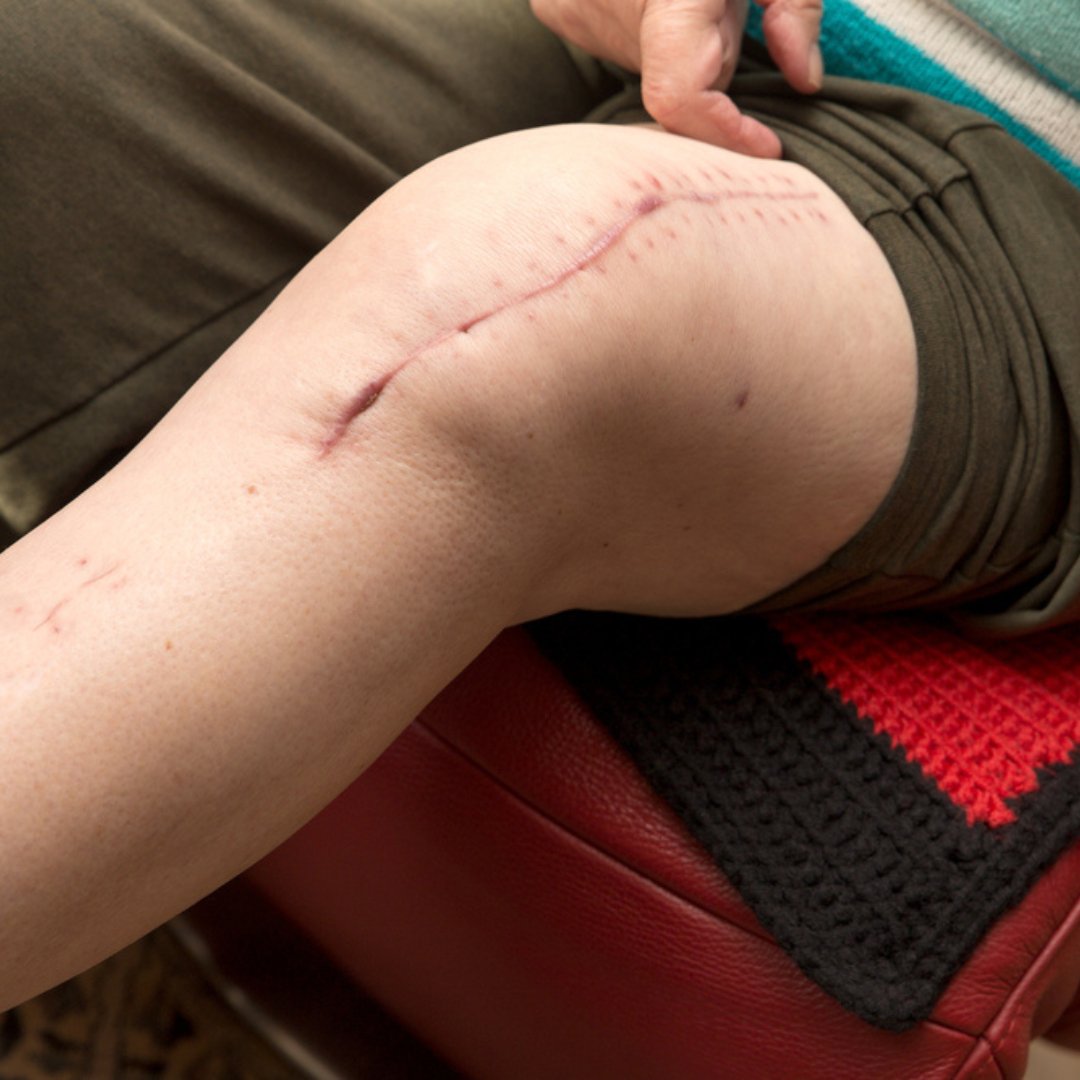
Learn how the opposite leg supports knee replacement surgery recovery and why strengthening it helps prevent overuse, improve balance, and support better progress.

Discover the truth about aging and knee pain. Learn the myths, the real science, and the steps you can take to stay strong, mobile, and confident at any age.

Learn why weather changes can increase knee pain and how simple daily habits help your joints feel more comfortable when temperatures shift.

Learn how to avoid knee replacement with simple habits that protect your joints through strength, movement, and long-term knee care.