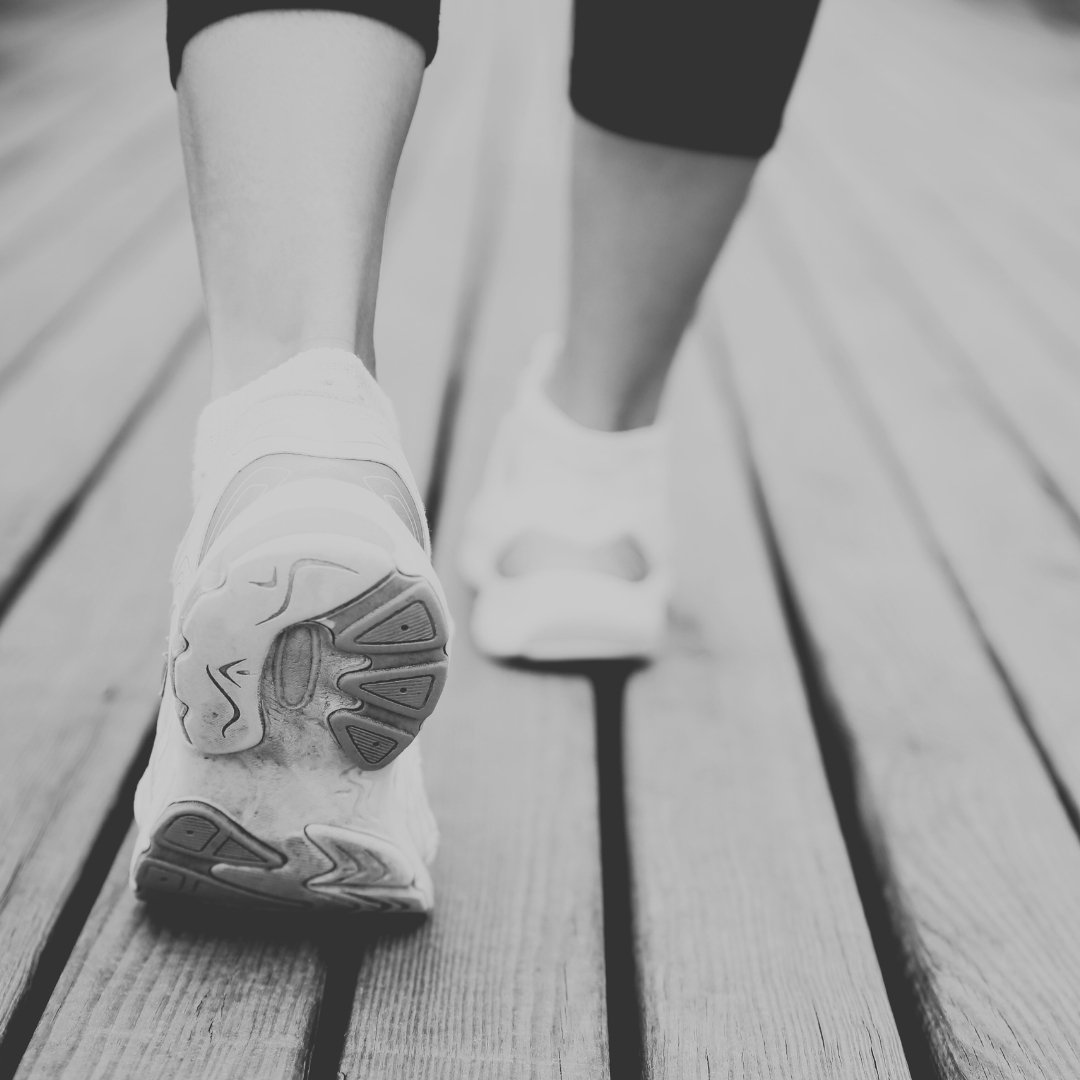
Can How You Walk Affect Your Knee Health?
Learn how improper gait and posture imbalances affect knee health and what you can do to reduce pain, improve movement, and protect your knees long term.

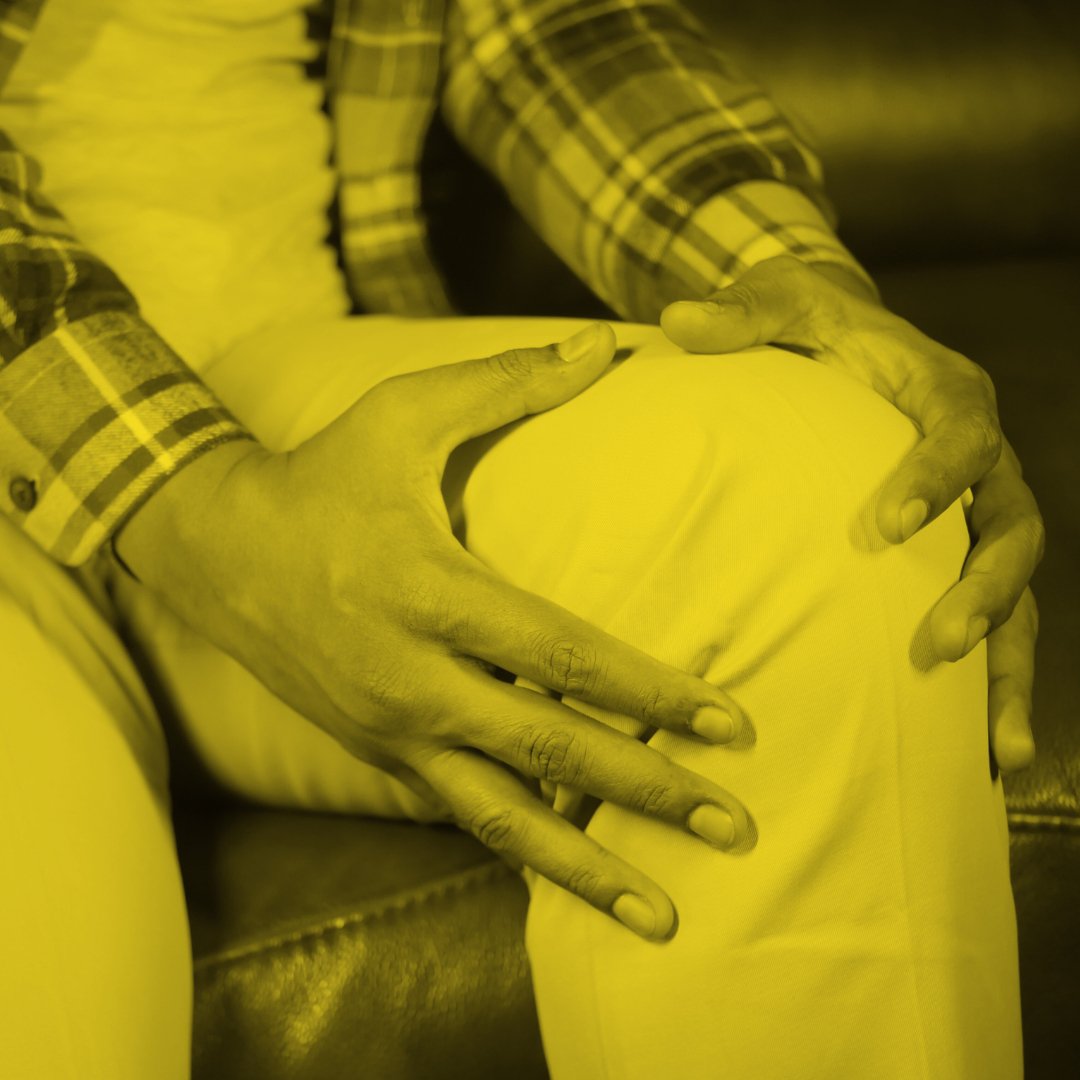
If I asked you to describe your knee pain, you might point to a specific moment when it bothers you most: going downstairs, standing up after sitting too long, or getting in and out of the car. But what many people don’t realize is how knee discomfort quietly spreads into the rest of life. Suddenly, you’re avoiding certain chairs, skipping your favorite hobbies, hesitating on uneven terrain, or waking up at night because your knee decided to hold a grudge.
Today, I want to walk you through the subtle ways knee pain creeps into your routine, and more importantly, how you can interrupt that cycle and regain control of your movement, strength, and confidence.
You aren’t dealing with knee pain just during the obvious moments. It affects dozens of micro-movements throughout your day. When you understand how it shows up, quietly and sneakily, you can take meaningful steps to change your knee health trajectory.
Awareness is your first tool. Action is your second. Let’s explore the places knee pain tends to hide.
Stairs reveal knee issues faster than almost any activity. Maybe you’ve noticed yourself leading with your “good” leg first. Or gripping the handrail a little tighter. Or turning sideways because it feels easier than going straight down. Those are all signs your knee is working harder than it should.
Descending stairs requires strong quadriceps and good control of your knee bend. When those muscles aren’t pulling their weight, your knee takes the brunt of the work, and discomfort often follows. The good news? Strengthening and improving your mechanics can make stairs feel less like a battle and more like a simple part of your day again.
Many people are shocked when I tell them that nighttime knee discomfort is incredibly common. You finally lie down to rest, then your knee decides to get vocal. A dull ache, a sharp twinge, or the sensation that your leg just won’t get comfortable.

This is often a sign of stiffness and inflammation that has built up throughout the day. It’s your knee saying, “Hey, we didn’t move enough today,” or “My surrounding muscles need some attention.”
Small pre-bed routines like gentle bending and straightening, light stretching, and controlled strengthening during the day can make nights more peaceful. Managing knee pain naturally isn’t just daytime work. Nighttime comfort matters too.
Here’s something I see often: “I used to garden all weekend, but now I only stay out for an hour,” or “I don’t kneel anymore,” or “I skip hikes because uneven ground scares me now.”
These aren’t just physical limitations. They’re emotional ones too. You start editing your life without fully noticing it.
What’s happening mechanically? The knee doesn’t like uncertainty, often brought about by uneven ground, steep slopes, kneeling, or twisting motions. When your strength or range of motion decreases, your confidence follows. And when your confidence goes down, activity levels drop even more.
That cycle is reversible. It doesn’t require perfection, just intentional effort.
Listen closely the next time you walk: do you hear a soft “thud” on one side? Do you take shorter steps? Do you shift your weight quickly off your sore knee?
Your body is trying to protect you, but that protection often leads to more strain elsewhere. Hips, low back, and even your opposite knee all start picking up extra work.
Walking comfortably requires three core components: good knee extension, good knee bend, and strong leg muscles. Without those, the entire chain compensates.
One of the most empowering parts of managing knee pain naturally is restoring your walking mechanics, and with the right strategies, this is absolutely doable.
People rarely connect their sitting posture with their knee discomfort, but the two are very intertwined. If your knees are stiff, you may avoid bending them fully. If they ache, you may prop them in odd positions. You might even sit longer than planned because standing up has become a chore.
Small posture shifts lead to big movement habits over time. But small corrections can lead to big improvements too. The truth is simple: your knees thrive when your entire body works with them instead of against them.
Now that you’ve seen where knee pain hides, let’s talk about how to get ahead of it. These strategies build strength, confidence, and better movement patterns, whether you're aiming to avoid future limitations or preparing for total knee replacement surgery.
This is the most powerful step you can take. Your quadriceps, hamstrings, glutes, and calf muscles all support your knees. When they are strong, your knee joint carries less stress. When they are weak, everything becomes harder.
Even light strengthening, when done consistently, can transform how your knee feels during everyday life.

Stiff knees tend to stay stiff. A knee that doesn’t straighten fully changes your walking mechanics. A knee that doesn’t bend enough limits stairs, sitting, and comfort.
Improving end ranges (full straightening and comfortable bending) helps your knee move more efficiently and reduces strain.
Programs like GoKnee emphasize this because a better range of motion is one of the biggest predictors of positive outcomes after total knee replacement surgery and during knee replacement recovery. GoKnee’s approach uses a full step-by-step plan along with a knee device that mimics the hands of a therapist, allowing you to perform advanced stretching techniques safely at home.
Natural movement is one of the best ways to keep your knees happier. Short walks, gentle cycling, controlled exercises, and mindful bending and straightening all support your joint health. Your knee doesn’t need intense workouts. Instead, it needs consistency and confidence.
Many people wait too long before addressing their knee pain because they dismiss the early signs: a little stiffness, a quick pinch on stairs, slowing down on hills. Early action is often the difference between small changes and larger interventions down the road.
Don’t wait for your knee to “get bad enough.” You have the power to shift your knee’s direction today.
This is the part I never want you to forget: your knee story is not fixed. Stiffness can improve. Strength can be rebuilt. Mechanics can change. Confidence can return. Whether you’re working toward total knee replacement surgery or you’ve been dealing with chronic discomfort for years, your next steps matter.
Small choices, when repeated consistently, create a different future. And you deserve that future. Your knee pain may be sneaky, but your ability to take charge is stronger than you realize. Good luck on your knee journey!
Good knees start here. Don’t miss a step, subscribe to KneeMail for free tips from knee expert Shehla Rooney, PT!
Learn how improper gait and posture imbalances affect knee health and what you can do to reduce pain, improve movement, and protect your knees long term.

Discover what can slow down knee replacement surgery progress and how to avoid common setbacks that affect strength, mobility, and daily function.
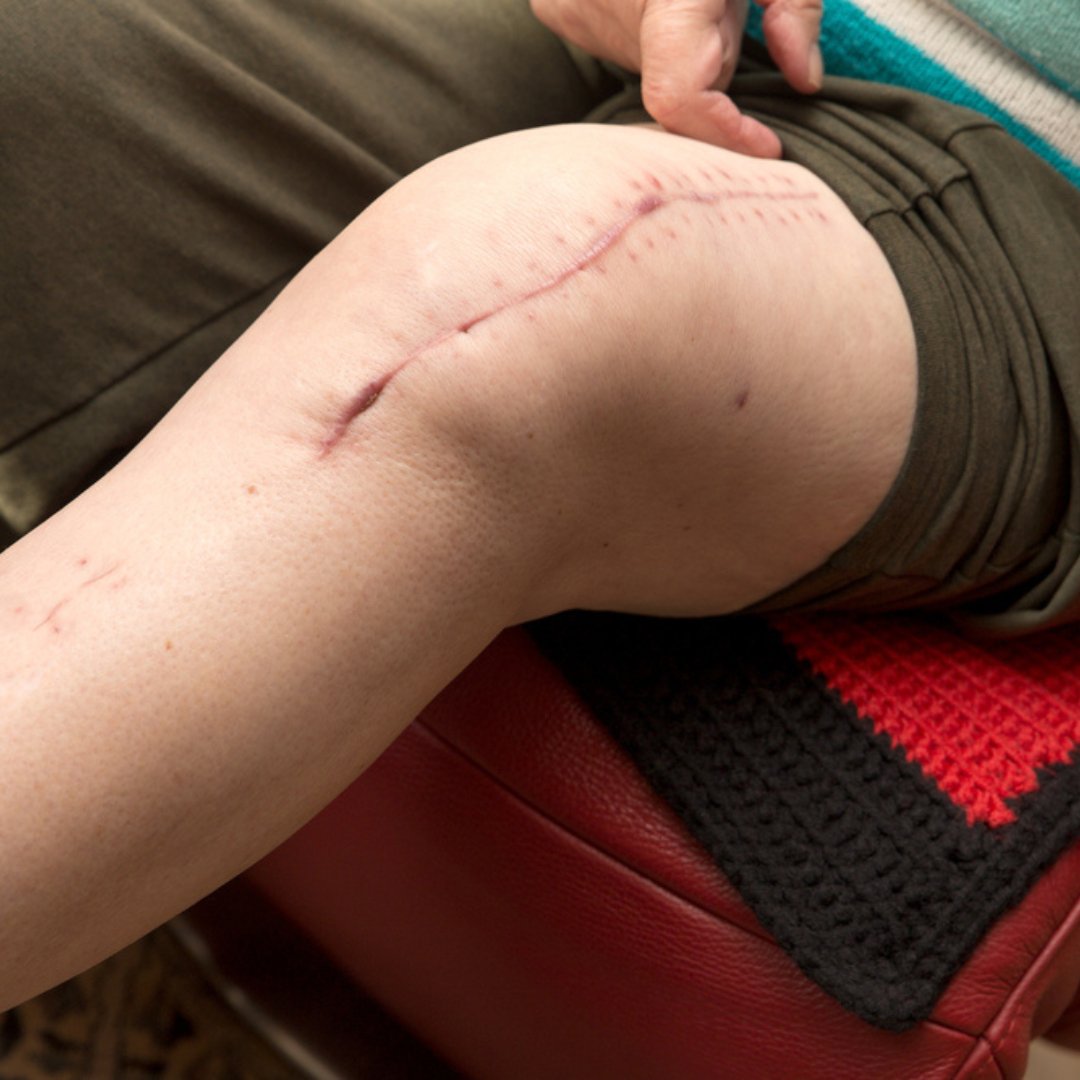
Learn how the opposite leg supports knee replacement surgery recovery and why strengthening it helps prevent overuse, improve balance, and support better progress.
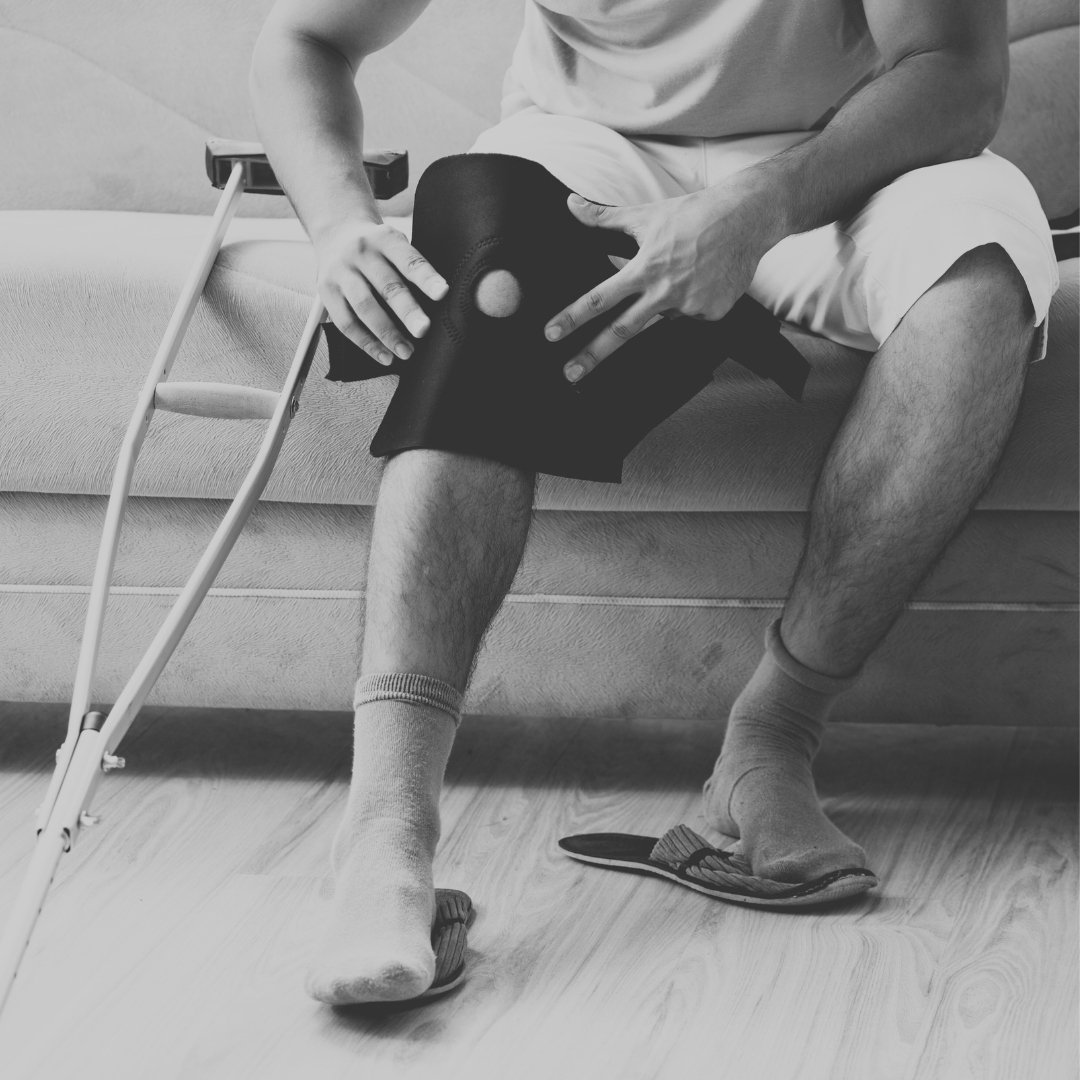
Find out more about why knee replacement implants feel unfamiliar at first, and how you can safely rebuild trust in your new knee.

Discover the truth about aging and knee pain. Learn the myths, the real science, and the steps you can take to stay strong, mobile, and confident at any age.