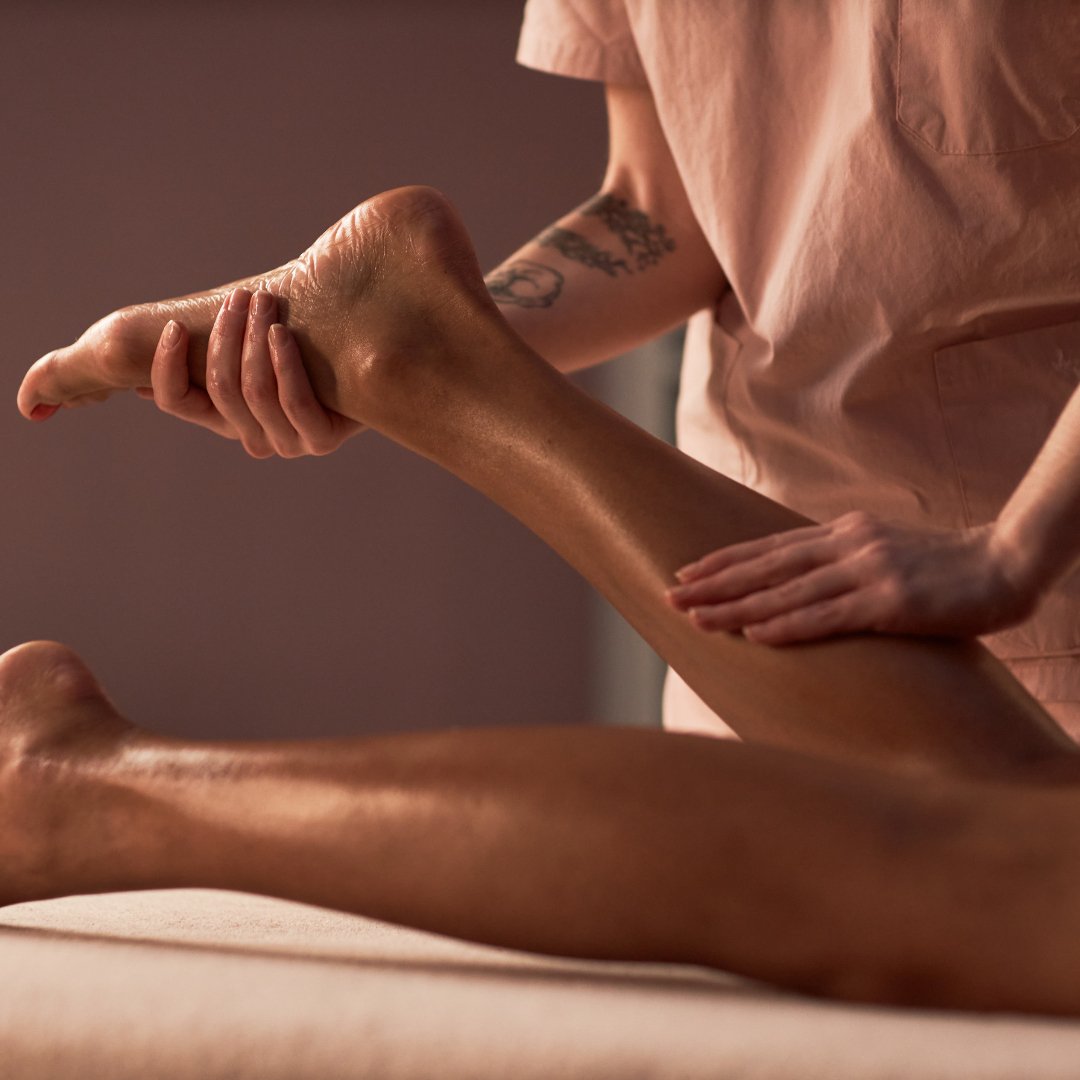
Is It Safe to Get a Leg Massage Right After Knee Replacement Surgery?
Learn when leg massage after knee replacement surgery is safe, which areas to avoid, and how massage can support comfort without slowing healing.

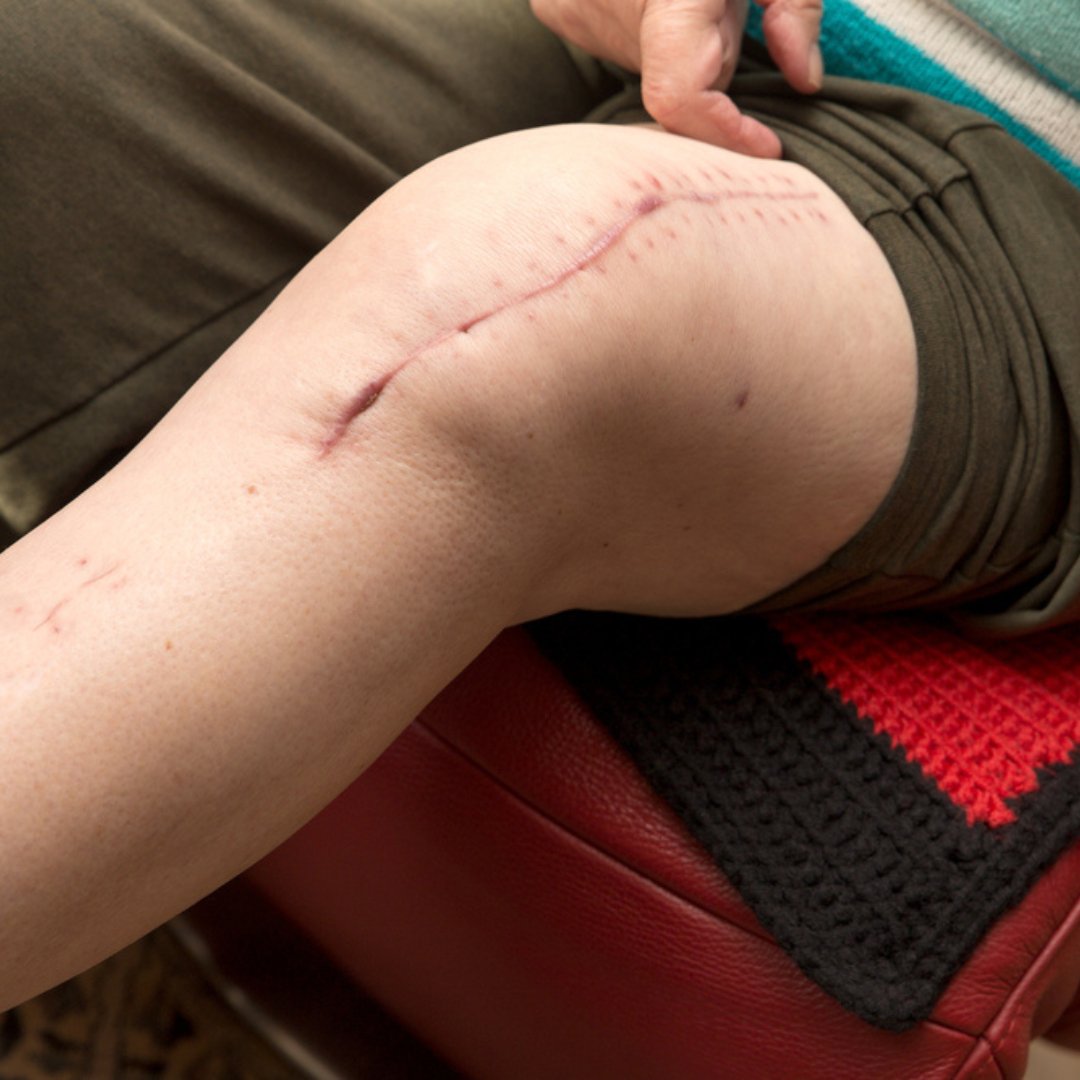
After total knee replacement surgery, something surprises almost everyone I work with. The knee that did not have surgery suddenly feels tired, sore, or overworked. During knee replacement recovery, your opposite leg quietly takes on far more responsibility than it ever did before, and that role matters more than most people realize.
This is quite common. You lean on the non-operative leg to stand, to walk, to climb stairs, and to feel steady when the surgical knee feels unreliable. When that leg is not prepared or protected, it can slow progress, increase frustration, and even create new pain that no one expected.
After total knee replacement surgery, your body naturally looks for stability. Early on, that stability comes from the leg that did not go through surgery. Every transfer from a chair, every step to the bathroom, and every cautious walk down the hallway shifts extra load onto that side.
This is normal, but it is also demanding. The opposite leg or ‘good leg’ often absorbs more force than it is used to handling, especially if it already had mild arthritis, weakness, or balance challenges before surgery. During knee replacement recovery, this overload can show up as hip or knee pain, ankle soreness, or fatigue that feels out of proportion to the activity.
Ignoring this shift is one of the most common mistakes I see. Supporting the surgical knee without supporting the opposite leg leaves half of the system underprepared.
Overuse injuries do not always announce themselves loudly. Sometimes they whisper through stiffness in the morning or a dull ache after a short walk. During knee replacement recovery, the non-operative leg is especially vulnerable to these subtle warning signs.

Common overuse issues include tendon irritation around the knee, increased hip strain, and foot pain from altered walking patterns. Balance changes can also creep in, making you feel less confident on uneven surfaces or stairs. These problems can make daily tasks feel harder than they should.
Paying attention early allows you to adjust before small issues become setbacks that delay progress.
Preparation does not start after surgery. I encourage strengthening the opposite leg even before total knee replacement surgery whenever possible. Strong muscles create a safety net that supports your body during the early phases of knee replacement recovery.
Key areas to focus on include the quadriceps, glutes, and calf muscles. These muscle groups help control standing, walking, and stair navigation. Simple exercises like controlled sit-to-stands, supported squats, and gentle step-ups build resilience without aggravating knee pain.
This approach often brings an added benefit. Improving strength on the non-operative side can make everyday movement feel easier even before surgery happens.
Once surgery is done, your focus naturally goes to the surgical knee. That focus is understandable, but the opposite leg still needs attention. During knee replacement recovery, balanced training supports smoother movement and better confidence.
Early on, this means using proper support when walking and resisting the urge to rush. Devices like walkers or canes are tools, not signs of weakness. They help distribute load so the non-operative leg does not carry everything alone.
As strength improves, targeted exercises for the ‘good leg’ help maintain balance between both sides. This balanced approach reduces compensations that can linger long after the surgical knee feels stronger.
Balance is rarely about one joint. It is a conversation between both legs, your core, and your nervous system. During knee replacement surgery recovery, the opposite leg often becomes the anchor that helps you feel safe.
When that leg is strong and responsive, walking feels smoother and less guarded. When it is fatigued or painful, fear of falling can creep in. I see people hesitate on stairs or avoid longer walks simply because they do not trust their non-operative side either.
Training balance intentionally, with gentle weight shifts and controlled standing exercises, helps restore confidence. Confidence often improves movement quality faster than strength alone.
No one talks enough about the emotional impact of depending so heavily on one side of the body. It can feel strange, frustrating, or even discouraging to notice soreness in the ‘good leg’; the one that never had surgery.
I remind people that this experience is temporary and logical. Your body is adapting to change. Recognizing the effort your opposite leg is making can shift frustration into appreciation, which matters more than it sounds.
A calm, patient mindset often leads to better consistency with exercises and daily movement during knee replacement surgery recovery.

Effective knee replacement surgery recovery looks at the whole body, not just the surgical knee. A structured program allows both legs to progress together while respecting healing timelines.
GoKnee is a program that includes prehab, post-operative exercises, and long-term maintenance. The adjustable knee device mimics the hands of a therapist, allowing advanced techniques to be performed safely at home. Workouts can be adjusted so they include the GoKnee knee device while still supporting balanced movement on both sides.
This kind of structure reduces guesswork. When you know what to do and when to do it, both legs benefit without unnecessary strain.
Small daily choices make a big difference. During knee replacement recovery, protect the non-operative leg by pacing activities and avoiding long stretches of standing early on. Break tasks into smaller pieces rather than pushing through fatigue.
Footwear also matters. Supportive shoes reduce stress traveling up the leg and help maintain alignment. Paying attention to posture while standing and walking can further reduce unnecessary load.
These habits are simple, but they create consistency that supports long-term progress.
Before finishing, I want to leave you with clear actions you can take. First, include strength work for the opposite leg at least two to three times per week, beginning months before your knee replacement surgery. Second, respect fatigue and rest before pain escalates. Third, use support tools (like walkers and canes) without guilt when needed.
Finally, stay curious about how your body feels rather than judging it. Awareness leads to smarter movement choices and steadier progress during knee replacement surgery recovery. Good luck on your knee journey!
Good knees start here. Don’t miss a step, subscribe to KneeMail for free tips from knee expert Shehla Rooney, PT!
Learn when leg massage after knee replacement surgery is safe, which areas to avoid, and how massage can support comfort without slowing healing.
Learn how improper gait and posture imbalances affect knee health and what you can do to reduce pain, improve movement, and protect your knees long term.

Discover what can slow down knee replacement surgery progress and how to avoid common setbacks that affect strength, mobility, and daily function.
Find out more about why knee replacement implants feel unfamiliar at first, and how you can safely rebuild trust in your new knee.

Discover the truth about aging and knee pain. Learn the myths, the real science, and the steps you can take to stay strong, mobile, and confident at any age.