
Can How You Walk Affect Your Knee Health?
Learn how improper gait and posture imbalances affect knee health and what you can do to reduce pain, improve movement, and protect your knees long term.

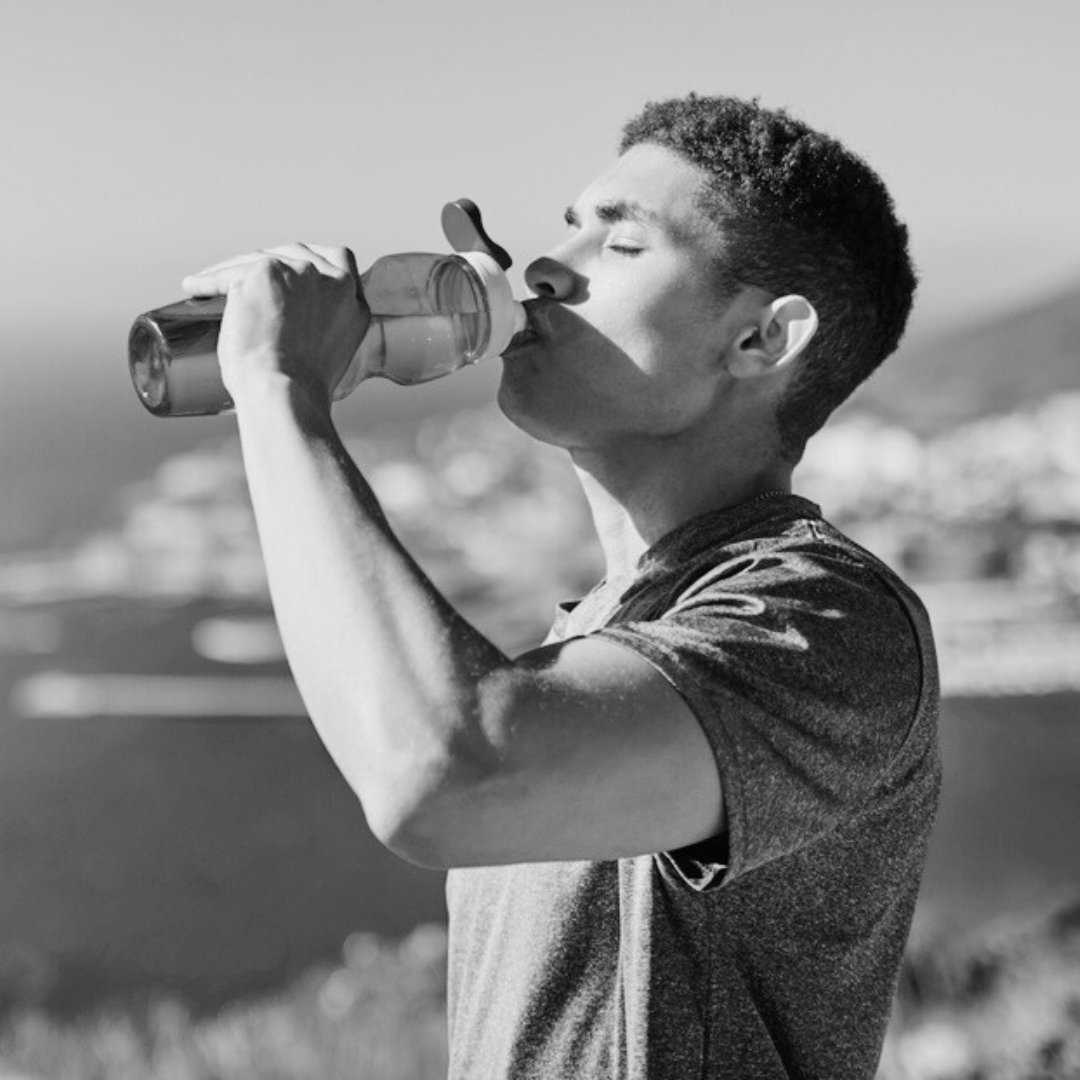
If you are going through knee replacement surgery recovery or dealing with stiffness and discomfort, you may not immediately connect water intake with your progress. As a physical therapist, I’ve seen how hydration makes a big difference in movement, energy, and comfort. Drinking enough water is one of the simplest ways to support your body’s natural healing process and improve overall knee joint health.
Water is essential for nearly every function in your body, and your knees are no exception. During knee replacement recovery or when managing long-term discomfort, hydration helps deliver nutrients, remove waste, and support tissue repair. Without enough water, these processes slow down, which can leave your knees feeling stiff and sore.
Even mild dehydration can make pain feel worse. Research shows that dehydration is linked to higher levels of perceived pain, which can interfere with exercises and mobility. Drinking enough water ensures that your joints stay lubricated and cushioned, making it easier to keep moving forward.
When it comes to knee joint health, hydration affects both structure and function. Cartilage, which cushions your joints, is mostly water. The synovial fluid that allows your knee to glide smoothly also depends on hydration. Together, these elements protect your joint from excess friction.
Hydration also supports circulation, which is critical during knee replacement surgery recovery. Good blood flow delivers oxygen and nutrients to your knee while flushing out waste. Without adequate hydration, your knees may feel stiffer and more prone to fatigue.

Staying hydrated helps your body manage pain and inflammation. When you are dehydrated, tissues lose fluid, which can heighten nerve sensitivity and make discomfort feel worse. Adequate water intake cushions your nerves and helps your system regulate swelling.
This matters for knee joint health because inflammation is a natural part of healing. Drinking water supports your body’s ability to flush out excess waste that contributes to stiffness. With better hydration, exercises feel less difficult and movement becomes more comfortable.
It’s easy to underestimate your hydration needs, especially while focusing on exercise and mobility. Watch out for these signs that may indicate you’re not drinking enough:
If you notice these signs, your body may be asking for more fluids. Paying attention early can make a difference in how comfortable your knee replacement recovery feels.
While you’ve probably heard the advice of eight glasses a day, the truth is hydration needs vary from person to person. A good rule of thumb is to aim for half your body weight in ounces of water daily. For instance, if you weigh 160 pounds, that’s about 80 ounces, or 10 cups of water.
Your activity level also matters. If you are working through knee replacement recovery exercises, you may need extra water, especially if you sweat. The good news is that hydration doesn’t have to come from plain water alone. Herbal teas, broth, and water-rich fruits and vegetables all count toward your daily total. The key is consistency, not quick fixes.

Making hydration part of your daily routine can feel easy with the right approach. Here are some strategies that I’ve seen help many people:
Each of these tips can help you make hydration automatic. When drinking water becomes second nature, you give your knees the consistent support they need to stay flexible and strong.
Water is only one piece of the puzzle, but it connects to nearly every factor that influences your knee joint health. Hydration fuels tissue repair, supports energy levels for exercise, and reduces stiffness. When combined with proper exercise, balanced nutrition, and a structured knee rehabilitation plan, hydration becomes a foundation for success.
Seeing hydration as a long-term habit rather than a short-term solution will help you maintain stronger knees. Every sip supports your movement, comfort, and ability to enjoy the activities you love.
Your journey through total knee replacement surgery recovery or ongoing knee care doesn’t have to be overwhelming. Something as simple as consistent hydration can improve circulation, reduce stiffness, and help you feel more comfortable while you heal. A water bottle at your side may be one of the most effective tools you have for long-term knee joint health.
For more structured support, check out GoKnee, a complete program that helps guide each stage of your knee replacement recovery. Good luck on your knee journey!
Good knees start here. Don’t miss a step, subscribe to KneeMail for free tips from knee expert Shehla Rooney, PT!
Learn how improper gait and posture imbalances affect knee health and what you can do to reduce pain, improve movement, and protect your knees long term.

Discover what can slow down knee replacement surgery progress and how to avoid common setbacks that affect strength, mobility, and daily function.
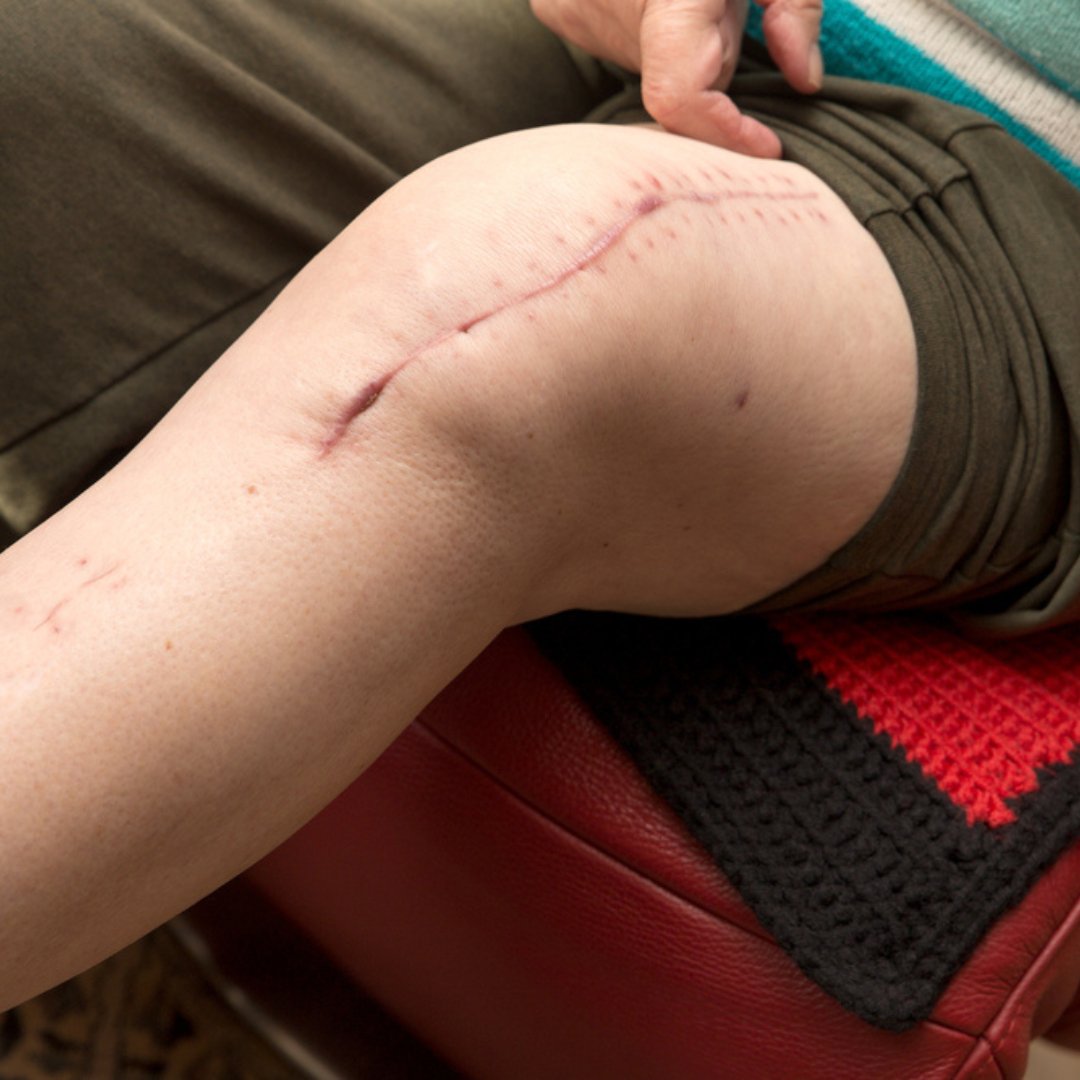
Learn how the opposite leg supports knee replacement surgery recovery and why strengthening it helps prevent overuse, improve balance, and support better progress.
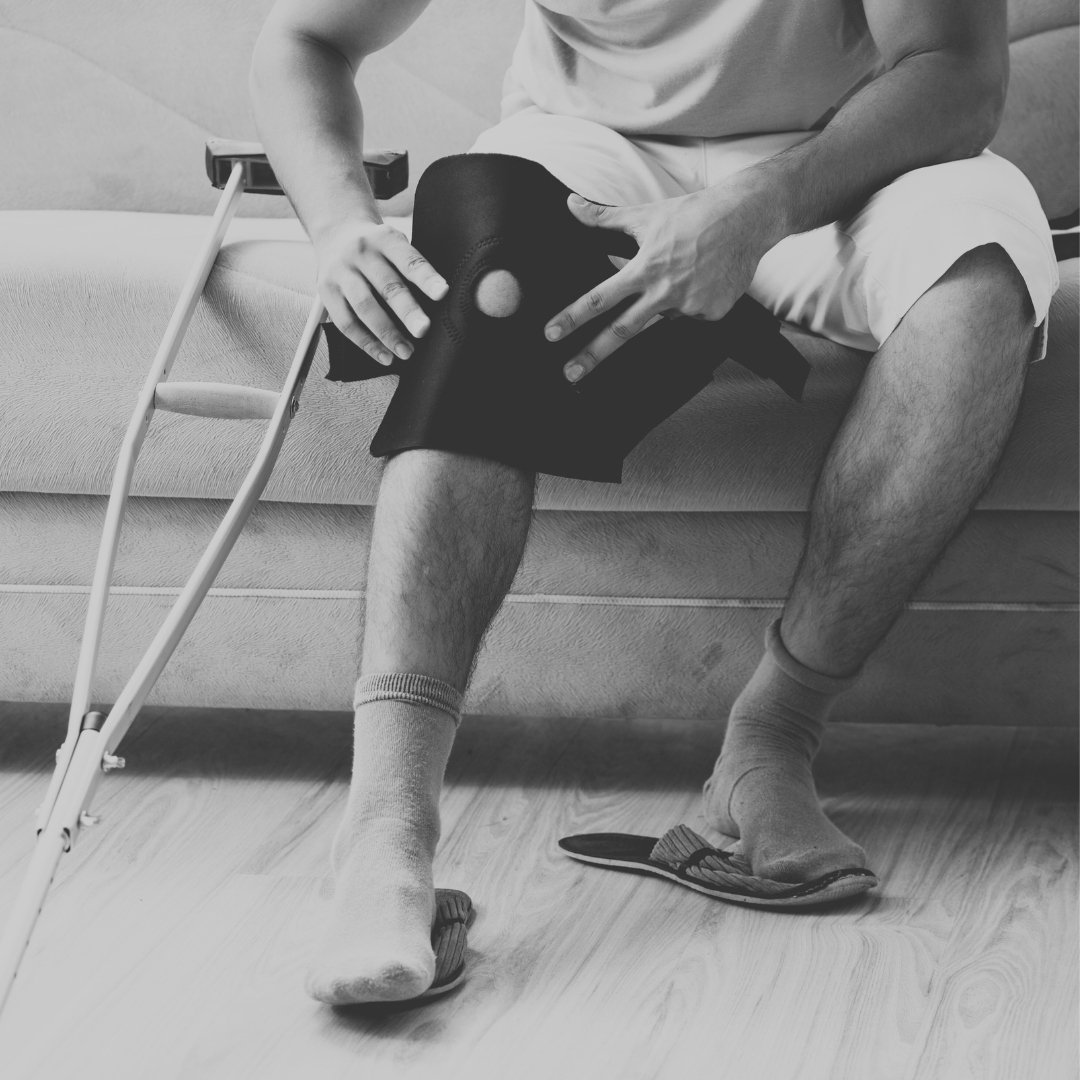
Find out more about why knee replacement implants feel unfamiliar at first, and how you can safely rebuild trust in your new knee.

Discover the truth about aging and knee pain. Learn the myths, the real science, and the steps you can take to stay strong, mobile, and confident at any age.