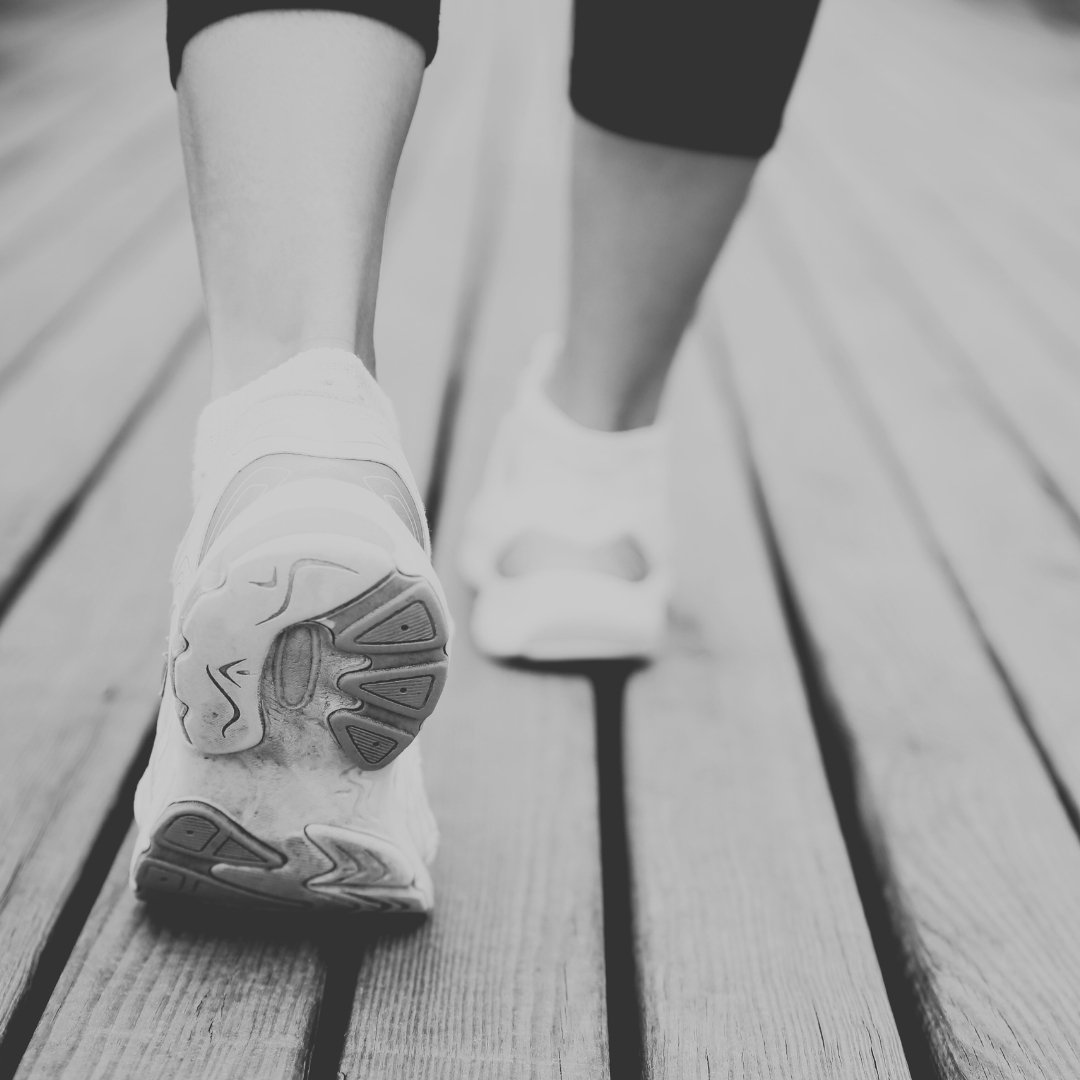
Can How You Walk Affect Your Knee Health?
Learn how improper gait and posture imbalances affect knee health and what you can do to reduce pain, improve movement, and protect your knees long term.


When someone tells me their knees feel older than they are, I know exactly what they mean. Stiff mornings, crunchy stair climbs, and that slow sit-to-stand warm-up routine can make anyone wonder what is happening inside their joints. The good news is that there are real, actionable ways to protect your knees, especially if you want to learn how to avoid knee replacement as you get older.
Your knees work hard from the moment you take your first step. After years of climbing stairs, exercising, sitting at desks, and carrying groceries, kids, or luggage, the tissues inside the joint begin to adapt. Some of those adaptations help you stay strong, but others create stiffness, swelling, or pain that becomes more noticeable with age.
Around 50, tiny changes in cartilage, joint fluid, muscle balance, and movement patterns begin adding up. These changes do not automatically mean you are headed toward total knee replacement surgery. They simply mean your knees need a little extra support.
Many people are shocked to learn that every extra pound of body weight adds several pounds of additional pressure to the knee joint during walking. The math is simple, but the impact on your knees is not. Over time, that extra force can wear down cartilage and leave your joints feeling overwhelmed.
Learning how to avoid knee replacement often starts with weight management. Even a small decrease in weight reduces stress on the knee and helps preserve cartilage. This does not require dramatic dieting. It comes from choosing nourishing foods, staying hydrated, and adding gentle movement that keeps your metabolism active.
Your knees are team players. They depend on your hips, ankles, and core to share the workload. When those areas get tight or weak, the knee starts absorbing stress it was never meant to handle. That is where movement patterns come in.

Many people unknowingly move in ways that irritate the knee joint, such as:
These habits feel small, but they influence the alignment of your kneecap and the wear on your cartilage over time. Correcting them early is one of the most powerful ways to avoid unnecessary knee degeneration.
One of the most overlooked strategies for how to avoid knee replacement is early physical therapy. You do not have to wait until your knees are screaming for help. Strengthening the quadriceps, hamstrings, and glutes before major symptoms develop protects the joint, improves shock absorption, and keeps you moving with less pain.
Physical therapy also helps you identify hidden muscle imbalances, such as weak hips or tight hamstrings, that quietly place strain on the knee. Addressing these imbalances creates long-term stability that supports aging joints.
Your knees rely on synovial fluid to keep the joint moving smoothly. As you age, your body produces less of it. Think of it like oil in a hinge. Less lubrication means more stiffness and friction. The easiest way to stimulate synovial fluid production is movement. Even gentle bending, walking, or cycling activates circulation and nourishes the cartilage.
Cartilage also depends on consistent compression and decompression to receive nutrients. Contrary to what many people think, avoiding movement entirely does not protect cartilage. Inactivity starves it.
This is why daily controlled movement plays such a big role in preventing cartilage breakdown and keeping your knees healthier longer.
Strong muscles protect your joints better than anything else. After age 40, muscle naturally starts to decline unless you actively work to maintain it. When muscles weaken, the knee absorbs more impact and becomes more vulnerable to strain.
Strength training does not need to be intense. Simple exercises like step-ups, leg lifts, bridges, and gentle squats can dramatically improve the stability and comfort of your knees. The goal is not to build big muscles, but to build supportive ones that take pressure off your cartilage.

Protecting your knees is not about dramatic lifestyle changes. It is about small habits that build healthier joints over time. A few things make a big difference:
Your knees respond well to consistency. These habits help reduce inflammation, improve circulation, and maintain stronger support muscles around your joints.
Even with excellent habits, some knees experience wear that cannot be reversed. In those cases, total knee replacement surgery can be life-changing. The key is addressing symptoms early rather than pushing through worsening pain for years.
When you do reach the point where total knee replacement surgery becomes necessary, having strong muscles, good mobility, and solid movement patterns makes knee replacement recovery smoother and more successful. Many of the same habits used to avoid surgery also help you prepare if you eventually need it.
Learning how to avoid knee replacement is not about perfection. It is about support, awareness, and consistent habits that honor the work your knees do every day. You can strengthen your muscles, improve your daily movements, stay active, and help your knees age gracefully.
Your knees are capable of far more than you might think when you give them the care they deserve. Good luck on your knee journey!
Good knees start here. Don’t miss a step, subscribe to KneeMail for free tips from knee expert Shehla Rooney, PT!
Learn how improper gait and posture imbalances affect knee health and what you can do to reduce pain, improve movement, and protect your knees long term.

Discover what can slow down knee replacement surgery progress and how to avoid common setbacks that affect strength, mobility, and daily function.
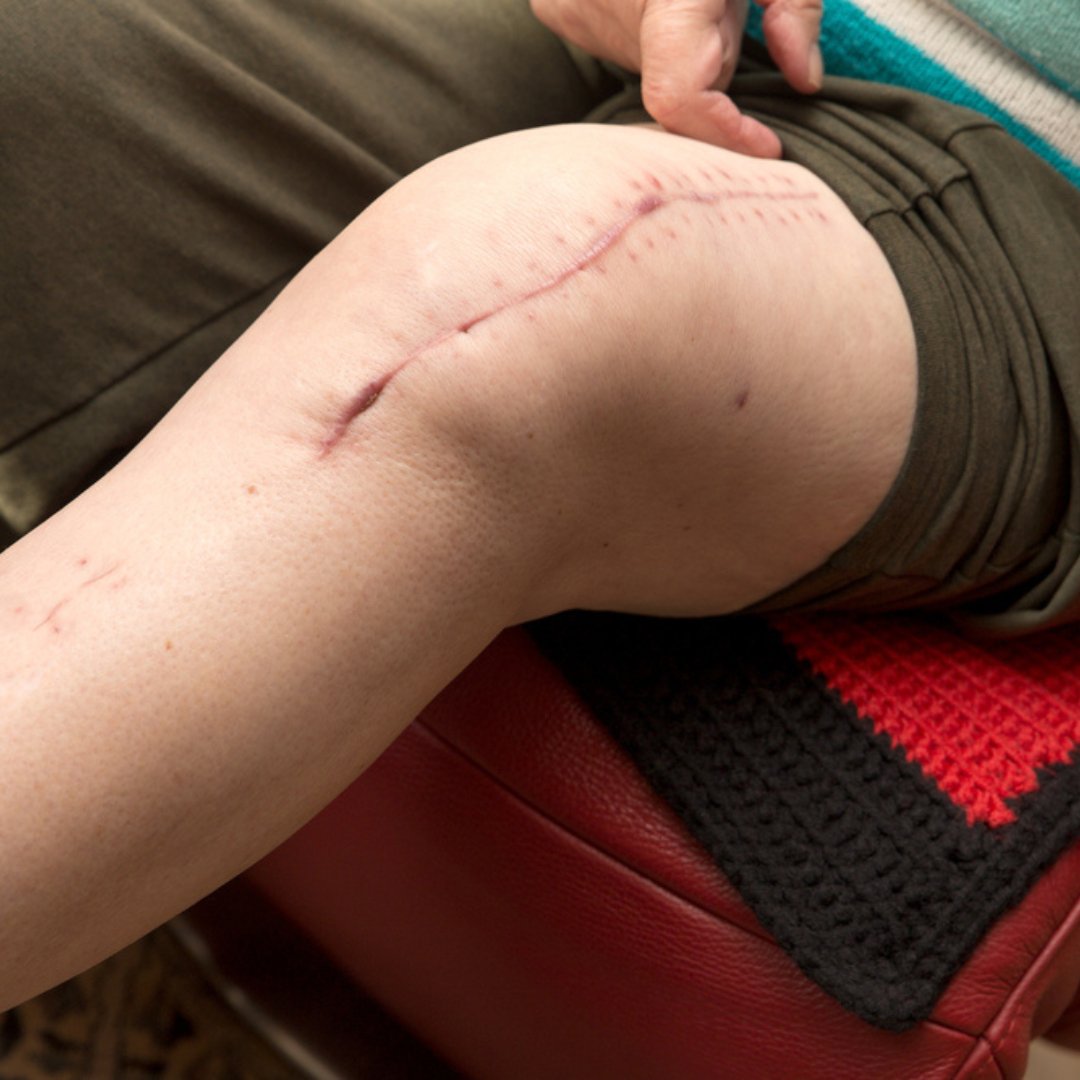
Learn how the opposite leg supports knee replacement surgery recovery and why strengthening it helps prevent overuse, improve balance, and support better progress.
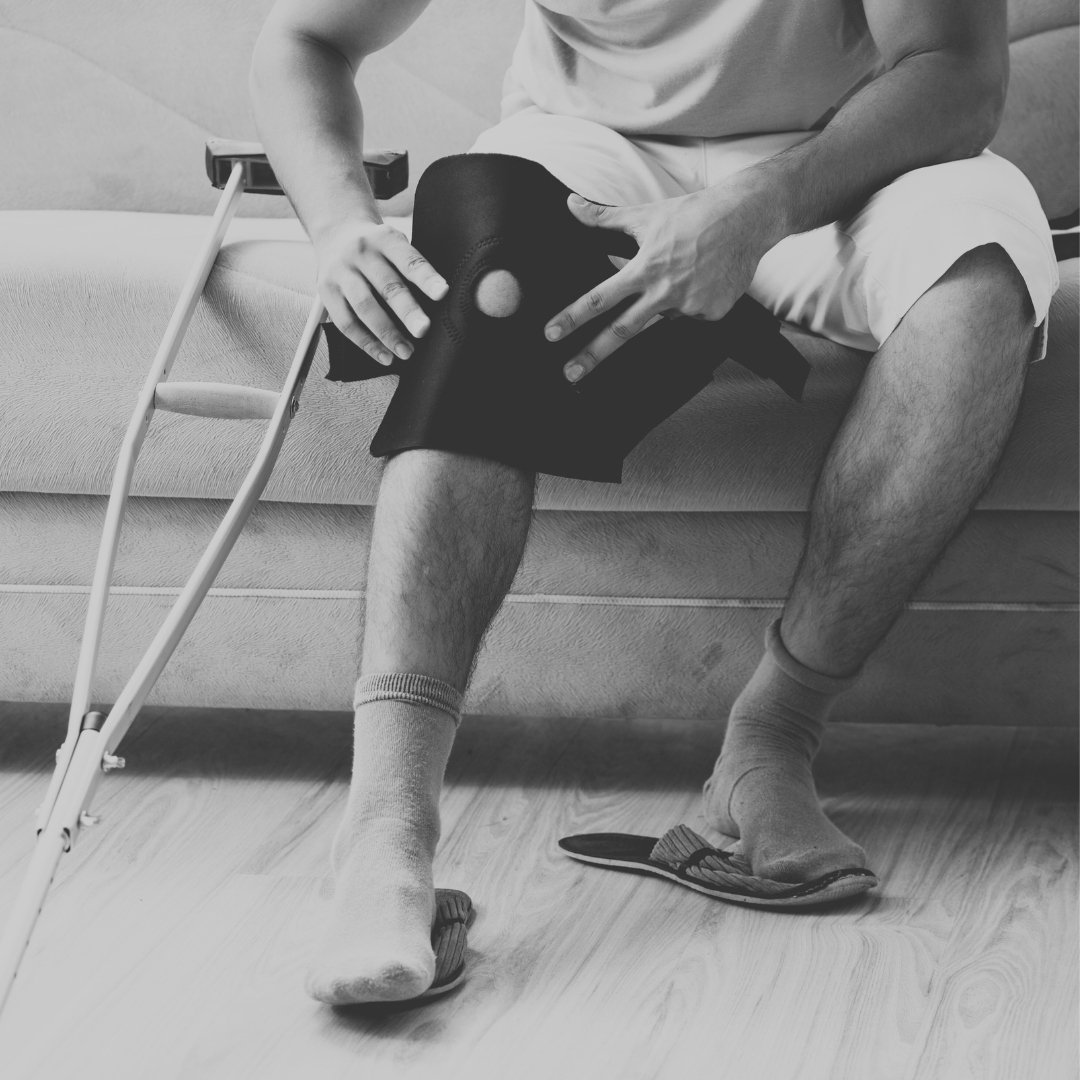
Find out more about why knee replacement implants feel unfamiliar at first, and how you can safely rebuild trust in your new knee.
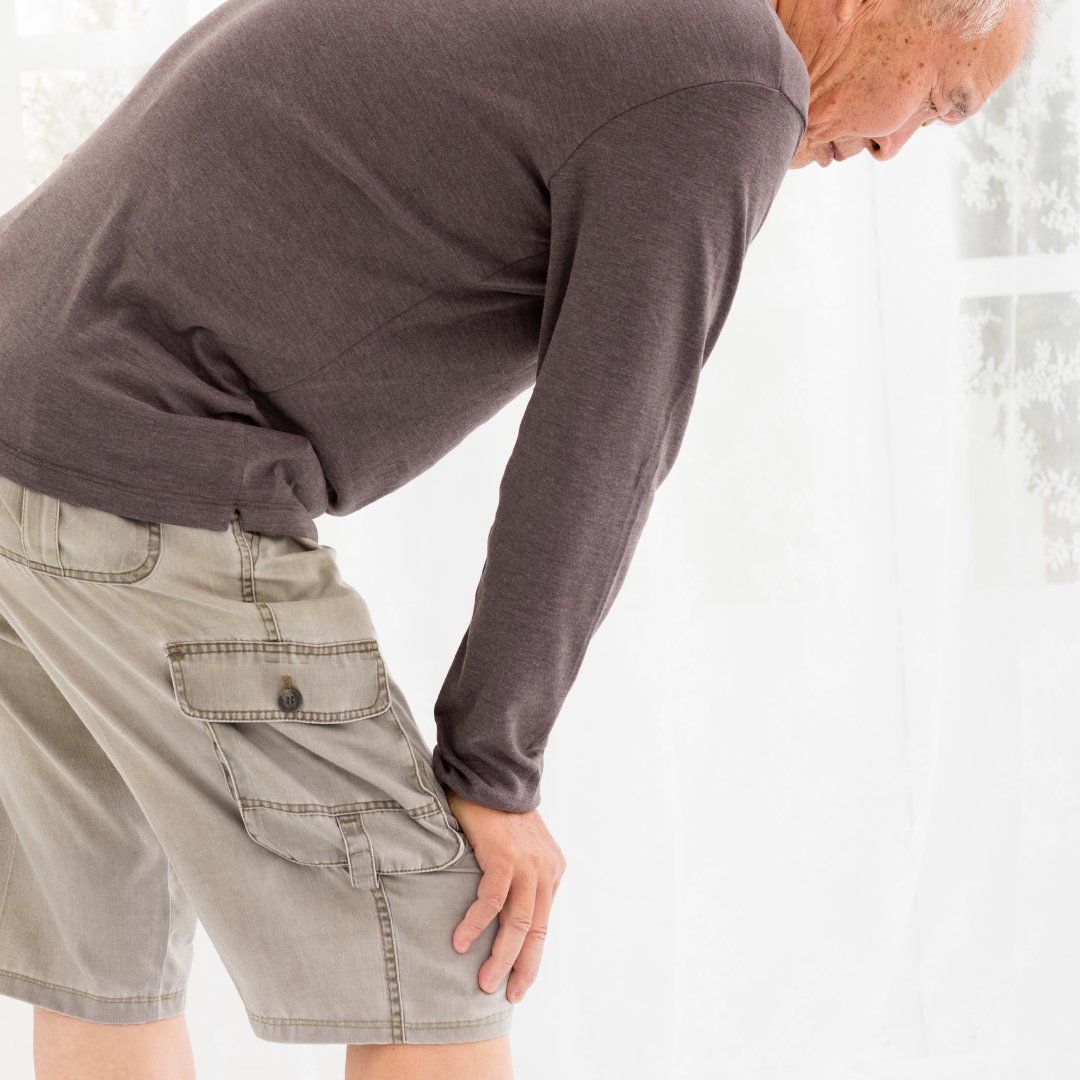
Discover the truth about aging and knee pain. Learn the myths, the real science, and the steps you can take to stay strong, mobile, and confident at any age.