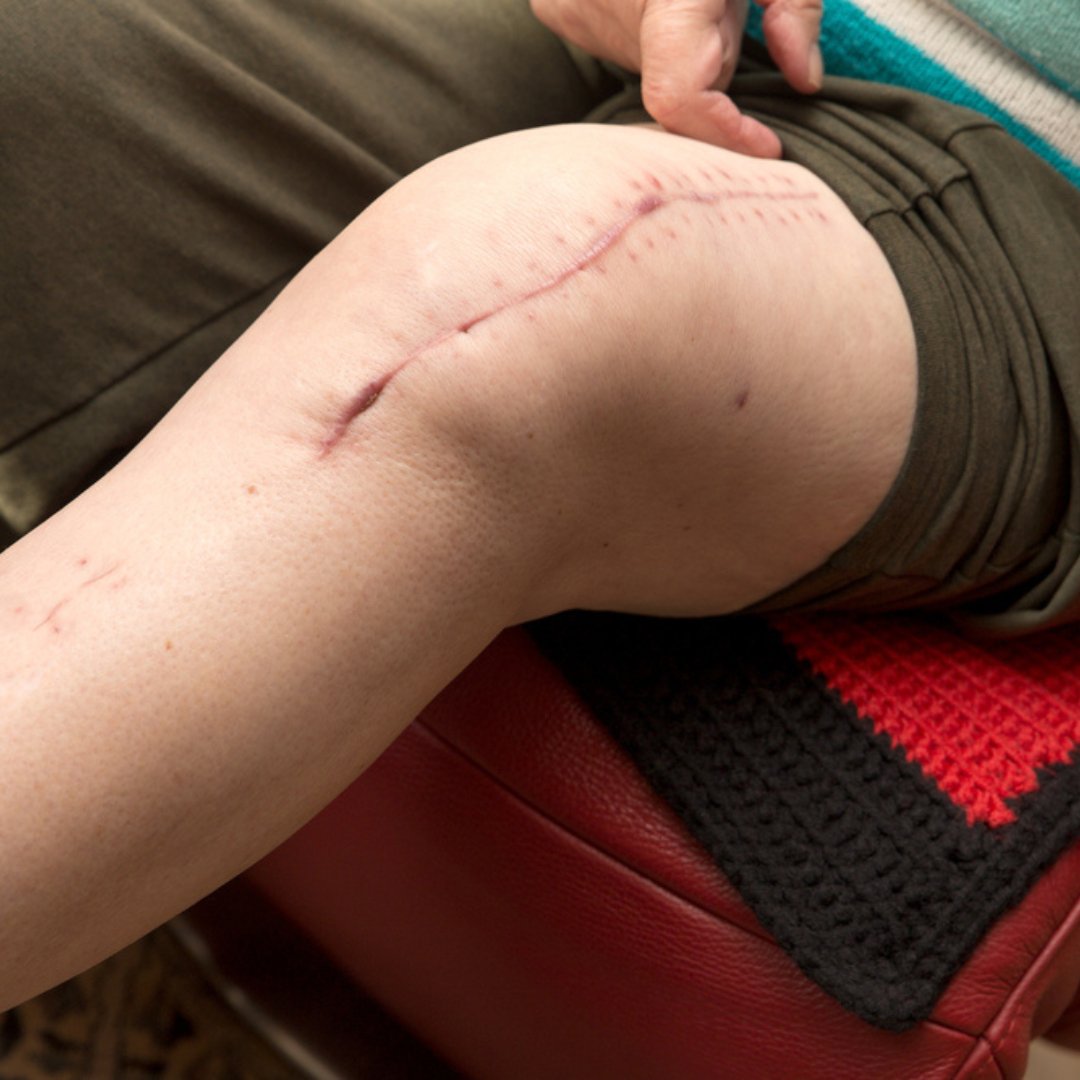
The Role of The Opposite Leg During Knee Replacement Surgery Recovery
Learn how the opposite leg supports knee replacement surgery recovery and why strengthening it helps prevent overuse, improve balance, and support better progress.


Patients usually have the same concern in the first few weeks after total knee replacement surgery. You expected steady progress, but instead, things feel slower than planned. During knee replacement surgery, healing does not always move in a straight line, especially when life does not pause while your knee works to regain motion and strength.
As a physical therapist, I see capable, motivated people struggle not because they are doing something wrong, but because certain factors quietly interfere with knee replacement recovery. Many of these factors are manageable once you know what to look for.
After knee replacement surgery, your body needs time and consistency to adapt. When daily responsibilities demand additional time on your feet or frequent movement, your knee may not get the rest it needs to settle down between exercise sessions.
Pushing through fatigue can increase swelling and stiffness, which makes movement harder the next day. This cycle often convinces people they are falling behind, when in reality the knee is asking for better pacing. Strategic rest does not slow progress. It protects it.
Swelling is one of the most underestimated factors during knee replacement surgery recovery. Even mild swelling limits how well your muscles fire and how smoothly your knee bends and straightens.
When swelling lingers, exercises feel harder, and walking mechanics suffer. Elevation, gentle movement, and consistent routines help control this response. Ignoring swelling often leads to frustration that feels out of proportion to the effort you are putting in.

Pain changes how you move, even when you do not notice it happening. During knee replacement surgery recovery, guarding and altered movement patterns can sneak in when pain is not addressed properly.
This does not mean you should avoid movement. It means movement should be smart and well-timed. Coordinating exercises with proper pain management is essential for a smooth recovery. By taking your medications as prescribed by your doctor, you can stay ahead of discomfort, allowing your body to move more freely and safely. Effective pain control helps prevent compensatory movements that can strain other muscles or joints, ensuring that each exercise reinforces correct mechanics and supports steady progress after surgery.
Many people arrive at knee replacement surgery with years of muscle inhibition and weakness already present. Chronic knee pain often limits how well muscles activate long before surgery takes place.
After surgery, these weaknesses do not magically disappear. Quadriceps, glutes, and calves all need targeted attention. When strength lags behind mobility, walking and stair use feel unstable, which slows confidence and overall knee replacement recovery.
Here’s the connection that many patients overlook: if your knee doesn’t fully straighten, you’ll end up walking with a limp. Walking with a limp causes your quadriceps to fatigue more quickly and increases strain on other joints. Bending often gets the spotlight, but straightening the knee fully is just as important.
I frequently see people focus only on bending milestones while extension quietly stalls. Addressing this early with consistent, gentle work helps normalize gait and reduces unnecessary fatigue during daily movement.
The key takeaway is to work on straightening your knee as much as possible, as early as possible, to support a faster and more effective recovery.
Healing takes energy. Poor sleep and ongoing fatigue slow how well your body adapts to exercise and daily movement demands.
Sleep disruption is common after total knee replacement surgery due to discomfort, schedule changes, and stress. Short naps, calming routines, and realistic expectations help restore energy levels that support better knee replacement recovery.
Stress does not stay in your head. It shows up in muscle tension, breathing patterns, and motivation. During knee replacement surgery recovery, mental load can quietly drain the energy needed for consistent progress.
Caregiving roles, work pressure, and household responsibilities create constant background noise. Acknowledging this stress matters. Giving yourself permission to move forward gradually often improves outcomes more than pushing harder ever could.

Exercises only help when they are done consistently and correctly. Skipping sessions or rushing through movements often leads to plateaus that feel confusing.
Consistency does not mean perfection. Short, focused sessions performed regularly support better neuromuscular control and strength gains. Small daily wins add up faster than occasional intense efforts.
Balance shifts after knee replacement surgery, especially early on. Hesitation during walking or turning can slow progress and increase fear of movement.
Balance work helps retrain your nervous system to trust the knee again. Simple drills that challenge stability in a safe way often improve confidence faster than strength work alone.
Start by pacing your day rather than pushing through exhaustion. Break tasks into manageable chunks and prioritize quality movement over quantity. Address swelling daily and do not wait for it to become limiting.
Focus on full knee extension as much as bending, and stay consistent with strength work even when progress feels slow. Balance training and adequate sleep complete the picture more than most people expect.
Knee replacement surgery recovery is influenced by more than effort alone. Awareness, structure, and patience often determine how smoothly progress unfolds. Good luck on your knee journey!
Good knees start here. Don’t miss a step, subscribe to KneeMail for free tips from knee expert Shehla Rooney, PT!
Learn how the opposite leg supports knee replacement surgery recovery and why strengthening it helps prevent overuse, improve balance, and support better progress.
Find out more about why knee replacement implants feel unfamiliar at first, and how you can safely rebuild trust in your new knee.

Discover the truth about aging and knee pain. Learn the myths, the real science, and the steps you can take to stay strong, mobile, and confident at any age.

Learn why weather changes can increase knee pain and how simple daily habits help your joints feel more comfortable when temperatures shift.

Learn how to avoid knee replacement with simple habits that protect your joints through strength, movement, and long-term knee care.