
Factors That May Slow Down Knee Replacement Surgery Recovery
Discover what can slow down knee replacement surgery progress and how to avoid common setbacks that affect strength, mobility, and daily function.

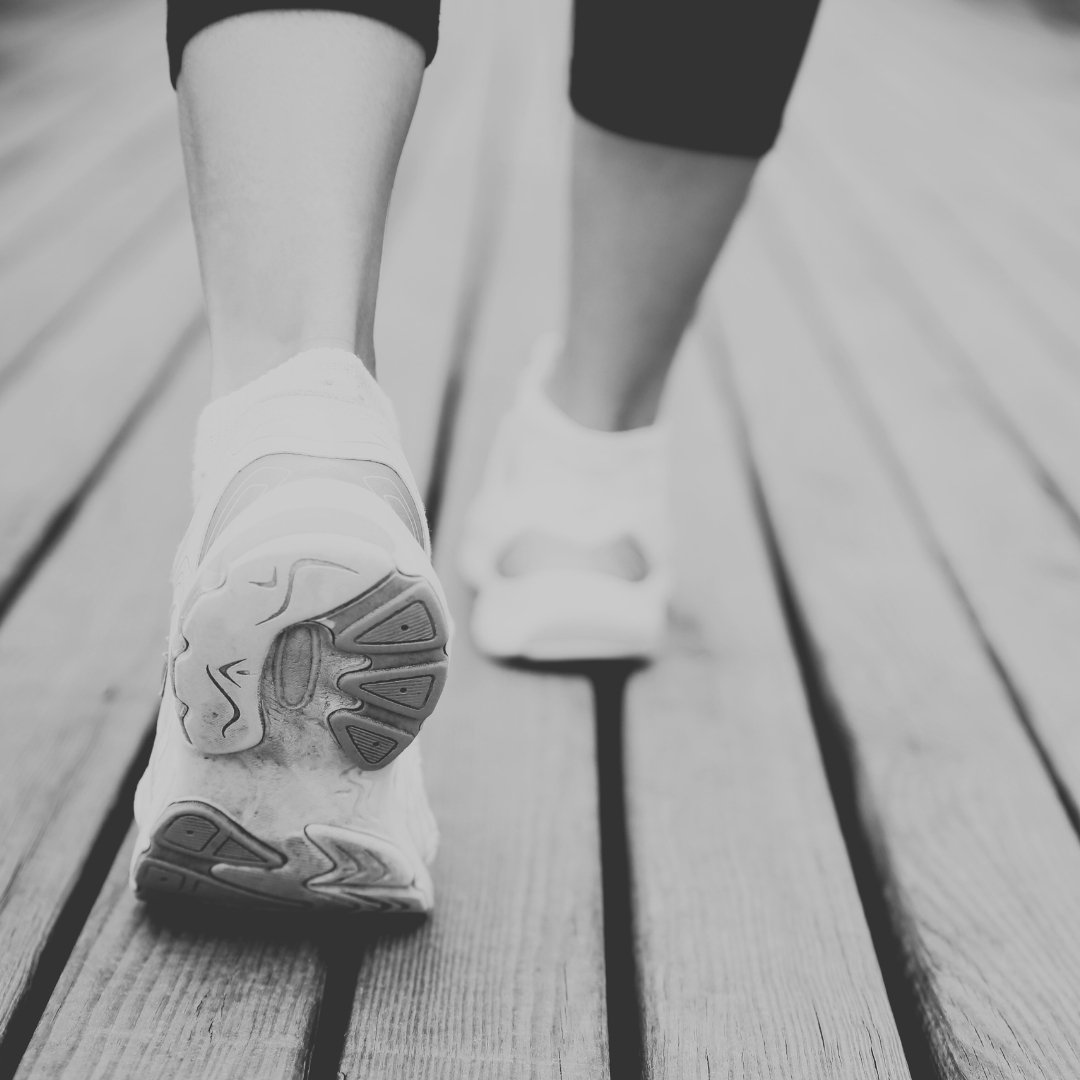
I can often tell how your knees are feeling before you say a word, just by watching you walk. During everyday movement, your walking pattern tells a story about strength, balance, and habits that shape knee health over time. When that story includes limping, stiffness, or uneven steps, the knees usually pay the price.
Improper gait rarely starts overnight. It builds quietly through old injuries, chronic knee pain, weakness, or compensation patterns that feel helpful in the moment. Over time, those patterns change how force moves through your joints and can accelerate discomfort or wear and tear of a joint.
Walking looks simple, but it is a coordinated sequence involving your hips, knees, ankles, and core. When one piece is off, the knee often becomes the middleman that absorbs extra stress.
Shortened steps, reduced knee bend, or a constant shift to one side all alter joint loading. These changes increase pressure in areas of the knee that are not designed for repetitive overload. Over months or years, this can contribute to stiffness, inflammation, and declining knee health.
Most people do not choose to walk poorly. Improper walking patterns often develop as a protective response to pain or instability. When your knee hurts, your body naturally looks for ways to reduce discomfort.
You may start avoiding full knee bend, limiting push-off, or leaning away from the painful side. These strategies feel helpful short-term, but they gradually change muscle activation and joint mechanics. Once pain decreases, the gait pattern often remains unless it is intentionally addressed.

Posture does not stop at your shoulders. Pelvic tilt, trunk lean, and head position all influence how weight travels through your legs. Subtle posture changes can quietly overload one knee more than the other.
Forward trunk lean increases demand on the quadriceps and knees during walking and standing. Excessive hip drop shifts pressure inward or outward at the knee joint. Over time, these imbalances reduce efficiency and challenge long-term knee health.
Strong muscles guide joints through smooth, controlled motion. When key muscles are weak, gait compensations follow.
Weak glutes allow the thigh to rotate inward, increasing stress on the knee. Limited calf strength reduces push-off, forcing the knee to absorb more load with each step. Quadriceps weakness affects shock absorption during walking and stair use. Each weakness may seem minor alone, but together they change how the knee functions every day.
Chronic knee pain and walking issues often reinforce each other. Pain alters movement, and altered movement increases pain. This loop can persist for years without obvious injury.
People often assume worsening knee pain means joint damage is accelerating. In many cases, movement inefficiency plays a larger role than structural change. Improving your walking pattern can help reduce pain, even if your X-rays appear unchanged.
After total knee replacement surgery, gait patterns require retraining. The joint moves differently, sensation changes, and confidence takes time to rebuild.
Without guidance, people may continue old habits that existed before surgery. Limping, uneven step length, and hesitation during stance can persist even when the knee is capable of more. Addressing gait directly supports better knee replacement recovery and long-term knee health.
You may not realize your gait has changed until symptoms appear elsewhere. Hip pain, foot discomfort, or lower back stiffness often point back to walking mechanics.
Feeling more tired than expected after short walks is another clue. Needing to consciously think about each step suggests your nervous system is compensating. These signs deserve attention before knee pain escalates further.
Awareness is the first step. Paying attention to step length, weight distribution, and posture can reveal habits that slipped in unnoticed.
Strengthening exercises that target the hips, calves, and quadriceps improve control during walking. Gentle balance work helps restore confidence and symmetry. Practicing slow, deliberate walking with even steps retrains movement patterns without overwhelming the knee.

Improving gait does not require aggressive workouts. Small, consistent changes reshape movement more effectively than occasional hard efforts.
Short, daily practice reinforces proper movement mechanics and helps correct faulty patterns that can hinder your recovery. Over time, your nervous system begins to choose efficient movement automatically. This consistency supports knee health far more than pushing through discomfort.
Structure removes guesswork. When exercises and movement cues are organized logically, progress feels smoother and more predictable.
Physical therapy plays a crucial role in addressing abnormal walking patterns. A skilled therapist can identify compensations, imbalances, and gait deviations, then design targeted exercises to correct them. By strengthening weak muscles, improving flexibility, and reinforcing proper movement mechanics, physical therapy helps restore a natural, efficient walking pattern and reduces the risk of fatigue or strain on other joints.
Start by slowing down your walking pace and aiming for even steps, while focusing on standing tall rather than leaning forward. Strengthen your hips and calves two to three times per week to improve control. For a more personalized approach, consider seeing a physical therapist for a detailed gait analysis, they can identify which muscles to stretch, which to strengthen, and which movement patterns need to be corrected to optimize your recovery.
Pay attention to fatigue and stop before form breaks down. Addressing gait early prevents small issues from becoming major barriers to knee health and knee replacement recovery. Good luck on your knee journey!
Good knees start here. Don’t miss a step, subscribe to KneeMail for free tips from knee expert Shehla Rooney, PT!
Discover what can slow down knee replacement surgery progress and how to avoid common setbacks that affect strength, mobility, and daily function.
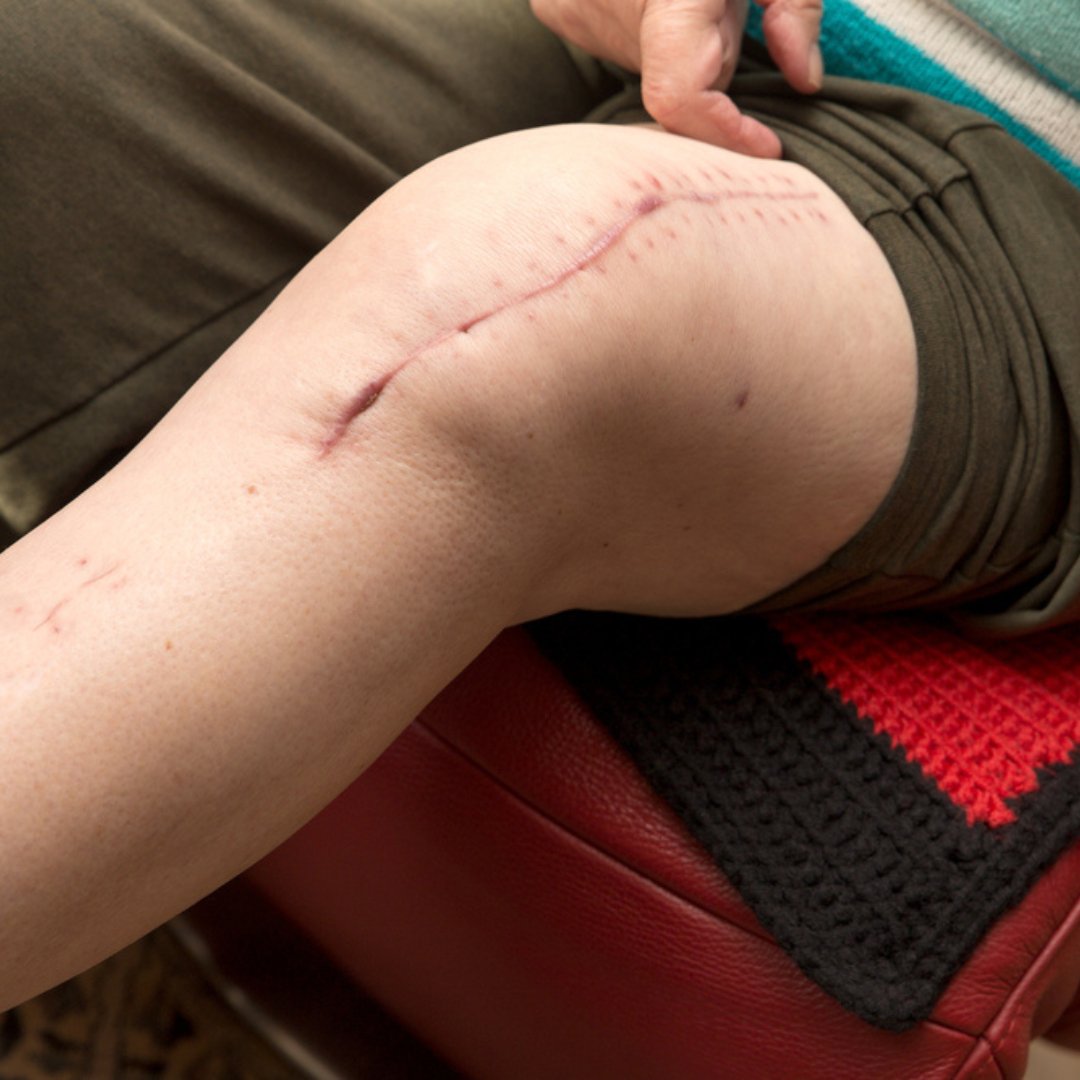
Learn how the opposite leg supports knee replacement surgery recovery and why strengthening it helps prevent overuse, improve balance, and support better progress.
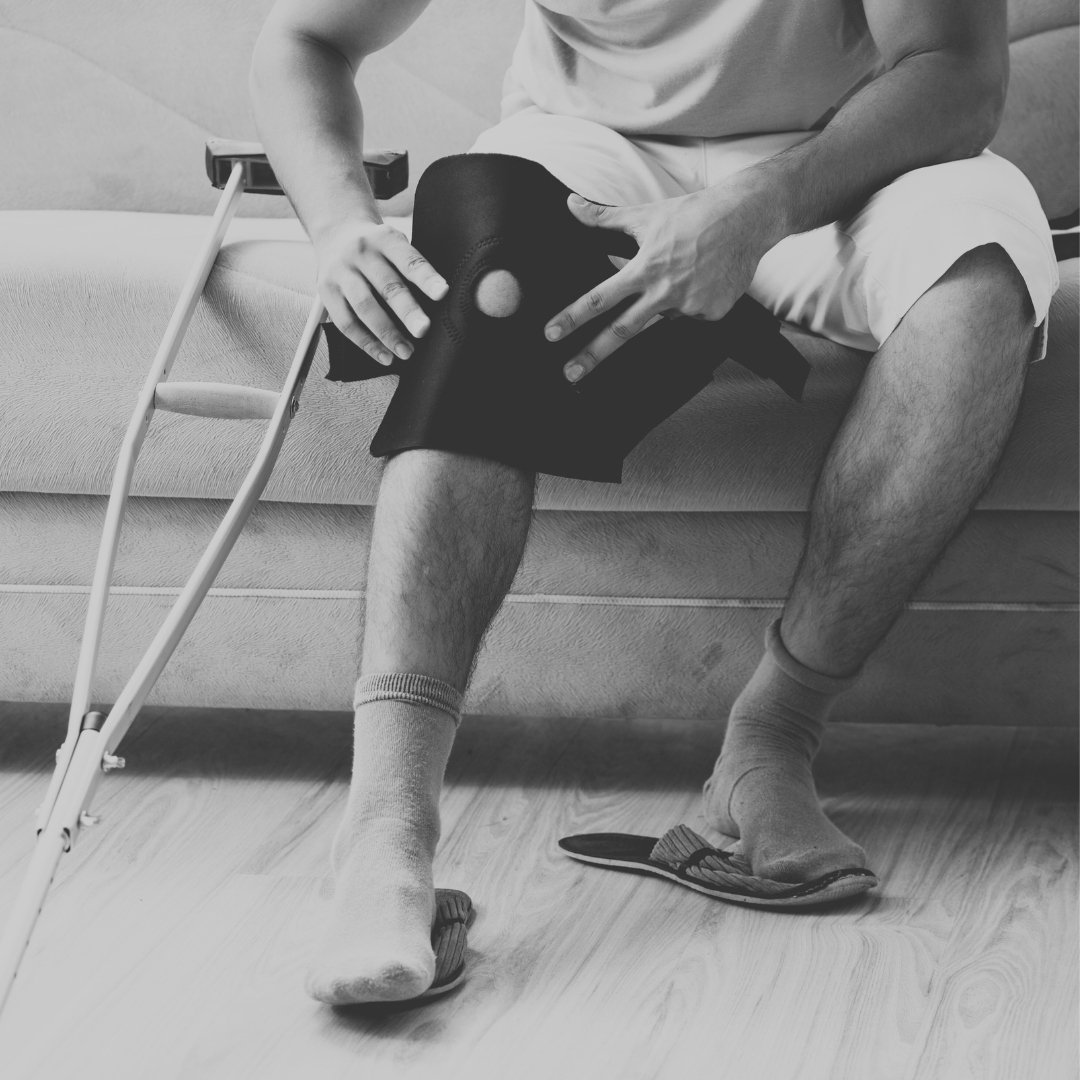
Find out more about why knee replacement implants feel unfamiliar at first, and how you can safely rebuild trust in your new knee.
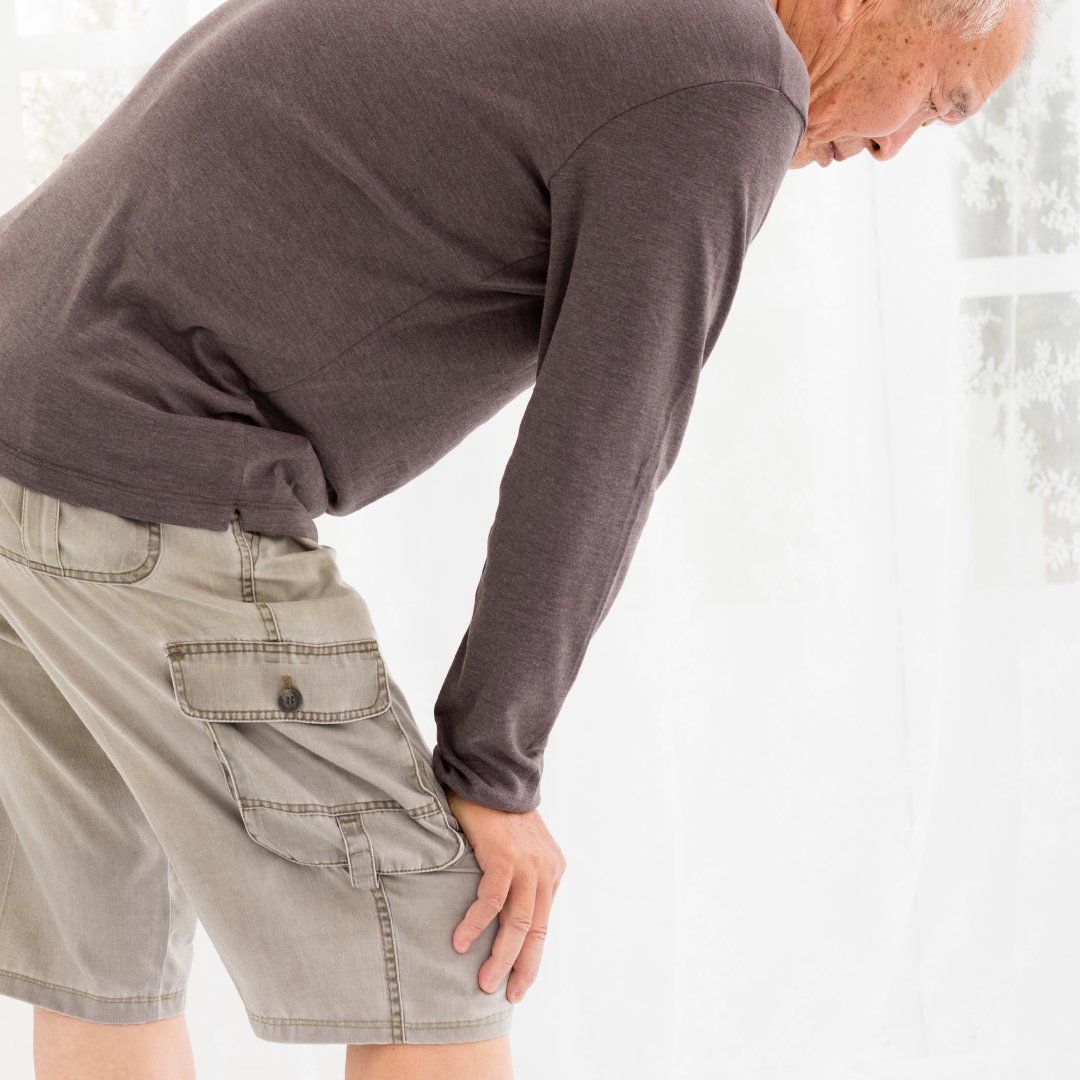
Discover the truth about aging and knee pain. Learn the myths, the real science, and the steps you can take to stay strong, mobile, and confident at any age.

Learn why weather changes can increase knee pain and how simple daily habits help your joints feel more comfortable when temperatures shift.